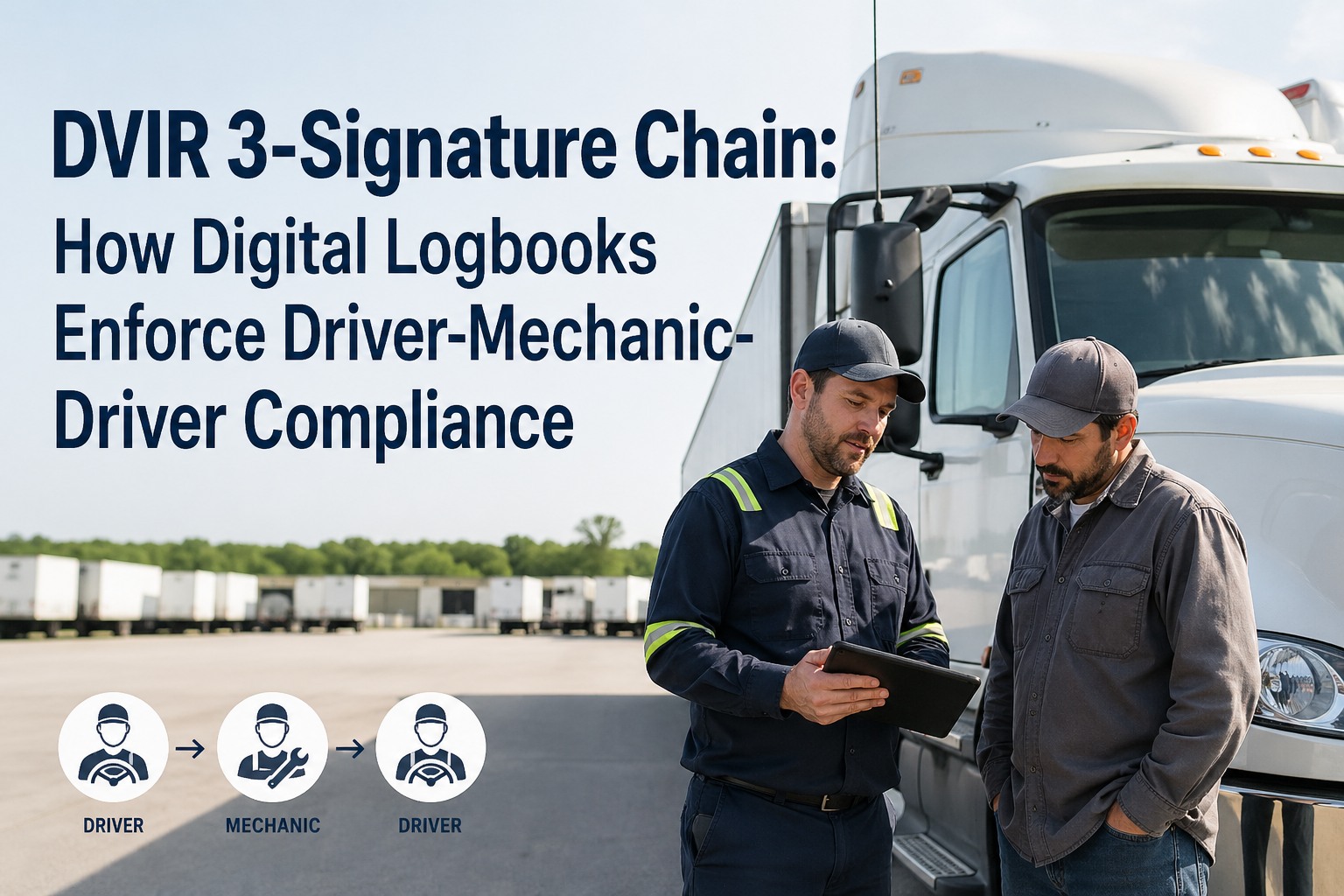
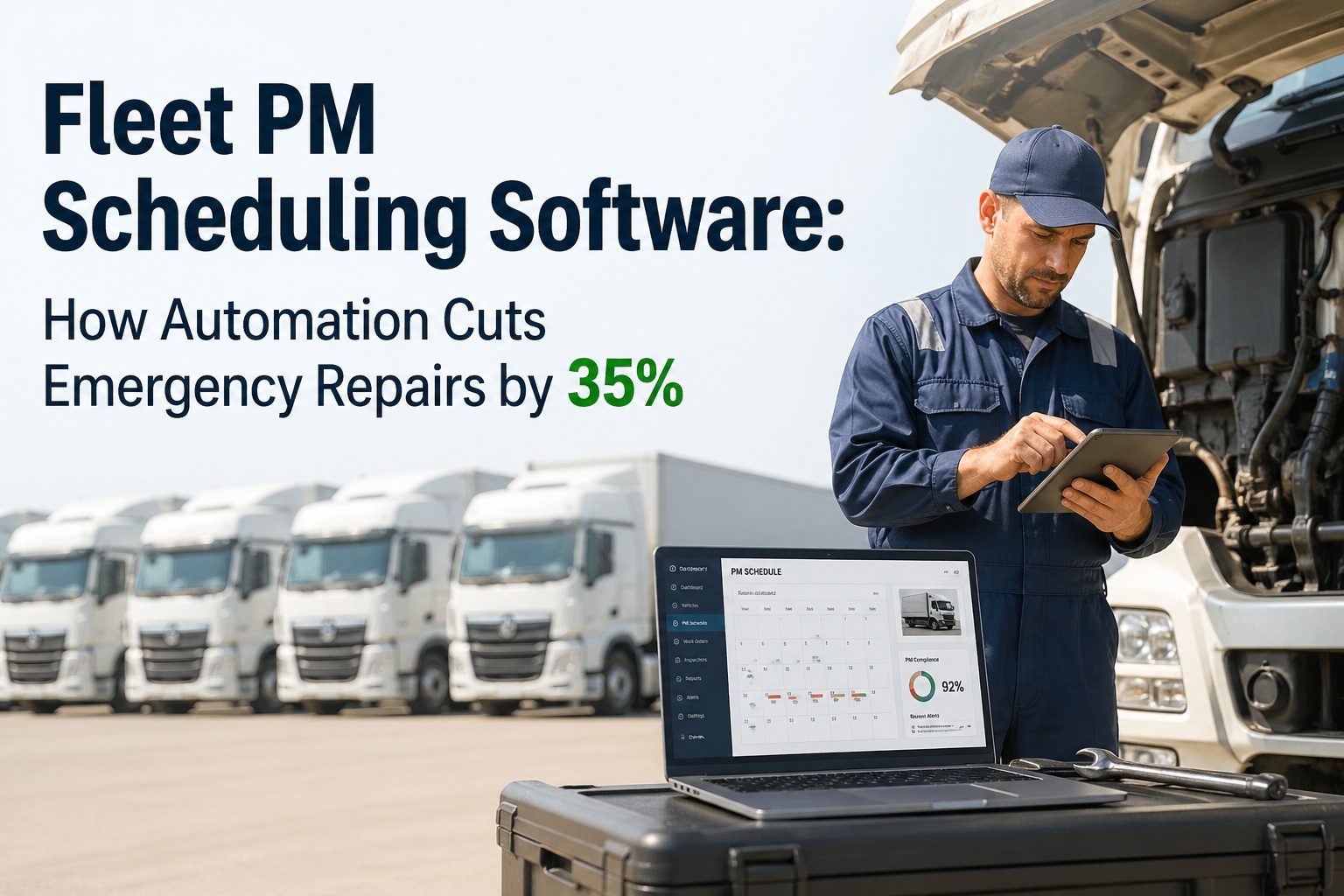
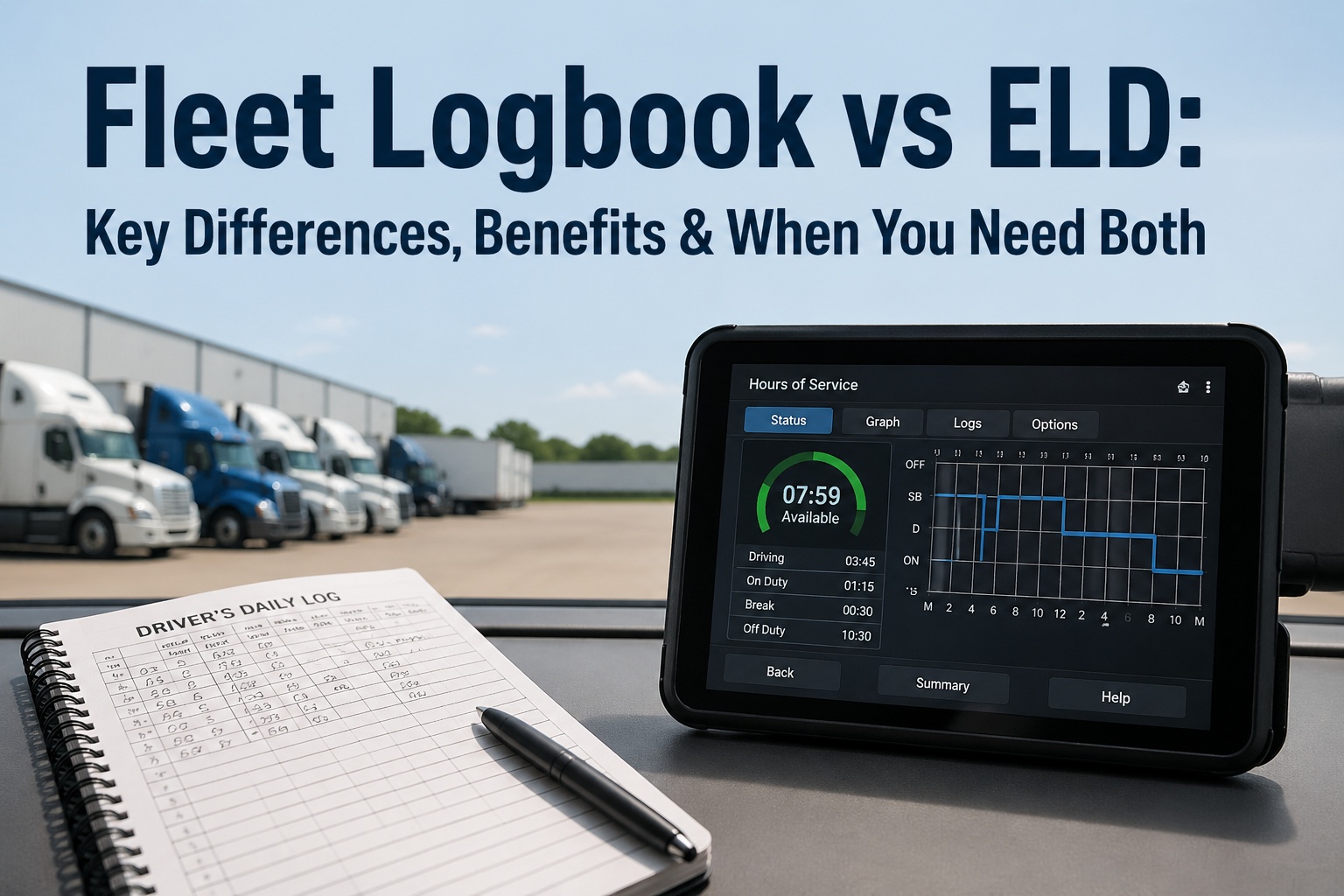
Zero-Harm safety programs achieve 64% fewer workplace injuries when supported by electronic workflows that eliminate reporting friction and enforce accountability. Mining, construction, and fleet operations implementing digital safety systems see 3.4x more hazard reports, 89% faster corrective action completion, and measurable incident reduction within 90 days. Transform your safety program with electronic workflows that make Zero-Harm achievable.
64%
Fewer Workplace Injuries
89%
Faster Action Completion
90 Days
To Measurable Results
Make Zero-Harm More Than a Slogan
Electronic safety workflows turn commitment into measurable protection through systematic hazard prevention.
Start Safety Tracking
Schedule Review
Paper Systems vs. Electronic Workflows
- 47% hazards unreported - Workers skip 15-minute paper process
- Hours to respond - Reports sit in offices before action
- 67% completion rate - Corrective actions forgotten or delayed
- No visibility - Management can't identify patterns or trends
- Unverified compliance - Easy to claim safety checks without proof
Result: Reactive firefighting, hidden hazards, preventable incidents
- 60-second mobile reporting - Photos, GPS, instant submission
- 15-minute response - Automatic alerts to right people
- 94% completion rate - Automated tracking and reminders
- Real-time analytics - Dashboards reveal patterns early
- Digital verification - Timestamped proof of all activities
Result: Proactive prevention, full visibility, systematic risk reduction
6 Electronic Workflows That Enable Zero-Harm
Workflow 1
Mobile Hazard Reporting
Workers report hazards in 60 seconds using smartphones—photo, GPS location, severity rating. Reports transmit instantly to safety managers.
Impact:
3.4x more reports submitted
Workflow 2
Auto-Escalation by Severity
System routes critical hazards to multiple managers via SMS immediately. Moderate issues assign to supervisors. Minor items queue for review.
Impact:
15-min average response time
Workflow 3
Corrective Action Tracking
Every hazard generates tasks with due dates, auto-reminders, and photo verification. Dashboard shows overdue actions instantly.
Impact:
94% completion vs 67% paper
Workflow 4
Pre-Shift Safety Gates
Workers complete mandatory safety checklists before equipment access. System blocks operation until verification with digital signature.
Impact:
99% compliance vs 73% paper
Workflow 5
Real-Time Analytics
Dashboard reveals hazard patterns by location, equipment, shift. Identifies emerging risks 6-8 weeks before incidents occur.
Impact:
58% incident prevention
Workflow 6
Training Integration
System tracks certifications, auto-restricts expired workers, alerts 30-60 days before renewal deadlines.
Impact:
100% training compliance
90-Day Implementation Roadmap
Configure hazard categories & severity levels
Train pilot team (20-30 workers)
Collect feedback and refine processes
Goal: 80% pilot adoption rate
→
Activate pre-shift safety checklists
Enable corrective action tracking
Goal: 100% trained, 90% compliance
→
Weekly analytics review meetings
Recognize top reporters publicly
Connect training & certification system
Goal: 95% closure rate, incident reduction
Leading Indicators to Track (Success Dashboard)
Target: 10+ per 100 workers/month
High reporting = strong safety culture identifying hazards before harm
✓ Leading Indicator
Target: 95%+ closed within 7 days
Measures management accountability and responsiveness
✓ Leading Indicator
Target: 98%+ completion
Proves workers verify safety before work starts
✓ Leading Indicator
Target: Under 30 minutes
Life-threatening hazards need immediate attention
✓ Leading Indicator
Common Implementation Barriers & Solutions
| Barrier |
Root Cause |
Solution |
| "Workers won't report—they fear consequences" |
Punitive safety culture where reporting = blame |
Publicly recognize top reporters monthly. Never discipline for safety reports—only for concealing hazards. Anonymous option during trust-building. |
| "Older workers resist smartphones" |
Insufficient training, no demonstrated value |
Hands-on training sessions. Show how mobile reporting gets hazards fixed faster. Pair tech-comfortable workers with resistant ones. |
| "Too many reports—can't fix everything" |
Backlog of longstanding issues now visible |
Triage by severity—immediate action for critical, scheduled fixes for minor. Communicate realistic timelines. Some risks may be accepted with controls. |
| "Management doesn't use dashboard" |
Safety data not integrated into operations |
Make safety KPIs part of every ops meeting. Require addressing overdue actions before discussing production. Link manager reviews to safety metrics. |
| "Contractors bypass our systems" |
Contractor management separate from safety |
Require contractor participation as contract condition. Guest accounts with same requirements. Track contractor performance—non-compliance loses bids. |
Critical Success Factor: Electronic workflows require leadership commitment. If management doesn't use dashboards for decisions, respond to alerts promptly, or hold teams accountable—workers will abandon reporting. Technology enables Zero-Harm, but culture determines success.
Get expert guidance on implementation.
Expected Results After 90 Days
3-5x
Increase in hazard reports (visibility, not more problems)
95%+
Corrective action completion rate
64%
Reduction in safety incidents
30 days
To see leading indicator improvements
Build a Measurable Safety Culture
Electronic workflows turn Zero-Harm from aspiration into documented achievement with verifiable results.
Start Safety Tracking
Get Assessment
Frequently Asked Questions
Q
How quickly will we see safety improvements?
Hazard reporting increases immediately within first week—expect 2-3x more reports. Incident rate reductions appear within 60-90 days as systematic hazard identification prevents situations that previously caused injuries. Leading indicator improvements (reporting rates, closure speed) are visible within 30 days.
Q
What if workers submit frivolous reports?
Rarely occurs when workers see reports drive action. Repetitive reports indicate management hasn't closed feedback loop. Address by responding to every report with status updates, explaining timelines, and training on reportable hazards. Quality improves with engagement.
Q
Can this work without mobile coverage?
Yes—most apps support offline mode. Workers document hazards without connectivity. Reports queue locally and upload when connection restores. Photos, GPS, and timestamps capture at observation time even offline.
Q
How do we balance production with safety reporting?
Make safety KPIs equal to production KPIs in evaluations. Grant workers authority to stop unsafe work. Schedule time for safety activities in production plans. Organizations achieving Zero-Harm prove safety and productivity don't compete—hazard prevention eliminates costly incidents.
Q
What's the first step to get started?
Start with mobile hazard reporting—immediate value through faster resolution. Run 30-day pilot with 20-30 workers, collect feedback, refine. Once mobile reporting succeeds, expand to pre-shift checklists and corrective action tracking. Complete transition takes 90 days.
Get started with a free account or
schedule a guided implementation walkthrough with our safety experts.