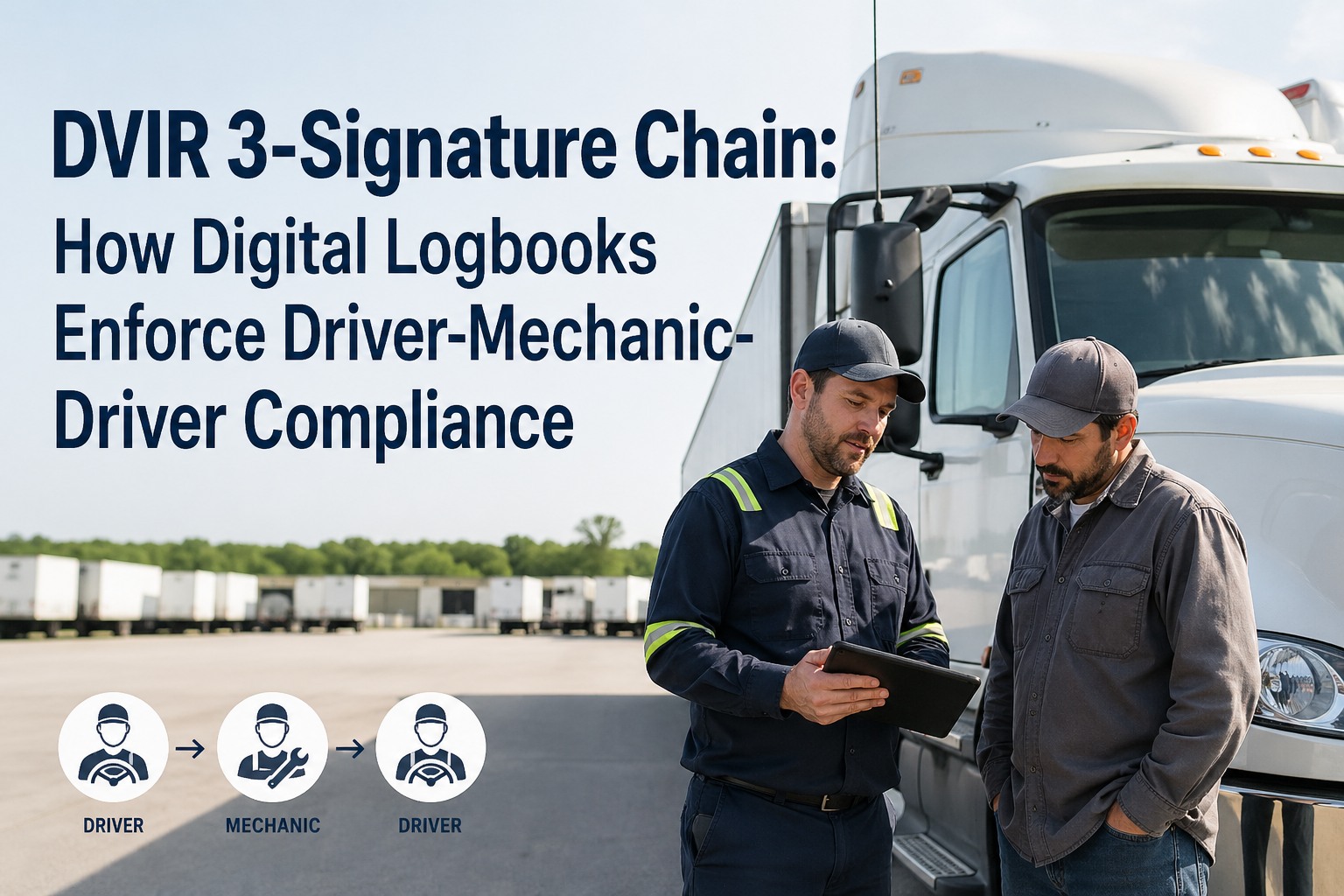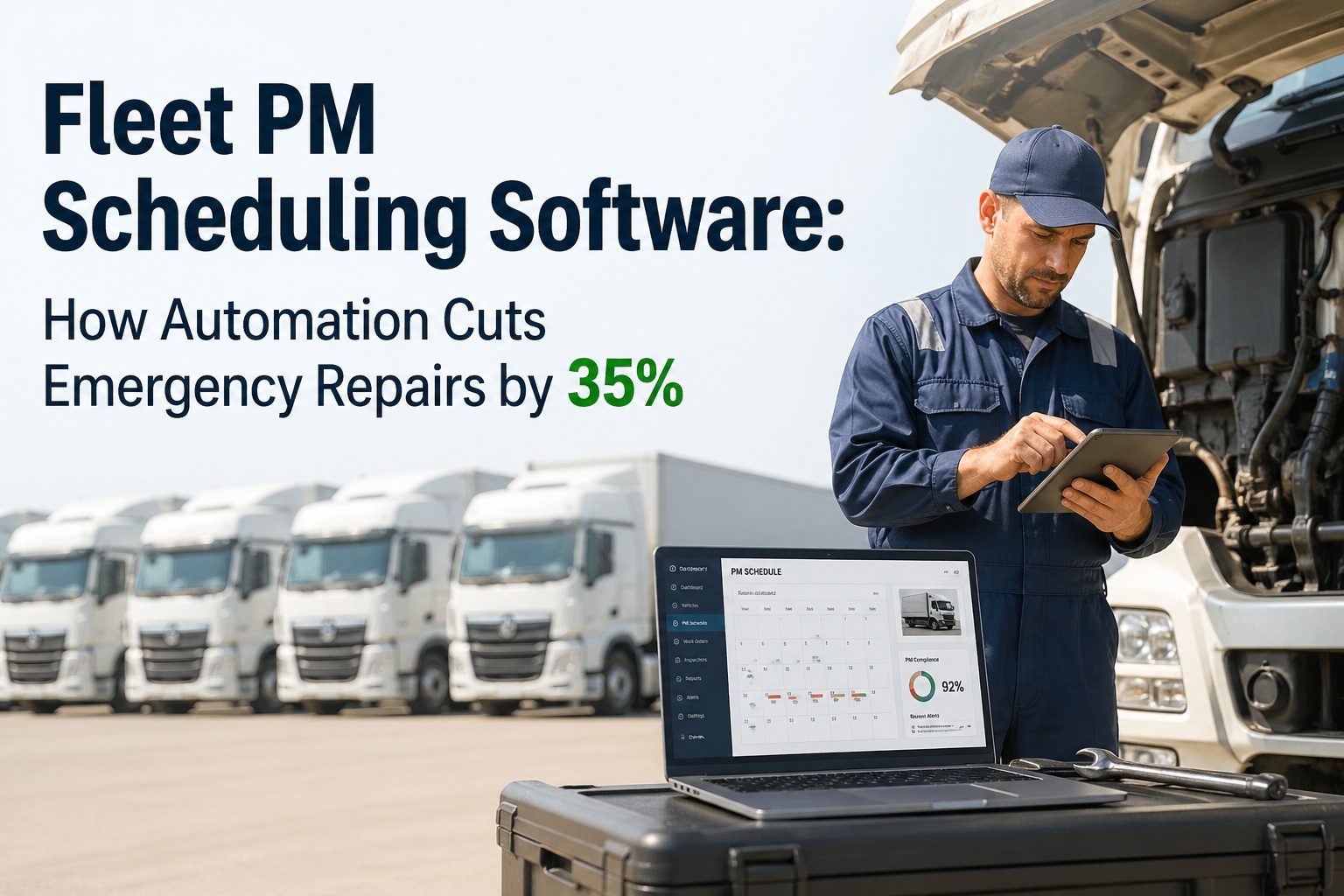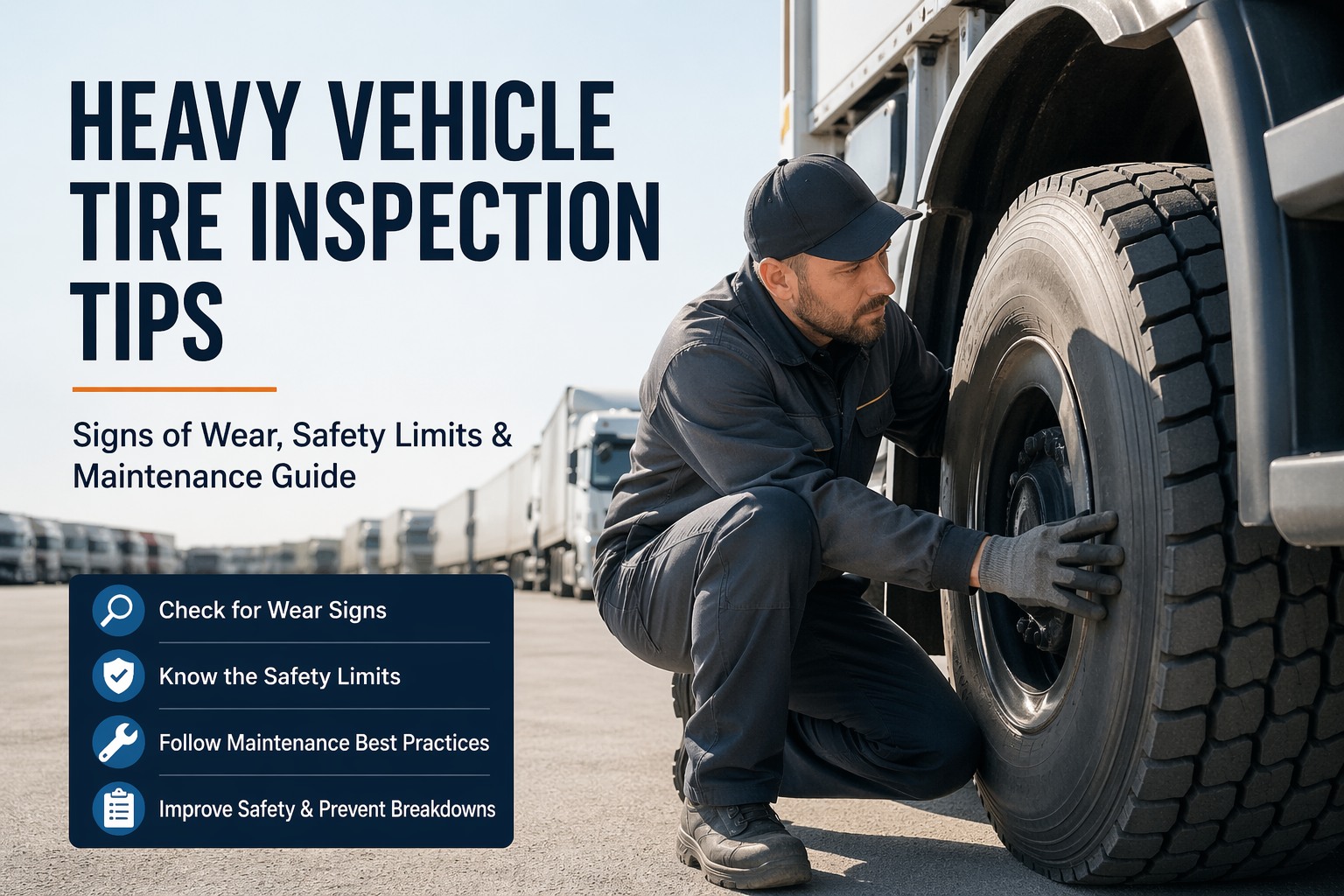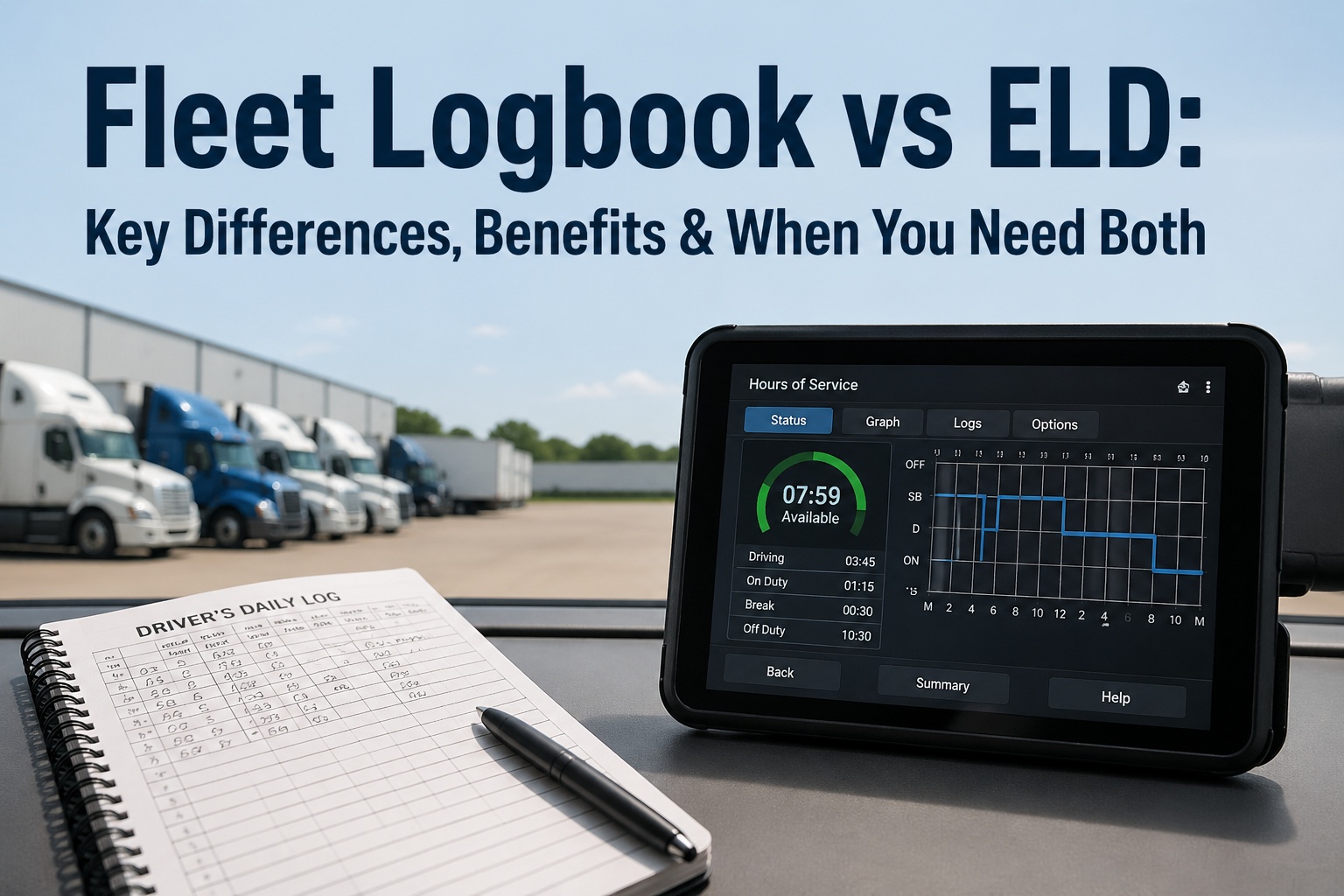
Fleet operators routinely ask the wrong question — they ask "logbook or ELD?" when the right question is "which logbook do I still need alongside the ELD?" The two tools serve different functions: an ELD is a federally mandated electronic device that automatically records driver Hours of Service through engine synchronization, while a logbook is a chronological record of any fleet activity — driver duty status, vehicle maintenance, fuel purchases, inspections, training, or incidents. The 2017 ELD mandate replaced paper HOS logbooks for most interstate commercial drivers, but it did not eliminate the need for logbooks broadly. Modern fleets running compliant operations in 2026 use ELDs for HOS plus separate logbook systems for maintenance, fuel, inspections, training, and supporting documentation that auditors cross-reference against ELD data. Industry compliance reports show 42% of violations found during 2025 DOT inspections involved improper ELD usage or data gaps — and a significant portion of those gaps trace back to disconnected logbook systems where supporting documents don't match ELD records. This guide explains exactly when each tool applies, what differs between them, where they overlap, and how to architect a fleet record-keeping system that survives a 2026 audit. Start your free HVI trial to digitize every non-HOS logbook in one platform alongside your ELD, or book a 30-minute demo to see the integrated workflow.
HVI runs your maintenance logbook, inspection logbook, fuel logbook, training records, and DVIR alongside your ELD — so supporting documents always match HOS data when auditors cross-reference them in 2026.
Quick definitions — what each tool actually is
Most confusion between logbooks and ELDs comes from imprecise language in the industry. Here are the definitions FMCSA, CVSA, and audit-grade fleet operations actually use.
A chronological record — paper or digital — of any fleet activity, event, or status. Logbooks include driver HOS, vehicle maintenance, fuel purchases, inspections, training, incidents, and parts usage. Logbooks span the entire operation, not just one regulatory function.
A federally mandated electronic device — registered with FMCSA — that automatically records a commercial driver's Hours of Service by synchronizing with the vehicle's engine. Tamper-resistant, generates auditable RODS, and transmits data to enforcement officers on demand.
The side-by-side comparison every fleet needs
Both tools track activity, but their scope, regulatory weight, and operational purpose differ dramatically. Here is the head-to-head view.
When you need an ELD (and when you legally don't)
The ELD mandate covers most interstate commercial drivers, but FMCSA recognizes four distinct exemption categories. Misclassifying your operation is a primary source of violations.
- Vehicles 10,001+ lbs GVWR/GCWR in interstate commerce
- Drivers maintaining Records of Duty Status (RODS) per § 395.8(a)
- Vehicles transporting 16+ passengers (including driver)
- Vehicles transporting placarded hazardous materials
- Most regional and long-haul commercial operations
Driver returns to home terminal end of every shift, operates within 150-air-mile radius, works ≤14 hours within 14-hour window, takes 10-hour off-duty break. Carrier maintains time records instead of RODS. Any single condition violation voids the exemption for that day.
Driver maintains RODS for 8 or fewer days within any 30-day period. Paper logs or AOBRD acceptable on those days. On the 9th RODS day in 30, full ELD compliance is required.
The vehicle being driven is the commodity being delivered (such as new trucks, RVs, or trailer transports). Vehicle isn't a permanent fleet asset — installing an ELD doesn't make sense.
Vehicles with engines manufactured before model year 2000. Engine electronics aren't compatible with ELD synchronization. Date of manufacture is on the vehicle registration. Paper RODS or AOBRD acceptable.
The 6 logbook types every fleet still needs alongside an ELD
Even fleets fully compliant with the ELD mandate require multiple non-HOS logbooks to satisfy regulatory, operational, and audit requirements. Here are the six logbook categories every commercial fleet maintains.
Records pre-trip and post-trip vehicle inspections per 49 CFR § 396.11. The March 23, 2026 eDVIR final rule explicitly authorizes electronic DVIRs. Independent of ELD — driver inspections never went into the ELD mandate.
Documents preventive maintenance, repairs, work orders, parts replaced, mileage at service. Required to demonstrate systematic maintenance during DOT compliance reviews and post-crash investigations.
Tracks fuel purchases by jurisdiction for International Fuel Tax Agreement reporting. Quarterly tax filings depend on this data. Auditors cross-reference fuel purchases against ELD mileage data.
Records driver application, MVR pulls, drug test results, road test, training completion, certification dates. Required for every driver per 49 CFR § 391.51. Reviewed in audit and post-incident review.
Records every roadside inspection (clean or with violations), every accident, every citation. Critical for CSA score reconciliation and DataQs challenges. Must align with FMCSA reported data.
Annual DOT inspection report (decal) per 49 CFR § 396.17. Document must be on the vehicle at all times. Records inspector identification, components inspected, repair details, sign-off.
Why supporting documents must match ELD data in 2026
The biggest 2026 enforcement shift is digital cross-referencing — auditors compare ELD records against logbook supporting documents and flag discrepancies as falsification. The two systems must reconcile.
Frequently asked questions — fleet logbooks vs ELDs
Run your ELD and every fleet logbook on one integrated platform.
HVI integrates ELD-grade compliance workflows with digital DVIRs, maintenance logbook, fuel and IFTA records, driver qualification files, annual inspection records, and supporting document storage. Every entry cross-references automatically. Auditors get a single export that reconciles ELD HOS data against every supporting record. No more 42%-violation-rate surprise findings.
No credit card required · Audit-ready records in minutes · ELD + DVIR + maintenance + fuel + training in one platform