Commercial vehicle inspections are the foundation of fleet safety, regulatory compliance, and operational reliability. FMCSA regulations require three distinct inspection types - pre-trip, post-trip, and annual periodic inspections - each serving a specific purpose in keeping vehicles roadworthy and drivers safe. Proper inspections prevent approximately 14,000 accidents annually according to FMCSA estimates, yet brake, tire, and lighting violations remain the most common causes of out-of-service orders. This comprehensive 2026 guide provides complete, actionable checklists for every required inspection type, explains the DVIR documentation process, identifies the most frequently missed defects, and shows how digital inspection tools can improve compliance while reducing inspection time by up to 67%.
Understanding Commercial Vehicle Inspections
Federal Motor Carrier Safety Administration (FMCSA) regulations establish three mandatory inspection types for commercial motor vehicles. Each inspection has specific timing requirements, documentation rules, and compliance implications.
Pre-Trip Inspection
Driver must be satisfied vehicle is in safe operating condition before operation. Review previous DVIR and verify any noted defects were repaired.
- No formal documentation required
- Must check 11 minimum items per regulation
- Typically takes 15-30 minutes
- Driver responsibility
Post-Trip / DVIR
Written Driver Vehicle Inspection Report required at completion of each day's work. Documents vehicle condition and any defects discovered.
- Written report mandatory (if defects found)
- Passenger carriers: always required
- Retain records 3 months minimum
- Carrier must certify repairs
Annual DOT Inspection
Comprehensive inspection by qualified inspector covering all items in Appendix A. Vehicle cannot operate without valid annual inspection.
- Qualified inspector required
- Inspection sticker/documentation on vehicle
- Retain reports 14 months
- State programs may satisfy requirement
Pre-Trip Inspection Checklist
Before operating any commercial motor vehicle, drivers must complete a thorough inspection to verify the vehicle is safe. The 7-point walk-around method ensures systematic coverage: front, driver side, rear, passenger side, engine compartment, cab interior, and under vehicle.
Engine Compartment
~5 minutesCab Interior
~3 minutesLights & Electrical
~4 minutesBrake System
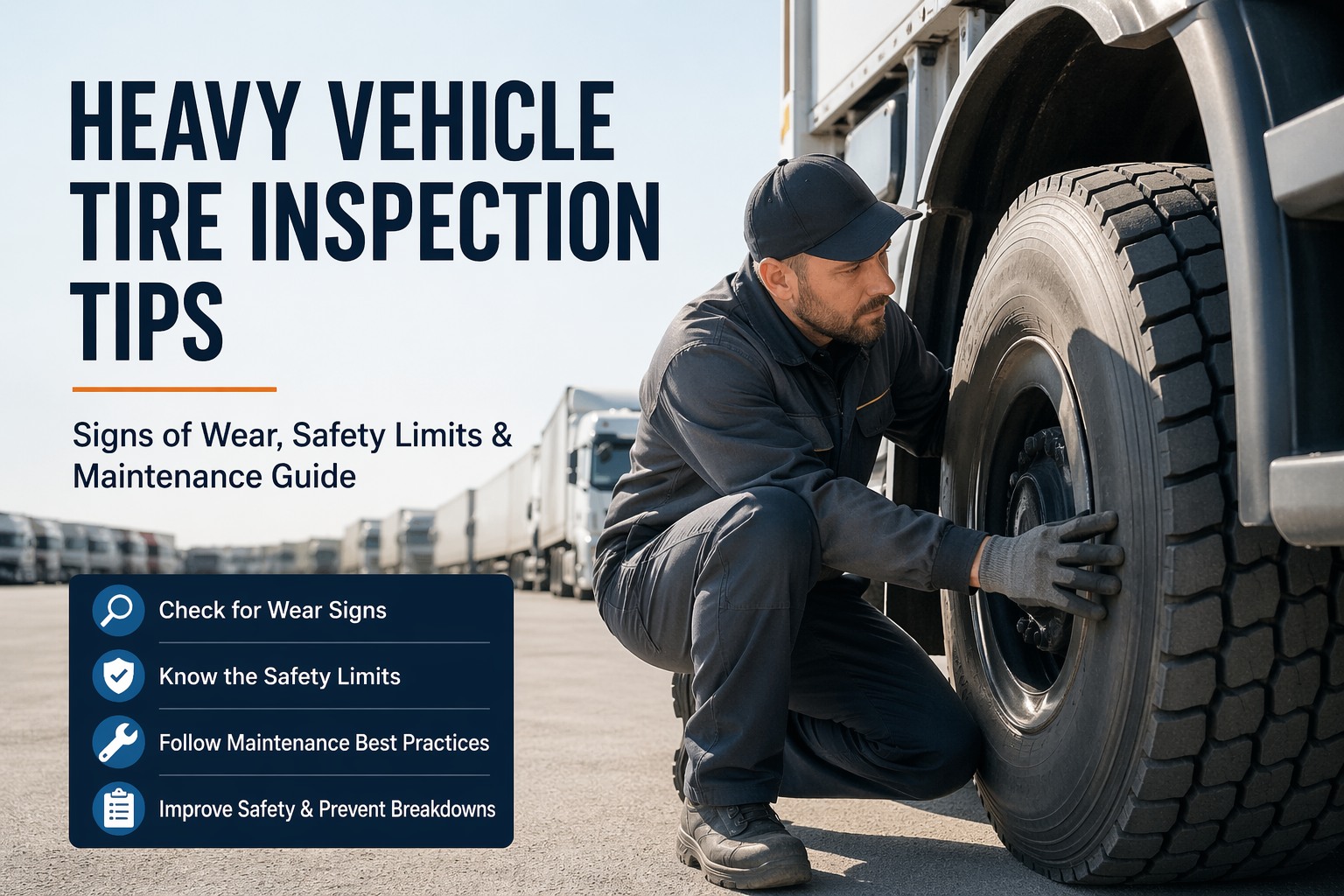
~5 minutesTires & Wheels
~5 minutesSteering & Suspension
~3 minutesFifth Wheel & Coupling
~3 minutesSafety Equipment
~2 minutesSimplify Your Pre-Trip Inspections
Digital inspection tools guide drivers through every checkpoint, capture photo evidence, and automatically generate compliant DVIRs. See how HVI reduces inspection time by 67% while catching 40% more defects than paper checklists.
Post-Trip Inspection & DVIR Requirements
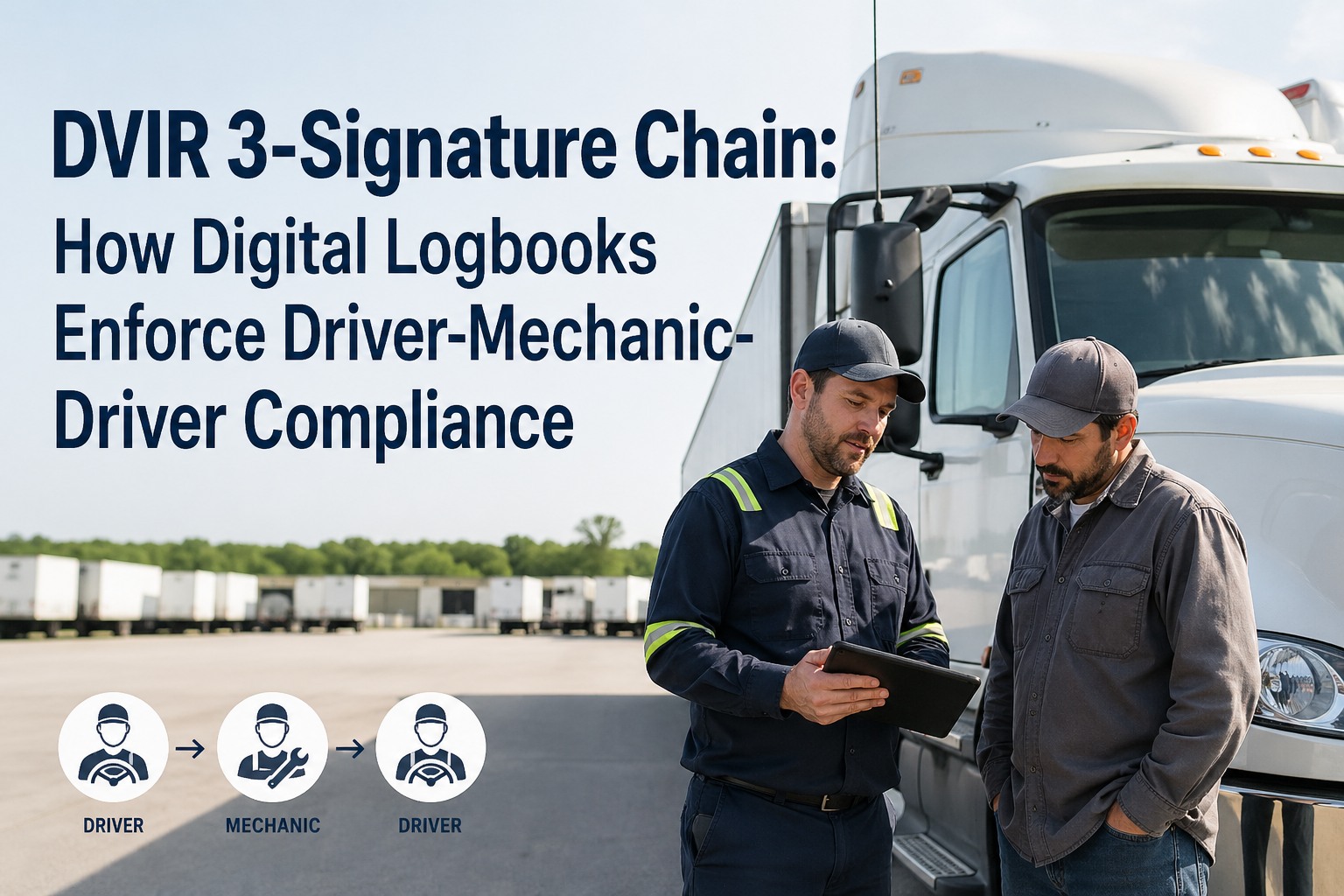
At the completion of each day's work, drivers must perform an inspection and complete a Driver Vehicle Inspection Report (DVIR) when defects are found. For property-carrying vehicles, DVIRs are only required when defects exist. For passenger-carrying vehicles, a DVIR is always required regardless of condition.
Perform Post-Trip Inspection
Walk around vehicle checking all components covered in pre-trip. Note: avoid touching hot components like exhaust. Focus on items that may have changed during operation.
Document Any Defects
If defects found, complete written DVIR listing specific issues. Include vehicle identification, date, and driver signature. Be specific about defect location and nature.
Submit to Carrier
Turn in DVIR to motor carrier. For electronic DVIRs, ensure submission before going off-duty. Carrier receives immediate notification of defects.
Carrier Reviews & Repairs
Motor carrier must review DVIR and repair any safety-affecting defects before vehicle is dispatched again. Carrier certifies repairs on original report.
Next Driver Acknowledges
Before operating, next driver reviews previous DVIR, verifies repairs were made, and signs acknowledgment. Only required if previous DVIR noted defects.
DVIR Documentation Requirements
Required DVIR Contents
- Date of inspection
- Vehicle identification (unit #, VIN, or plate)
- Trailer identification (if applicable)
- List of defects discovered or reported
- Driver signature/certification
- Carrier repair certification (if defects noted)
Minimum Inspection Items (49 CFR 396.11)
- Service brakes including trailer connections
- Parking (hand) brake
- Steering mechanism
- Lighting devices and reflectors
- Tires
- Horn
Record Retention
- DVIRs: 3 months from date prepared
- Annual inspection reports: 14 months
- Maintenance records: 12 months + 6 months after vehicle leaves fleet
- Roadside inspection reports (OOS): 12 months
Annual DOT Periodic Inspection
Every commercial motor vehicle must undergo a comprehensive periodic inspection at least once every 12 months per 49 CFR 396.17. This inspection must be performed by a qualified inspector and covers all items in Appendix A to Part 396. Vehicles cannot operate without current annual inspection documentation.
Annual Inspection Categories (49 CFR 396 Appendix A)
A vehicle fails inspection if any of these deficiencies exist:
Brake System
- Absence of braking action on any axle
- Missing/broken shoes, pads, springs, anchor pins, push-rods
- Loose brake components
- Audible air leak at brake chamber
- Pushrod stroke exceeds limits
- Brake lining below minimum thickness
- Cracked, broken, or missing brake drums/rotors
- ABS malfunction indicator active
Coupling Devices
- Fifth wheel: cracked, loose, missing parts
- Fifth wheel locking mechanism defective
- Pintle hook: worn, cracked, missing parts
- Drawbar/towbar: cracked, broken, missing
- Safety chains/cables missing or defective
Exhaust System
- Leaking exhaust system components
- Exhaust discharging under cab/sleeper
- Exhaust system not securely fastened
- No exhaust system present (if required)
Fuel System
- Fuel tank not securely attached
- Leaking fuel tank or lines
- Fuel tank filler cap missing
- Fuel system components not properly attached
Lighting Devices
- Headlights, taillights inoperative
- Turn signals, brake lights inoperative
- Clearance lamps, marker lamps inoperative
- Required reflectors missing/inoperative
Safe Loading
- Spare tire or load can fall onto roadway
- Protection against shifting cargo inadequate
- Improper blocking or bracing
Steering Mechanism
- Excessive steering wheel free play
- Steering column loose or defective
- Front axle beam cracked or broken
- Steering gear defects
- Pitman arm loose or cracked
- Power steering leaks or inoperative
- Ball/socket joints worn or loose
- Tie rods, drag links defective
Suspension
- U-bolts, spring hangers cracked/missing
- Spring assembly defects
- Torque/radius/tracking components defective
- Air suspension leaks or defects
Frame
- Cracked, loose, sagging, or broken frame members
- Loose or missing frame fasteners
Tires
- Tread depth below minimum (4/32" steer, 2/32" other)
- Visible tread/sidewall separation
- Exposed ply or belt material
- Flat tire or audible leak
- Cut to ply/belt material
- Improper tire size/type for position
Wheels & Rims
- Cracked or broken wheels/rims
- Loose, missing, or broken lug nuts/studs
- Elongated bolt holes
- Visible crack across spokes
Windshield Glazing
- Cracks, discoloration in driver's view area
- Damaged area larger than ¾" in wiper sweep
- Intersecting cracks
Most Common Inspection Failures
Understanding the most frequently cited violations helps fleet managers and drivers prioritize their inspection focus. According to CVSA and FMCSA data, these items account for the majority of out-of-service orders.
Brake System Violations
30-35% of all OOS violations- Brakes out of adjustment (pushrod stroke)
- Brake lining/pad below minimum
- Air leaks in brake system
- Inoperative brakes on any axle
- Defective brake hoses or tubing
Prevention: Check slack adjuster angle visually; listen for air leaks at each wheel
Tire & Wheel Violations
15-20% of all OOS violations- Tread depth below minimum
- Flat tire or audible leak
- Tread/sidewall separation
- Missing, loose, or broken lug nuts
- Improper tire size or mismatched duals
Prevention: Use depth gauge on all tires; check for rust streaks around lugs
Lighting Violations
12-15% of all OOS violations- Inoperative headlights, taillights
- Inoperative turn signals, brake lights
- Missing or broken reflectors
- Inoperative clearance/marker lamps
Prevention: Test all lights before each trip; carry spare bulbs
Cargo Securement
8-12% of all OOS violations- Insufficient tie-downs for cargo weight
- Cargo blocking/bracing inadequate
- Load can shift or fall
- Damaged or worn securement devices
Prevention: Know weight limits for your securement devices; re-check after first 50 miles
Coupling Device Issues
5-8% of all OOS violations- Fifth wheel not properly secured
- Kingpin/upper plate damage
- Missing or defective safety devices
- Air/electrical line damage
Prevention: Perform tug test every coupling; visually verify locking jaws closed
Steering & Suspension
4-6% of all OOS violations- Worn steering components
- Broken or cracked springs
- Loose U-bolts or spring hangers
- Leaking/damaged air suspension
Prevention: Check for steering play; look for sagging or shifted axles
Digital Inspection Best Practices
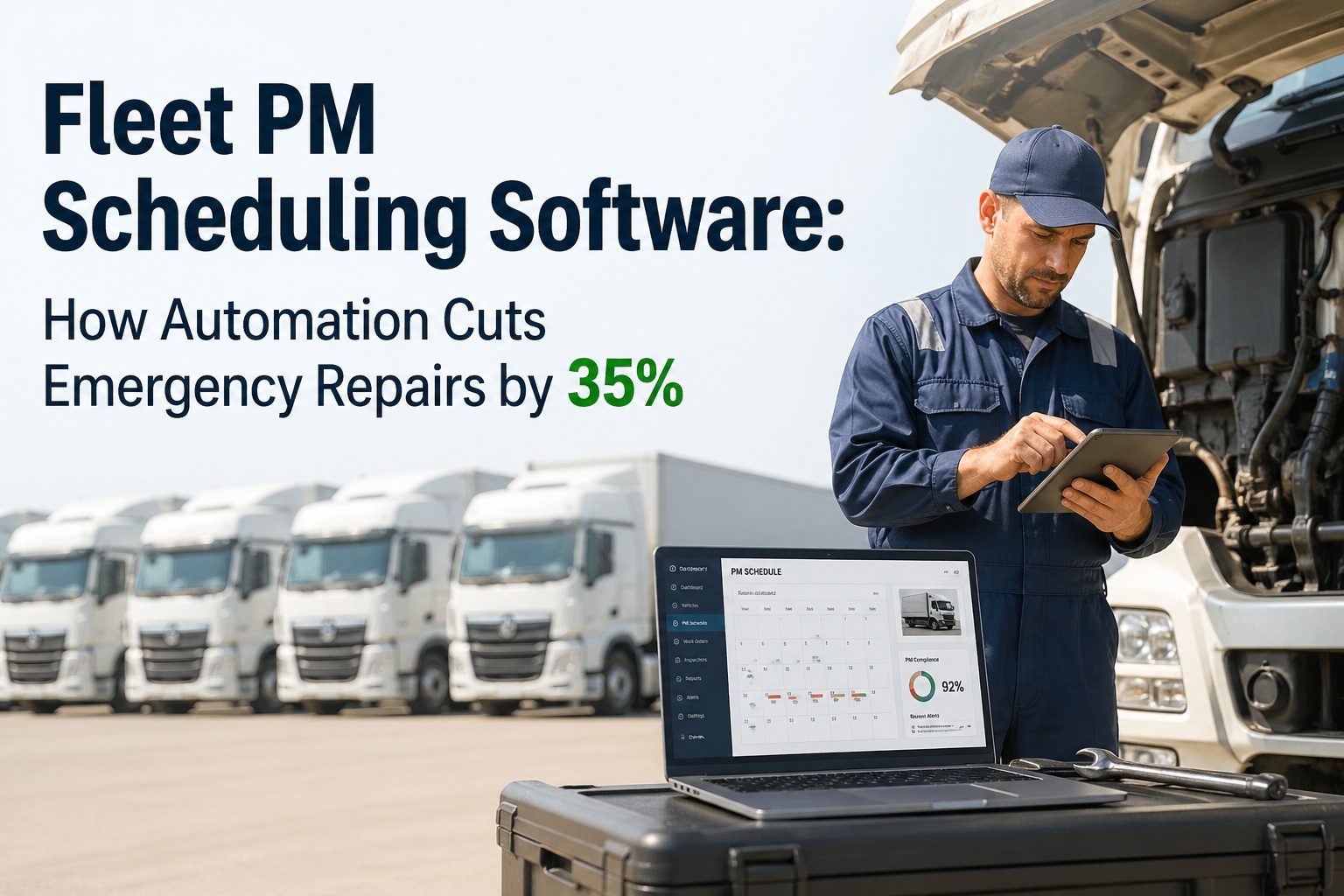
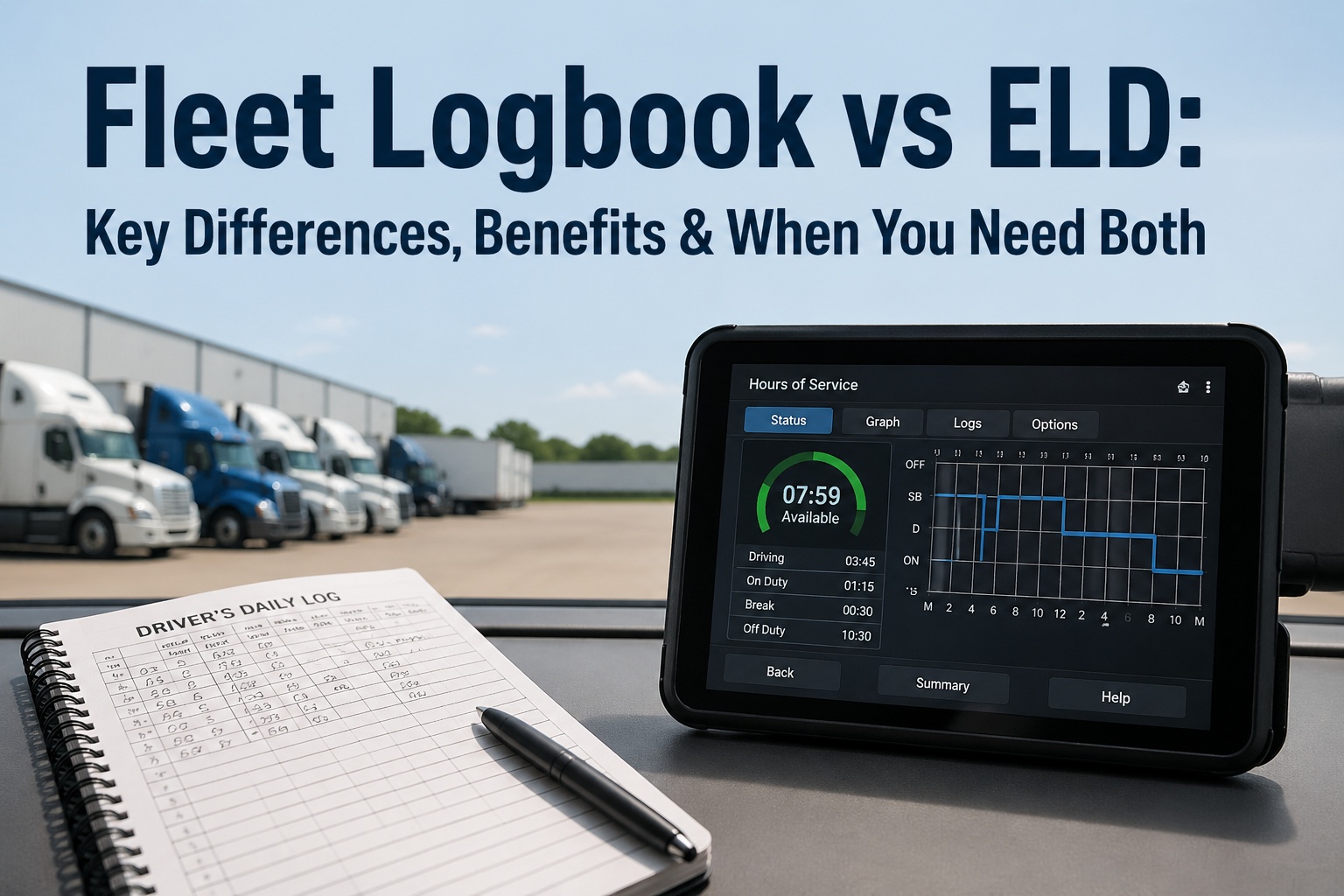
Modern fleet operations are transitioning from paper DVIRs to digital inspection platforms. Digital systems reduce inspection time by 50-67%, improve defect detection by 40%, and create instant, auditable compliance documentation.
Faster Inspections
Digital inspections take 5-10 minutes vs. 20+ minutes for paper. Guided checklists, tap-to-complete interfaces, and photo capture replace handwriting.
Better Accuracy
Required fields prevent skipping items. Photo evidence proves actual inspection occurred. 95-99% defect detection vs. 70-80% for paper.
Instant Alerts
Defects route immediately to maintenance - no paperwork lag. Critical issues trigger instant notifications for immediate attention.
Compliance Ready
All inspections timestamped, geotagged, and signed digitally. Export 90 days of DVIRs in seconds for any audit. 48-hour response becomes trivial.
Implementation Tips for Digital Inspections
Start with One Inspection Type
Begin with pre-trip inspections. Run 1-week pilot with 5-10 drivers. Prove value before expanding to all inspection types.
Train Hands-On, Not Classroom
Studies show zero correlation between tech comfort and adoption speed. Resistance comes from poor training, not driver capability. 95%+ adoption within 30 days when properly implemented.
Require Photo Documentation
Configure system to require photos for brake condition, tire tread, and coupling devices. This prevents pencil-whipping and provides evidence for audits.
Integrate with Maintenance
Connect inspection findings to work order system. Auto-generate work orders for defects above severity threshold. Close the defect-to-repair loop automatically.
Ready to Modernize Your Inspection Process?
HVI's digital inspection platform guides drivers through FMCSA-compliant checklists, captures photo evidence, and creates instant DVIRs that route defects directly to maintenance.