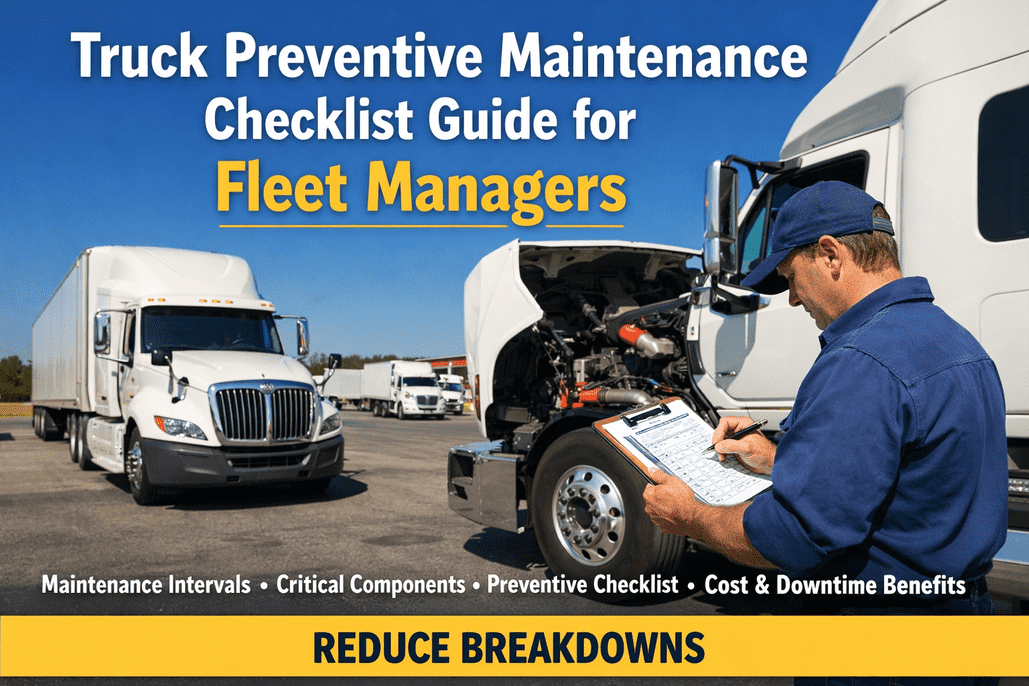
Unplanned breakdowns are the enemy of profitable trucking operations. Every roadside failure means towing costs, emergency repairs at premium rates, missed deliveries, unhappy customers, and drivers sitting idle while revenue evaporates. The solution isn't reactive maintenance—it's a systematic preventive maintenance program that catches problems before they strand trucks. This 2026 guide provides comprehensive PM checklists for commercial trucks, explains optimal maintenance intervals, identifies the components that fail most often, and shows how proper preventive maintenance reduces total cost of ownership while improving fleet reliability. HVI's platform integrates inspection and maintenance tracking to ensure nothing falls through the cracks. Schedule a demo to see how leading fleets manage preventive maintenance.
The Business Case for Preventive Maintenance
Every dollar spent on preventive maintenance saves $4-8 in emergency repairs, towing, and downtime costs. But the real value goes beyond direct savings—PM programs improve driver satisfaction, protect CSA scores, reduce insurance premiums, and extend vehicle life by 30% or more.
Maintenance Interval Guide
Effective PM programs are built on proper intervals. Service too often and you waste money; wait too long and you risk failures. These intervals are based on manufacturer recommendations and industry best practices for Class 7-8 commercial trucks.
PM-A: Basic Service
Every 10,000-15,000 milesQuick service interval focused on fluids, filters, and safety inspection. Can typically be completed in 1-2 hours.
- Engine oil and filter change
- Multi-point safety inspection
- Tire inspection and pressure check
- Fluid level checks and top-off
- Light and electrical check
- Brake visual inspection
PM-B: Intermediate Service
Every 25,000-30,000 milesExpanded service including fuel system, additional filters, and more thorough brake inspection.
- Fuel filter replacement
- Air filter inspection/replacement
- Brake measurement and adjustment
- Steering and suspension inspection
- Drive belt inspection
- Battery and charging system test
PM-C: Comprehensive Service
Every 50,000-60,000 milesMajor service interval with transmission, differential service, and comprehensive system inspection.
- Transmission fluid service
- Differential fluid change
- Coolant system service
- Complete chassis lubrication
- Wheel bearing inspection
- Exhaust system inspection
PM-D: Annual/Major Service
Every 100,000 miles or annuallyAnnual comprehensive service including DOT annual inspection and major component evaluation.
- DOT annual inspection (Appendix G)
- Complete brake system overhaul evaluation
- Suspension component replacement assessment
- Steering system detailed inspection
- Frame and structural inspection
- All fluid analysis and replacement
Critical Component Checklist
Not all truck components are equal—some cause the majority of breakdowns and safety issues. Focus your PM attention on these critical systems to maximize reliability and minimize risk.
Brake System
30% of OOS violations- Measure brake lining thickness (replace at 1/4")
- Check brake drums/rotors for wear and scoring
- Inspect air system for leaks (max 3 PSI/min loss)
- Verify slack adjuster operation and angle
- Test low air warning and spring brake activation
- Inspect brake hoses and chambers
- Check ABS warning lights and sensors
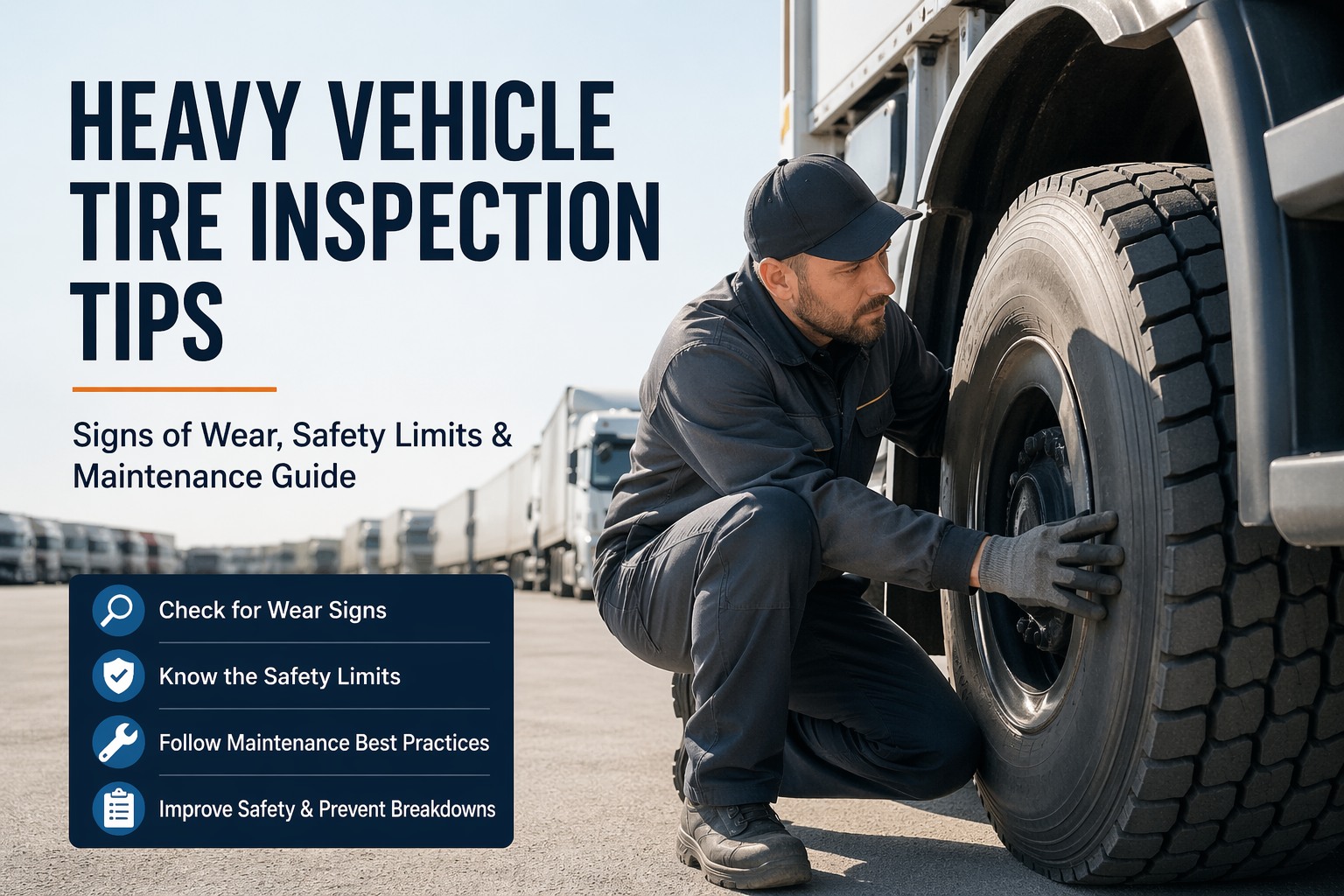
Tires & Wheels
20% of roadside failures- Measure tread depth (steer 4/32", drive/trailer 2/32" min)
- Inspect for cuts, bulges, exposed cords
- Check inflation pressure (cold, all positions)
- Verify matching tires on dual assemblies
- Inspect wheels for cracks and damage
- Check lug nut torque (after first 50-100 miles)
- Inspect valve stems and caps
Engine & Cooling
18% of breakdowns- Change oil and filter per OEM interval
- Replace fuel filters (primary and secondary)
- Inspect/replace air filter element
- Check coolant concentration and condition
- Inspect belts for wear, cracks, tension
- Test thermostat operation
- Inspect radiator, hoses, and clamps
- Check for exhaust leaks
Electrical System
15% of roadside calls- Test battery load and charging system
- Clean and tighten battery connections
- Verify all lights operate (head, tail, marker, brake)
- Check alternator output
- Inspect wiring harnesses for damage
- Test starter draw
- Verify gauge and warning light operation
Steering & Suspension
12% of OOS violations- Check steering wheel play (max 2" at rim)
- Inspect tie rod ends and drag link
- Check king pins for wear
- Inspect leaf springs for cracks, broken leaves
- Verify shock absorber condition
- Check air bags/ride height (if equipped)
- Inspect U-bolts and mounting hardware
Drivetrain
Catastrophic if neglected- Check transmission fluid level and condition
- Inspect differential fluid level and condition
- Check driveshaft U-joints for wear
- Inspect carrier bearings
- Verify clutch adjustment (manual trans)
- Check for fluid leaks at seals
- Listen for unusual drivetrain noise
Never Miss a PM Interval Again
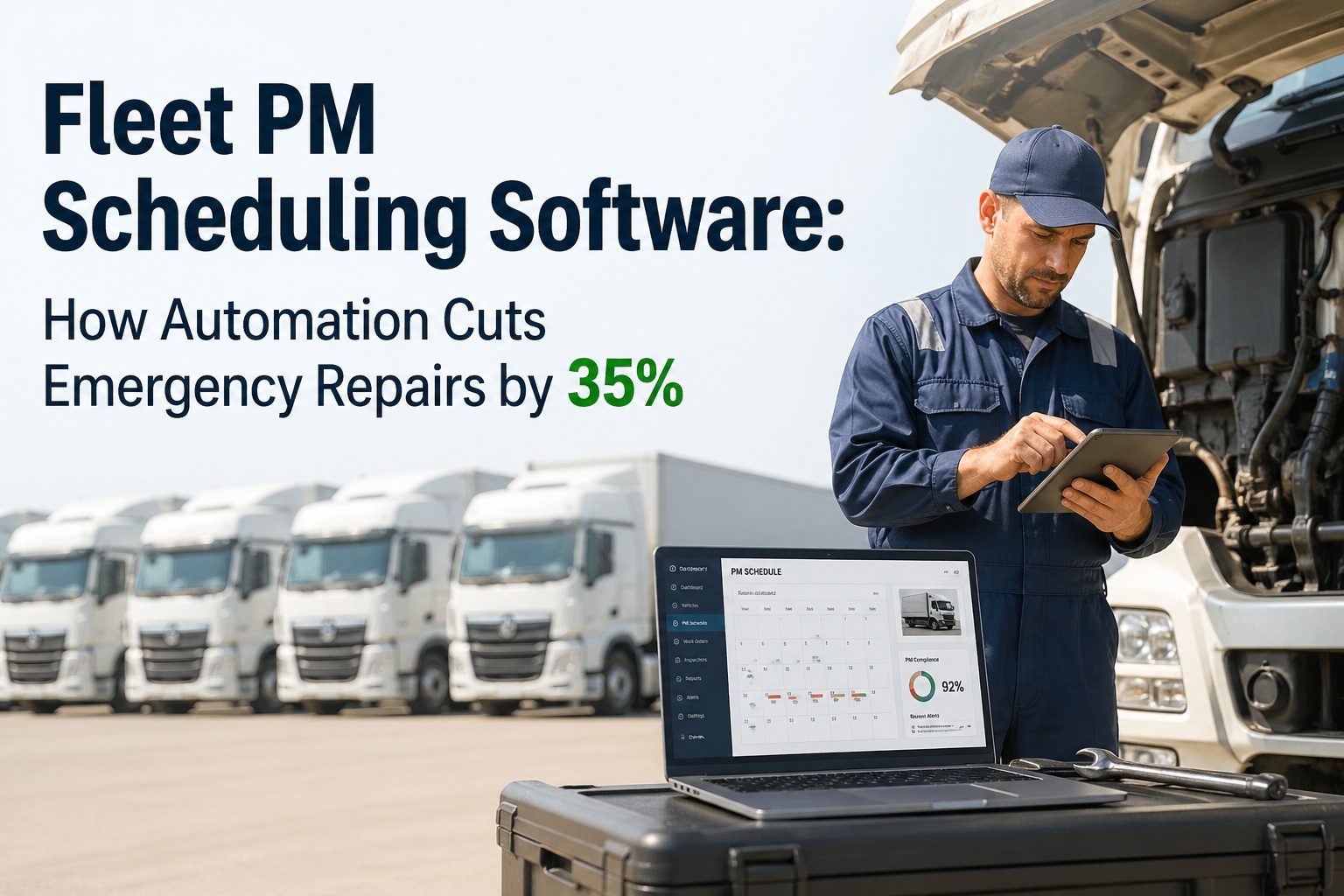
HVI tracks mileage and service dates across your fleet, automatically scheduling PM services and alerting you before trucks are due. Integrate inspection findings with maintenance work orders for seamless fleet management.
Complete PM Checklist by System
Use this comprehensive checklist during PM services. Items are organized by system for efficient workflow through the truck.
Engine Compartment
12 itemsCab Interior
10 itemsBrake System
11 itemsSteering & Suspension
10 itemsTires & Wheels
8 itemsLights & Electrical
9 itemsDrivetrain & Undercarriage
9 itemsCost & Downtime Benefits
The ROI of preventive maintenance is substantial and measurable. Here's what fleets typically see when implementing systematic PM programs.
Scheduled repairs at standard rates vs. emergency repairs at premium rates with towing and expedited parts.
Catching problems before they cause roadside failures keeps trucks moving and drivers productive.
Properly maintained trucks last 300,000+ more miles than neglected equipment.
Clean filters, proper tire pressure, and well-maintained engines use less fuel per mile.
PM programs that include inspections catch issues before DOT officers find them.
Documented maintenance history significantly increases trade-in and resale values.
Quick ROI Example: 50-Truck Fleet
- Average 4 breakdowns/truck/year
- Average breakdown cost: $2,500
- Total breakdown cost: $500,000/year
- Plus lost revenue from downtime
- Reduce breakdowns by 68%
- PM program cost: ~$100,000/year
- Breakdown cost: $160,000/year
- Net savings: $240,000/year
Building Your PM Program
Implementing an effective preventive maintenance program requires more than just checklists. Here's a framework for building a program that delivers results.
Establish Baseline
Document current breakdown rates, maintenance costs, and vehicle condition. You can't measure improvement without knowing where you started.
- Track breakdowns by type and cause
- Calculate current cost per mile
- Assess current vehicle conditions
- Review historical maintenance records
Set Intervals & Standards
Define PM intervals based on manufacturer recommendations, duty cycle, and fleet-specific factors. Document what's included in each service level.
- Define PM-A, B, C, D intervals
- Create detailed checklists per interval
- Establish quality standards
- Set defect severity classifications
Implement Tracking System
Use software to track mileage, schedule services, and document completed work. Paper systems can't scale or provide the visibility you need.
- Track mileage/hours by unit
- Automate PM scheduling
- Document all work performed
- Link inspections to maintenance
Train & Hold Accountable
Technicians need to understand the PM standards and why they matter. Operators need to understand their role in the inspection process.
- Train technicians on PM procedures
- Train operators on pre-trip inspections
- Establish accountability metrics
- Review and coach regularly
Measure & Improve
Track KPIs to measure program effectiveness. Use data to identify problem vehicles, adjust intervals, and continuously improve.
- Monitor breakdown rates
- Track PM completion rates
- Analyze cost trends
- Adjust based on results
Ready to implement a PM program that delivers measurable results? HVI's platform provides the tracking, scheduling, and documentation tools you need—integrated with driver inspections for complete fleet visibility. Schedule a demo to see how it works for your operation.
Frequently Asked Questions
Reduce Breakdowns Across Your Fleet
HVI's platform combines inspection tracking, PM scheduling, and maintenance documentation in one system—ensuring your trucks stay on the road and out of the shop. Start preventing breakdowns instead of reacting to them.
No credit card required • Integrates with your shop workflow • Setup in under 10 minutes