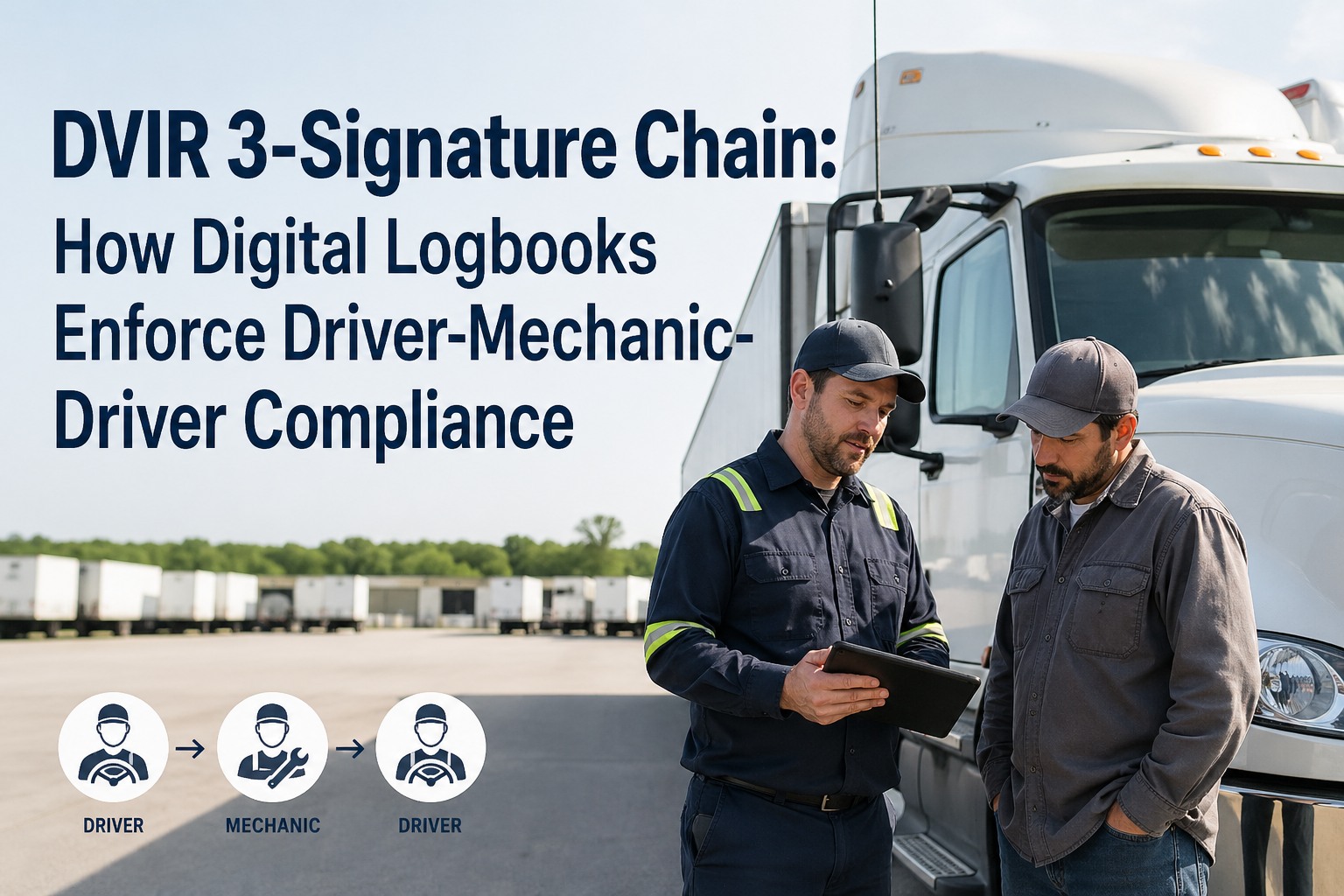
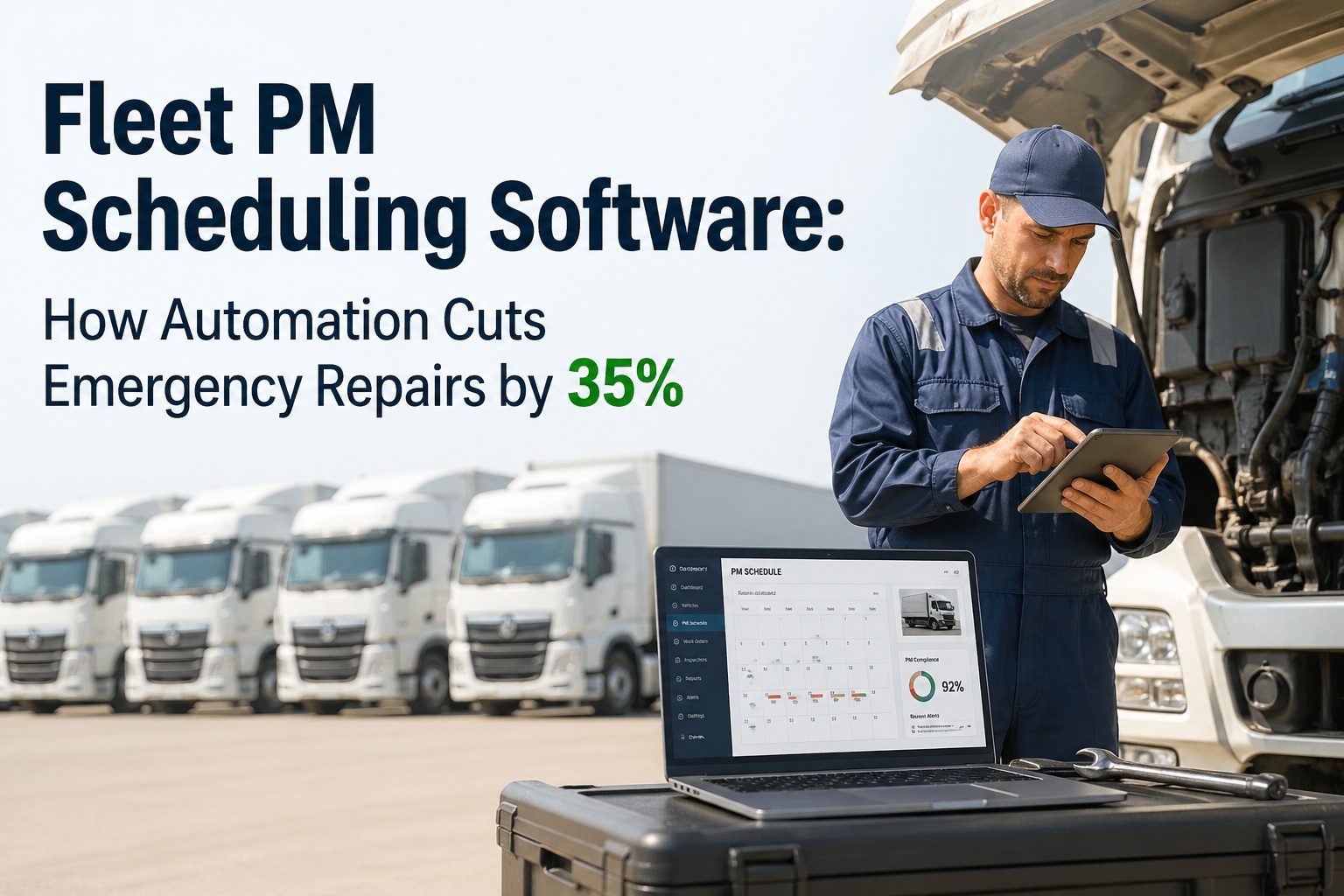
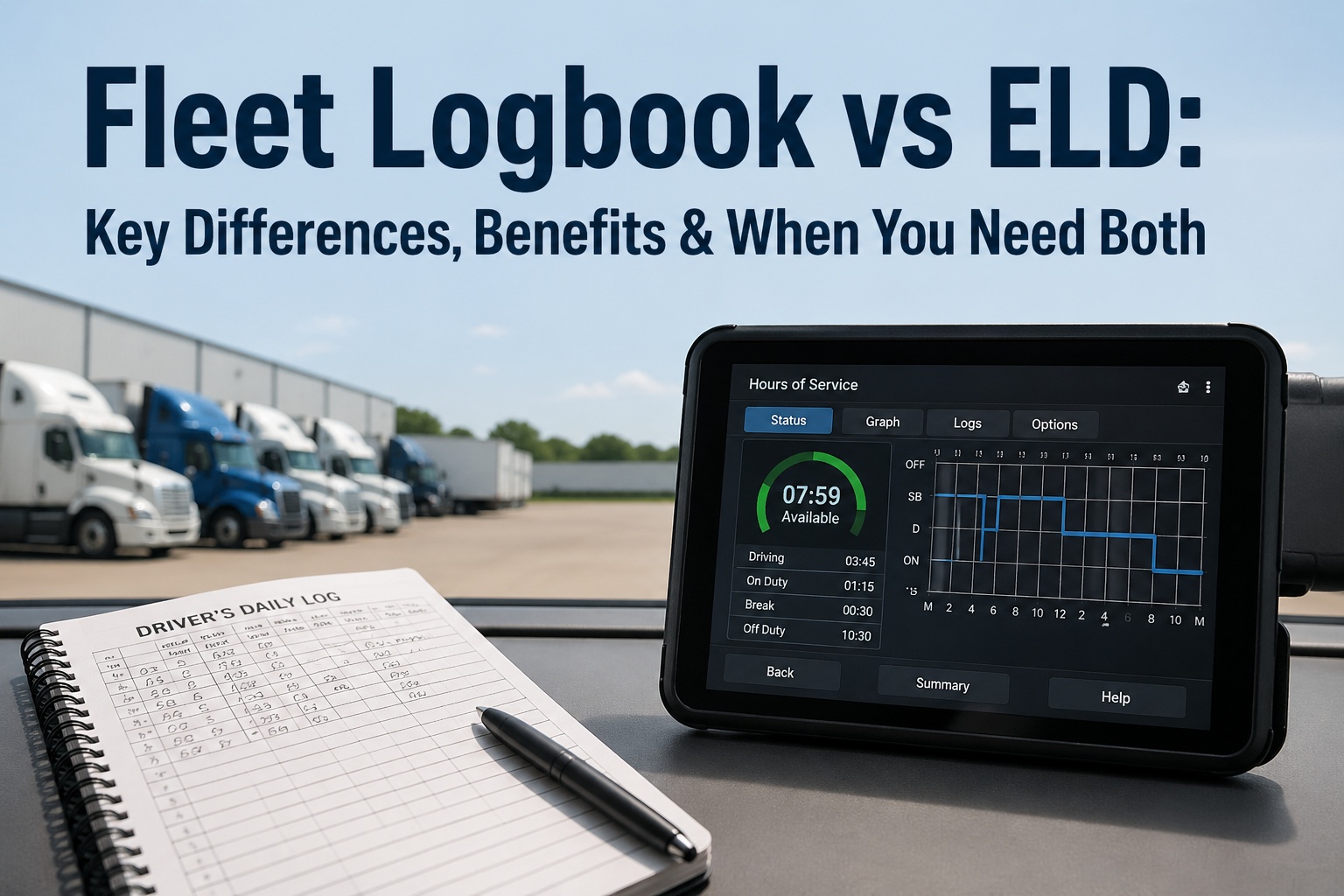
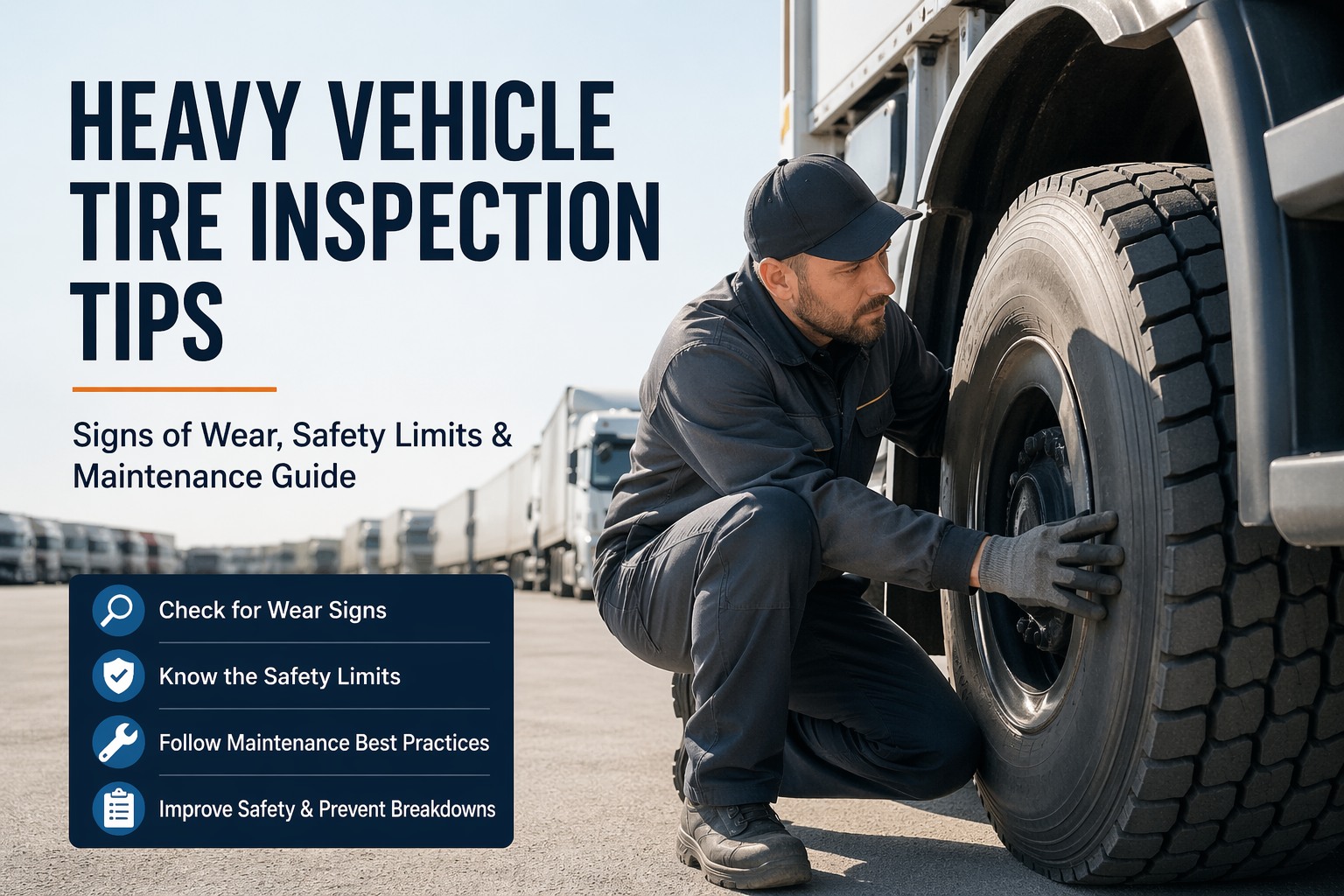
Paper inspection forms still account for nearly a third of all fleet DVIR documentation—and they're failing. Research shows 43% of vehicles have at least one critical issue missed on paper checklists that digital systems would have caught. Drivers spend 20+ minutes per paper inspection versus 5-10 minutes digitally. Records get lost, defects go unreported, and "pencil whipping" turns compliance documentation into fiction. Meanwhile, FMCSA auditors expect organized, retrievable records within 48 business hours—a demand that paper-based fleets consistently struggle to meet. The shift to digital vehicle inspection software isn't optional anymore; it's the dividing line between compliant fleets and vulnerable ones. This 2026 comparison evaluates the top vehicle inspection software platforms by the features that matter most: inspection depth, DVIR compliance, defect resolution workflows, mobile capabilities, and audit readiness. Sign up for HVI to see why inspection-first software outperforms bolt-on tools, or book a demo to compare it against your current process.
Why Digital Vehicle Inspections Matter
Vehicle inspections are the most frequent touchpoint between drivers and fleet safety—happening twice per shift, every operating day, on every vehicle. The quality of that touchpoint determines whether defects are caught early or discovered by roadside inspectors, whether maintenance is proactive or reactive, and whether compliance documentation survives an audit or crumbles under scrutiny.
More than two-thirds of commercial fleets have transitioned to digital inspection systems. The remaining paper-dependent fleets face widening competitive gaps in compliance readiness, defect detection rates, and insurance positioning.
Digital inspection systems achieve 95-99% defect detection accuracy versus 70-80% for paper forms. Required fields prevent skipping items, photo documentation verifies actual inspection, and time tracking identifies rushed or incomplete checks.
Early detection catches issues when they're minor fixes—brake pads before they damage rotors, oil leaks before engine damage, tire wear before blowouts. Digital inspections shift maintenance from emergency repair to scheduled prevention.
Savings come from reduced repair costs, lower recordkeeping overhead, insurance premium reductions from better CSA scores, and avoided downtime. Most fleets achieve positive ROI within 6-12 months of implementation.
FMCSA DVIR Requirements (49 CFR 396.11 / 396.13)
FMCSA requires commercial motor vehicle drivers to complete a written inspection report at the completion of each day's work on each vehicle operated. The report must cover at minimum: service brakes, parking brake, steering mechanism, lighting devices, tires, horn, windshield wipers, rear vision mirrors, coupling devices, wheels and rims, and emergency equipment. Motor carriers must retain DVIRs for at least 3 months. Drivers of passenger-carrying CMVs must submit a report regardless of whether defects are found; non-passenger CMV drivers only when defects are discovered.
Struggling with paper-based inspections? Start your free HVI trial to experience digital inspections with photo verification and automated DVIR compliance, or schedule a demo for a personalized walkthrough.
Top Inspection Software Platforms
We evaluated inspection software platforms specifically on their inspection capabilities—not their GPS tracking or route optimization. For construction and trucking fleets, the inspection workflow is the foundation of compliance and maintenance. Here are the platforms that perform best where inspections matter most:
HVI (Heavy Vehicle Inspection)
Best for: Heavy Vehicle Inspection & DOT ComplianceHVI is the purpose-built inspection platform for heavy vehicle fleets. Where other tools treat inspections as one feature among many, HVI was designed from the ground up around the inspection-to-maintenance workflow that construction and trucking fleets depend on for safety, compliance, and uptime.
- Guided pre-trip and post-trip inspection workflows
- Photo-verified inspections with GPS timestamps
- FMCSA-compliant DVIR generation (49 CFR 396.11/396.13)
- Custom inspection templates by vehicle/equipment type
- Automated defect-to-work-order pipeline
- DOT annual inspection tracking (49 CFR 396.17)
- Real-time inspection completion dashboards
- Offline mobile app for remote job sites
- Audit-ready documentation with retention management
- Multi-asset support: trucks, trailers, heavy equipment
- Inspection-first architecture—not a bolt-on feature
- Photo proof eliminates pencil whipping entirely
- Defects auto-trigger work orders instantly
- Operational in under 10 minutes—no hardware required
- Built specifically for heavy-duty and construction assets
- Comprehensive CSA score protection through proactive data
Fleet Rabbit
Best for: CMMS-Integrated Inspection WorkflowsFleet Rabbit pairs deep inspection capabilities with a full Computerized Maintenance Management System (CMMS), making it the strongest choice for fleets that need inspection workflows tightly coupled with work order management, parts tracking, and maintenance scheduling across multiple industries.
- Digital inspection forms with photo documentation
- DVIR compliance and electronic reporting
- Inspection-to-work-order automation
- Customizable checklists for multiple asset types
- Preventive maintenance triggered by inspection data
- Multi-industry templates (trucking, construction, transit)
- Compliance monitoring and document management
- AI-powered inspection analysis capabilities
- Full CMMS depth behind inspection workflows
- AI-driven inspection insights for early detection
- Parts inventory tracking linked to inspection defects
- Multi-location fleet management
- Scalable from small fleets to enterprise operations
- Telematics integrations for holistic fleet view
Whip Around
Best for: DVIR-Focused Daily InspectionsWhip Around is a dedicated inspection and fleet maintenance platform with strong daily DVIR workflows. Its mobile app emphasizes driver adoption with minimal training, push notifications for defect alerts, and customizable inspection forms that support DOT compliance.
- Strong daily DVIR and pre/post-trip workflows
- AI Inspections Pro for photo verification
- Easy driver adoption with minimal training curve
- Push notifications for instant defect alerts
- Customizable inspection forms and dashboards
- DOT compliance documentation
- Maintenance module only on higher-tier plans
- Mobile app has limited reporting/alert functionality
- No native GPS or telematics capability
- Analytics depth less robust than full CMMS platforms
- Limited heavy equipment-specific templates
Fleetio
Best for: Maintenance-First Fleets Needing InspectionsFleetio is a fleet maintenance management platform with solid inspection capabilities. Its mobile app (Fleetio Go) guides drivers through DVIR-compliant inspections, and defects can trigger work orders within the broader maintenance management system.
- DVIR-compliant inspection workflows with Fleetio Go
- Custom inspection forms with photo capture
- Defects link directly to work orders
- Inspection history with color-coded status views
- Over 1M fleet assets managed globally
- Unlimited users on all plans
- Inspections are part of broader fleet tool—not primary focus
- No native GPS tracking (requires third-party integration)
- Advanced inspection features locked to premium tiers
- Limited offline inspection capability
- No 24/7 support for inspection issues
Samsara
Best for: Telematics Fleets Adding InspectionsSamsara provides DVIR workflows as part of its comprehensive telematics and fleet management platform. Inspections integrate with its ELD, GPS tracking, and AI dash cam ecosystem, making it useful for fleets that already invest in Samsara hardware.
- DVIR integrated with ELD/HOS compliance
- Inspection data links to vehicle diagnostics
- AI dash cam footage supplements inspection data
- Real-time fleet maintenance reports
- Mobile driver app rated highly on both platforms
- Extensive third-party integration marketplace
- Inspections are secondary to GPS/telematics focus
- Requires hardware investment for full functionality
- Long-term contract commitment required
- Less customizable inspection templates than dedicated tools
- Better suited for on-road trucks than construction equipment
Driveroo
Best for: Visual Inspection WorkflowsDriveroo takes a visual-first approach to inspections, showing drivers exactly what to check with interactive diagrams and guided photo capture. Its visual DVIR system is particularly effective for fleets with mixed asset types and drivers who benefit from visual prompts over text-based checklists.
- Visual inspection interface with interactive diagrams
- Photo and video capture with guided prompts
- QR code scanning for quick vehicle identification
- Auto-generated work orders from inspection defects
- Customizable visual templates for any asset type
- Tractor-trailer combination DVIR workflows
- Smaller market presence than enterprise competitors
- Limited fleet management features beyond inspections
- Fewer third-party integrations available
- Maintenance depth less robust than full CMMS tools
- Reporting capabilities still maturing
Geotab Drive
Best for: ELD-Integrated DVIR ComplianceGeotab Drive combines DVIR, ELD compliance, driver identification, and messaging in a single driver app. For fleets already using Geotab hardware for telematics, the DVIR module integrates seamlessly with vehicle diagnostics and maintenance data.
- DVIR integrated with ELD, driver ID, and messaging
- Diagnostic Trouble Code (DTC) integration
- Real-time compliance monitoring via MyGeotab
- Strong electric vehicle fleet management
- FMCSA-compliant inspection documentation
- Extensive marketplace for add-on solutions
- Requires Geotab hardware ecosystem investment
- Inspection customization more limited than dedicated tools
- Primary focus is telematics, not inspections
- Less suited for off-road construction equipment
- Photo documentation less robust than inspection-first platforms
Comparison by Features
When evaluating inspection software, the differences that matter aren't always obvious from marketing pages. Here's how these platforms compare across the features that directly impact inspection quality, compliance outcomes, and maintenance effectiveness:
| Feature | HVI | Fleet Rabbit | Whip Around | Fleetio | Samsara | Driveroo | Geotab |
|---|---|---|---|---|---|---|---|
| Guided Inspection Workflows | ✓ Full | ✓ Full | ✓ Full | ✓ Full | Partial | ✓ Visual | Partial |
| Photo-Verified Inspections | ✓ Required | ✓ Yes | ✓ AI-Powered | ✓ Optional | Limited | ✓ Guided | Basic |
| FMCSA-Compliant DVIR | ✓ | ✓ | ✓ | ✓ | ✓ | ✓ | ✓ |
| Defect-to-Work-Order Auto | ✓ Auto | ✓ Auto | Manual | ✓ Auto | Manual | ✓ Auto | Via Add-on |
| Custom Templates by Asset | ✓ Extensive | ✓ Multi-Industry | ✓ Good | ✓ Good | Limited | ✓ Visual | Basic |
| Offline Mobile Capability | ✓ Full | ✓ Yes | Partial | Limited | Limited | ✓ Yes | Partial |
| Annual DOT Inspection Tracking | ✓ Built-In | ✓ Built-In | Basic | Add-on | Basic | — | Basic |
| Audit-Ready Record Retention | ✓ Managed | ✓ Managed | ✓ Auto | ✓ Auto | ✓ Cloud | ✓ Cloud | ✓ Cloud |
| Heavy Equipment Support | ✓ Core | ✓ Multi-Asset | Some | Some | Limited | ✓ Any Asset | Road Vehicles |
| Setup Time | Minutes | Same Day | Same Day | Days | Weeks-Months | Same Day | Weeks-Months |
Need the deepest inspection capabilities without the complexity of enterprise telematics? Try HVI free and see why inspection-first platforms deliver better compliance outcomes, or book a walkthrough to compare features side by side.
Mobile vs. Paper Inspections
The paper-to-digital transition isn't just a technology upgrade—it fundamentally changes inspection quality, compliance posture, and maintenance outcomes. Here's a detailed comparison of how the two approaches perform across every dimension that matters:
20+ minutes per inspection. Manual writing, flipping pages, and lack of guided prompts lead to longer completion times and driver frustration.
5-10 minutes per inspection. Tap-to-complete interfaces, guided workflows, and pre-populated vehicle data cut inspection time by more than half.
70-80% accuracy. Drivers skip items, rush through forms, and pencil whip without actually inspecting. 43% of vehicles have critical issues missed on paper checklists.
95-99% accuracy. Required fields prevent skipping, photo documentation verifies actual inspection, and time tracking identifies rushed or incomplete checks.
Hours to days. Paper forms are handed over at end of shift or work week. Mechanics receive defect information late, often with illegible or incomplete descriptions.
Instant to hours. Defects are reported in real time with photos, auto-routed to maintenance, and can generate work orders before the driver finishes the inspection.
Stressful and risky. Physical files can be lost, damaged, or misfiled. Finding specific records during an audit requires manual searching through filing cabinets.
Instant retrieval. 63x faster record retrieval than paper. Searchable, organized, and always accessible. Auditors receive complete documentation in moments.
No visibility. Paper creates information black holes. Fleet managers don't know which vehicles were inspected, what defects exist, or whether repairs were completed.
Real-time dashboards. See inspection completion rates, defect trends, repair status, and compliance gaps across the entire fleet—from any device, at any time.
Weak defense. Paper DVIRs show "OK" checked for brakes, but cannot prove the driver actually inspected them. Plaintiff attorneys exploit this gap in nuclear verdict litigation.
Strong evidence trail. Timestamped photos, GPS-verified locations, digital signatures, and complete component documentation create defensible proof of thorough inspections.
Annual Impact: 50-Vehicle Fleet Switching from Paper to Digital
HVI Inspection Advantage
HVI exists because heavy vehicle fleets were underserved by general-purpose fleet software. Telematics platforms treat inspections as a checkbox. Maintenance tools offer basic DVIR forms. But none of them were built around the inspection-to-maintenance workflow that determines whether a fleet passes DOT audits, avoids roadside violations, and keeps vehicles operating safely.
Every feature in HVI was designed to support thorough, verifiable inspections. This isn't a telematics platform with inspections bolted on—it's an inspection platform built for the demands of heavy-duty DOT compliance.
Drivers photograph specific components during inspection. GPS timestamps and device verification confirm inspections happen at the right time, right location, on the right vehicle. This documentation is invaluable during audits and litigation.
When a driver flags a defect, HVI instantly generates a work order, notifies the maintenance team, and tracks repair through completion and certification—without manual handoffs or paper trails.
Inspection templates are designed for commercial trucks, trailers, excavators, loaders, cranes, and specialized vehicles—aligned with FMCSA Appendix A/G standards and industry-specific requirements.
Construction sites, remote routes, and rural locations often lack reliable connectivity. HVI's mobile app completes full inspections with photos offline, syncing automatically when signal returns.
No hardware installation, no IT project, no weeks of configuration. Download the app, configure templates, and start inspecting in under 10 minutes. Drivers achieve proficiency within 2-3 supervised inspections.
Frequently Asked Questions
See Why Inspection-First Software Makes the Difference
For construction and trucking fleets, inspection quality determines compliance outcomes, maintenance costs, and legal exposure. HVI delivers the deepest inspection workflow available—purpose-built for heavy vehicles, operational in minutes, and designed to protect your fleet from violations, breakdowns, and litigation.
No credit card required • No hardware needed • Setup in under 10 minutes