Every fleet manager knows the sting: a truck breaks down mid-route, a $500 brake pad replacement turns into a $15,000 emergency repair, and an FMCSA auditor finds six violations averaging $7,155 each. The difference between fleets that thrive and those that hemorrhage money? A disciplined preventive maintenance (PM) program. This 2026 guide gives you the exact schedules, checklists, KPIs, and digital strategies to cut unplanned downtime, slash repair costs, and stay audit-ready year-round. Sign up for HVI to digitize your PM program today, or book a demo to see inspection-driven maintenance in action.
What Is Preventive Maintenance?
Preventive maintenance is the practice of servicing vehicles and equipment on a regular, planned schedule—before problems occur—rather than waiting for something to break. It includes inspections, fluid changes, filter replacements, component checks, and everything else that keeps your fleet road-ready and compliant. Think of it as the difference between visiting the dentist for a cleaning versus waiting until you need a root canal.
Fix it after it breaks. Emergency repairs carry 150-200% cost premiums. Unplanned downtime, tow trucks, angry customers.
Service on a fixed schedule. Catches 80% of common failures. Reduces breakdowns and extends asset life significantly.
Digital inspections feed directly into work orders. Real-time defect tracking. Zero compliance gaps. This is the HVI approach.
Preventive Maintenance Schedules
A PM schedule is only as good as its fit to your fleet. Trucks run on miles, construction equipment runs on engine hours, and some assets need calendar-based service regardless of usage. The key is building tiered intervals - daily, short-cycle, and major service - tailored to each asset type in your fleet.
Mile-Based PM Schedule
Oil and filter change, tire pressure and tread check, brake adjustment inspection, all fluid levels, belt and hose visual check, lights and signals test
Everything in PM-A plus: fuel filter replacement, air filter inspection/replacement, coolant system test, steering and suspension check, wheel bearing inspection, exhaust system review
Everything in PM-B plus: transmission service, differential fluid change, comprehensive brake overhaul, full electrical system test, DOT annual inspection items, emission system service (DPF cleaning)
Hour-Based PM Schedule
Clean radiator and oil cooler, check air filter, inspect hydraulic hoses, grease all fittings, verify track/tire adjustment, check fluid levels
Engine oil and filter change, air filter inspection (replace if needed), coolant condition test, hydraulic hose detailed inspection, undercarriage wear measurement
Full hydraulic fluid replacement, swing bearing inspection, complete electrical system check, comprehensive undercarriage service, all filters replaced, structural weld inspection
The Daily Non-Negotiable: Pre-Trip Inspection
Before every shift, every vehicle. A 10-15 minute walkaround that catches developing issues - worn brake pads, low tire tread, fluid leaks, cracked hoses - before they become roadside failures. This single habit prevents the majority of common breakdowns and is required by FMCSA regulation (49 CFR 396.13). The most effective PM programs treat daily inspections as the foundation, not an afterthought.
PM Checklists by Vehicle Type
A one-size-fits-all checklist misses critical items. Your dump trucks have different wear points than your flatbeds, and your excavators need checks that your semis don't. Here are the inspection points that matter most by asset type - the items your drivers and operators should verify during every walkaround.
Class 7-8 Trucks
Excavators and Loaders
Trailers and Flatbeds
5 KPIs Every Maintenance Team Must Track
You can't improve what you don't measure. These five KPIs separate high-performing maintenance operations from those constantly fighting fires. Track them weekly, review them monthly, and watch your fleet health transform.
PM Compliance Rate
The single most important maintenance metric. High compliance means your team services assets before failures happen. Target: 95%+
Vehicle Uptime %
Every hour a truck sits idle is lost revenue. Improving uptime requires reliable PM execution and fast repair turnaround. Target: 95%+
Scheduled vs. Unscheduled Ratio
A high ratio signals control and predictability. Fleets that stay ahead of repairs spend less on emergency labor and expedited parts. Target: 3:1 or better
Cost Per Mile / Hour
Tracks whether your PM investment is paying off. Rising costs flag aging assets or ineffective maintenance practices. Target: Trending downward
Repeat Repair Rate
Reveals whether repairs are done right the first time. High rates point to parts quality issues or technician training gaps. Target: Under 3%
DOT Compliance and Your PM Program
Preventive maintenance isn't optional - it's federally mandated. The FMCSA requires documented inspection and maintenance programs under 49 CFR Part 396. In 2025, focused audits hit their highest level in five years, with auditors averaging six violations per carrier and penalties averaging $7,155 per case. Here is what your PM program must include to stay compliant.
Going Digital: PM with HVI
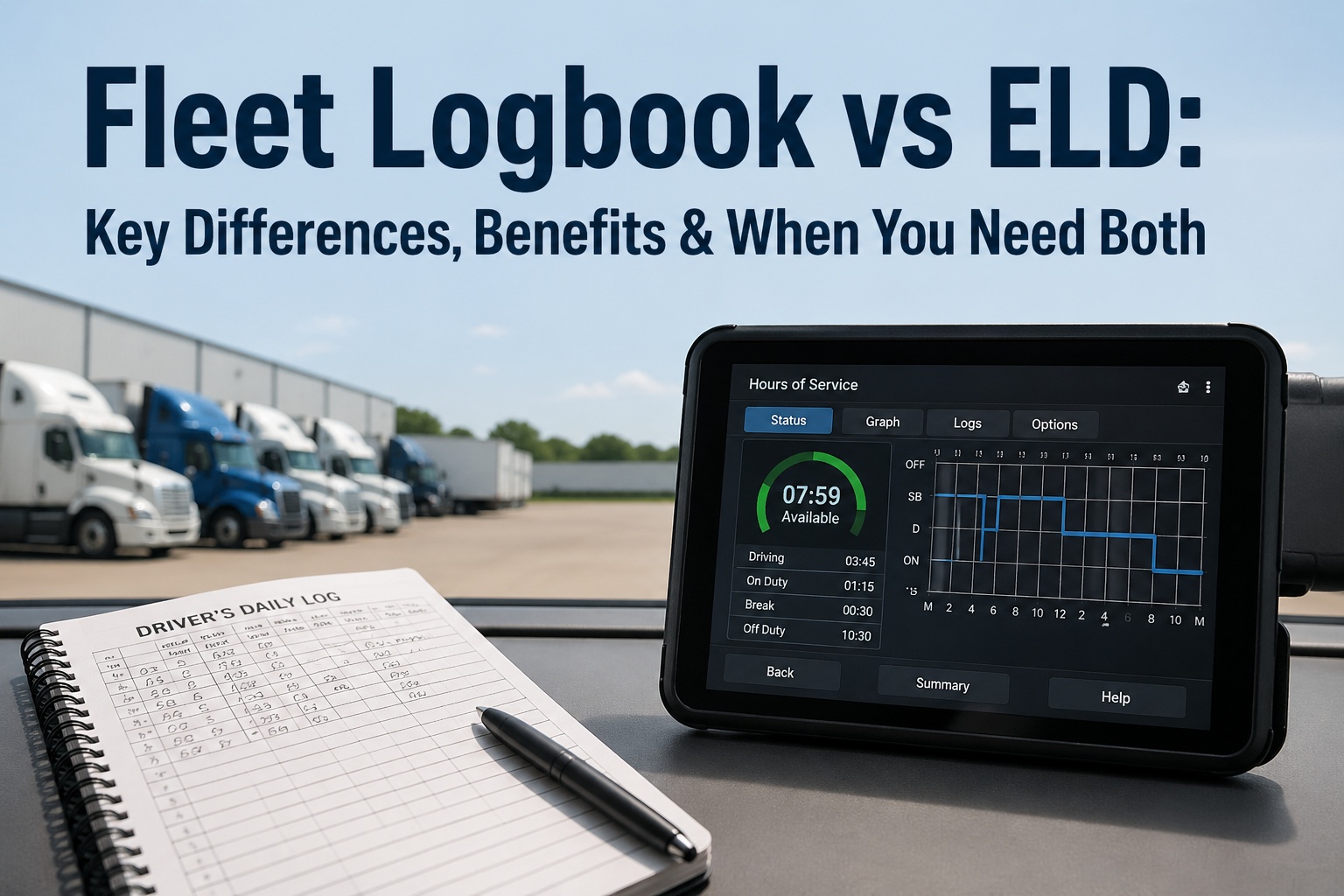
Spreadsheets and paper checklists can't keep up with modern compliance requirements. When an FMCSA auditor asks for 14 months of inspection records, you need them instantly - organized, timestamped, and photo-verified. That is where digital preventive maintenance changes everything.
Guided checklists by vehicle type. Photo-verified. GPS-stamped. Works offline on remote job sites. Takes minutes, not guesswork.
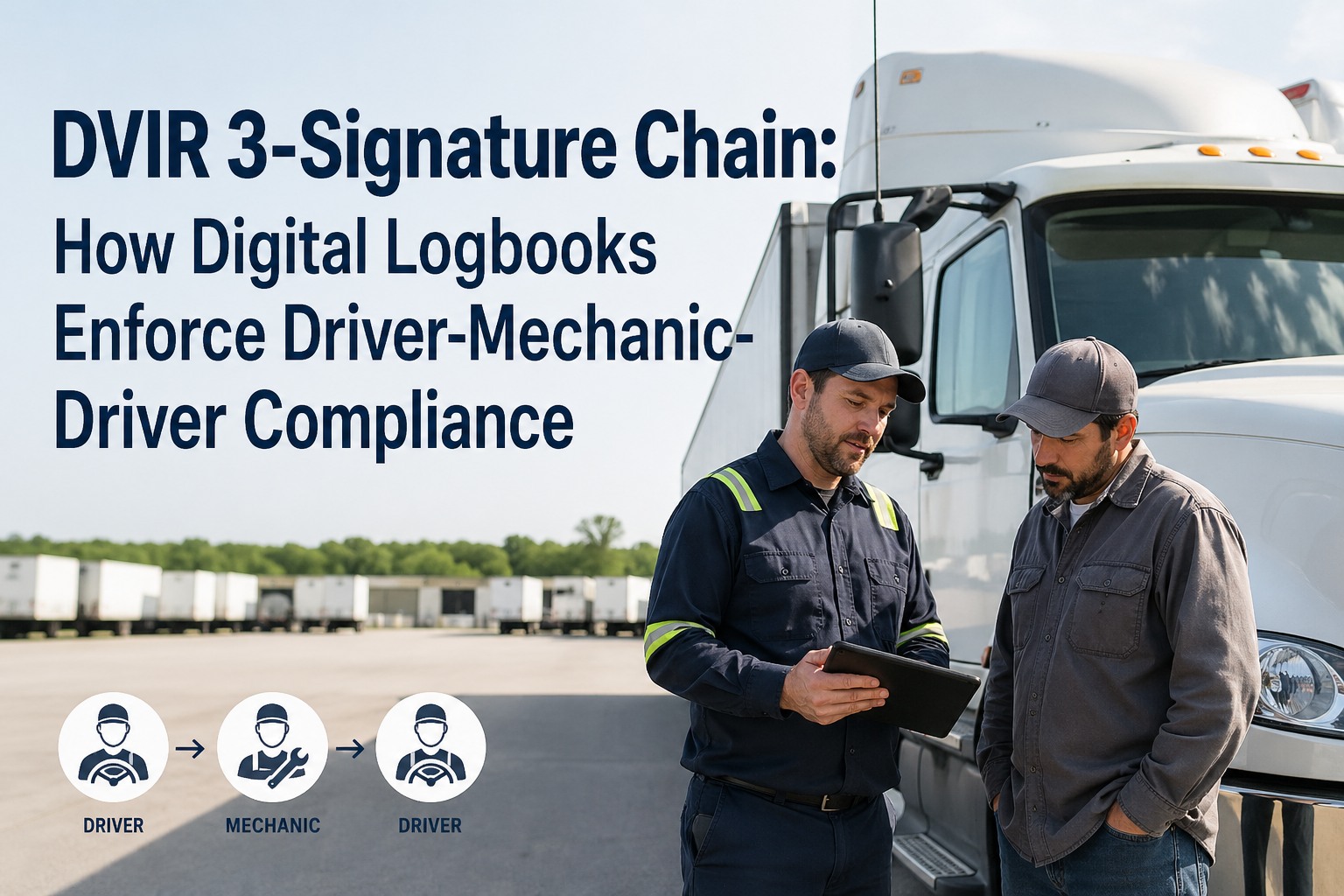
No paper handoffs. No forgotten verbal reports. Brake issue flagged at 6 AM? Maintenance has a work order by 6:01 AM.
Mechanic logs the fix. Manager certifies completion. Vehicle cleared for dispatch. Full audit trail created automatically.
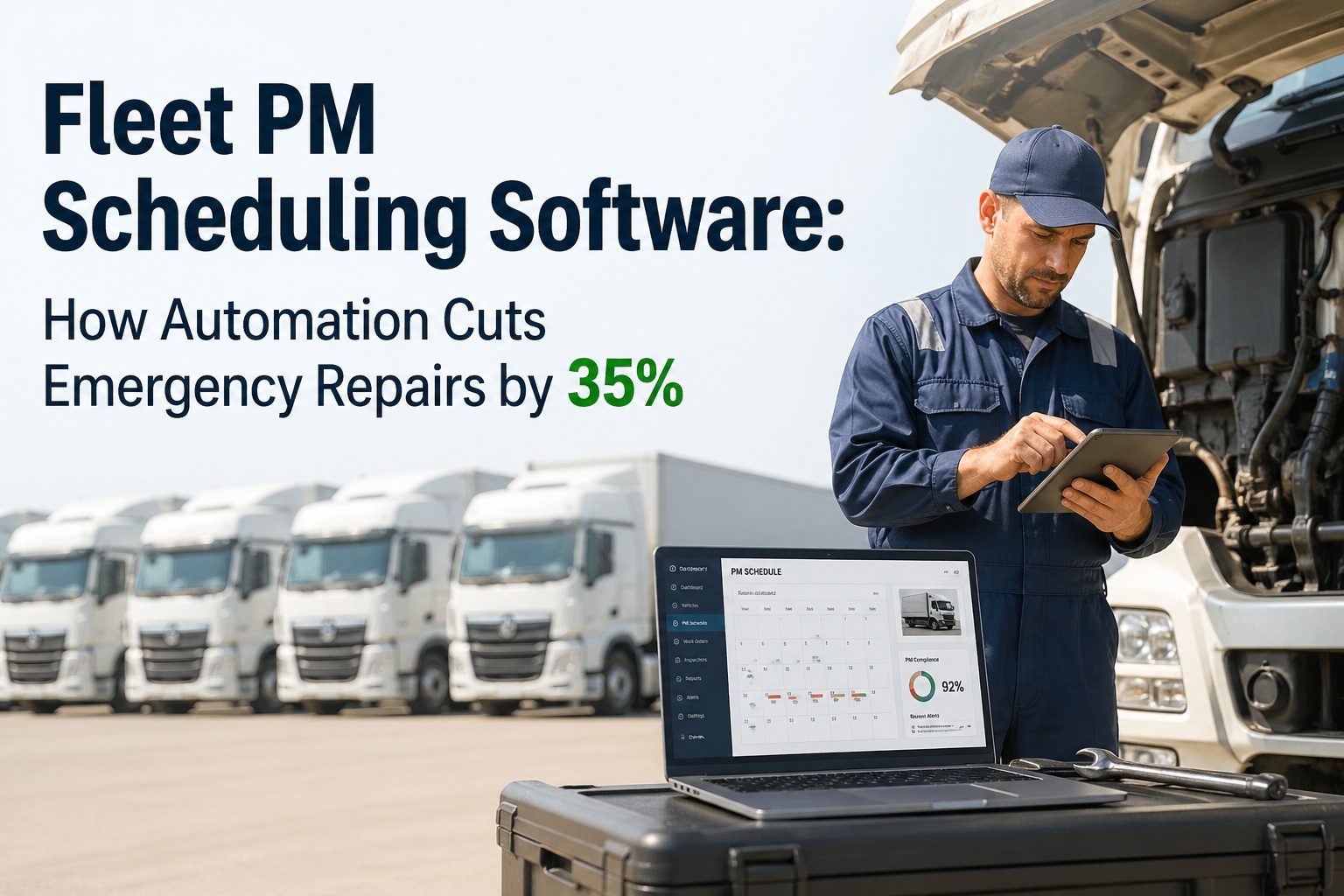
Real-time visibility: PM compliance rates, overdue services, fleet health scores, and audit-ready reports - all in one place.
Why Fleets Choose HVI for Preventive Maintenance
Templates designed for trucks, trailers, excavators, and specialty equipment - not consumer cars.
Eliminates pencil-whipping. Every inspection backed by timestamped photographic evidence.
Construction sites and rural routes with no signal? Inspections still happen. Data syncs when connectivity returns.
No hardware installation. No IT project. Download, configure, and start inspecting the same day.
Automatic DVIR generation meeting 49 CFR 396.11/396.13 with proper retention management.
14-month document retention, organized and searchable. When auditors arrive, you are ready in seconds.
Frequently Asked Questions
Build a Bulletproof PM Program - Starting Today
Your fleet's preventive maintenance program is the difference between predictable operations and costly surprises. HVI gives you the digital inspection foundation that makes everything else work - from automated work orders to audit-ready compliance documentation.
No credit card required - No hardware needed - Setup in under 10 minutes