Preventive maintenance checklists are the difference between fleets that run smoothly and those that constantly fight breakdowns. Research shows fleets using standardized PM checklists reduce unexpected failures by 85% and cut maintenance costs by up to 40%. Yet 70% of fleet managers still rely on reactive maintenance—fixing trucks after they break instead of preventing failures before they happen. This 2026 guide provides free downloadable PM checklists for Class A, B, C, and D services, explains the specific mileage intervals for trucks and heavy equipment, and shows how digital checklist systems outperform paper-based programs. Whether you manage 5 trucks or 500, these templates and best practices will transform your maintenance program. HVI's platform provides customizable digital PM checklists with automated scheduling and DOT compliance tracking. Schedule a demo to see PM workflow automation in action.
Why PM Checklists Matter
A PM program without standardized checklists is just a schedule. Checklists transform scheduled downtime into systematic reliability improvement—ensuring consistency, catching problems early, and creating the documentation that protects you during DOT audits.
Same 25-40 items checked every service, regardless of which technician performs the work
Catch 3x more developing defects before they become roadside failures
Audit-ready records proving systematic maintenance for DOT and insurance
$3-5 return for every $1 invested in structured PM programs
PM Class A, B, C & D Service Intervals
Most fleet PM programs use a tiered system with four service levels. Each level builds on the previous, ensuring comprehensive coverage without redundant work at every service. Understanding these intervals is critical for building effective checklists.
Important: Intervals vary by manufacturer and duty cycle. Highway trucks may extend intervals; severe-duty vehicles (construction, stop-and-go delivery) should shorten them. Always consult OEM recommendations and adjust based on your operational data.
Basic Safety Inspection
Every 5,000-15,000 miles or 250-500 hoursIntermediate Service
Every 10,000-30,000 miles or 500-1,000 hoursComprehensive Service
Every 25,000-60,000 miles or annuallyMajor Overhaul / Special Service
Every 100,000+ miles or as neededStreamline Your PM Program
HVI provides customizable digital PM templates for Class A, B, C, and D services. Set your intervals, customize items for your equipment, and get automated scheduling with compliance tracking built in.
Truck vs. Heavy Equipment PM Checklists
Commercial trucks and heavy equipment have different systems, regulatory requirements, and failure modes. Your PM checklists must reflect these differences to be effective.
Commercial Trucks
49 CFR 396.3 (systematic maintenance), 396.11 (DVIR), 396.17 (annual inspection), FMCSA compliance required
- Air brake system (chambers, valves, slack adjusters)
- DOT compliance items (lights, reflectors, markings)
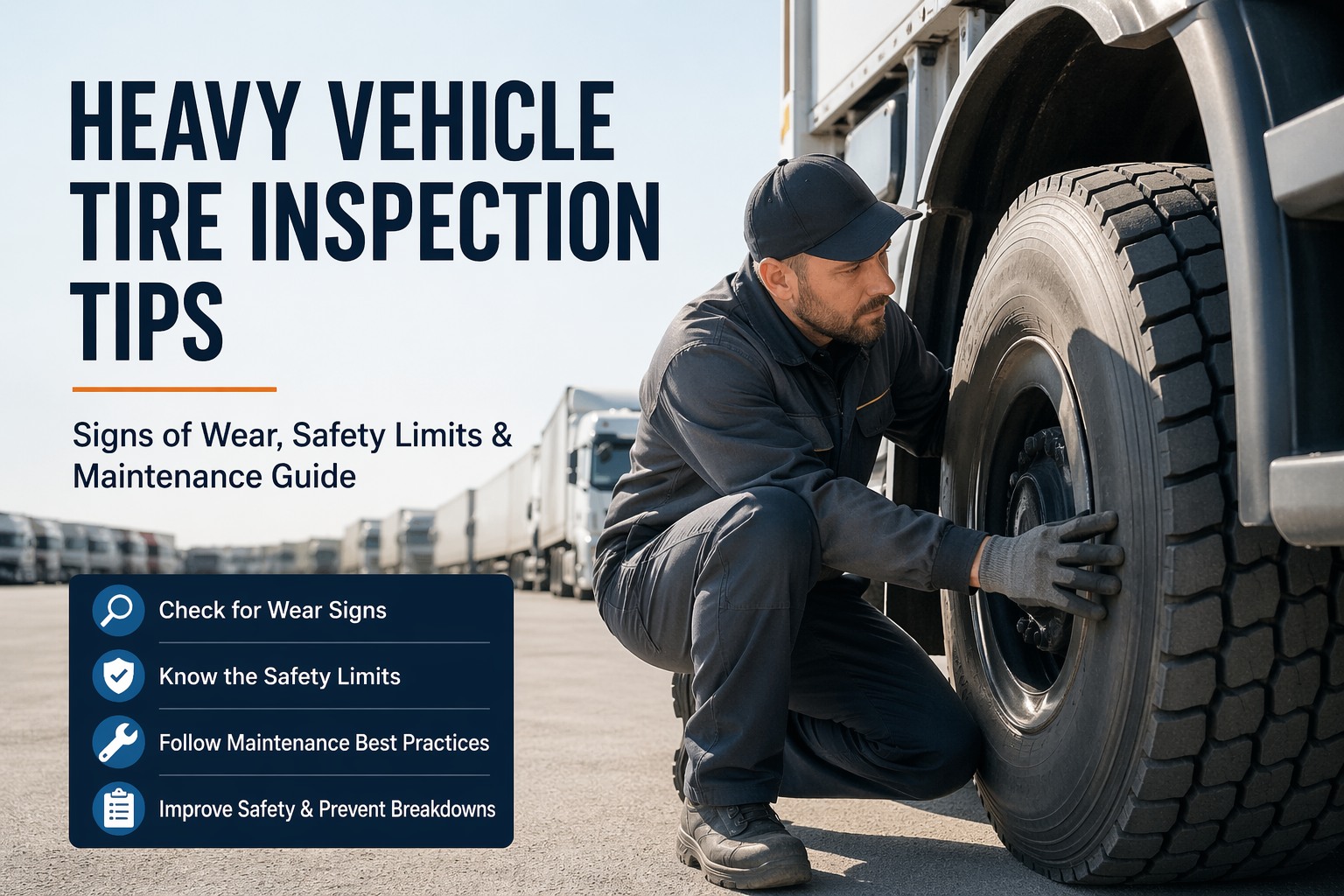
- Tires and wheel components (lug torque, seals)
- Steering and suspension
- Coupling devices (fifth wheel, glad hands)
- Emissions systems (DPF, DEF, EGR)
- Air system leak-down test (max 3 PSI/min)
- Glad hand and air line inspection
- Trailer electrical connection test
- DEF level and system check
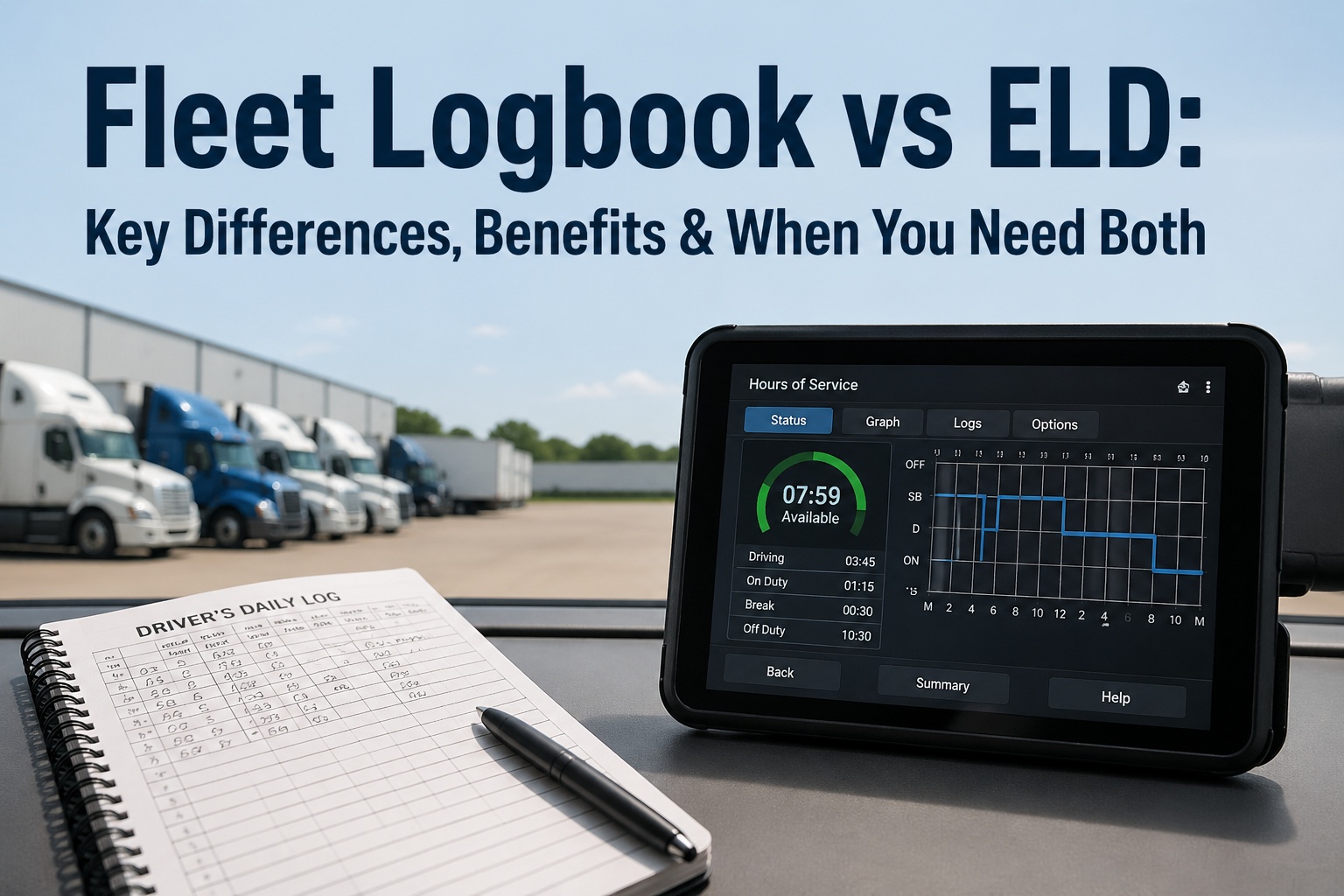
- ELD/telematics verification
- Hours of service device operation
Heavy Equipment
OSHA 1926.601 (construction equipment), MSHA (mining), ANSI standards, manufacturer intervals—less prescriptive than DOT
- Hydraulic system (cylinders, hoses, fittings)
- Undercarriage (tracks, rollers, sprockets)
- Structural components (boom, frame, welds)
- Ground engaging tools (GET) wear
- Safety systems (ROPS, FOPS, backup alarms)
- Hour meter tracking (primary interval metric)
- Hydraulic fluid analysis
- Track tension measurement
- Swing bearing inspection
- Bucket/attachment wear measurement
- Counterweight mounting check
- Final drive oil level and condition
Equipment-Specific PM Considerations
Boom/stick cylinder rods, swing motor, track shoes, bucket teeth wear, hydraulic pump pressure
Lift arm pins and bushings, bucket cutting edge, tire wear patterns, articulation joint, transmission
Track frame alignment, blade cutting edge, ripper tips, final drive seals, undercarriage measurement
Wire rope condition, load charts current, outrigger operation, boom sections, LMI calibration
Mast chains and rollers, fork condition/thickness, overhead guard, load backrest, propane system
Platform controls test, limit switches, outrigger interlock, emergency descent, fall protection anchors
Digital vs. Paper PM Checklists
The debate is over: digital checklists outperform paper in every measurable category. Here's why—and what to look for in a digital PM system.
Paper vs. Digital: Head-to-Head Comparison
Digital PM Checklist ROI
Source: Fleet industry studies comparing paper-based vs. digital PM programs
Inspection-to-Maintenance Workflow
The best PM programs don't treat daily inspections and scheduled maintenance as separate activities—they integrate them into a continuous loop where inspection findings drive maintenance actions.
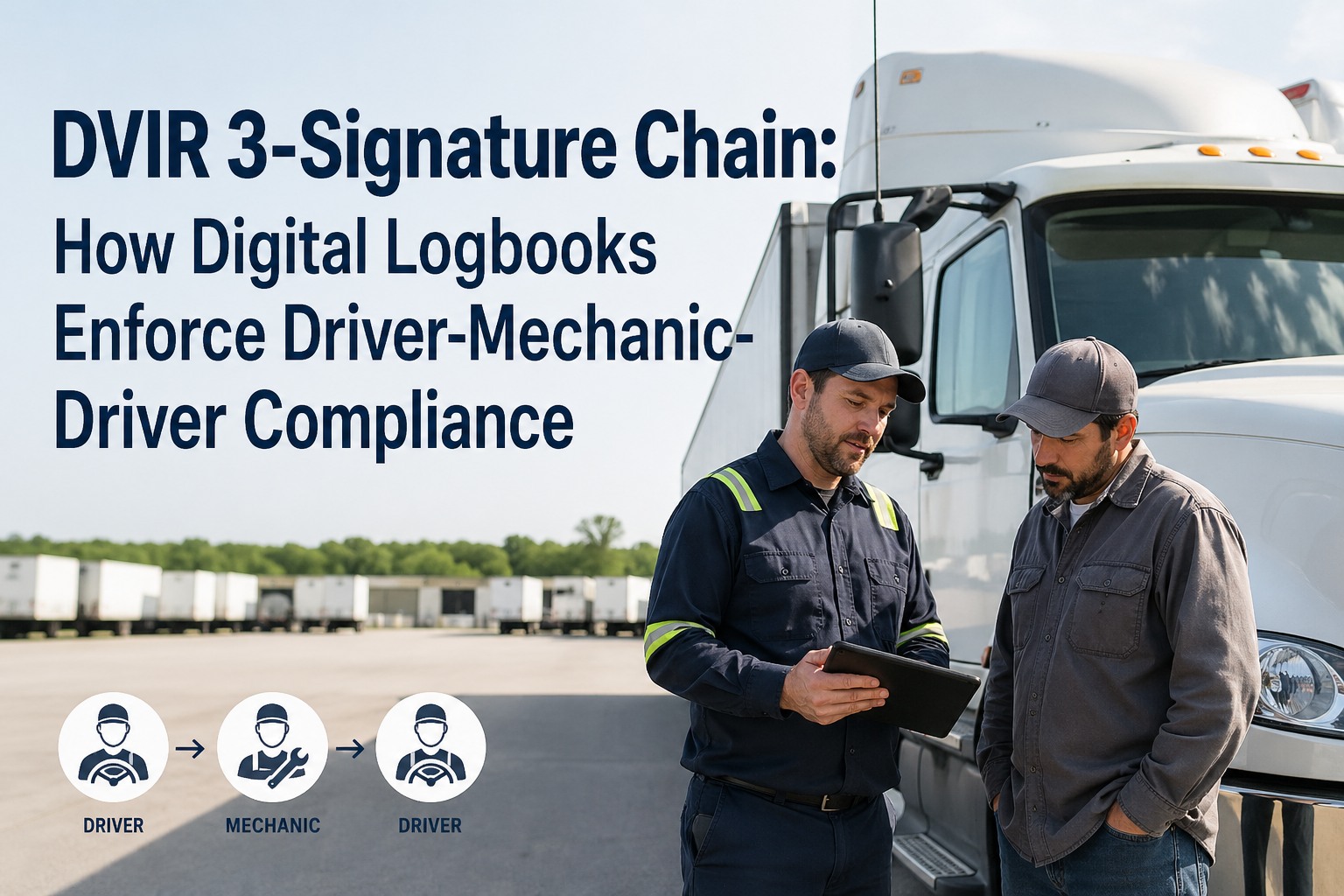
Driver pre-trip/post-trip documents condition and defects
Critical = immediate; Minor = bundle into next PM
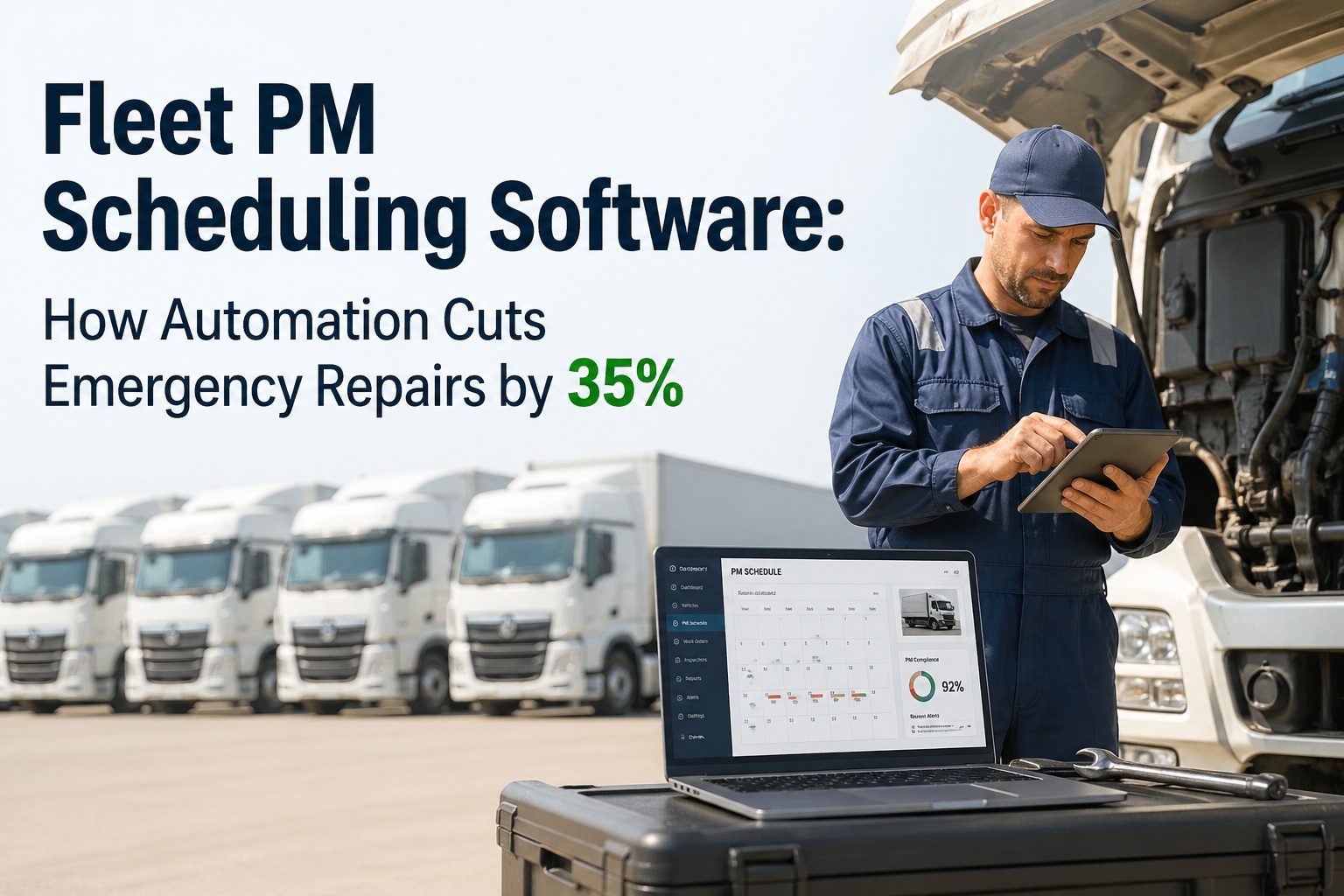
System tracks intervals; alerts when service due
Technician completes checklist + pending defects
Repairs certified; records updated; unit released
Key Integration Points
Minor defects noted during daily inspections get bundled into next scheduled PM—no separate work order needed for non-critical items.
Issues discovered during PM that require parts or additional time automatically generate follow-up work orders with parts requests.
Recurring defects on specific units trigger adjusted PM intervals—more frequent service for problem-prone components.
Pattern analysis reveals which PM activities prevent failures vs. which add no value—enabling continuous checklist refinement.
Ready to build an integrated inspection-to-maintenance workflow? HVI's platform connects daily inspections to PM scheduling to work order management in one seamless system. Schedule a demo to see how it works.
Building Your PM Checklist Program
Implementing effective PM checklists requires more than downloading templates. Follow this 5-step framework to build a program that delivers measurable results.
Inventory Your Fleet
Document every unit by type, make, model, year, and current mileage/hours. Different equipment needs different checklists—a one-size-fits-all approach misses critical items.
- List all trucks, trailers, and equipment by category
- Group similar units (same checklist applies)
- Note unique configurations or attachments
- Gather OEM maintenance recommendations
Define PM Intervals
Establish your PM-A/B/C/D intervals based on OEM recommendations, adjusted for your actual duty cycle. Severe service (construction, stop-and-go) requires shorter intervals.
- Review manufacturer maintenance schedules
- Assess duty cycle severity for each unit type
- Define mileage/hour triggers for each PM level
- Set calendar-based minimums (annual inspection)
Build Your Checklists
Create detailed checklists for each PM level and equipment type. Include not just items to check, but HOW to check them and what constitutes pass/fail.
- Start with OEM recommended items
- Add regulatory requirements (DOT, OSHA)
- Include specifications (torque values, measurements)
- Define pass/fail criteria for each item
Implement Digital Tracking
Deploy a system to track intervals, schedule services, and capture checklist completion. Paper tracking creates compliance gaps that cause audit failures.
- Select digital PM management platform
- Enter all units with current mileage/hours
- Configure PM schedules and automated alerts
- Train technicians on checklist completion
Measure and Optimize
Track PM compliance, breakdown rates, and defect patterns. Use data to refine checklists—add items that catch problems, remove items that never find issues.
- Monitor PM completion rates by unit and technician
- Track breakdown causes vs. PM findings
- Identify checklist items that never fail
- Adjust intervals based on actual failure data
Frequently Asked Questions
Streamline Your PM Program
HVI provides customizable PM checklist templates for Class A, B, C, and D services, plus the automated scheduling, mobile completion, and compliance tracking that makes them actually work. Stop using spreadsheets that never get updated—start with a system that transforms your PM program.
No credit card required • Customizable for your fleet • Setup in under 10 minutes