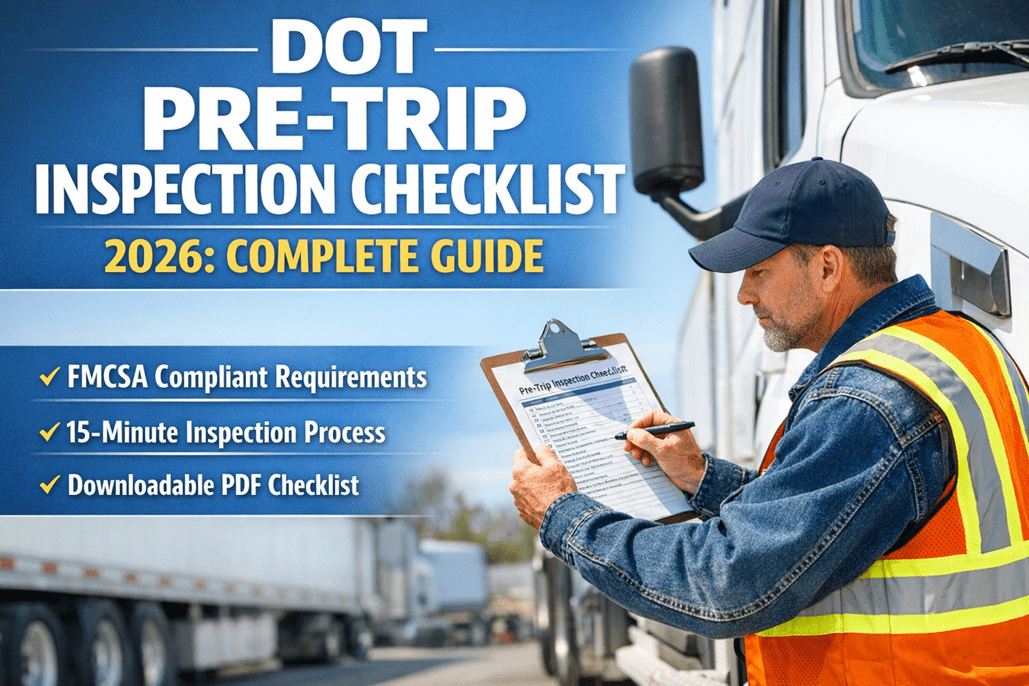
A DOT pre-trip inspection is the systematic safety check a CDL driver performs before operating a commercial motor vehicle — required under 49 CFR 392.7 and 49 CFR 396.13. A thorough pre-trip covers approximately 45 checkpoints on the power unit and 15 additional points for trailers, taking 10-15 minutes with digital tools. During the 2025 CVSA International Roadcheck, 18.1% of vehicles inspected were placed out of service — primarily for brake defects (41% of all OOS violations) and tire issues (21.4%) that a proper pre-trip would have caught before the truck left the yard. With the 2026 CSA overhaul now splitting Vehicle Maintenance into two separate categories — including "Driver Observed" violations — the quality of your daily walkaround directly impacts your carrier safety score. This guide provides the complete DOT pre-trip inspection checklist organized by the 7-point walkaround method, with FMCSA regulatory references, out-of-service criteria, and pass/fail standards for every component. Start your free HVI trial to digitize your pre-trip workflow, or book a demo to see guided digital inspections in action.
FMCSA-Compliant 7-Point Walkaround, OOS Criteria, Downloadable PDF & Digital Inspection Tools
2025 CVSA Roadcheck Results: What Inspectors Found
Three Regulations That Govern Your Pre-Trip
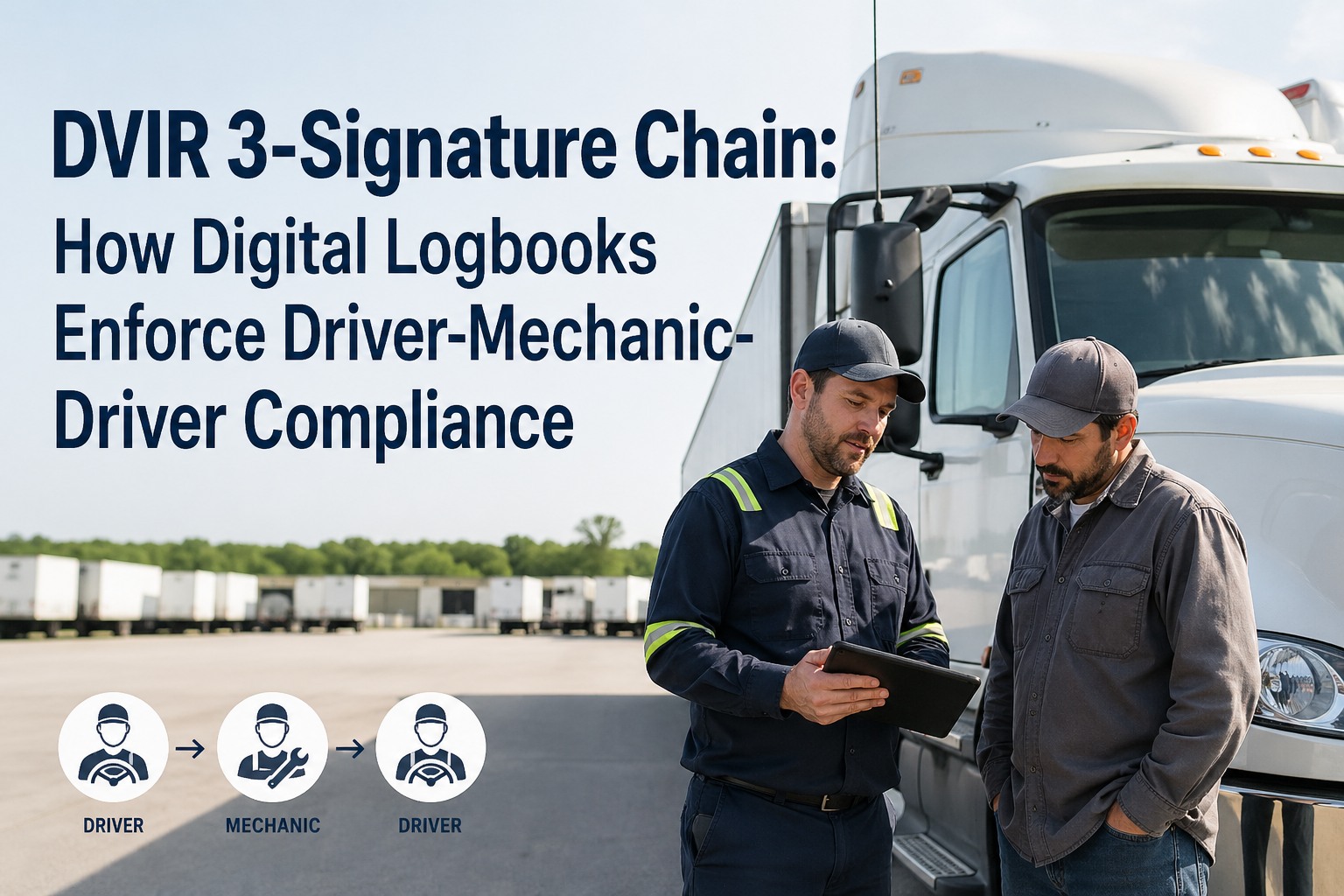
A driver may not operate a CMV unless satisfied that its parts and accessories are in good working order. Lists the same 11 components as the DVIR checklist.
Before operating, driver must review the most recent DVIR. If defects were noted, must sign acknowledging repairs were made or deemed unnecessary.
At end of workday, driver documents vehicle condition. This report links back to the next pre-trip — creating the continuous inspection chain.
The Complete 7-Point Walkaround Checklist
The 7-point walkaround method is recommended by FMCSA and used in CDL training programs nationwide. Walk around the vehicle in a specific pattern — approach, engine compartment, driver side, rear, passenger side, cab interior, coupling system — to ensure nothing is missed. Each section below lists what FMCSA inspectors and CVSA roadside officers evaluate.
Approach & Front of Vehicle
Engine Compartment
Driver Side
Rear of Vehicle
Passenger Side
Cab Interior & Controls
Coupling System (Combination Vehicles)
Digitize This Entire Checklist with HVI
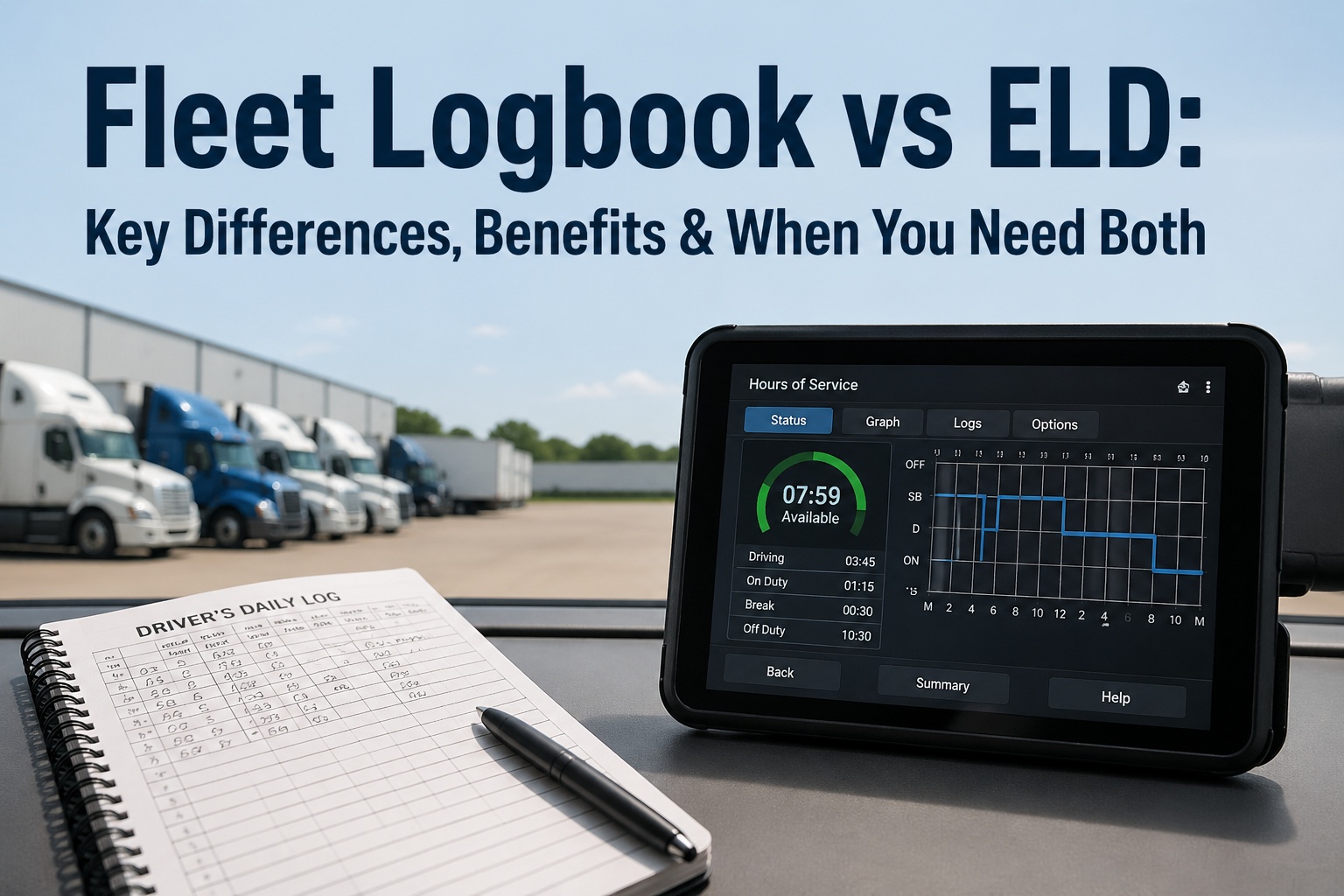
HVI transforms every item in this 7-point walkaround into a guided digital inspection. Drivers complete pre-trips on their phone in under 10 minutes with photo documentation, GPS verification, quality scoring, and automatic work orders when defects are found. Every inspection is timestamped, geotagged, and stored in the cloud for instant audit access.
Top OOS Violations: What Inspectors Catch Most
Knowing which defects cause the most out-of-service orders helps you prioritize your pre-trip attention. These rankings are based on 2025 CVSA International Roadcheck data and FMCSA roadside inspection records:
Air Brake Test Procedure (Required Pre-Trip)
Air brake testing is one of the most critical — and most frequently failed — components of the CDL pre-trip inspection. Here is the correct sequence:
Start engine. Allow air pressure to build to governor cut-out (typically 120-140 psi). Note: pressure should build from 85 to 100 psi within 45 seconds.
With engine off, pump brake pedal repeatedly. Low air warning device (buzzer/light) must activate before pressure drops below 60 psi.
With full pressure and engine off, apply service brakes fully. Watch gauge for 1 minute. Loss should not exceed 3 psi/min (single vehicle) or 4 psi/min (combination).
Continue pumping. Spring brakes (parking brake) must pop out between 20-40 psi. This is your emergency backup braking system.
Build pressure back up. Set parking brake. Put in low gear and gently pull against it. Vehicle should hold firm. Release and repeat with trailer brake.
Trailer-Specific Checklist (Add-On for Combination Vehicles)
5 Pre-Trip Mistakes That Get Drivers Cited
Brake components, suspension, and exhaust are under the vehicle — and they account for over 50% of OOS violations. If you don't look under, you're missing the items inspectors find most.
49 CFR 396.13 requires you to review and sign the last DVIR before driving. Missing this is a separate citable violation — and one of the most common audit findings.
Tires were 21.4% of OOS violations in 2025. Visual checks miss under-inflation — use a gauge. A tire can be 20% low and look normal.
The air brake test is required, not optional. Excessive leak rates indicate line or fitting failures that worsen during the day. This is a top CDL test failure point too.
Fire extinguisher charge, reflective triangles, and spare fuses are quick to verify but frequently forgotten. Missing triangles alone is an OOS violation.
Frequently Asked Questions
A thorough CDL pre-trip inspection takes 10-15 minutes with digital tools, or 15-30 minutes with paper forms. Combination vehicles take longer due to additional trailer and coupling checks. Rushing inspections leads to missed defects that cause roadside violations — those 10-15 minutes protect your CDL, your CSA scores, and lives on the road.
No. A pre-trip inspection (49 CFR 392.7) is performed before driving to confirm the vehicle is safe to operate. A DVIR (49 CFR 396.11) is completed at the end of the workday to document the vehicle's condition. Both cover the same 11 FMCSA components, but serve different regulatory purposes. They work together: the DVIR from the last driver feeds into the next driver's pre-trip review.
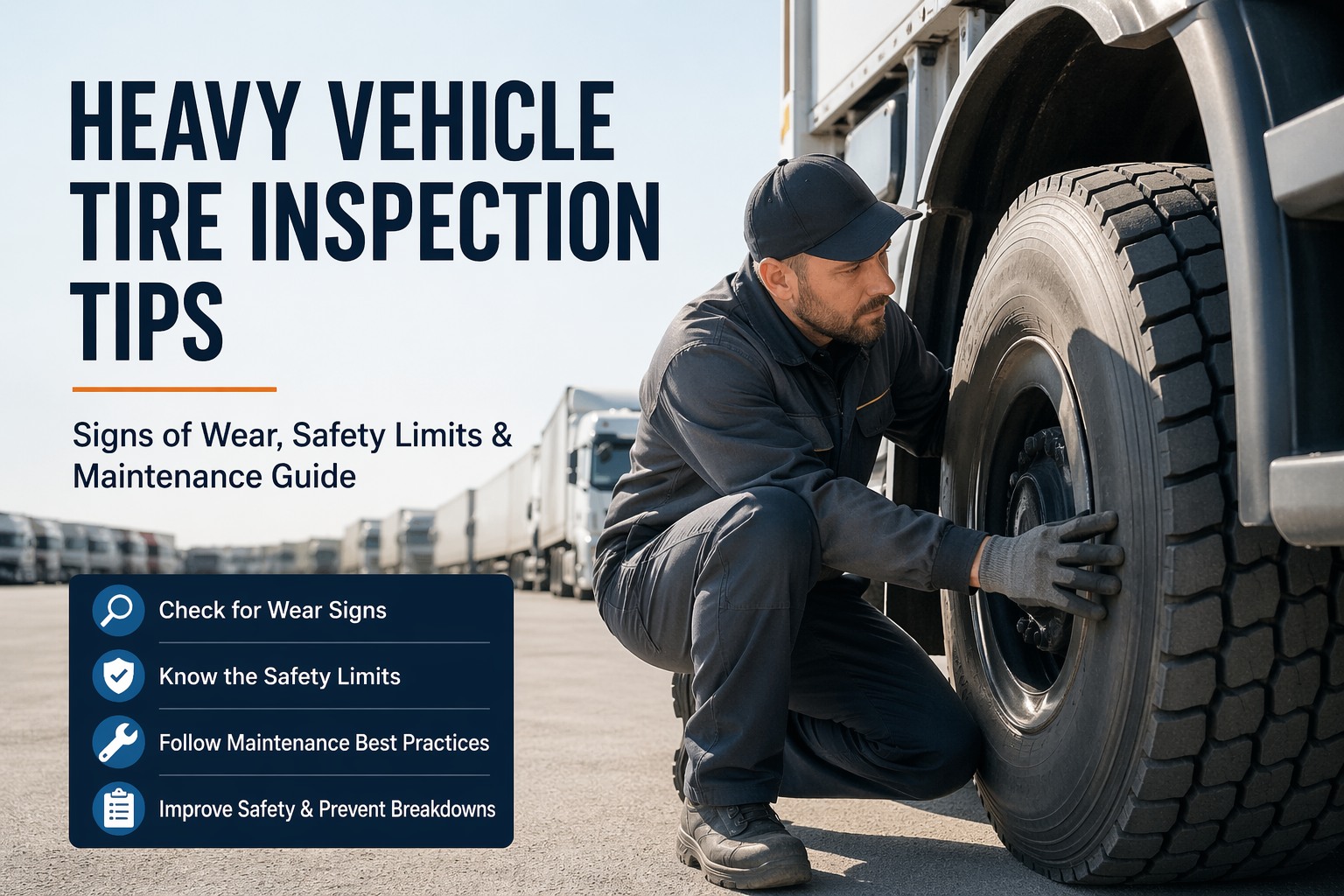
FMCSA requires a minimum of 4/32" tread depth on steer axle tires and 2/32" on all other positions (drive and trailer). However, many carriers set higher internal minimums (6/32" steer, 4/32" drive) as best practice. During the 2025 Roadcheck, tire violations accounted for 21.4% of all OOS violations.
FMCSA does not require a written report for a defect-free pre-trip on property-carrying vehicles (since the 2014 DVIR rule change). However, many carriers require documentation as company policy — and most compliance experts recommend it. Digital inspection tools make this effortless and create audit-ready evidence that inspections were performed consistently.
If the defect affects safe operation, you must report it to your carrier immediately and NOT operate the vehicle until it is repaired. The carrier must repair the defect and certify the repair before the vehicle can be dispatched. If you operate a vehicle with a known defect, both you and the carrier are liable for violations with penalties up to $16,000+ per occurrence.
The 2026 CSA overhaul splits Vehicle Maintenance into two separate compliance categories, including a new "Driver Observed" violations category. This means defects that your drivers should have caught during their walkaround now directly impact your carrier safety score as a separate metric — making the quality of daily pre-trip inspections more visible and more consequential than ever.
Turn This Checklist Into a Digital Workflow
Every item in this 7-point walkaround becomes a guided digital inspection with HVI. Drivers follow step-by-step checklists on their phone, capture photo evidence of every component, and defects trigger instant notifications and automated work orders. Your fleet gets compliance dashboards, audit-ready records, and the data to prove your pre-trip program works.
No credit card • No hardware • Setup in under 10 minutes • FMCSA compliant