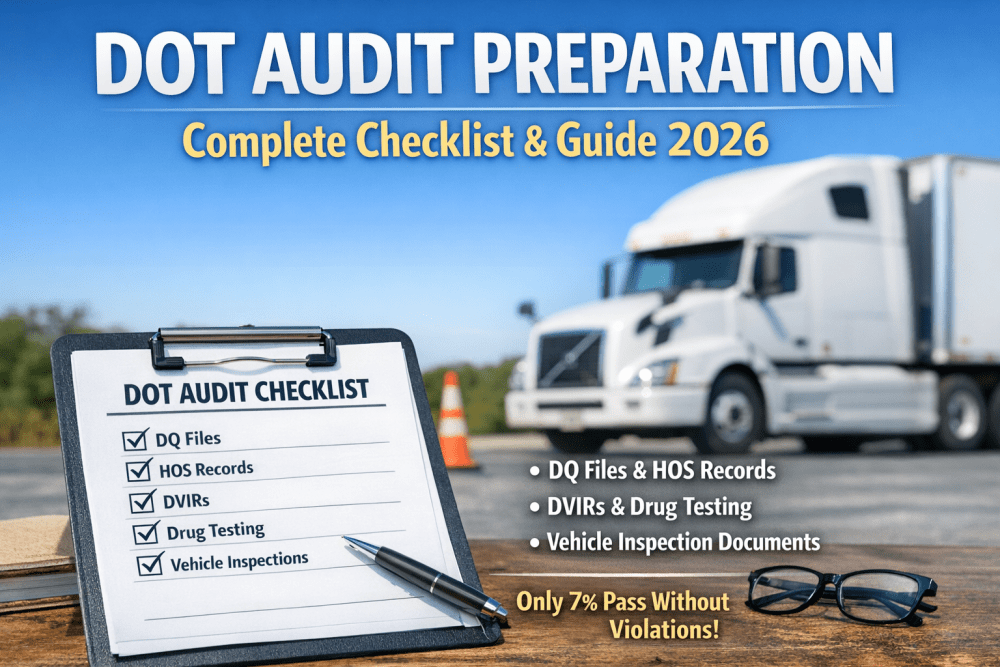
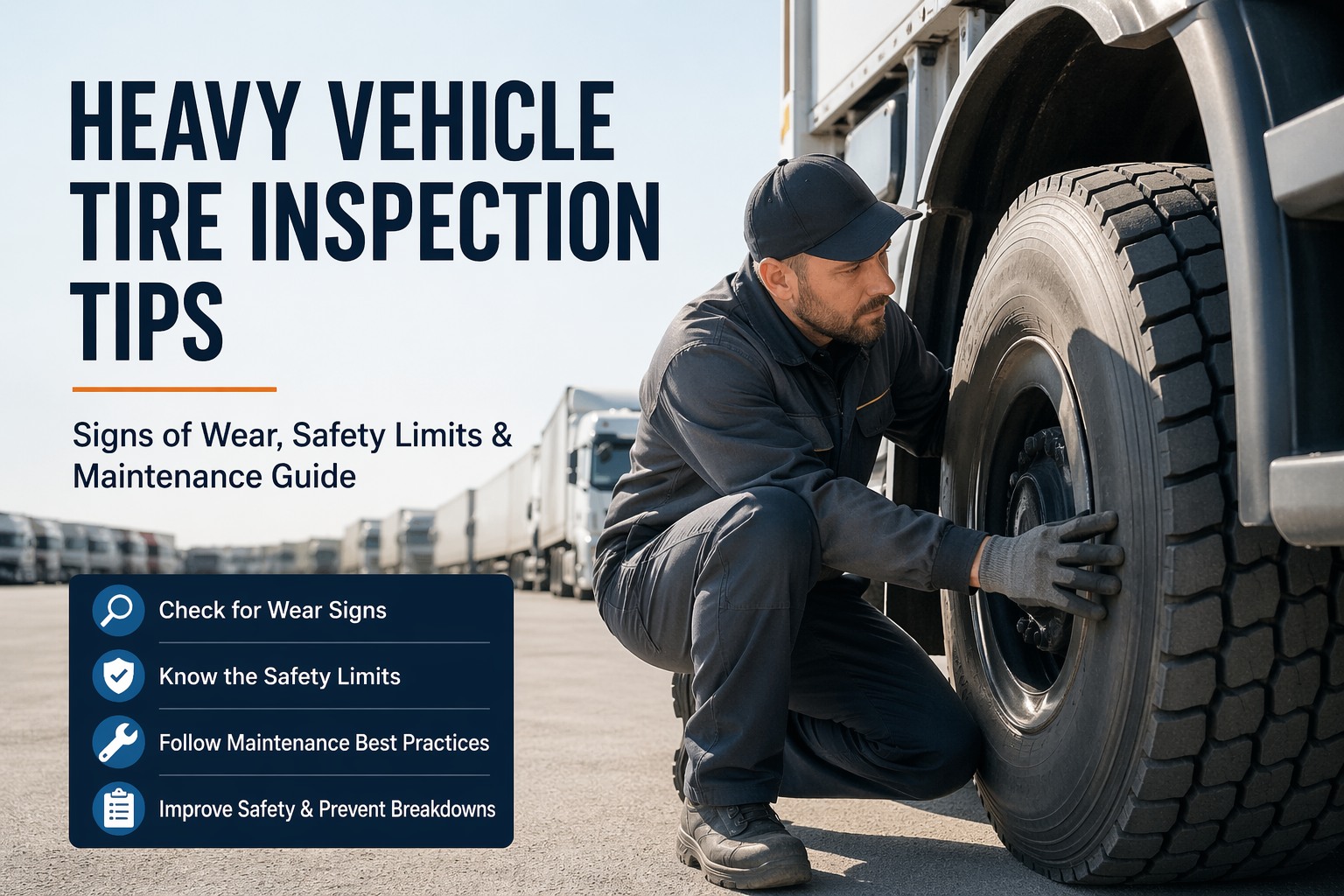
Only 7% of motor carriers pass a DOT compliance review without a single violation. That's not a typo — 93% of fleets that face an FMCSA audit walk away with at least one citation, and many face fines that reach $19,277 per out-of-service violation. The difference between the 7% and everyone else isn't luck. It's documentation, systems, and preparation. Whether you've just received an audit notice or you're building compliance infrastructure before one arrives, this guide covers every record the auditor will request, every regulation they'll check, and exactly what you need to do in the days before they walk through your door.
2026 COMPLIANCE GUIDE
DOT Audit Preparation:
Complete Checklist & Guide
Everything your fleet needs to prepare for an FMCSA compliance review — DQ files, HOS records, drug testing, DVIRs, and the 6 document categories auditors check first.
7%
Pass with zero violations
$19K
Max fine per OOS vehicle
6
Core audit areas reviewed
2 wks
Typical notice before audit
KNOW WHAT YOU'RE FACING
Types of DOT Audits — and What Triggers Each One
Not all DOT audits are created equal. The type of audit you face determines what documents are reviewed, how long it takes, and what the consequences are for failing. Here's how each one works.
NEW ENTRANT
New Entrant Safety Audit
Conducted within the first 9–12 months of receiving your USDOT authority. Educational in nature — designed to confirm you have basic safety systems in place, not to penalize. Conducted online or by phone in most states.
Who gets itAll new motor carriers in first 18 months
ResultPass or Fail — failure triggers corrective action plan
Auto-fail triggers16 specific regulations under 49 CFR 385.321
COMPLIANCE REVIEW
Comprehensive Compliance Review
The most serious type. Triggered by high CSA scores, serious crashes, complaints, or random selection. An FMCSA or state-certified auditor reviews your records on-site or via document submission. You typically have just 2 weeks to prepare.
Who gets itCarriers flagged by CSA, crash data, or complaints
ResultSatisfactory, Conditional, or Unsatisfactory rating
ConsequenceUnsatisfactory = OOS order if not corrected in 45 days
FOCUSED AUDIT
Focused / Targeted Audit
Scoped to one or two specific compliance areas rather than a full review. Usually triggered by a pattern of violations in a particular BASIC category — for example, repeated HOS violations or a string of brake-related roadside citations.
Who gets itCarriers with targeted CSA category threshold violations
ScopeLimited to 1–2 compliance categories
Escalation riskCan escalate to full compliance review if issues found
!
Don't Wait for Contact. Any carrier can be selected for a compliance review at any time — no advance warning required after a serious crash. The best time to prepare for a DOT audit is before FMCSA ever contacts you. Fleets that maintain continuous compliance have nothing to scramble for when the call comes.
THE 6 DOCUMENT CATEGORIES
What Auditors Actually Review — All 6 Areas
Every DOT compliance review examines the same six core categories, defined by the Federal Motor Carrier Safety Regulations. Missing or incomplete documentation in any one area can result in citations — or automatic failure for new entrant audits.
01
Driver Qualification Files
Licenses, medical certs, MVRs, employment history, SPH records
→
02
Hours of Service & ELD
Driver logs, ELD data, supporting documents, exemptions
→
03
Drug & Alcohol Testing
Pre-employment, random, Clearinghouse, supervisor training
→
04
Vehicle Maintenance
DVIRs, annual inspections, PM records, repair documentation
→
05
Accident Register
3-year crash history, tow-away & injury/fatality incidents
→
06
Financial Responsibility
MCS-90, minimum coverage proof, surety bonds
→
AUDIT AREA 01
Driver Qualification Files (DQF)
DQ file violations account for nearly 12% of all FMCSA citations — making this the single most documentable and most commonly missed audit category. Every CDL driver you employ, including owner-operators under your authority, requires a complete DQF accessible within 48 hours of an auditor's request.
CRITICAL — Auto-Fail if Missing
Current CDL with correct class and all required endorsementsVerify state, expiration, and endorsement codes match vehicle type
Current Medical Examiner's Certificate (MEC)Must be from an FMCSA-registered examiner; renewed every 24 months minimum
Negative pre-employment drug test resultRequired before any driver operates a CMV under your authority
Drug & Alcohol Clearinghouse query documentationFull pre-employment query with signed consent form for each driver
REQUIRED — Violations Likely Without
Motor Vehicle Record (MVR) — dated within 30 days of hireAnnual MVR review required; document review date and reviewer
Employment application (49 CFR 391.21)10 years of employment history, all gaps explained in writing
Prior employer verification (last 3 years)Safety Performance History (SPH) requests sent and responses documented
Road test certificate or equivalent exemptionOriginal road test form with evaluator signature, or CDL equivalency note
Certificate of driver training (if applicable)Entry-level driver training (ELDT) completion certificate for new CDL holders
RETENTION — Know How Long to Keep Each
Active driver DQFRetain for duration of employment plus 3 years after departure
SPH recordsRetain for length of employment plus 3 years
Annual MVR reviewsKeep most recent 3 years on file — auditors may request all three
!
2026 Update — Non-Domiciled CDL Scrutiny: Following the removal of 90,000+ non-domiciled CDLs nationwide, auditors are now actively checking employment authorization documentation for affected drivers. Any driver whose CDL was issued under a non-compliant program must be flagged and verified before your audit.
AUDIT AREA 02
Hours of Service & ELD Records
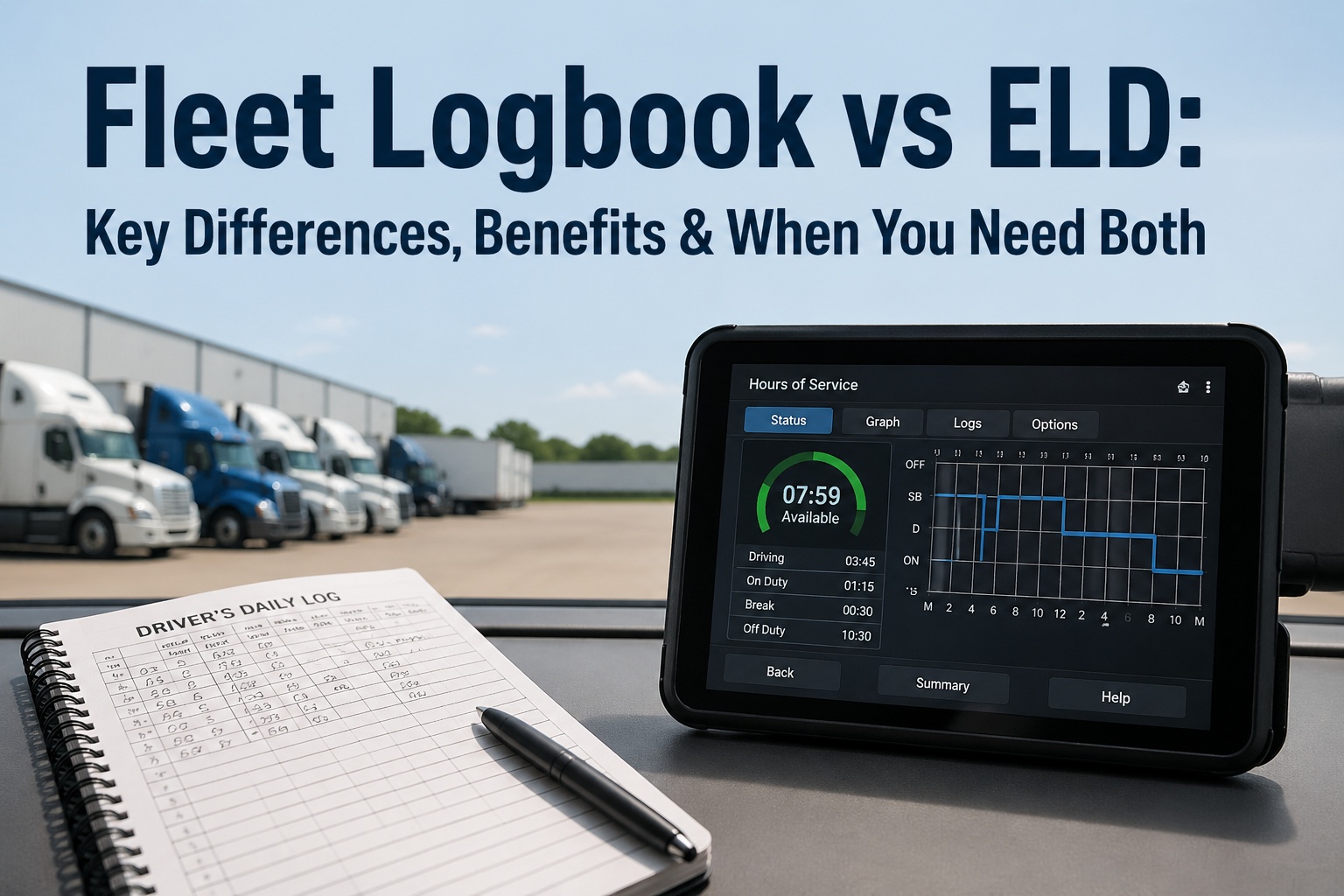
HOS compliance is the second most commonly cited area in FMCSA audits. Auditors typically request one full month of logs from one driver over the last six months — but in a comprehensive review, they may pull multiple drivers across the full 6-month window.
What Auditors Request
ELD data export — minimum 1 month for 1 driver from last 6 months
Supporting documents — fuel receipts, toll records, delivery/pickup BOLs matching log locations
ELD malfunction logs — documentation of any technical failures and 8-day paper log fallback
Exemption records — 100/150 air-mile exemption documentation, short-haul qualifications
Team driving documentation — sleeper berth split records, co-driver identification on logs
Common HOS Violations Found at Audit
11-hour or 14-hour rule violations — driving past the allowed on-duty window
Missing or falsified supporting documents — logs that don't match fuel receipts or delivery records
Improper ELD exemption claims — using short-haul exemptions without meeting all criteria
Unregistered ELD devices — PSS ELD, Black Bear ELD, RT ELD Plus removed Dec 2025
30-minute break violations — missing required rest periods for drivers past 8 hours driving
✓
Verify Your ELD Is Still Registered — Before any audit, confirm your device is on the active registry at eld.fmcsa.dot.gov. Three devices were removed in December 2025 with a February 7, 2026 deadline. Using an unregistered ELD after the grace period results in HOS violations for every day of use.
AUDIT AREA 03
Drug & Alcohol Testing Program
The Clearinghouse has become one of the most enforcement-intensive compliance areas in 2025–2026, with violations costing up to $5,833 per occurrence. Auditors check not just whether you have a testing program, but whether it's active, documented, and correctly managed for every driver.
CLEARINGHOUSE — New Enforcement Focus 2026
Company registered in FMCSA Drug & Alcohol ClearinghouseAll carriers must be registered at clearinghouse.fmcsa.dot.gov
Full pre-employment Clearinghouse query for every CDL driverFull query (not limited) required; limited queries no longer satisfy pre-employment requirement
Annual limited queries for all current CDL driversMust be conducted every 12 months; consent forms signed and on file
No driver in "prohibited" status operating CMVState DMVs now revoke CDLs for prohibited status; verify before dispatch
TESTING RECORDS — Required Documentation
Negative pre-employment test result for each driverTest must meet FMCSA standards for substances tested; dated before first dispatch
Random testing program in place (minimum 50% for drugs, 10% for alcohol)Must use a random pool — owner-operators must join a consortium
Post-accident testing documentationRequired when: fatality, bodily injury + driver cited, vehicle tow + driver cited
Reasonable suspicion testing records (if applicable)Supervisor observations documented in writing before ordering test
Return-to-duty and follow-up test records (if applicable)Substance abuse professional evaluation + 6 unannounced follow-up tests over 12 months
PROGRAM MANAGEMENT — Procedural Requirements
Written drug and alcohol policy distributed to all driversPolicy must explain consequences, testing triggers, and employee assistance resources
Designated Employer Representative (DER) identifiedOne named individual responsible for receiving test results and making removal decisions
Supervisor reasonable suspicion training (60/60)At least 60 min drug + 60 min alcohol training documentation for all supervisory staff
AUDIT AREA 04
Vehicle Maintenance & Inspection Records
Vehicle Maintenance is the highest-volume violation category in roadside inspections — brakes, tires, and lighting alone account for over 60% of all out-of-service orders. Under the 2026 SMS overhaul, this category is now split in two: one for driver-conducted inspections and one for maintenance-found defects. Your documentation must support both.
DAILY — DVIRs
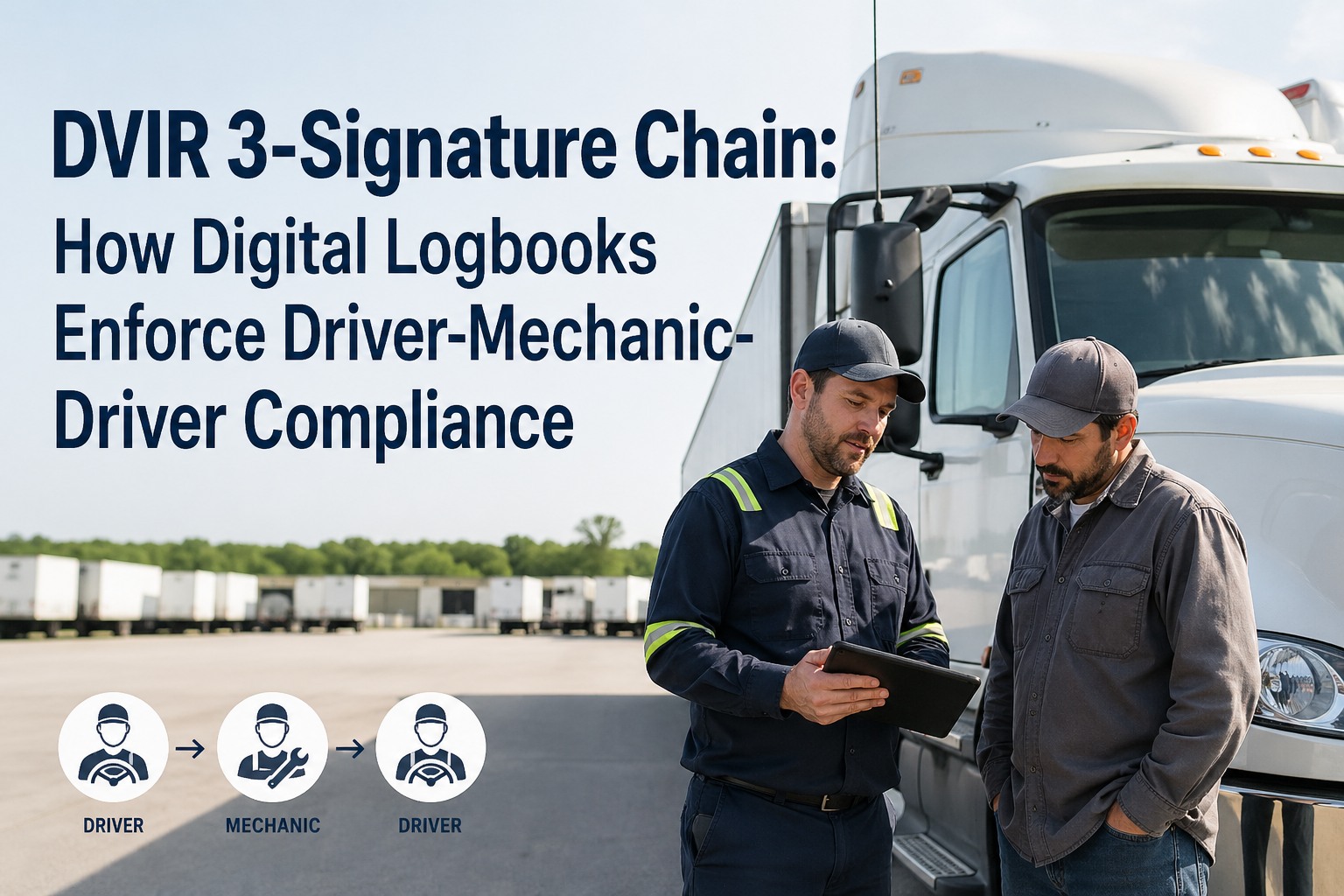
Every driver must complete a pre-trip and post-trip DVIR for each vehicle operated. Under the newly clarified 2026 eDVIR rule, electronic DVIRs are explicitly legal — but must contain all required fields.
✓ Vehicle ID, date, time, and location
✓ Parts and accessories checked per 49 CFR 396.11
✓ Defects noted (or "no defects" statement)
✓ Driver signature (electronic accepted)
✓ Mechanic certification if defect repaired
✓ 3-month retention minimum
ANNUAL — Periodic Inspection
Every commercial vehicle must undergo a full periodic inspection at least once every 12 months per 49 CFR 396 Appendix A. The inspection must be performed by a qualified inspector.
✓ Brake system (service, parking, connections)
✓ Coupling devices (fifth wheel, pintle hooks)
✓ Exhaust system and fuel system
✓ Frame, suspension, steering
✓ Tires, wheels, lighting, reflectors
✓ Inspector qualifications on file
ONGOING — PM & Repair Records
All maintenance and repair work must be documented with work orders tied to inspection reports. Auditors look for a clear chain: defect reported → repair ordered → repair certified → vehicle cleared.
✓ Work orders linked to DVIR defect reports
✓ Repair technician ID on each work order
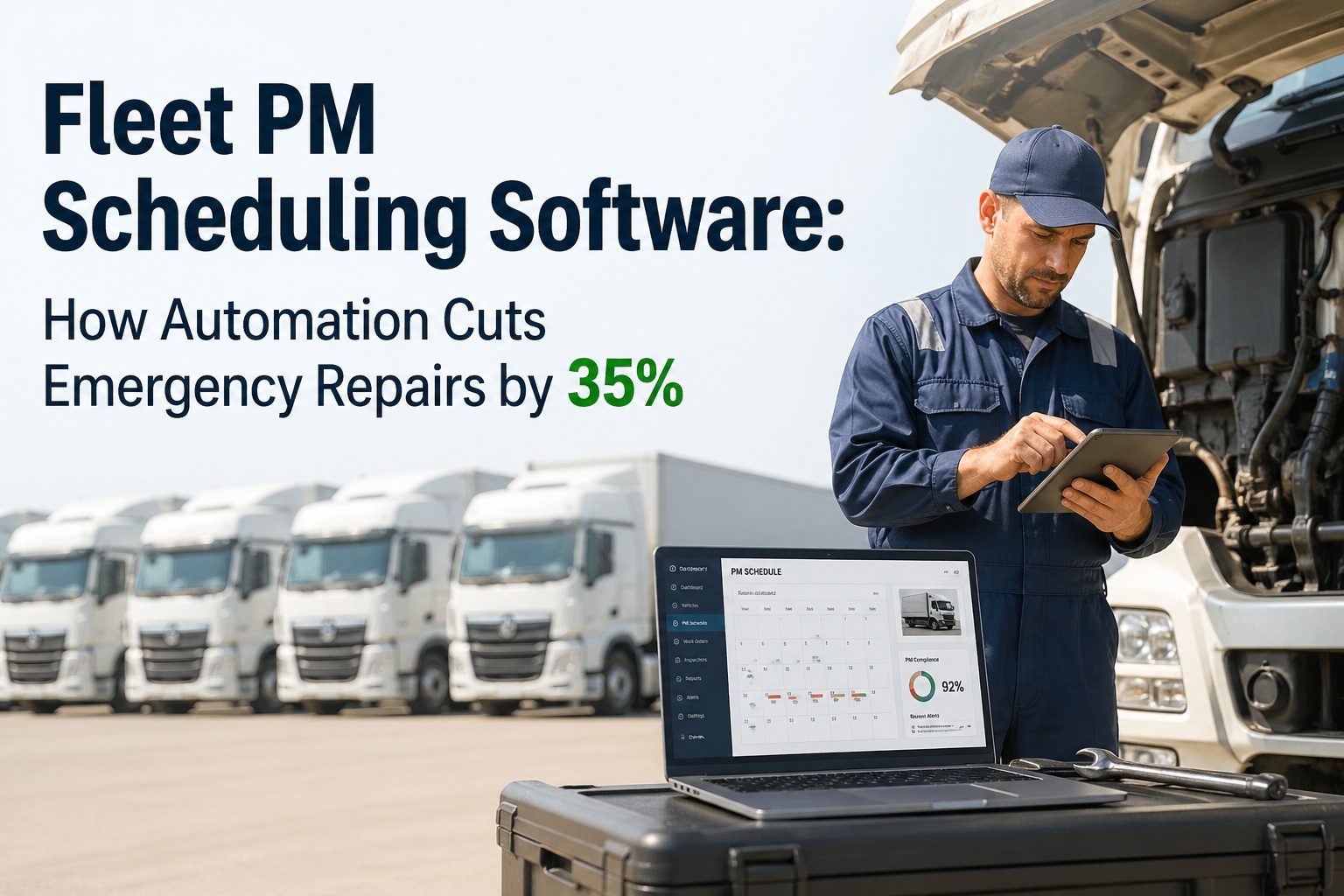
✓ PM schedules (mileage/hours/calendar-based)
✓ Maintenance records: 1 year active + 6 months after vehicle leaves
✓ Annual inspection sticker current on vehicle
✓ Out-of-service defect resolution documented
i
The New "Driver Observed" Category: The 2026 CSA overhaul created a separate compliance score for defects found during driver pre-trip inspections. Fleets using digital inspection platforms that GPS-stamp, photo-document, and create automatic work orders now have a direct advantage — not just operationally, but in their CSA scoring methodology.
See how HVI's digital inspection workflow works.
AUDIT AREA 05
Accident Register
Every motor carrier involved in an FMCSA-reportable crash must maintain an Accident Register for 3 years. A reportable crash is one in which a vehicle was towed from the scene, or an injury or fatality occurred — regardless of fault.
Required for Each Reportable Crash
City/town and state where accident occurred
Whether hazardous materials were released
Whether vehicle was towed from scene
What Triggers a Reportable Crash
Any fatality involving a commercial motor vehicle
Any bodily injury requiring immediate medical treatment away from the scene
Any vehicle towed from the scene due to disabling damage
Note: Minor fender-benders with no injury and no tow are NOT reportable
Retention: 3 years from date of accident — auditors will request the complete register
AUDIT AREA 06
Financial Responsibility & Insurance
Proof of financial responsibility is the most straightforward audit category — but it's still cited when documentation is outdated or coverage amounts don't match your operation type. Auditors verify both current coverage and that it meets the minimum requirements for your cargo type.
General Freight
$750,000
Minimum liability coverage
Hazmat (non-bulk)
$1,000,000
Minimum liability coverage
Hazmat (bulk)
$5,000,000
Minimum liability coverage
Passenger (15+ seats)
$5,000,000
Minimum liability coverage
REQUIRED DOCUMENTS
MCS-90 endorsementEndorsement for motor carrier policies of insurance for public liability — must be current
Current certificate of insurance (Form BMC-91 or BMC-91X)Filed with FMCSA; verify it matches your current insurer and coverage amount
Surety bond (if applicable)Alternative to insurance for eligible carriers; Form BMC-84 on file
Self-insurance authorization (if applicable)Written approval from FMCSA required; not available to all carrier types
YOUR PREPARATION PLAN
30-Day DOT Audit Preparation Timeline
Most carriers receive about two weeks of notice before a compliance review — but these preparation steps work whether you have 30 days or 30 minutes. The goal is to move from reactive scrambling to an always-ready posture.
DAYS 1–5
Immediate: Pull and Audit All 6 Record Categories
1
Request a complete list of all active drivers and vehicles from dispatch and fleet managers
2
Pull every Driver Qualification File — check for missing MVRs, expired medical certs, and unsigned SPH verifications
3
Log into the FMCSA Clearinghouse and verify all drivers have current annual query documentation
4
Export 6 months of ELD data and spot-check supporting documents (fuel receipts, BOLs) for one driver per vehicle
5
Confirm your ELD model is still on the FMCSA registered list at eld.fmcsa.dot.gov
DAYS 6–14
Core: Fix Gaps & Organize Documentation
6
Schedule any drivers with expired medical certificates for immediate re-examination; remove from service until cleared
7
Pull 90 days of DVIRs for each vehicle — verify defects have documented work orders and mechanic certifications
8
Confirm all vehicles have a current annual inspection sticker and that inspection records are on file
9
Review your Accident Register — ensure all reportable crashes from the past 3 years are documented with all required fields
10
Verify insurance is current and MCS-90 endorsement matches your actual coverage — request updated certificate from broker if needed
DAYS 15–30
Polish: Mock Audit & Final Readiness Check
11
Conduct an internal mock audit — use FMCSA's Safety Audit Evaluation Criteria (Appendix A to Part 385) as your checklist
12
Organize all records into labeled folders (physical or digital) corresponding to each audit category
13
Brief your safety manager and designated DER on what auditors typically ask and what documents to produce first
14
Review your SMS profile at csa.fmcsa.dot.gov — address any active threshold violations before auditors use them to justify additional scrutiny
15
Log all preparation actions with dates and responsible parties — demonstrates good faith safety management to the auditor
HOW HVI HELPS
Audit-Ready Documentation — Built Automatically, Every Day
The hardest part of DOT audit preparation isn't knowing what's required — it's having the documentation to prove it. HVI's inspection-first platform creates the audit trail automatically, so there's nothing to scramble for when the auditor calls.
A
FMCSA-Compliant eDVIRs
Every inspection GPS-stamped, photo-verified, with driver e-signature and mechanic certification — satisfying every field the 2026 eDVIR rule requires. 90-day retention built in.
B
Defect → Work Order → Clearance Chain
Driver reports defect; HVI auto-creates a work order, holds dispatch, and records mechanic certification. The complete repair chain auditors look for — documented without manual effort.
C
14-Month Annual Inspection Records
Periodic inspection documentation stored and searchable by vehicle. Pull any vehicle's full 12-month inspection history for an auditor in under 60 seconds.
D
Offline Capability for Remote Sites
Job sites and rural routes with no cell signal still get full photo inspections. HVI completes and stores inspections offline, syncing when connectivity returns.
E
Expiration Alerts Before Violations
Automatic alerts for medical certificate expirations, annual inspection due dates, and insurance renewal — catch compliance gaps before an auditor or inspector does.
F
Up and Running in 10 Minutes
No IT project. No hardware installation. Drivers download the app, managers configure templates, and audit-ready documentation starts building immediately.
Want to see what audit-ready documentation looks like in practice?
COMMON QUESTIONS
DOT Audit Preparation FAQ
How much notice will I get before a DOT audit?
Typically about 2 weeks for a scheduled compliance review. However, after a serious crash or fatality, FMCSA can conduct an audit with no advance notice. For new entrant safety audits, you'll receive a letter with scheduling instructions. Ignoring contact from FMCSA can result in fines up to $10,000 and/or suspension of your operating authority.
Can I fail a DOT audit automatically?
Yes — for new entrant audits. There are 16 specific regulations under 49 CFR 385.321 that trigger automatic failure. These include operating without required drug testing, missing DQ files for drivers, no ELD or HOS records, and operating without minimum insurance. For comprehensive compliance reviews, automatic OOS orders are possible if critical violations are found.
What happens if I fail a DOT compliance review?
An "Unsatisfactory" rating from a comprehensive compliance review triggers a 45-day window to demonstrate corrective action. If you cannot show sufficient improvement, FMCSA may issue an Order to Show Cause or an Out-of-Service Order, which would shut down your operations. For new entrant audits, failure gives you a 15-day window to show material error or face suspension.
Does a DOT audit happen at my location?
New entrant safety audits are almost always conducted online or by phone — you upload documents through the FMCSA SMS portal. Comprehensive compliance reviews may be onsite (at your terminal) or offsite (you submit documents electronically). Some states prefer in-person meetings. The auditor will specify the format when they contact you.
Do owner-operators get DOT audits?
Yes. Any carrier operating under their own DOT authority — including single-truck owner-operators — is subject to audits. The same 6 document categories apply. Owner-operators must also join a drug testing consortium to meet random testing requirements, since they cannot administer their own random testing program.
How far back do auditors look at records?
It depends on the record type: HOS/ELD logs — typically 6 months (auditors usually request 1 month from 1 driver); DQ files — active employment plus 3 years after departure; Accident Register — 3 years; DVIRs — 3 months minimum; Annual inspections — 14 months (current plus one previous); Drug testing — 5 years for most records.
Stop Reacting. Start Preparing.
93% of carriers face violations at their DOT audit. The 7% that don't aren't luckier — they're more organized. They have documentation systems that build audit-ready records automatically, every day, without anyone having to scramble.
HVI is the inspection-first fleet management platform built for construction and trucking fleets that can't afford to be caught off guard by FMCSA enforcement.
Setup in under 10 minutes | No hardware required | Built for heavy fleets