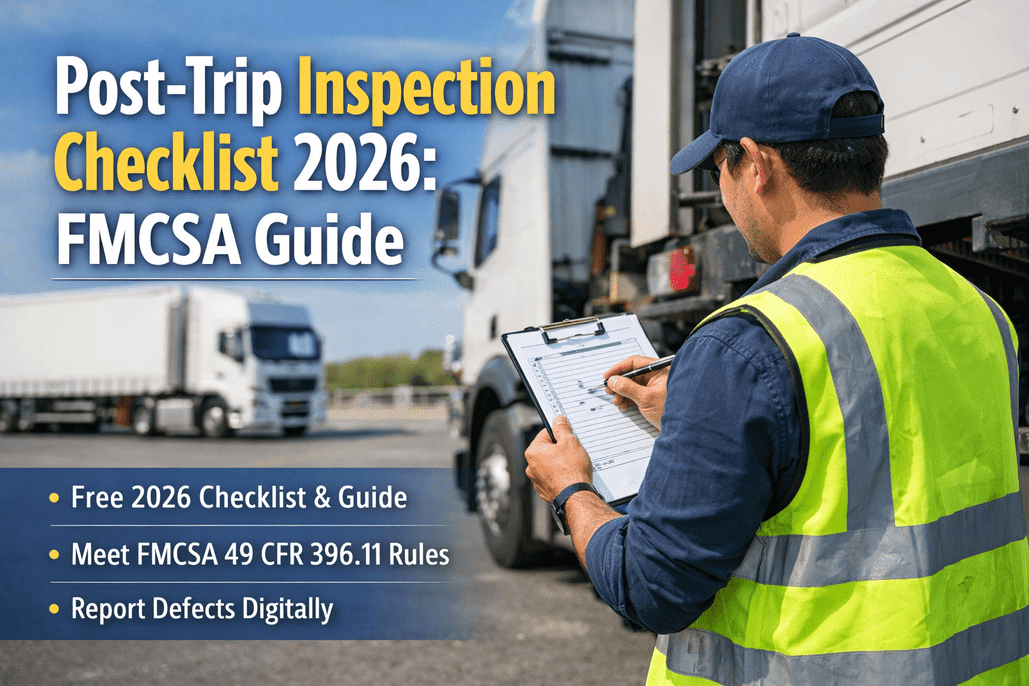
A post-trip inspection is the end-of-day vehicle check that produces the Driver Vehicle Inspection Report — the DVIR that creates the legally binding chain between defect discovery, carrier repair, and next-driver sign-off. Under 49 CFR 396.11, every CMV driver must prepare a written report at the completion of each day's work documenting any defects discovered during or after operation. Here is a critical regulatory nuance most training programs miss: FMCSA does not technically require a formal "post-trip inspection" in the way it mandates pre-trip checks under 392.7. Instead, it requires the DVIR — a written report of defects found during that day's driving. The practical effect is the same, but the distinction matters during audits. FMCSA estimates DVIRs prevent approximately 14,000 accidents annually through early defect identification, yet industry data shows 95% of all DVIRs report no defects — raising serious questions about inspection quality across the fleet industry. With FMCSA's eDVIR final rule taking effect March 23, 2026, there has never been a better time to digitize your post-trip workflow. Start your free HVI trial to digitize post-trip inspections, or book a demo to see how eDVIRs work.
49 CFR 396.11 Requirements, End-of-Day DVIR Workflow & Digital Post-Trip Solutions
Why the Post-Trip Matters More Than the Pre-Trip
Defects found at end of shift give technicians 8-12 hours to diagnose and repair. The truck rolls out clean the next morning instead of delaying departure — or worse, sending a defective vehicle on the road.
The post-trip DVIR is the federally mandated document that auditors and plaintiff attorneys examine. It creates the chain of accountability: driver finds → carrier repairs → next driver confirms. Missing this link is a citable violation.
Consistent post-trip reports build a maintenance data stream. Recurring defects on specific vehicles or components become visible — enabling predictive maintenance instead of reactive breakdown response.
Under the 2026 CSA overhaul, "Driver Observed" violations are now a separate scoring category. The quality of your post-trip — not just its existence — directly impacts your safety rating and insurance rates.
The Regulatory Distinction: Post-Trip vs. DVIR
At the completion of each day's work, the driver must prepare a written DVIR listing any defects discovered by or reported to the driver during that day. The report covers the 11 minimum components listed in §396.11(a)(1). If no defects were found on a property-carrying CMV, no DVIR is required (since 2014). For passenger-carrying CMVs, a DVIR is required every day regardless.
Perform a thorough walk-around inspection at end of shift — identical to a pre-trip but focused on what changed during the day's driving. Document everything using the checklist below. Even "no defect" reports create a positive compliance record. Most compliance experts and insurers strongly recommend daily post-trip DVIRs for all vehicles as company policy.
Complete Post-Trip Inspection Checklist (11 FMCSA Components + Fleet Extras)
This checklist covers every component required under 49 CFR 396.11 plus additional items recommended by fleet safety professionals. Focus on changes from your morning pre-trip — what deteriorated, developed, or was reported to you during the day's operation.
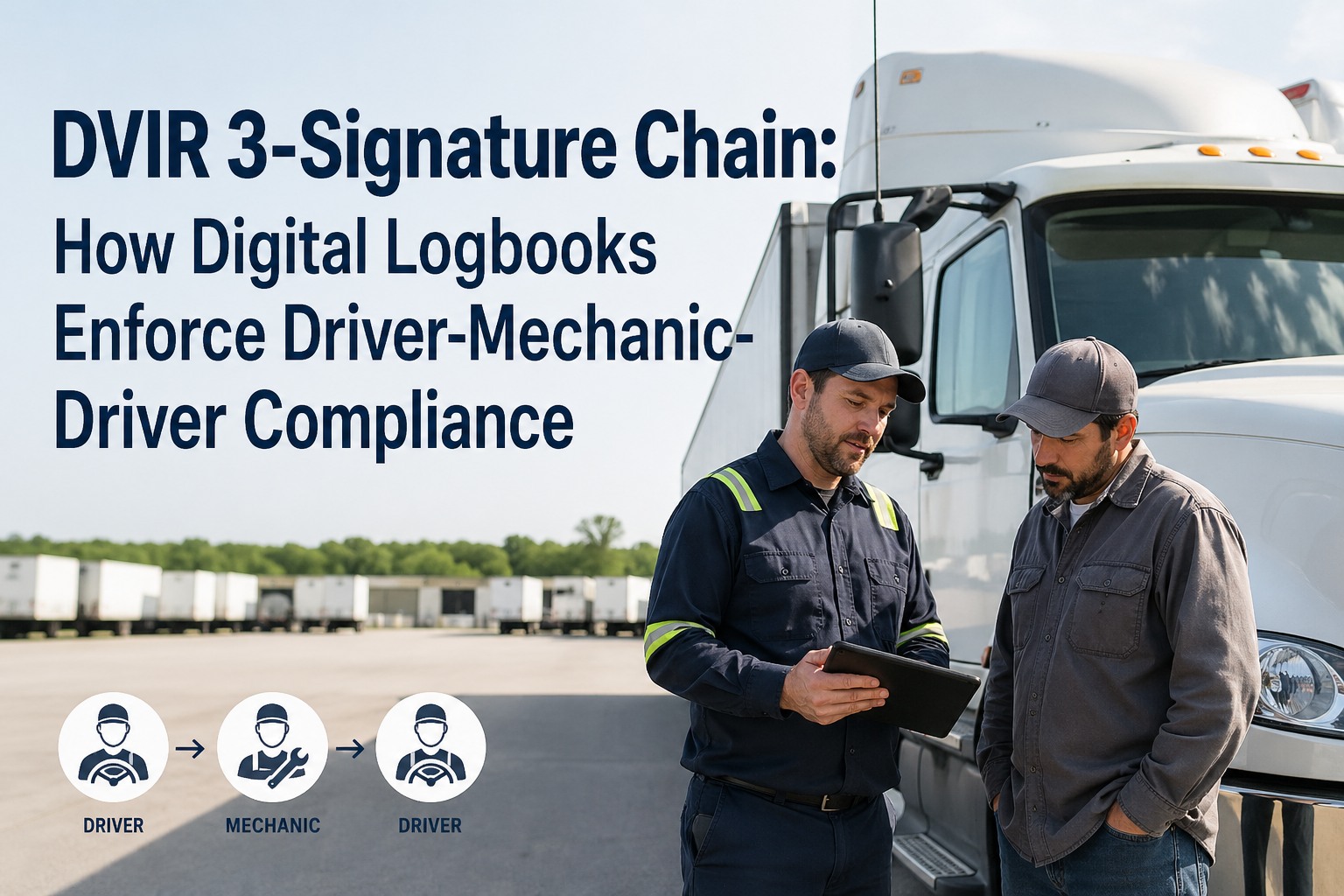
The Post-Trip DVIR Workflow: 4-Step Compliance Chain
At the completion of each day's work, the driver inspects the vehicle and prepares a DVIR listing any defects discovered by or reported to the driver during that day. The report must include vehicle identification, the condition of each §396.11 component, driver signature, and date. If a driver operates more than one vehicle during the day, a separate DVIR must be prepared for each.
The motor carrier receives the DVIR and reviews reported defects. Each defect must be evaluated: does it affect safe operation or is it likely to cause a breakdown? Critical defects require immediate repair before the vehicle is dispatched. The carrier may not dispatch a vehicle with unrepaired safety defects.
A qualified mechanic or carrier official repairs all defects affecting safety. The repair is then certified on the original DVIR — either that repairs were completed or that repair was deemed unnecessary. This certification must be signed before the vehicle is dispatched again.
Before operating the vehicle, the next driver reviews the most recent DVIR, confirms repair status, and signs. This completes the full FMCSA accountability chain. The original DVIR with all signatures must be retained for a minimum of 3 months.
HVI Automates the Entire Post-Trip Chain
With HVI, drivers complete post-trip inspections on their phone in under 5 minutes. Defects trigger instant push notifications to your maintenance team. Work orders are auto-generated with defect details and photos. Mechanics certify repairs digitally. The next driver sees the repair status and signs — completing the full FMCSA chain electronically. Every step is timestamped, GPS-tagged, and stored for instant audit access.
Pre-Trip vs. Post-Trip: Understanding Both Sides
6 Post-Trip Mistakes That Trigger Audit Failures
When 95% of DVIRs report zero defects, auditors see a red flag — not a clean fleet. It suggests drivers are rubber-stamping without actually inspecting. Digital tools with photo requirements and guided checklists produce more thorough, defensible inspections.
Every DVIR must include unit number, VIN, license plate, or other unique identifier that ties the report to a specific vehicle. Generic or missing vehicle IDs make DVIRs non-compliant and impossible to match during audits.
The carrier must certify on the original DVIR that defects were repaired or deemed unnecessary BEFORE the vehicle is dispatched again. This is the most commonly missed step — and one of the most frequently cited violations.
Under 396.13, the next driver must review and sign the previous DVIR before operating. Breaking this link voids the custody chain and creates a separate citable violation for both driver and carrier.
If a driver operates more than one vehicle during a workday, a separate DVIR must be prepared for each vehicle operated. Missing this requirement during relay operations or yard moves is a common audit finding.
Motor carriers must retain DVIRs for a minimum of 90 days. During audits, FMCSA can request records with as little as 48 hours notice. Paper DVIRs lost in filing cabinets equal automatic violations. Cloud-stored eDVIRs eliminate this risk entirely.
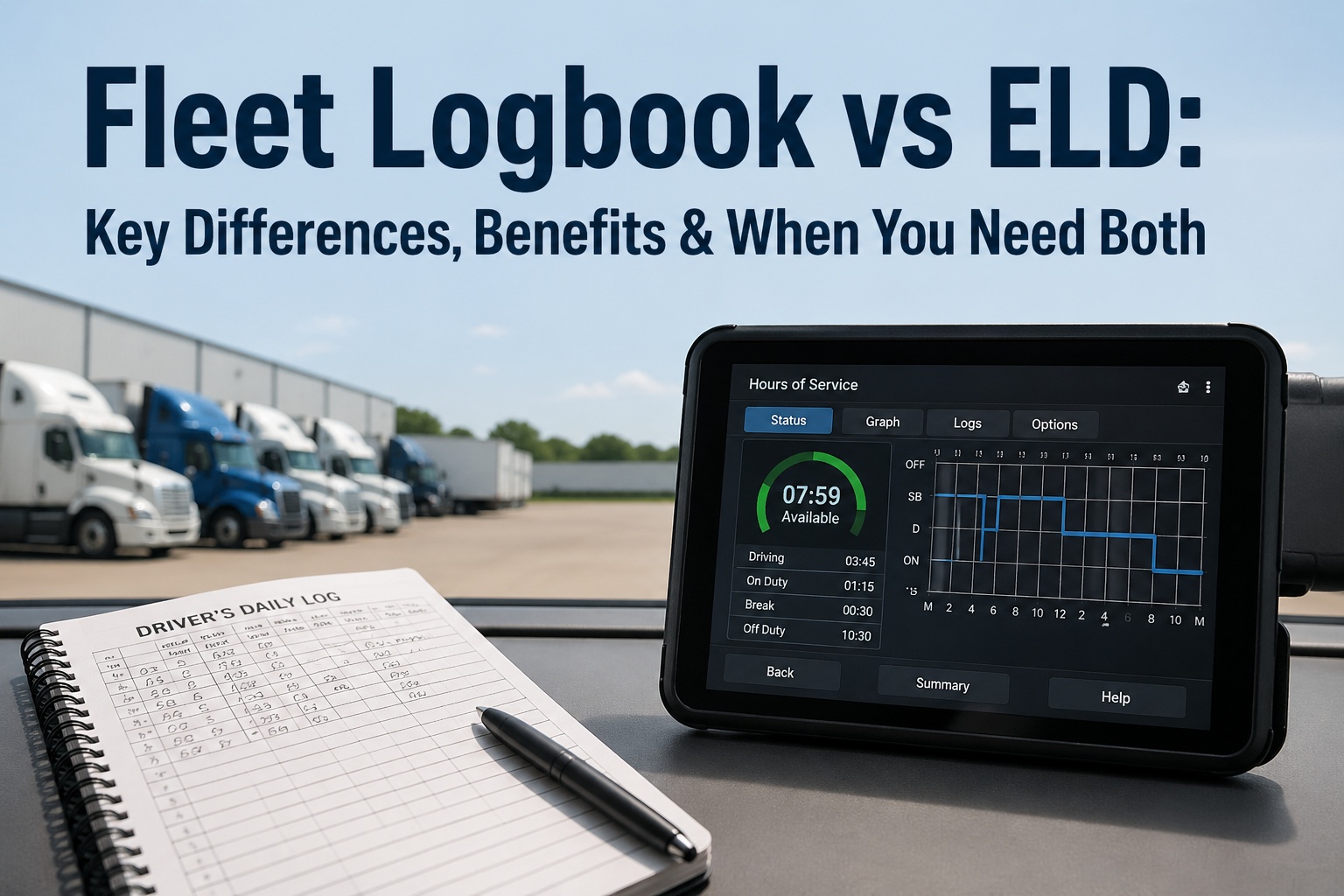
Paper vs. Digital Post-Trip: Why eDVIRs Win
Frequently Asked Questions
FMCSA requires a DVIR at the completion of each day's work under 49 CFR 396.11. Technically, the regulation does not mandate a formal "post-trip inspection" — it mandates the written report of defects found during the day. However, to properly identify defects, a thorough end-of-day inspection is the practical requirement. For property-carrying CMVs, a DVIR is only required when defects are found. For passenger-carrying CMVs, a DVIR is required every day regardless.
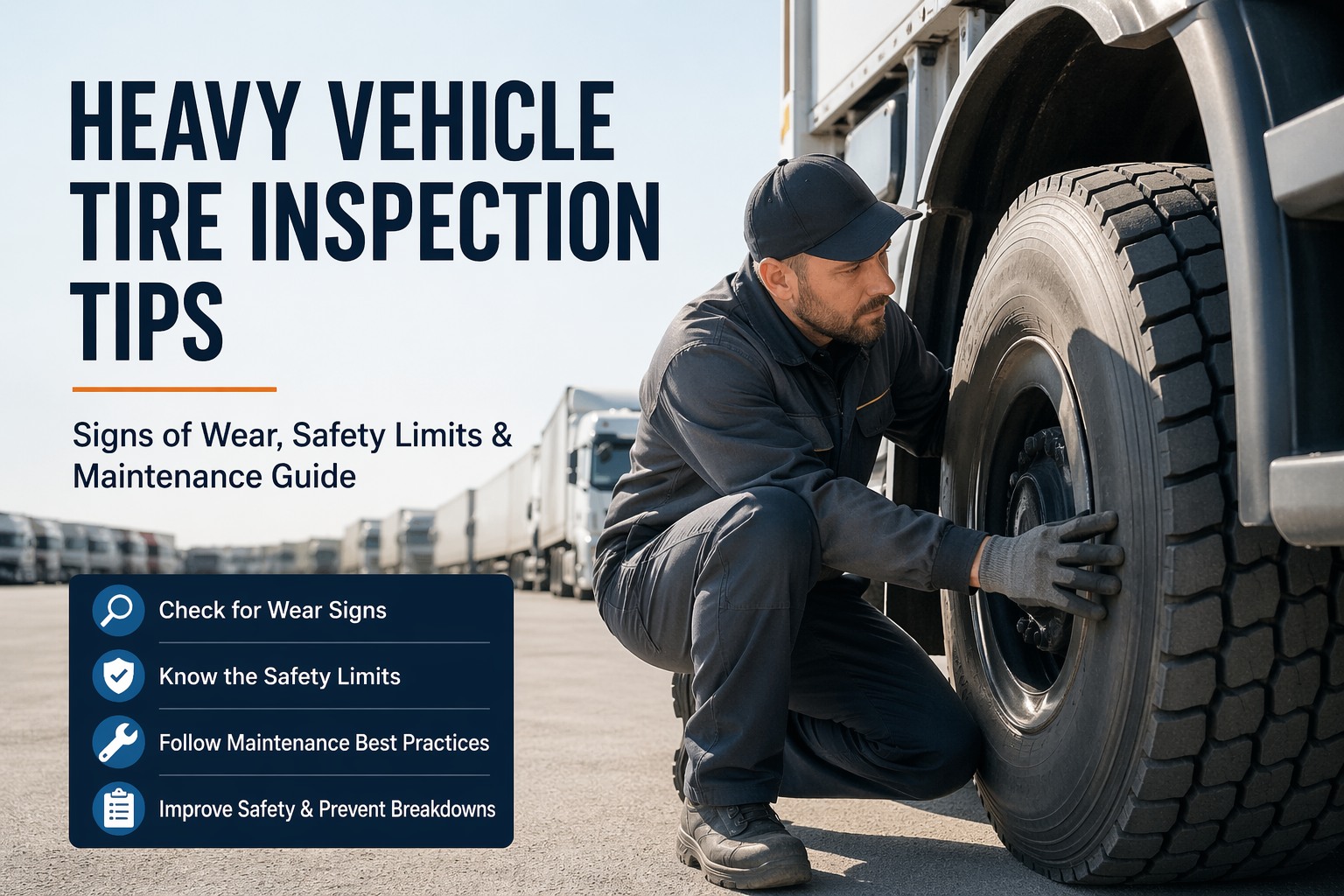
Every DVIR must include vehicle identification (unit number, VIN, or license plate), the condition of each of the 11 FMCSA-mandated components (brakes, steering, tires, lights, horn, wipers, mirrors, coupling, wheels, emergency equipment), any defects or deficiencies discovered, the driver's signature, and the date of inspection.
Motor carriers must retain DVIRs for a minimum of 3 months (90 days) from the inspection date. Annual periodic inspection reports require 14-month retention. Maintenance and repair records must be kept throughout the vehicle's service life plus 6 months after disposal. Digital storage makes indefinite retention effortless.
Yes. Electronic DVIRs have been permitted since 2018 under 49 CFR 390.32. FMCSA published a final rule on February 19, 2026 (effective March 23, 2026) explicitly authorizing eDVIRs in §396.11 and §396.13. The American Trucking Associations, OOIDA, and NTTC all supported the rulemaking. FMCSA actively encourages the transition to electronic methods.
For property-carrying CMVs: no DVIR is required when no defects are found (since the 2014 rulemaking). For passenger-carrying CMVs: yes, a DVIR is required every day regardless. However, most compliance experts strongly recommend filing a "no defect" DVIR daily for all vehicles as company policy — it creates a positive compliance record and demonstrates inspection diligence during audits.
The vehicle cannot be dispatched until defects affecting safe operation are repaired and certified on the original DVIR. Dispatching with unrepaired safety defects can result in fines up to $23,048 per occurrence for the carrier. The driver is also prohibited from operating the vehicle and can face penalties of up to $2,304 per violation.
Make Every End-of-Day Count
The 5 minutes your drivers invest in a post-trip inspection creates the overnight repair window, the DVIR compliance chain, and the maintenance data that keeps your fleet safe and audit-ready. HVI makes post-trip inspections faster, more thorough, and completely digital — with photo evidence, instant defect alerts, and automated repair tracking.
No credit card • No hardware • Setup in under 10 minutes • FMCSA compliant