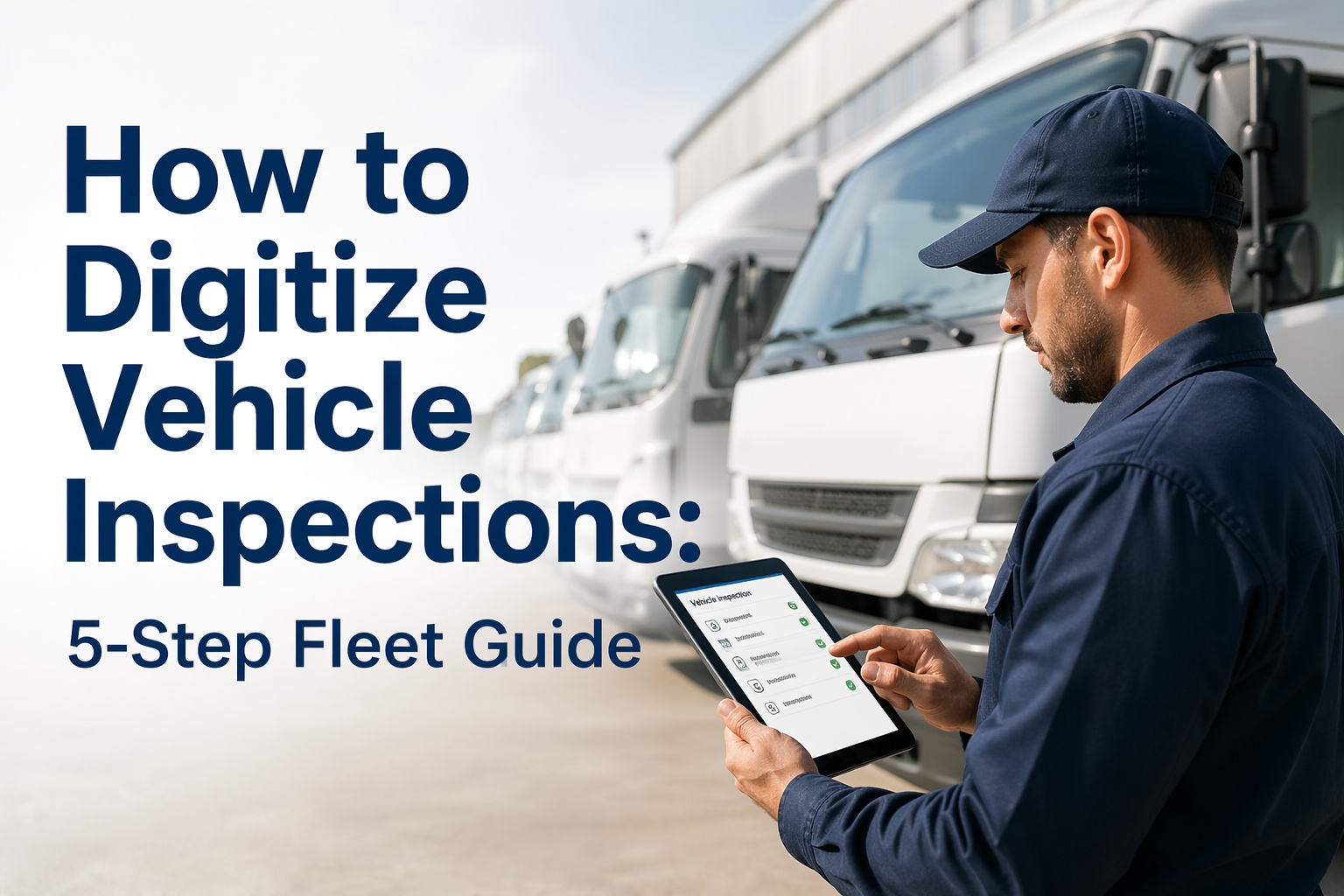
Fuel theft in fleets costs the transportation industry over $1.2 billion annually, with the average commercial fleet losing 15-25% of their fuel budget to theft, fraud, and unauthorized usage. This guide provides proven strategies to detect, prevent, and eliminate fuel theft while implementing technologies that can reduce fuel losses by up to 87%.
Understanding Fuel Theft in Commercial Fleets
Fuel theft encompasses various forms of unauthorized fuel access, from direct siphoning to sophisticated fuel card fraud. Understanding these methods enables targeted prevention strategies.
73% of commercial fleets experience fuel theft annually, with internal theft accounting for 62% of incidents. Fleets using comprehensive monitoring systems report 78% average theft reduction within the first year.
Common Types of Fuel Theft
| Theft Type | Method | Average Loss |
|---|---|---|
| Direct Siphoning | Physical fuel removal from tanks | $150-$800 per incident |
| Fuel Card Fraud | Unauthorized fuel card usage | $200-$1,500 per month |
| False Reporting | Inaccurate fuel consumption logs | $300-$2,000 per month |
| Unauthorized Fueling | Personal vehicle fueling with fleet cards | $100-$600 per month |
- Unexplained fuel consumption increases of 15% or more without corresponding mileage changes
- Frequent off-route stops at gas stations or unauthorized locations
- After-hours fuel card usage when vehicles should be parked
- Inconsistent fuel efficiency across similar vehicles and routes
Advanced Detection Methods
Modern fuel theft detection combines technological solutions with systematic monitoring to provide comprehensive security coverage and real-time alerts.
Real-time vehicle location monitoring enables fleet managers to track unauthorized stops, route deviations, and suspicious activities. Geofencing alerts provide immediate notifications when vehicles enter restricted areas or make unexpected stops.
Precision fuel sensors provide accurate, real-time fuel level data with 99% accuracy. Advanced sensors detect rapid fuel level drops, unauthorized removal, and unusual consumption patterns instantly.
Comprehensive vehicle data analysis correlates fuel consumption with engine performance, route efficiency, and driver behavior to identify anomalies indicating potential theft.
Fuel Card Security
- Real-time transaction monitoring: Immediate alerts for unusual purchases
- PIN-based security: Unique driver identification for all transactions
- Location restrictions: Limit usage to approved stations and areas
- Time-based controls: Restrict access to authorized business hours
- Purchase limits: Set maximum amounts based on tank capacity
- GPS integration: Cross-reference purchases with vehicle location
Stop Fuel Theft Before It Starts
Implement advanced fuel monitoring and GPS tracking systems that have helped over 2,500 fleets reduce fuel theft by an average of 78%. Our comprehensive security solutions pay for themselves in 4-6 months.
Prevent Loss NowFree assessment • 30-day trial • $0 setup fees
Comprehensive Prevention Strategies
Effective prevention requires multiple security layers combining physical protection, operational procedures, and technology solutions.
Physical Security Measures
- Locking fuel caps: High-security locks with unique key systems
- Tank protection: Anti-drill plates and reinforced mounting
- Surveillance systems: Motion-activated cameras with night vision
- Perimeter security: Controlled access and intrusion detection
Operational Procedures
- Pre-trip fuel verification: Document exact fuel levels before departure
- Route monitoring: GPS tracking with geofencing alerts
- Regular fuel audits: Weekly reconciliation of purchases and consumption
- Driver accountability: Personal responsibility and performance tracking
- Training programs: Security awareness and prevention education
Technology Solutions and ROI
Investment in fuel security technology provides measurable returns through theft prevention, operational efficiency, and insurance cost reductions.
| Security Solution | Initial Investment | Monthly Savings | Payback Period |
|---|---|---|---|
| GPS Tracking | $150-$300 per vehicle | $120-$280 per vehicle | 2-4 months |
| Fuel Monitoring | $400-$800 per vehicle | $200-$450 per vehicle | 3-6 months |
| Comprehensive System | $1,200-$2,500 per vehicle | $500-$950 per vehicle | 5-10 months |
Implementation Success Story
150-vehicle delivery fleet reduced fuel theft by 84% and achieved $272,000 annual savings within 14 months. The comprehensive GPS and fuel monitoring system provided 340% ROI plus 22% insurance premium reduction.
Best Practices for Long-Term Success
Sustainable fuel security requires ongoing commitment to technology updates, process improvement, and organizational culture development.
- Regular security audits: Quarterly system effectiveness reviews
- Continuous training: Ongoing education for all personnel
- Performance monitoring: Systematic tracking of security metrics
- Technology updates: Planned system modernization cycles
- Industry collaboration: Best practice sharing and information exchange
Future Technology Trends
AI-powered anomaly detection and machine learning algorithms now provide predictive theft prevention capabilities. These systems identify potential security threats before incidents occur, offering unprecedented protection levels.
Eliminate Fuel Theft from Your Fleet Today
Join thousands of fleet managers who have eliminated fuel theft and saved millions in operational costs. Our proven security solutions provide immediate detection, comprehensive prevention, and measurable ROI.
Start Saving NowFree consultation • Custom solution design • 90-day money-back guarantee
Conclusion
Fuel theft represents a significant threat requiring comprehensive, technology-enabled solutions. The strategies outlined in this guide provide fleet managers with proven tools to eliminate theft, reduce costs, and improve security. Success requires commitment to systematic implementation, ongoing monitoring, and continuous improvement.