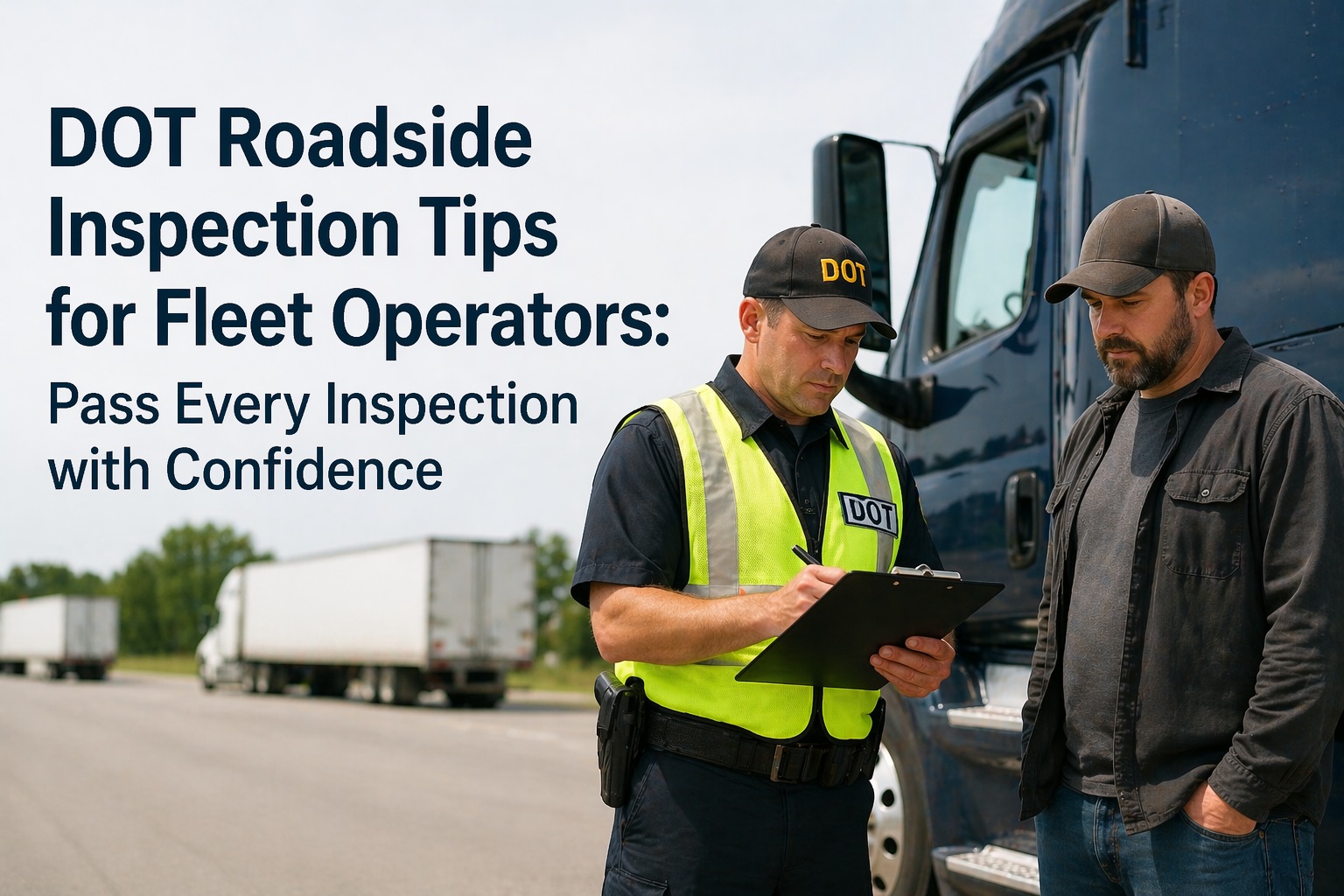
A DOT roadside inspection happens without warning — and the outcome is decided by preparation that began long before the officer stepped onto the shoulder. Over 3.5 million commercial vehicles are inspected at North American roadsides every year, with 2026 data showing a 12% increase. At the 2025 International Roadcheck alone, 56,178 inspections produced a 22.6% vehicle out-of-service rate — roughly 1 in 5 trucks failed on the spot. Only 7% of motor carriers pass a compliance review without a single violation; the other 93% absorb fines that can reach $19,277 per occurrence, CSA score hits that escalate insurance premiums 10-30%, and out-of-service orders that strand drivers mid-route. The fleets that roll through inspections with clean reports do the same things every day: thorough pre-trip inspections, organized documentation, tight DVIR discipline, and driver training on what to say and do when the blue lights come on. This guide covers every tip a fleet operator needs to pass DOT roadside inspections with confidence. Start your free HVI trial to activate a complete pre-trip and DVIR workflow, or book a 30-minute demo to see how inspection-ready fleets operate.
What triggers a DOT roadside inspection?
DOT roadside inspections are rarely random. FMCSA's Inspection Selection System (ISS) ranks every carrier by priority, and enforcement officers combine that data with what they see on the road. Understanding the five trigger categories helps fleets reduce their inspection exposure — and fail fewer when inspections do happen.
A single burned-out light, damaged tire, visible leak, or smoking brake gives an officer probable cause to conduct a full Level I inspection. Officers on patrol spot visible defects from 100+ feet away and act on them immediately.
FMCSA's Inspection Selection System assigns a priority score to every carrier. High CSA scores, recent out-of-service orders, and safety complaints push you to the top of the inspection queue at every weigh station.
Bypass systems like PrePass and Drivewyze use real-time CSA data, credentials status, and FMCSA alerts to decide whether to grant a bypass. A denied bypass typically means an inspection is queued and waiting.
Carriers in their first 18 months of operation face heavier inspection frequency as FMCSA establishes baseline safety data. Expect more roadside stops during your new-entrant safety audit period.
Even clean carriers face random selection during CVSA-organized enforcement campaigns — International Roadcheck, Brake Safety Week, Operation Safe Driver Week. No prior warning; no exemption for spotless records.
The 2026 enforcement calendar every fleet should know
CVSA runs several announced enforcement events each year — plus one unannounced one. Fleets that ramp up inspection discipline during these windows get measurable CSA benefits. Here's the 2026 schedule.
72-hour enforcement across US, Canada, and Mexico. Vehicle focus 2026: cargo securement (18,108 violations in 2025). Driver focus 2026: ELD tampering and HOS records. Approximately 15 trucks inspected every minute across North America during the event.
7-day focus on driver behavior violations — speeding, distracted driving, improper lane change, failure to use seatbelt. Typically runs in July.
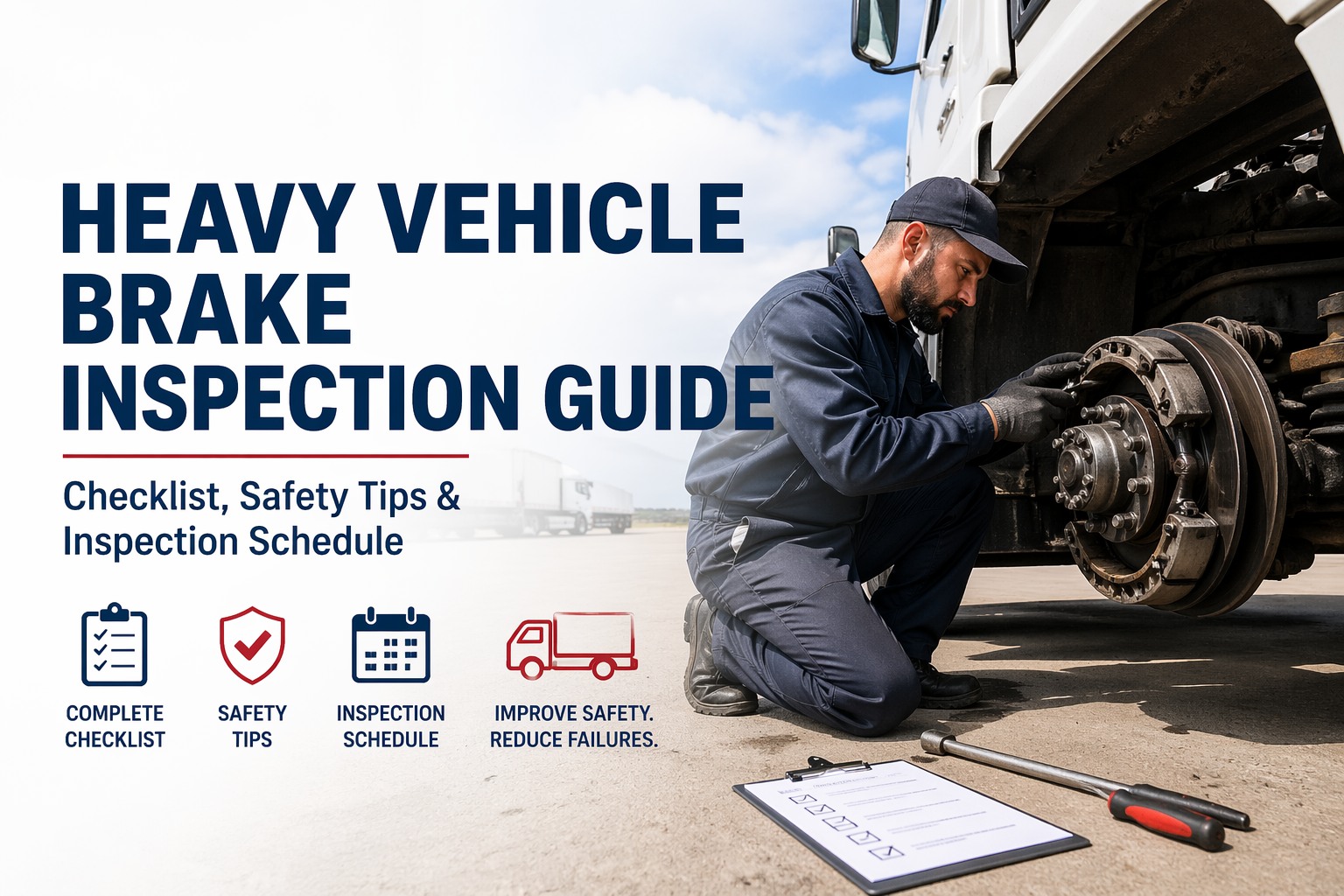
Dedicated week of specialized brake-component inspections. Pushrod stroke, slack adjuster travel, air leaks, drum condition. Any brake OOS means immediate removal from service.
CVSA conducts an additional Brake Safety Day each year with zero advance notice. Announced only after it happens. The only defense is year-round brake maintenance discipline — not event-driven prep.
The top 5 violations — and how to prevent each one
The same violations lead CVSA results year after year. These five categories account for the vast majority of vehicle out-of-service orders at roadside. Preventing them is the shortest path to a clean inspection record.
What inspectors find: Adjustment out of spec, air leaks, defective linings, inoperative brakes, 20%+ defective brakes across the vehicle.
Prevention: Daily pre-trip brake check — pushrod stroke, air build-up/leak-down, low-air warning cycle, ABS light. Quarterly brake adjustment reviews. Replace suspect slack adjusters preventively; a $150 part prevents $4,200+ in OOS costs.
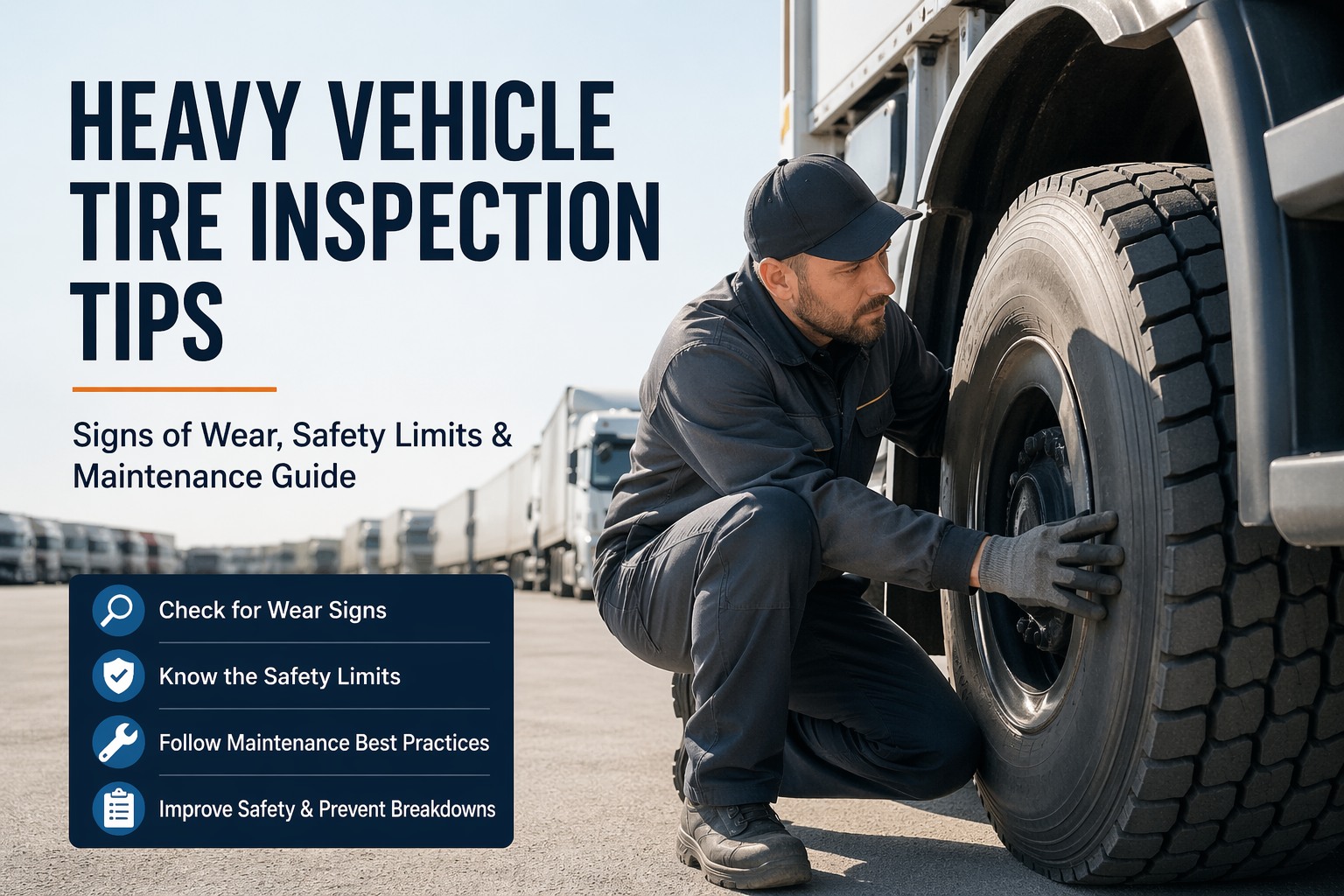
What inspectors find: Steer tread below 4/32", drive/trailer below 2/32", sidewall damage, exposed cord, underinflation, flat-and-rolling. Tires also cause 53.5% of all roadside breakdowns — the single largest breakdown category.
Prevention: Use a tread depth gauge (not visual inspection). Check for rust trails around lug nuts — indicates loosening. Verify duals aren't touching. Walk every tire every pre-trip.
What inspectors find: Inoperative lamps, missing reflectors, damaged lens. A single burned-out light gives an officer probable cause to conduct a full Level I — and full Level I inspections find far more violations than the original lamp issue.
Prevention: 60-second perimeter walk with all lights on — headlights, turn signals, brake lamps, marker lamps, trailer tail/stop/turn. This single check prevents the most common inspection trigger.
What inspectors find: Insufficient tie-down count, damaged straps/chains, loose blocking, no edge protection. This is the 2026 International Roadcheck vehicle focus — expect heightened enforcement during May 12-14 and all year.
Prevention: Know the rules — one tie-down per 1,100 lbs for articles under 5 feet, two for 5-10 feet. Verify tension before departure AND after first 50 miles. Document securement in departure inspection.
What inspectors find: Exceeded hours, suspicious edits, ghost driving, mismatched records. 2026 Roadcheck driver focus: ELD tampering and falsification. Falsification fines reach $12,700 per occurrence.
Prevention: Review logs before departing. Verify ELD is functioning and displaying correctly. Know your available hours before taking any load. Never edit historical logs without annotation.
The 5-minute pre-shift routine that prevents failures
A thorough pre-trip takes 15-30 minutes and every driver should do one before every workday. But the systematic pre-shift routine below takes just 5 minutes, catches the violations that inspectors actually find, and runs on muscle memory.
Turn all lights on. Walk around the vehicle. Verify every lamp works — headlights, marker lamps, turn signals, brake lamps, clearance lamps, trailer lamps. The #1 gateway violation check.
Tread depth gauge on each tire. Walk for sidewall damage, exposed cord, flat-and-rolling duals. Check for rust trails around lug nuts. Don't trust visual inspection alone.
In-cab: air pressure build-up time, leak-down rate, low-air warning cycle, ABS light. Under truck: slack adjuster stroke, obvious air leaks. 3 checks catch 80% of brake violations.
Confirm tie-down count matches cargo weight and length. Check strap tension and condition. Verify blocking/bracing. Edge protection present where needed. Re-check after first 50 miles.
ELD functioning, displaying current duty status correctly. Review prior DVIR. Check available HOS. Verify medical cert, CDL, registration, permits in the binder/app within 30 seconds.
Documents every driver must have ready in 30 seconds
The fastest way to fail a Level III (credential) inspection is fumbling through a glovebox when an officer asks for paperwork. Every credential below should be accessible in under 30 seconds — physically or digitally.
Valid, unexpired, correct class for vehicle being operated, all required endorsements present. The most common credential failure: CDL downgrade after medical certification lapse that neither driver nor fleet caught.
MCSA-5876 form, valid and unexpired. For CDL holders in most states, verification now flows through MVR — paper cert still accepted during the April-October 2026 exemption window.
Current state registration + annual DOT inspection decal or report (49 CFR § 396.17). Must be on the vehicle at all times of operation.
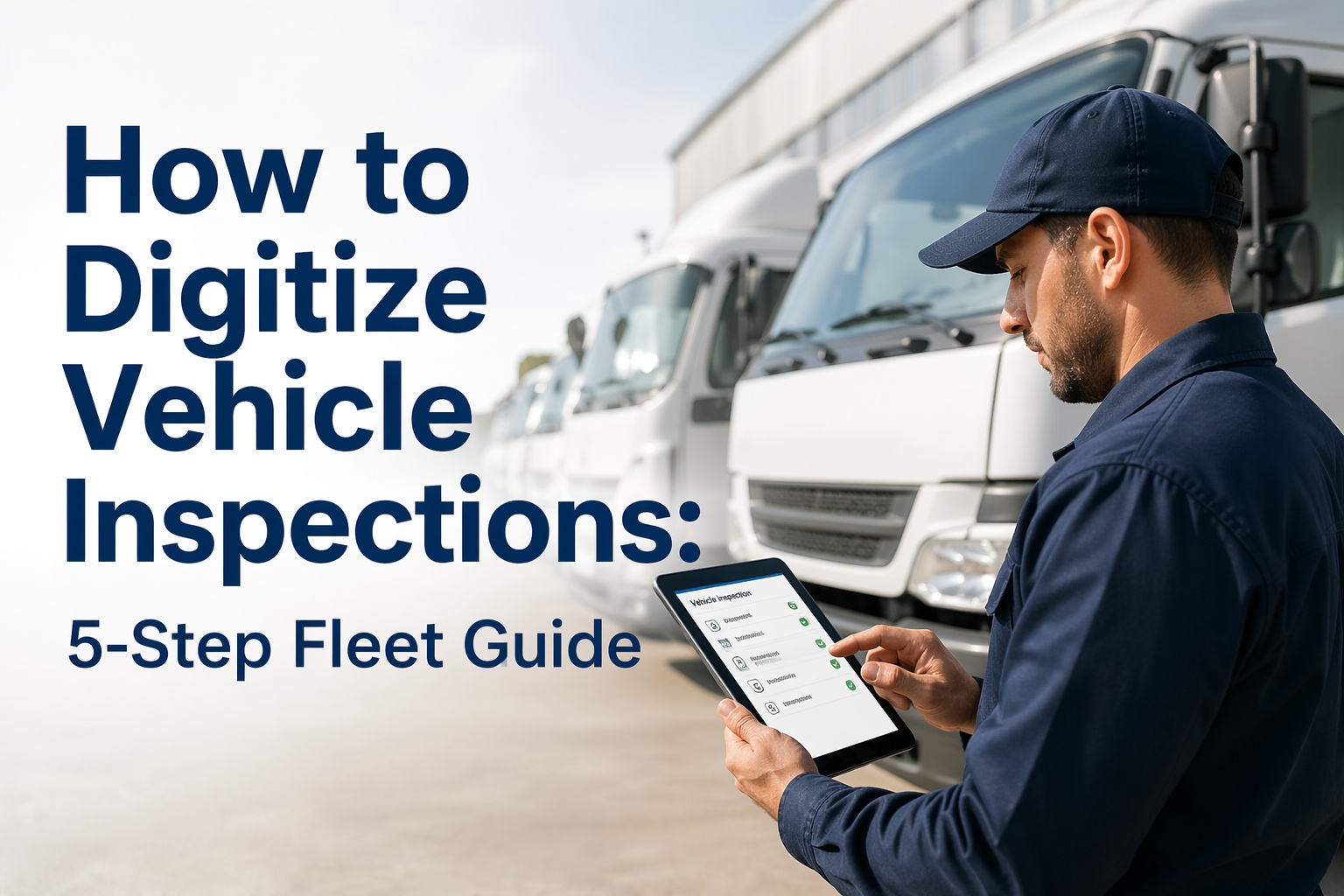
Today's inspection and the most recent prior DVIR with repair certification. Digital DVIRs in the app satisfy this requirement under the March 2026 eDVIR final rule.
Electronic Logging Device logged in, displaying current status. Inspector may request 8 days of records. Know how to transfer data to an enforcement officer.
Bill of lading, shipping manifest, permits for any specialized cargo. Hazmat shipping papers must be within arm's reach of the driver's seating position.
IRP registration, IFTA credentials, state-specific permits, oversize/overweight permits if applicable. All organized so you can produce any document in 30 seconds.
What to do the moment you're pulled over
Courtesy and professionalism during the inspection itself measurably affects outcomes. Seasoned fleet compliance managers confirm: drivers who treat officers as respected professionals get the benefit of the doubt on borderline calls. Here's the driver protocol that works.
Use turn signal. Select the safest shoulder location. Park well off the travel lane. Turn on 4-way hazard flashers. Set parking brake.
Hands visible on the steering wheel. Wait for the officer to approach. Roll window down fully. Do not get out until asked.
Good morning/afternoon, Officer. Identify yourself. Ask how you can help. Never argue the legitimacy of the stop — comply and document if you believe it was unlawful, file a complaint afterward.
Hand over requested items one at a time. Know exactly where each is located. Fumbling extends the inspection and invites closer scrutiny.
Even clean inspections consume 30-60 minutes. Remain with the truck. Answer questions honestly. Do not volunteer information not requested.
Every inspection generates a report — clean or otherwise. Get a copy before leaving. Clean inspections improve your CSA score; document them carefully.
Free resource — downloadable inspection checklist
Download the complete pre-shift routine, document checklist, top-5 violation prevention guide, and driver protocol as a single printable PDF. Available inside every HVI account — along with fleet-wide analytics to track inspection outcomes across your driver roster.
Get the free checklistFrequently asked questions
Pass every DOT roadside inspection with confidence.
HVI's platform runs the complete pre-shift routine, DVIR workflow, document accessibility, and fleet-wide CSA tracking in one system. Every driver walks out knowing exactly what to check; every fleet manager knows which vehicles are inspection-ready today. No more fumbling for paperwork. No more surprise OOS orders. No more 93% of carriers finding out the hard way.
No credit card required · Full pre-shift + DVIR workflow live in minutes · Works on every mobile device