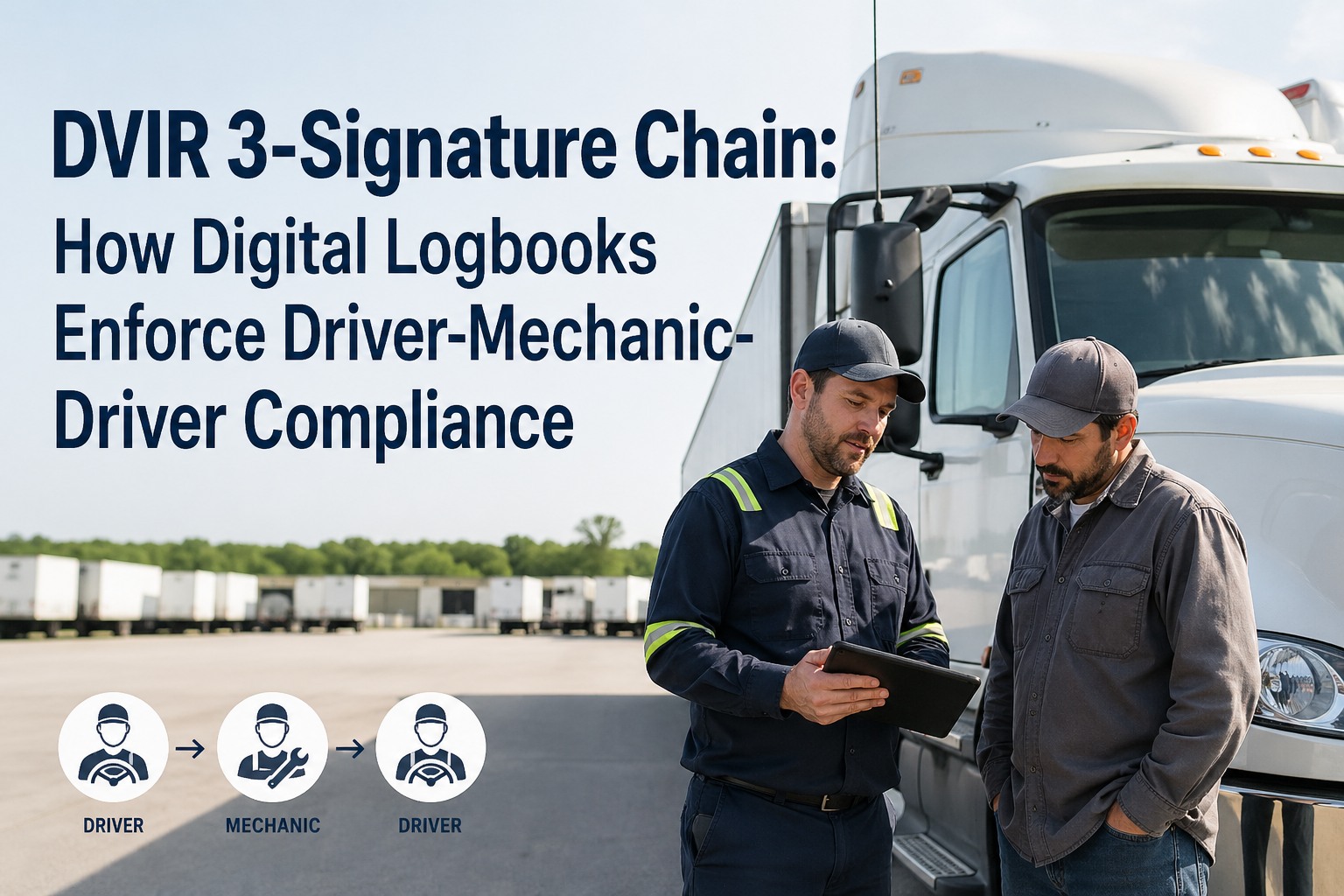
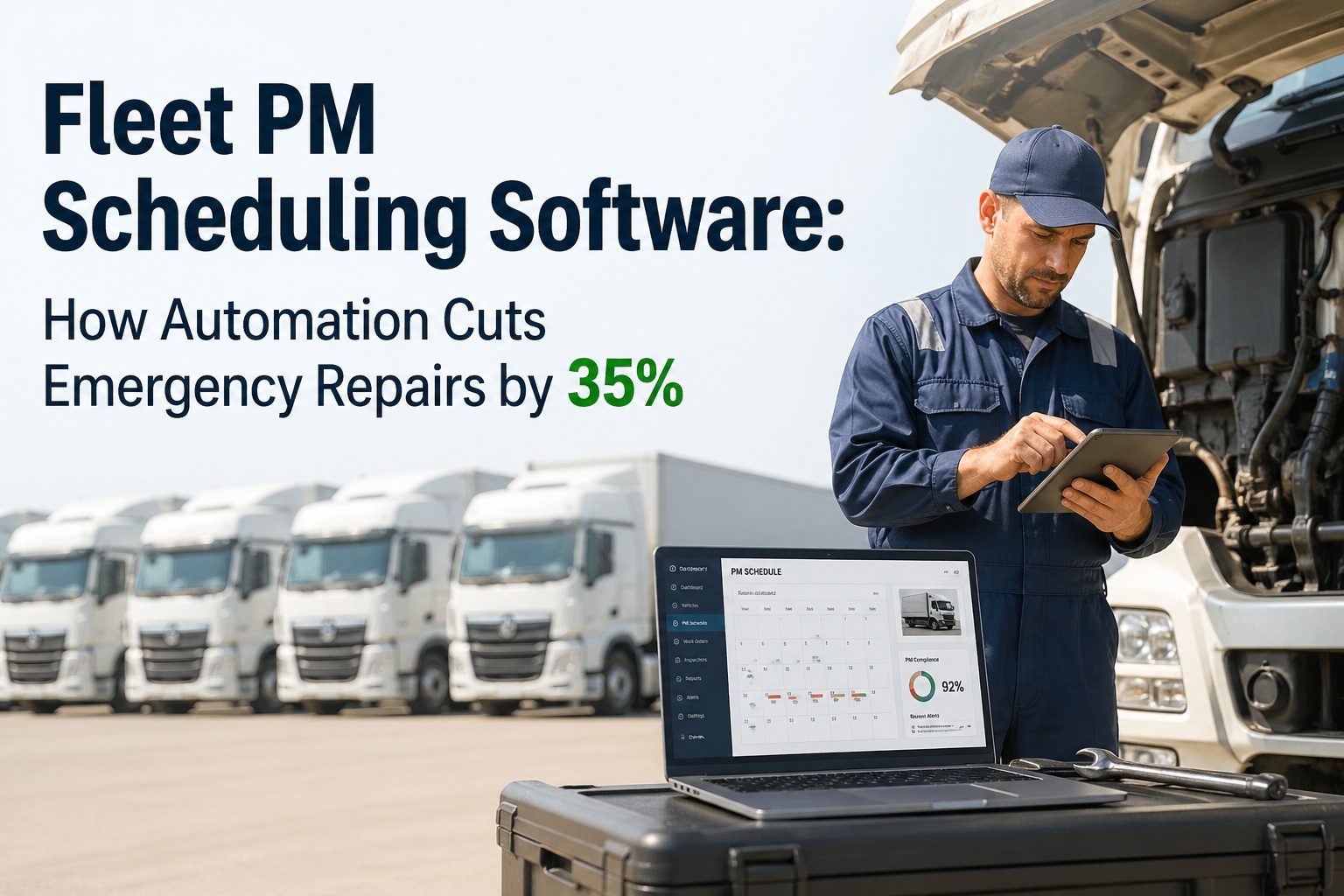
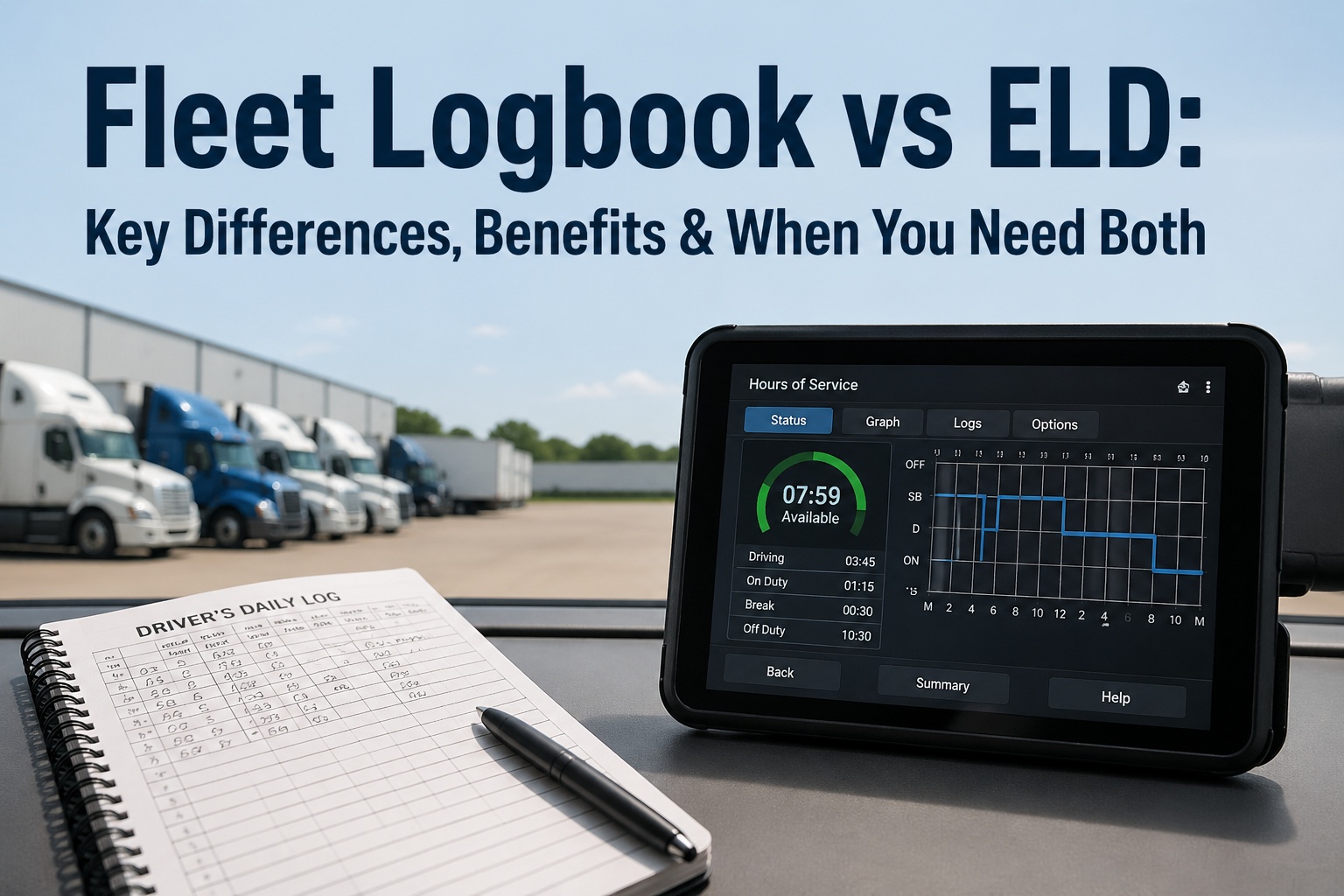
Every fleet manager knows the sinking feeling: a truck breaks down mid-route, an excavator fails on a critical job, or worse—an accident that could have been prevented. When we analyze these failures, a pattern emerges that's both frustrating and fixable. The vast majority of fleet inspection failures trace back to a single missed check—one item skipped, overlooked, or marked "OK" without actually looking. Start your free digital inspection trial, or book a demo to see how fleets eliminate inspection gaps.
The Root Cause Pattern
After analyzing thousands of equipment failures across construction, trucking, and heavy equipment fleets, a clear pattern emerges. It's not that inspections aren't happening—it's that they're not happening thoroughly. One critical item gets overlooked, and that single gap becomes the failure point.
Time Pressure
Rushing to meet schedules leads to shortcuts. Operators check boxes without actually inspecting components.
Training Gaps
Operators don't know what to look for or why certain checks matter. They miss warning signs they weren't taught to recognize.
Poor Checklists
Generic or outdated checklists don't guide inspectors to equipment-specific critical points. Important items get buried.
No Accountability
When inspections aren't reviewed or tracked, operators learn that thoroughness doesn't matter. Compliance becomes paperwork theater.
The Most Commonly Missed Checks
Certain inspection items are skipped far more often than others. These are the checks that seem minor but cause major failures—the items most likely to be marked "OK" without verification.
Fluid Level Verification
Operators glance at sight glasses or assume levels are fine because they were fine yesterday. Actual dipstick or gauge checks get skipped.
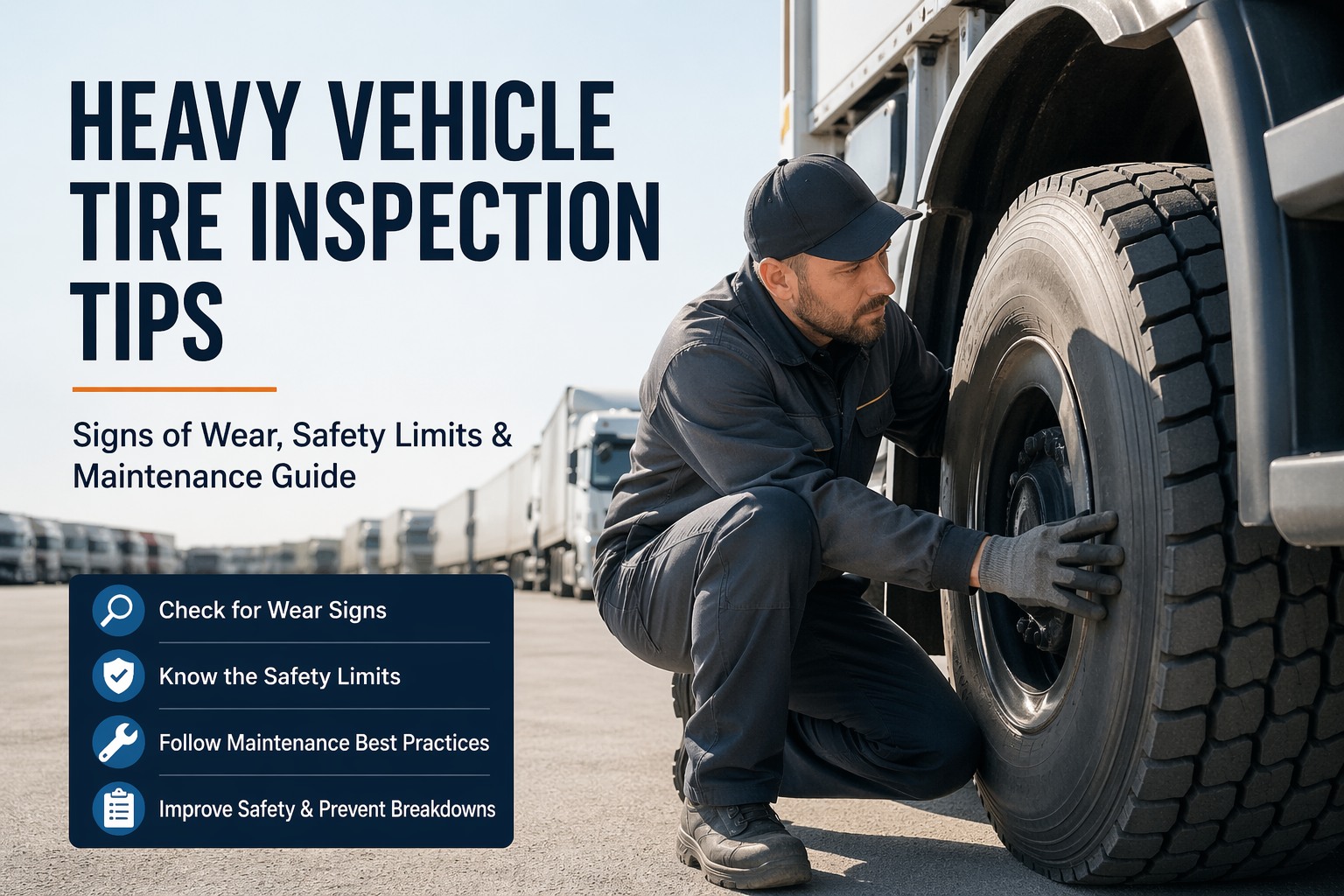
Tire/Track Condition
Walk-arounds happen, but operators don't get down to check tire pressure, tread depth, sidewall damage, or track tension.
Hydraulic Hose Inspection
Hoses are checked visually from a distance, but not examined for bulging, cracking, or abrasion at connection points.
Brake System Testing
Brakes are assumed to work because they worked last time. Actual functional tests—pedal feel, holding on grade—are skipped.
Safety System Function
Backup alarms, lights, and warning systems are marked "working" without actually testing each one during inspection.
Real Failure Case Studies
These anonymized cases from actual fleet operations show how single missed checks cascade into costly failures. Each one was preventable with thorough inspection.
The Coolant Level That Wasn't Checked
The Hydraulic Hose Nobody Touched
The Brake Test That Never Happened
Why Paper Inspections Fail
The inspection failures above share a common element: paper-based or poorly implemented digital systems that allow—even encourage—shortcuts.
No Verification
Paper accepts any checkbox. There's no way to verify the operator actually looked at what they're checking off.
No Timestamps
Inspections can be completed retroactively or in bulk. "Monday's inspection" might be filled out Thursday afternoon.
No Photo Evidence
Written notes like "oil OK" don't prove anything. Photos create accountability and catch issues operators miss.
No Real-Time Alerts
Defects sit in paper stacks until someone reviews them—if ever. Critical issues don't reach maintenance for days.
No Trend Analysis
Paper can't identify patterns across equipment or operators. Recurring issues go unnoticed until catastrophic failure.
No Accountability Trail
When failures happen, paper records are incomplete, illegible, or conveniently missing. Liability exposure increases.
How to Eliminate Inspection Gaps
Preventing the "one missed check" failure pattern requires systematic changes to how inspections are conducted, verified, and managed.
Require Photo Documentation
For critical inspection points—fluid levels, tire condition, hydraulic hoses—require photos as part of the inspection. This forces actual visual verification and creates evidence.
Use Guided Digital Checklists
Equipment-specific checklists that guide operators through inspection sequences—with clear criteria for each item—ensure nothing gets skipped or rushed.
Implement Real-Time Alerts
When defects are reported, maintenance should know immediately—not when someone gets around to reviewing paperwork. Critical issues trigger instant notifications.
Train on the "Why"
Operators who understand why each check matters—and what failures look like—conduct better inspections. Show them the case studies. Make it personal.
Review and Recognize
Management must actually review inspection data—and recognize operators who find issues. When thoroughness is valued and visible, it becomes the norm.
Track Completion Quality
Monitor not just whether inspections are done, but how thoroughly. Flag inspections completed too quickly or with no defects found over long periods.
Digital inspection systems with required photos, guided checklists, and real-time alerts eliminate the gaps that cause failures.
Measuring Inspection Effectiveness
You can't improve what you don't measure. These metrics reveal whether your inspection program is actually preventing failures or just generating paperwork.
Defect Detection Rate
Percentage of inspections that identify at least one defect. Too low (under 5%) suggests operators aren't looking carefully. Too high (over 40%) suggests maintenance issues.
Average Inspection Time
How long operators spend on inspections. Consistent 2-minute inspections across 30-item checklists are red flags—nobody's actually checking anything.
Breakdown Correlation
When breakdowns occur, review the last 5 inspections. Were there warning signs that weren't caught or weren't reported? This is your accountability metric.
Defect Response Time
Time from defect report to maintenance acknowledgment. If critical defects sit unreported for days, your inspection system has a communication failure.
Frequently Asked Questions
Eliminate Inspection Failures in Your Fleet
The pattern is clear: 90% of preventable failures trace back to one missed check. Digital inspection tools with required photos, guided checklists, and real-time alerts close those gaps before they become costly breakdowns.