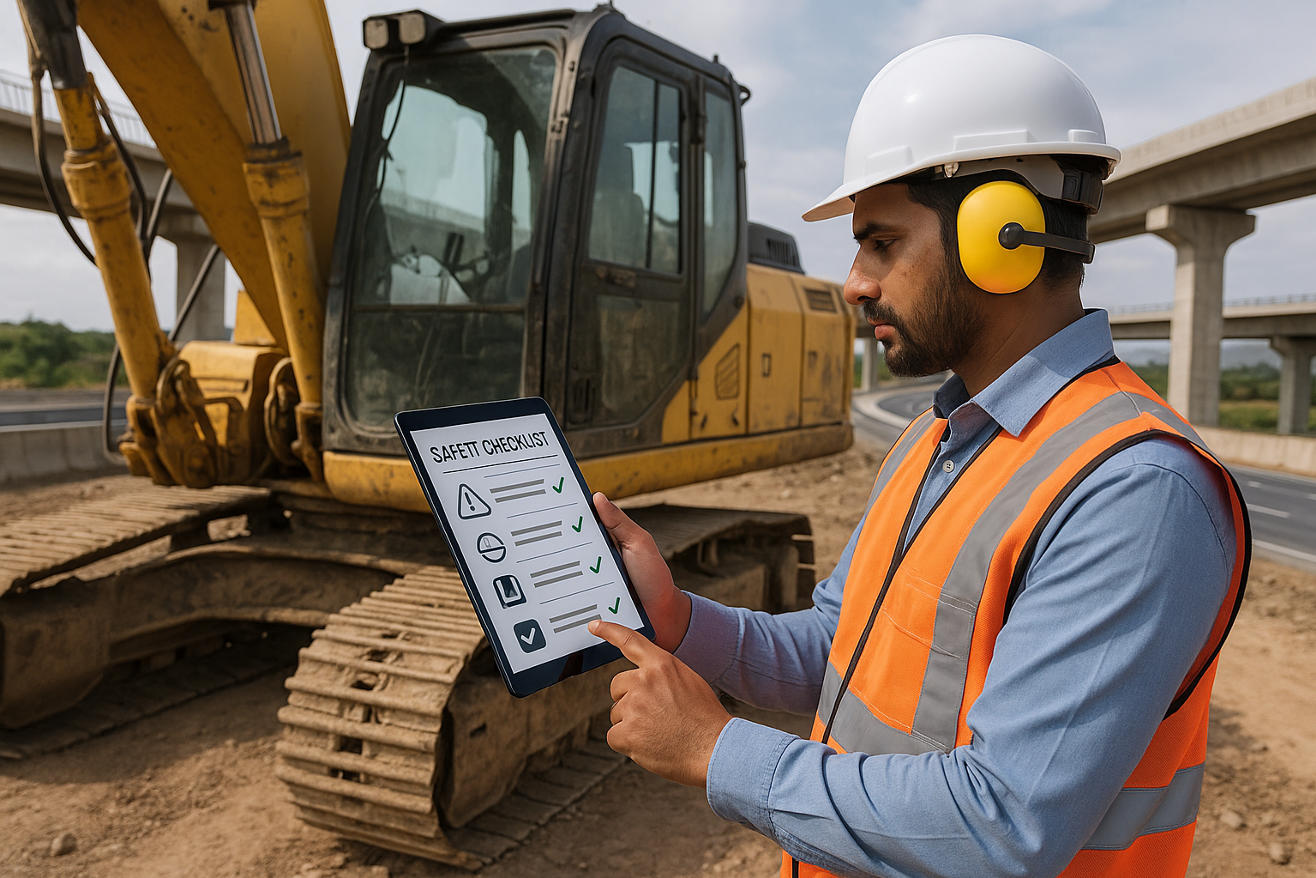
Discover how Driver Vehicle Inspection Reports (DVIR) are transforming safety and compliance for infrastructure companies in India, reducing accidents by 35% and maintenance costs by 25% while ensuring regulatory compliance.
The Importance of DVIR for Infrastructure Companies in India: Benefits & Best Practices
India's infrastructure sector is experiencing unprecedented growth, with the government investing over ₹100 lakh crores in infrastructure development by 2025. As construction companies manage increasingly complex projects with massive fleets of heavy equipment, ensuring vehicle and equipment safety has become paramount. Driver Vehicle Inspection Reports (DVIR) have emerged as a critical tool for infrastructure companies seeking to maintain operational excellence while meeting stringent safety and compliance requirements.
For US manufacturing professionals operating in India or managing global operations, understanding DVIR implementation in the Indian infrastructure context provides valuable insights into managing fleet safety, reducing liability, and optimizing equipment performance. The lessons learned from India's infrastructure boom offer proven strategies that translate directly to manufacturing operations worldwide.
Ready to Implement Professional DVIR Solutions?
Ensure your heavy equipment fleet meets the highest safety and compliance standards with comprehensive vehicle inspection programs.
Getting Started Book a DemoUnderstanding DVIR: Foundation of Fleet Safety
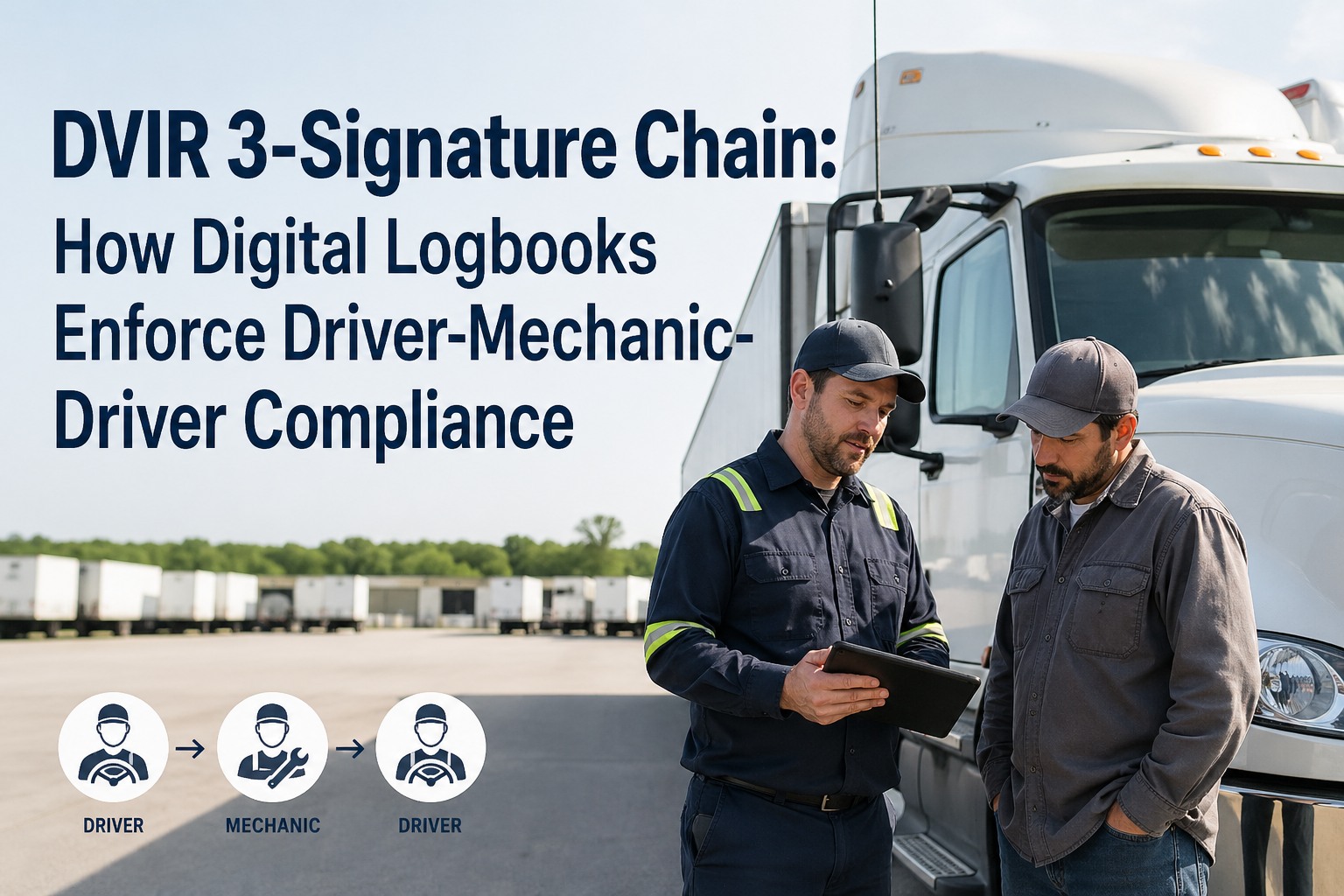
Driver Vehicle Inspection Reports represent a systematic approach to documenting the condition of vehicles and heavy equipment before and after each use. In India's infrastructure sector, where equipment operates in challenging conditions ranging from monsoon floods to desert heat, DVIR serves as the first line of defense against equipment failures and safety incidents.
The DVIR process involves trained operators conducting comprehensive pre-trip and post-trip inspections, documenting any defects or concerns, and ensuring that only safe, properly functioning equipment is deployed on job sites. This proactive approach has become increasingly important as Indian infrastructure companies expand operations across diverse geographic and climatic conditions.
- Pre-operation safety inspections covering all critical systems
- Real-time defect identification and documentation
- Post-operation condition assessments and maintenance alerts
- Digital record-keeping for compliance and audit trails
- Immediate reporting of safety-critical issues
- Integration with preventive maintenance schedules
Transformational Benefits for Infrastructure Operations
Infrastructure companies across India have discovered that comprehensive DVIR implementation delivers benefits far beyond basic compliance. Leading companies like Larsen & Toubro, Tata Projects, and regional contractors report significant improvements in safety metrics, operational efficiency, and cost management through strategic DVIR programs.
Comprehensive pre-trip inspections identify potential safety hazards before equipment deployment, reducing workplace accidents by 35% and protecting workers from preventable injuries.
Digital DVIR systems ensure consistent documentation for Central Motor Vehicle Rules, state transport regulations, and international safety standards required for global projects.
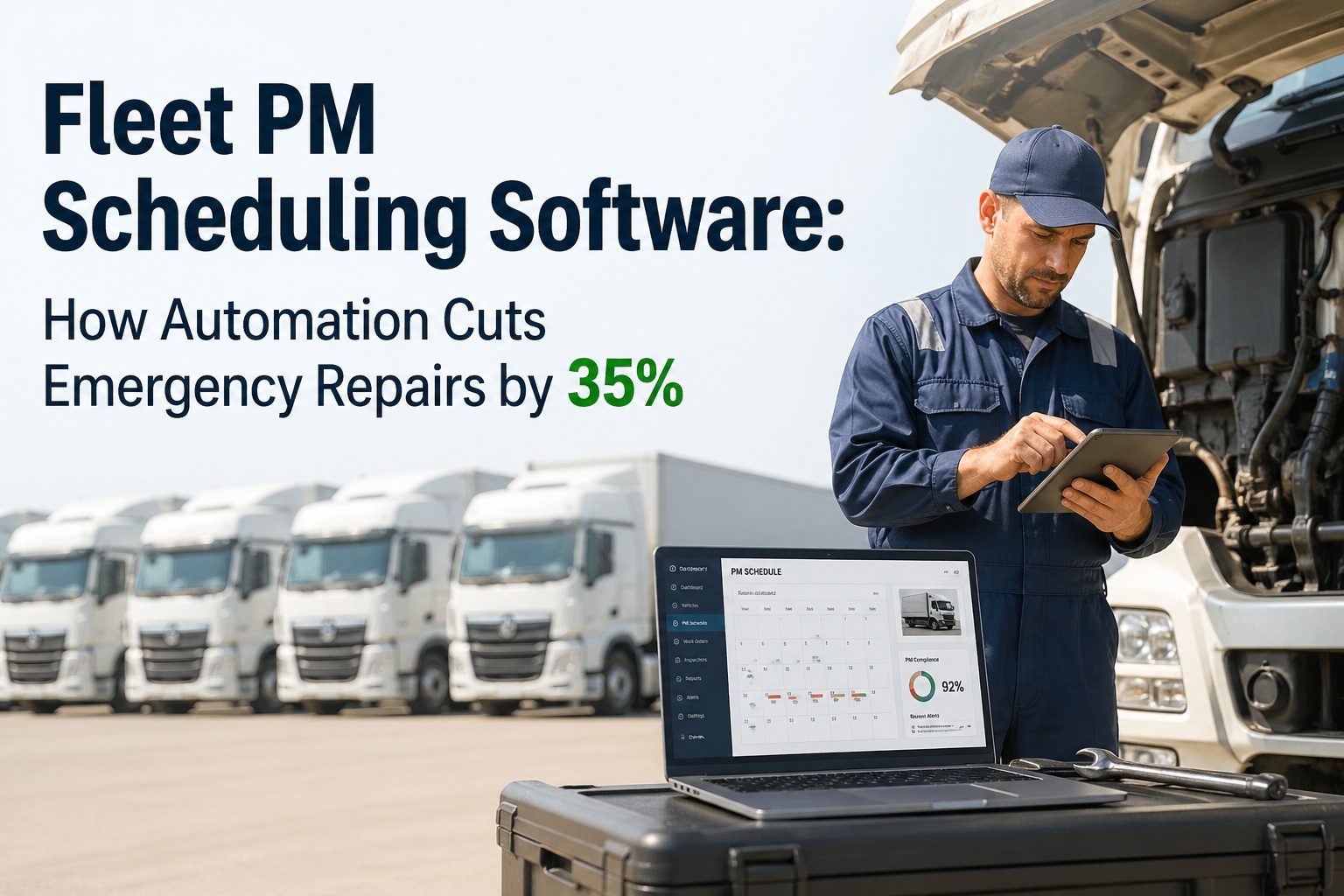
Early defect detection prevents major breakdowns, reducing emergency repair costs by 25% and extending equipment lifespan through proactive maintenance.
Systematic inspections minimize unplanned downtime, ensuring equipment availability when needed and maintaining project timelines across multiple sites.
Measurable Impact on Infrastructure Projects
Data from major infrastructure projects demonstrates the quantifiable benefits of comprehensive DVIR implementation. Companies tracking these metrics show consistent improvements across key performance indicators:
| Performance Metric | Before DVIR Implementation | After DVIR Implementation | Improvement |
|---|---|---|---|
| Vehicle-Related Accidents | 12 per 1000 operating hours | 8 per 1000 operating hours | -33% reduction |
| Emergency Breakdown Calls | 45 per month (100 units) | 28 per month (100 units) | -38% reduction |
| Compliance Audit Scores | 72% average rating | 94% average rating | +31% improvement |
| Equipment Uptime | 78% availability | 91% availability | +17% improvement |
| Insurance Claim Frequency | 8 claims per quarter | 3 claims per quarter | -63% reduction |
Achieve Similar Results for Your Operations
Learn how professional DVIR implementation can transform your safety metrics and operational efficiency.
Book a DemoBest Practices for DVIR Implementation
Successful DVIR implementation requires more than simply checking boxes on inspection forms. Infrastructure companies achieving the best results follow proven methodologies that ensure comprehensive coverage, consistent execution, and meaningful documentation that supports both safety and business objectives.
Comprehensive Training and Standardization
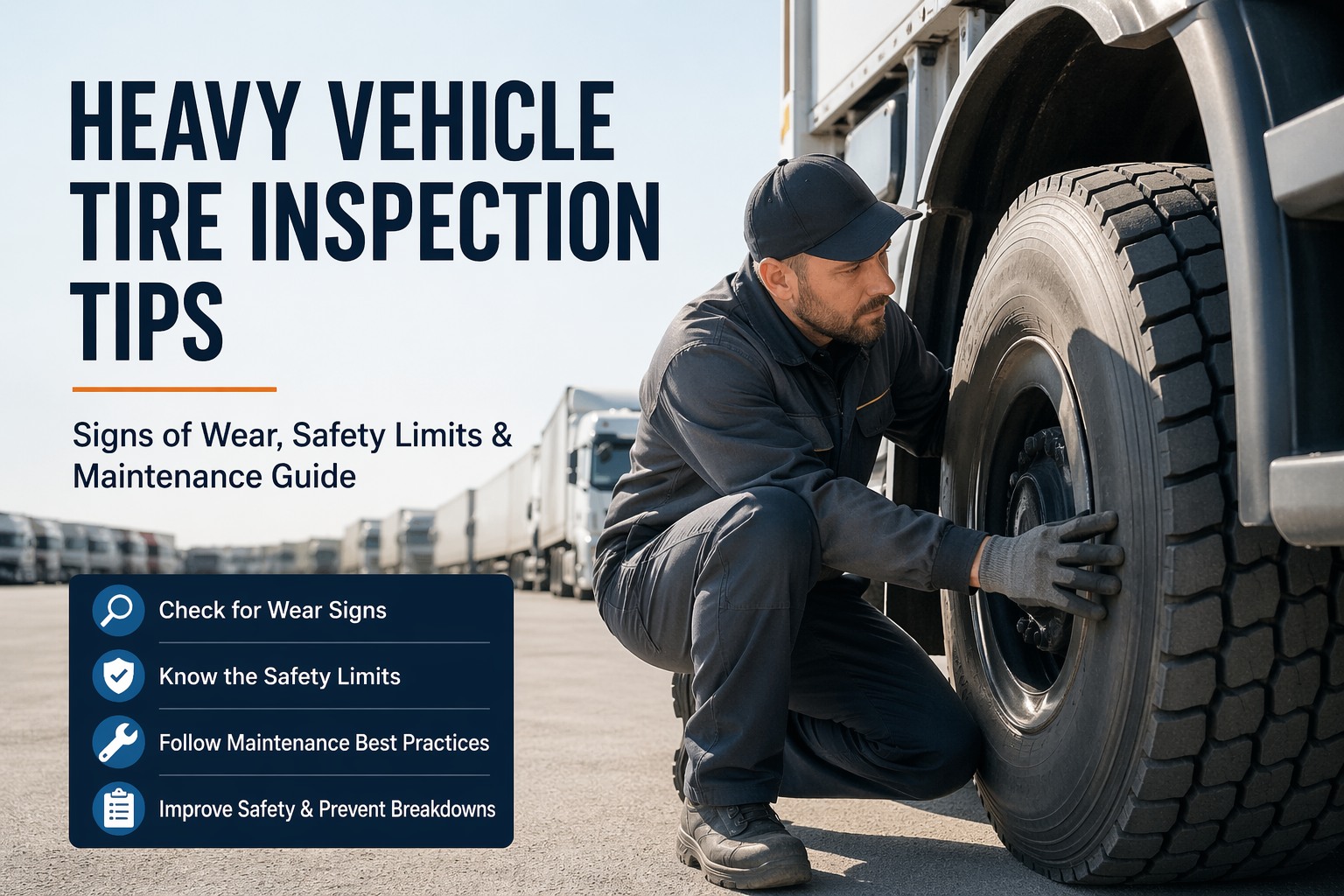
Effective DVIR programs begin with thorough training of all operators and maintenance personnel. Leading companies establish standardized inspection procedures that cover critical safety systems including brakes, steering, lights, hydraulics, and structural components. Training programs include both classroom instruction and hands-on practice to ensure operators can identify potential issues accurately.
- Visual inspection techniques for identifying wear, damage, and leaks
- Functional testing procedures for safety-critical systems
- Proper documentation methods and digital form completion
- Defect classification and severity assessment protocols
- Emergency procedures for discovering critical safety issues
- Regular refresher training and competency assessments
Digital Transformation of DVIR Processes
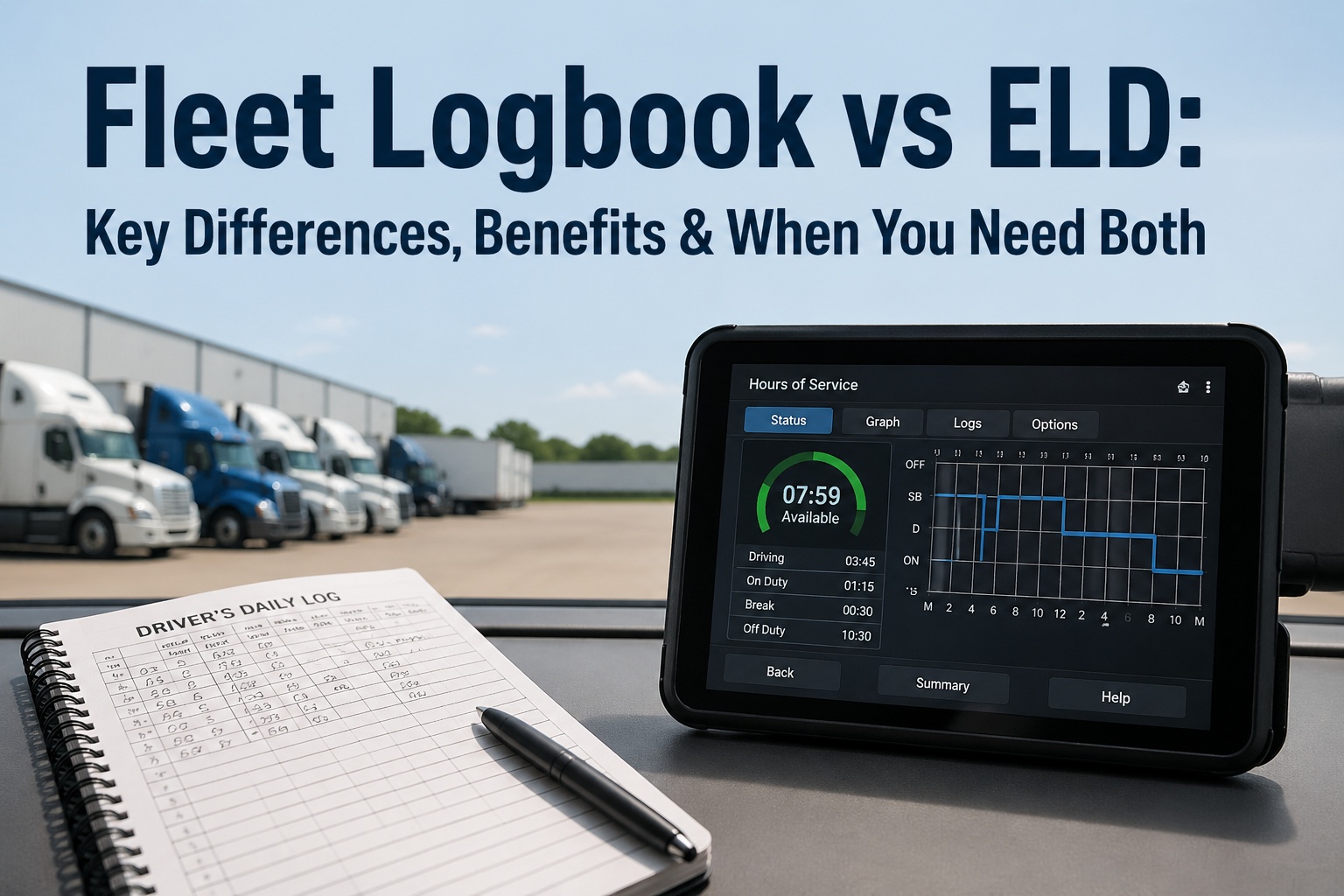
Modern infrastructure companies are moving beyond paper-based DVIR systems to digital solutions that provide real-time visibility, automated compliance tracking, and seamless integration with maintenance management systems. Digital DVIR platforms enable mobile data collection, instant defect reporting, and comprehensive analytics for continuous improvement.
- Mobile apps enable field operators to complete inspections efficiently
- Photo documentation provides visual evidence of equipment condition
- Automated workflows route critical defects to maintenance teams immediately
- Real-time dashboards provide fleet managers with instant visibility
- Integration with CMMS systems streamlines work order generation
- Analytics identify trends and optimize inspection schedules
Quality Assurance and Continuous Improvement
Successful DVIR programs incorporate regular quality audits to ensure inspection consistency and effectiveness. This includes periodic reviews of inspection records, spot-checks of equipment condition, and feedback sessions with operators to identify improvement opportunities. Companies achieving the best results establish metrics-driven improvement cycles that continuously enhance their DVIR processes.
Regulatory Compliance and Legal Protection
India's regulatory environment for heavy equipment and vehicle safety continues to evolve, with increasing emphasis on documentation and accountability. The Central Motor Vehicle Rules, state-specific transport regulations, and international standards for global projects create complex compliance requirements that comprehensive DVIR programs help address systematically.
- Documented due diligence in equipment safety management
- Legal protection against liability claims and litigation
- Regulatory audit trail demonstrating proactive safety measures
- Insurance premium reductions through proven risk management
- Qualification for safety-conscious client projects and tenders
- Alignment with international safety standards for global operations
Documentation Standards and Record Management
Proper DVIR documentation serves multiple purposes beyond basic compliance. Detailed inspection records provide valuable data for equipment lifecycle management, support warranty claims, and demonstrate proactive maintenance practices to insurance providers and regulatory authorities. Digital systems enable long-term data retention and easy retrieval for audits, investigations, or legal proceedings.
Technology Integration and Future Trends
The future of DVIR in India's infrastructure sector involves increasing integration with IoT sensors, telematics systems, and predictive analytics platforms. Forward-thinking companies are exploring how automated monitoring can complement traditional visual inspections, while maintaining the human oversight necessary for comprehensive safety assessment.
Emerging technologies including AI-powered defect detection, augmented reality inspection guidance, and blockchain-based record verification are beginning to appear in pilot programs. These innovations promise to enhance inspection accuracy while reducing the administrative burden on operators and maintenance teams.
- AI-assisted defect identification through computer vision
- Predictive maintenance integration with inspection findings
- Automated compliance reporting and regulatory submission
- Real-time equipment health scoring and risk assessment
- Blockchain verification for tamper-proof inspection records
- Augmented reality guidance for complex inspection procedures
Conclusion: DVIR as a Strategic Advantage
For infrastructure companies operating in India's dynamic market, comprehensive DVIR implementation represents far more than regulatory compliance—it provides a strategic advantage through enhanced safety performance, reduced operational costs, and improved project delivery reliability. Companies that embrace systematic vehicle inspection practices position themselves as industry leaders while protecting their workforce and assets.
The measurable benefits achieved by leading infrastructure companies demonstrate that DVIR investment delivers substantial ROI through accident reduction, maintenance optimization, and operational excellence. As the industry continues to evolve toward greater digitization and automation, DVIR programs provide the foundation for advanced fleet management capabilities.
For US manufacturing professionals managing global operations or considering expansion into emerging markets, India's infrastructure experience with DVIR offers valuable insights into implementing effective vehicle inspection programs across diverse operational environments. The principles and practices proven successful in India's challenging conditions translate directly to manufacturing operations worldwide.
Transform Your Fleet Safety and Compliance
Implement professional DVIR solutions that deliver measurable improvements in safety, compliance, and operational efficiency.
Getting Started Book a Demo