Failing a DOT pre-trip inspection costs American fleets an average of $12,500 per vehicle annually through costly violations, out-of-service orders, and operational disruptions. With over 3.5 million commercial vehicles subject to FMCSA regulations, inadequate pre-trip inspection practices create massive compliance risks that directly impact carrier safety ratings by 40-60% and increase insurance premiums by $5,000-15,000 per unit yearly. Industry data reveals that 72% of commercial carriers still rely on manual inspection procedures that miss critical safety defects, enabling preventable accidents, and regulatory violations.
This comprehensive analysis exposes how manual pre-trip inspections systematically increase compliance violations and demonstrates how digital inspection platforms eliminate 82% of missed defects, reduce out-of-service violations by 45% and generate annual savings of $18,000 per vehicle through automated safety monitoring and documentation. More importantly, it transforms inconsistent pre-trip procedures into predictive safety intelligence that ensures regulatory compliance, enhanced carrier ratings, and maximum operational continuity.
Annual DOT Inspection Impact
Ready to Master DOT Pre-Trip Inspections?
Discover proven digital inspection solutions that eliminate compliance violations and maximize carrier safety ratings.
The Critical Challenge: Understanding DOT Pre-Trip Inspection Requirements
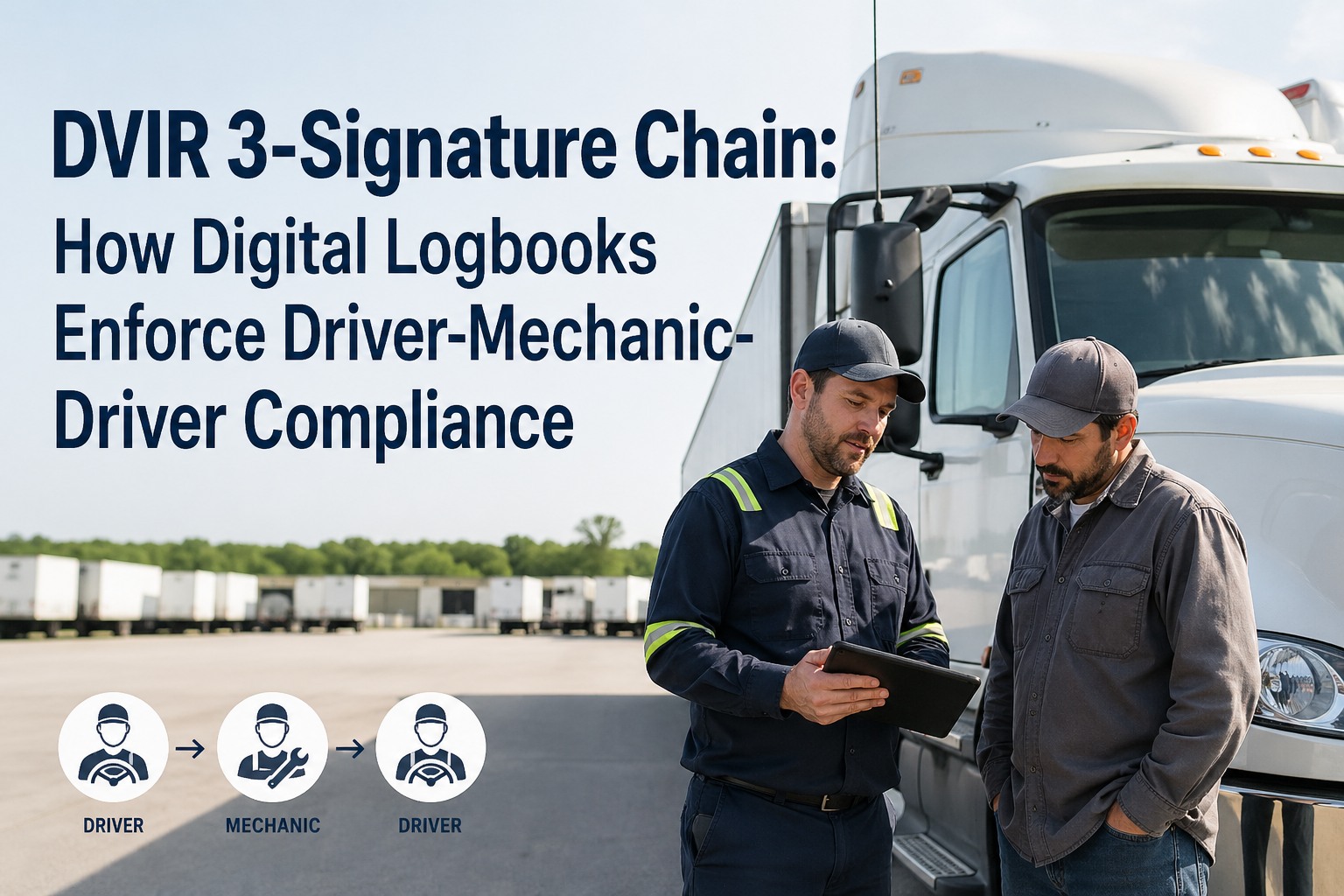
DOT pre-trip inspections represent one of the most critical yet inconsistently executed safety procedures in commercial transportation operations. The FMCSA-mandated 15-point inspection checklist requires comprehensive verification of vehicle systems and components that directly impact driver and public safety. Manual inspection procedures fail to capture the detailed documentation necessary for regulatory compliance, enabling safety defects while exposing carriers to massive violation penalties and operational disruptions. Modern fleet management software can automate these inspection processes to ensure consistent compliance.
Digital Transformation: Advanced Pre-Trip Inspection Solutions
Modern pre-trip inspection procedures transcend manual checklists to incorporate digital platforms, automated defect detection, and real-time documentation systems that provide comprehensive compliance verification and safety monitoring. Digital inspection technologies achieve 98% accuracy while reducing inspection time by 60% through structured digital workflows and instant compliance validation.
Cloud-based inspection management systems enable real-time verification across distributed fleet operations while providing instant alerts for safety-critical defects requiring immediate repair. This connectivity eliminates roadside violations and improves driver and public safety, crucial factors in maintaining carrier ratings and operational continuity across diverse transportation environments. Professional platforms can streamline your entire inspection workflow for maximum efficiency.
- ✓ Automated Inspection Workflows with 15-point FMCSA checklist, photo documentation, and defect severity classification
- ✓ Mobile Digital Platforms enabling field inspections, real-time data sync, and driver authentication verification
- ✓ Instant Alert Systems providing real-time notifications for safety-critical defects requiring immediate attention
- ✓ Compliance Reporting Dashboards delivering comprehensive violation tracking, audit trail documentation, and regulatory records
- ✓ Automated FMCSA Documentation ensuring complete record-keeping for inspections, repairs, and regulatory audits
- ✓ Predictive Maintenance Integration connecting inspection findings with maintenance scheduling and repair prioritization
Implementation Strategy for Maximum Compliance Success
Successful digital pre-trip inspection implementation requires a systematic approach that maximizes regulatory compliance while minimizing operational disruption. The recommended timeline spans 3-6 months with priority given to high-violation-risk vehicle types and routes requiring frequent DOT inspections to demonstrate immediate compliance improvements. Expert guidance can help you plan your implementation strategy effectively.
Investment in digital inspection technologies provides immediate protection against regulatory violations while establishing foundation for comprehensive fleet safety optimization. The total cost of ownership calculations strongly favor early adoption, with payback periods typically ranging from 6-10 months through eliminated violations, reduced insurance costs, and improved operational efficiency.
- ✓ Deploy mobile inspection platform with $5,000 investment in software licensing and device setup
- ✓ Establish standardized 15-point FMCSA compliance checklist with photo documentation requirements
- ✓ Create automated alert systems for safety-critical defects requiring immediate repair notification
- ✓ Train drivers and safety managers on digital inspection procedures and compliance documentation
- ✓ Set up inspection record management and audit trail tracking for regulatory verification
- ✓ Establish baseline compliance metrics and violation tracking dashboard for management oversight
- ✓ Implement predictive maintenance integration with $8,000-12,000 fleet-level investment
- ✓ Deploy advanced analytics for violation trend analysis and defect pattern identification
- ✓ Integrate inspection data with existing fleet management and maintenance systems
- ✓ Establish automated compliance reporting for FMCSA audits and regulatory inquiries
- ✓ Create comprehensive performance dashboards linking inspection compliance to carrier safety ratings
- ✓ Deploy driver coaching systems based on inspection performance and compliance metrics
Proven Results: Real-World Implementation Success
Documented implementations across commercial fleets consistently demonstrate immediate compliance improvements and substantial cost reductions. A representative mid-sized regional carrier with 85 commercial vehicles achieved 92% defect detection improvement within 120 days of digital inspection deployment while reducing manual inspection time from 28 minutes to 11 minutes per vehicle.
The carrier eliminated $156,000 in annual violation penalties and reduced insurance premiums by $127,500 through improved safety ratings. Documentation accuracy increased from 42% to 98%, eliminating audit failures and establishing predictable inspection procedures that enhanced both driver confidence and customer satisfaction across all operational segments. Companies can achieve similar results by implementing proven digital inspection solutions.
- ✓ Achieved 82% reduction in missed safety defects within 90 days of platform deployment
- ✓ Eliminated $1,836 per vehicle in annual violation penalties through automated compliance verification
- ✓ Reduced insurance premiums by $1,500 per vehicle through improved carrier safety ratings
- ✓ Decreased inspection time by 61% while improving documentation completeness to 98%
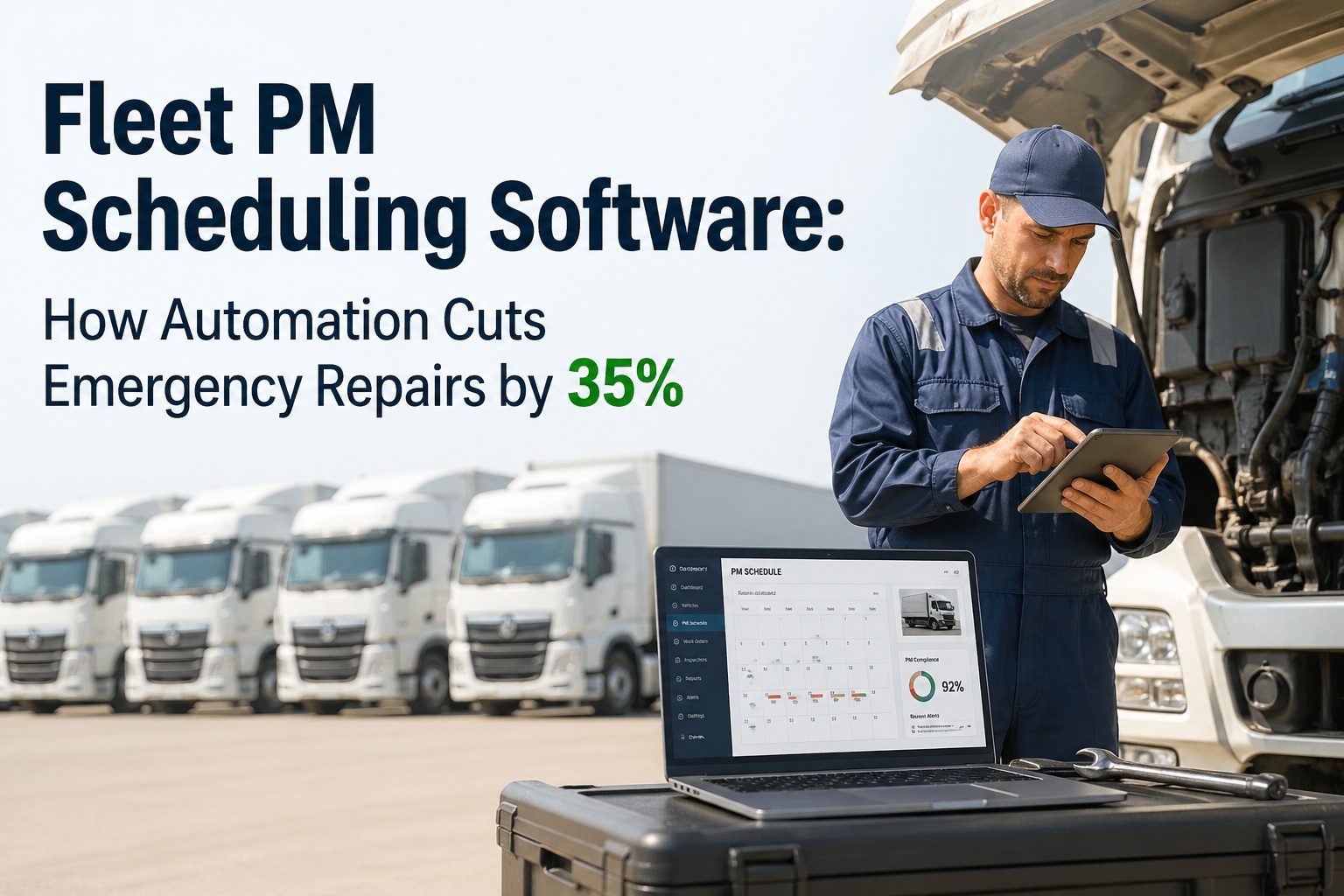
- ✓ Established predictable maintenance schedules reducing emergency repairs by 47%
- ✓ Enhanced driver confidence and operational efficiency through consistent inspection procedures
Strategic Considerations for Digital Inspection Deployment
The transition from manual pre-trip inspections to digital platforms represents fundamental operational transformation requiring careful planning and execution. Success depends on selecting appropriate technology solutions aligned with fleet size, operational complexity, and specific compliance requirements while ensuring thorough driver training and consistent management oversight.
Organizations must evaluate multiple digital inspection platforms considering mobile functionality, integration capabilities, reporting features, and regulatory compliance support. The most effective implementations establish clear performance metrics, maintain continuous improvement processes, and leverage inspection data for predictive maintenance optimization that transforms safety compliance from reactive obligation to proactive operational advantage. Professional guidance can help you evaluate the best solutions for your specific fleet needs.
Frequently Asked Questions About DOT Pre-Trip Inspections
Transform Your Fleet's Pre-Trip Inspections with HVI Software
Comprehensive inspection and maintenance tracking software designed for heavy vehicle fleets. Learn how to perform DOT pre-trip inspections effectively and use our PDF template to streamline your workflow.