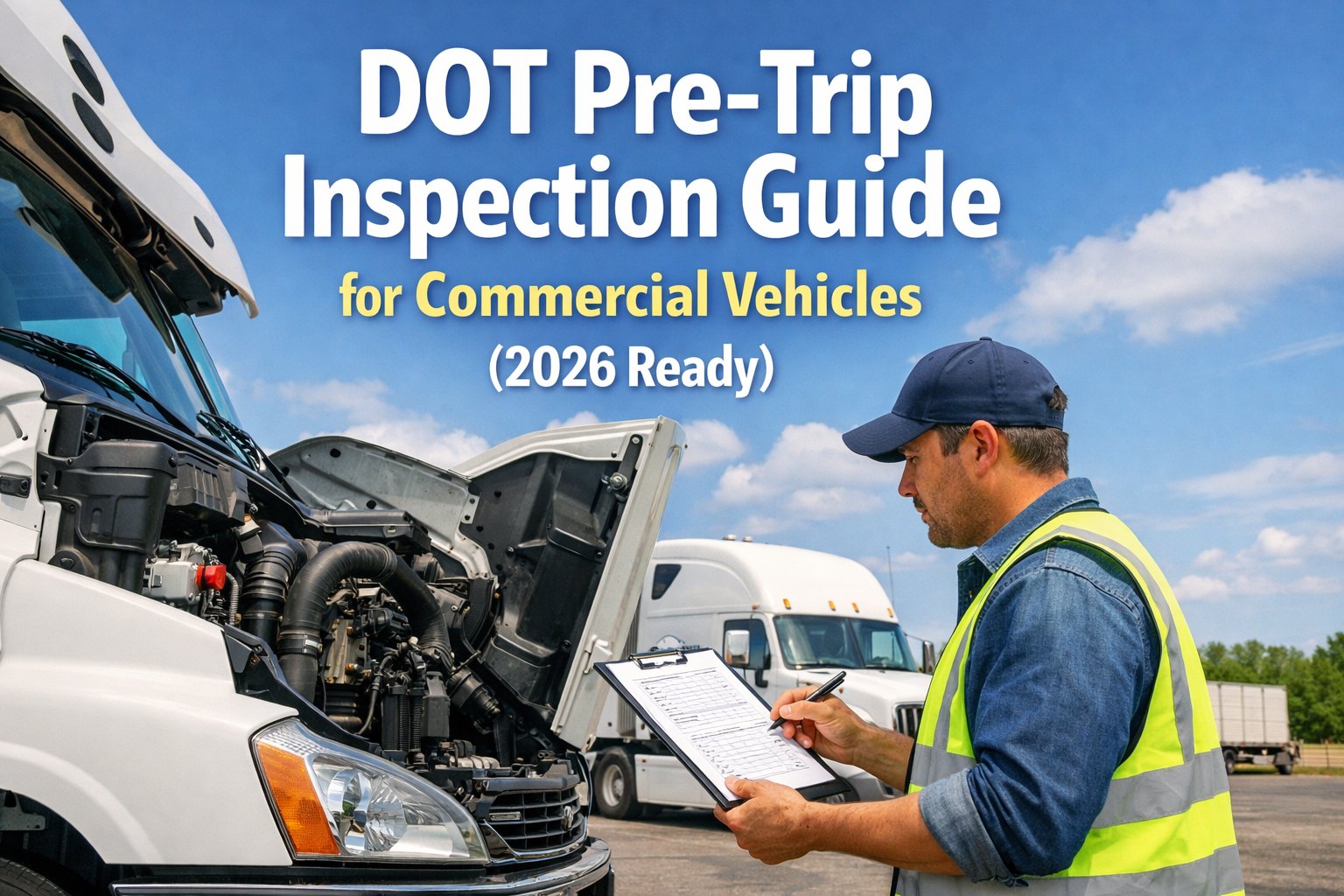
Every DOT roadside inspection starts with one question: Did you do your pre-trip? A thorough pre-trip inspection is your first line of defense against violations, out-of-service orders, and accidents. FMCSA regulations under 49 CFR 392.7 and 396.13 require drivers to complete pre-trip inspections before operating commercial motor vehicles—and inspectors know exactly what to look for. Start conducting compliant digital pre-trip inspections, or schedule a demo to see how HVI streamlines DOT compliance for your fleet.
What Is a DOT Pre-Trip Inspection?
A DOT pre-trip inspection is a systematic check of your commercial motor vehicle (CMV) performed before each trip to ensure the vehicle is safe to operate. It's required by the Federal Motor Carrier Safety Administration (FMCSA) under 49 CFR 392.7, which states that drivers cannot operate a CMV unless they are satisfied the vehicle is in safe operating condition.
49 CFR 392.7
Requires drivers to be satisfied the vehicle is safe before operating. Covers service brakes, parking brake, steering, lights, tires, horn, mirrors, coupling devices, and emergency equipment.
49 CFR 396.13
Requires drivers to review the previous DVIR before operating and sign it if defects were noted. Ensures any reported issues have been addressed or documented as safe.
CVSA Criteria
The Commercial Vehicle Safety Alliance defines specific out-of-service criteria. Inspectors use these standards to determine if a vehicle can continue operating or must be parked immediately.
CSA Impact
Violations discovered during roadside inspections affect your CSA (Compliance, Safety, Accountability) scores. High scores lead to more frequent inspections, audits, and potential shutdown.
FMCSA Pre-Trip Inspection Requirements
The FMCSA specifies exactly which components must be inspected before operating a commercial motor vehicle. These requirements are based on federal safety standards and reflect the most common causes of accidents and violations.
Service Brakes Including Trailer Connections
$7,222 avg fineTest service brakes for proper function. Check brake adjustment, air lines, and connections. For trailers, verify glad hands are properly connected and sealed, emergency and service lines are not crossed, and air pressure builds to operating range.
Parking (Hand) Brake
OOS if failsTest parking brake by applying it and attempting to move vehicle in gear. The parking brake must hold the vehicle stationary on the steepest grade normally encountered. Check for proper engagement and release.
Steering Mechanism
8% of OOS ordersCheck steering wheel for excessive play (no more than 10 degrees on a 20-inch steering wheel). Inspect power steering fluid levels, hoses, and connections. Look for leaks and verify proper function through full range of motion. Start tracking steering inspections digitally to ensure this critical system is always documented.
Lighting Devices and Reflectors
$500+ per violationVerify all lights are functional: headlights (high/low), tail lights, brake lights, turn signals, marker lights, clearance lights, and hazard flashers. Check that reflectors are present, clean, and properly positioned. All lights must be the correct color per DOT specifications.
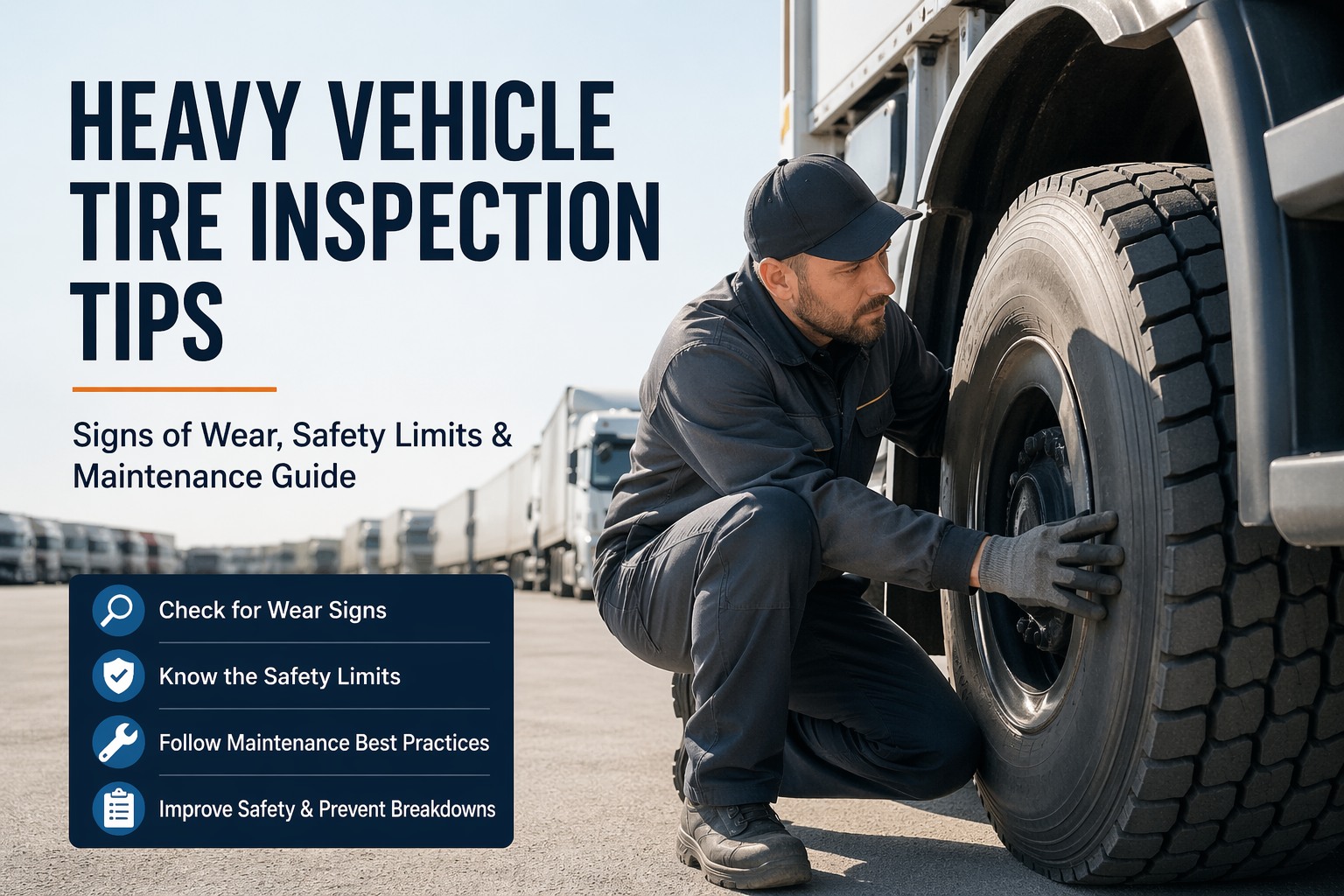
Tires
22% of OOS ordersInspect all tires for proper inflation, tread depth (4/32" on steer tires, 2/32" on others), and condition. Look for cuts, bulges, tread separation, and exposed cords. Check for proper tire size and rating for the vehicle. Verify lug nuts are present and tight.
Horn
$250-$500 fineTest horn for proper function. Must be audible from a distance of 200 feet. Check for air leaks in air horn systems. Ensure horn button/switch operates correctly and horn sounds immediately when activated.
Windshield Wipers
OOS if driver-side failsTest wiper operation on all speeds. Check blade condition for cracks, tears, or streaking. Verify washer fluid reservoir is filled and spray nozzles are functional. Both driver and passenger side wipers must operate properly.
Rear Vision Mirrors
2 mirrors requiredVerify both exterior mirrors are present, properly adjusted, and provide clear view of roadway behind. Check for cracks, discoloration, or damage that impairs visibility. Mirrors must be securely mounted with no excessive vibration. Schedule a fleet assessment to identify inspection gaps in your process.
Coupling Devices
Catastrophic if failsFor combination vehicles: Inspect fifth wheel for cracks, proper mounting, and secure locking. Verify kingpin engagement by pulling against locked brakes. Check safety chains/cables for proper connection. Inspect pintle hooks, drawbars, and safety devices.
Emergency Equipment
Required itemsVerify presence and condition of: fire extinguisher (fully charged, proper rating), warning triangles (3 required), and spare fuses (if vehicle uses fuses). Fire extinguisher must be securely mounted and readily accessible. Know the location and operation of all emergency equipment.
Ensure 100% FMCSA Compliance
Digital pre-trip inspections with HVI guarantee every required item gets checked and documented. Automatic alerts flag defects before they become violations.
Step-by-Step DOT Pre-Trip Checklist
A systematic approach ensures nothing gets missed. Follow this proven sequence used by professional drivers and fleet managers to complete thorough, compliant pre-trip inspections every time.
Approach & Overview
What to do: Walk toward the vehicle looking for leaks, damage, or objects under/around it. Note overall condition. Check that vehicle isn't leaning. Look for fresh fluid spots on ground.
Engine Compartment
What to do: Check oil level, coolant level, power steering fluid, washer fluid. Inspect belts and hoses for wear, cracks, leaks. Look for loose wires. Check for leaks around engine.
Inside Cab Check
What to do: Test all gauges, warning lights, controls. Check mirrors, windshield condition, wipers, defroster. Test horn, turn signals, hazards. Verify seatbelt function. Check required documents.
Light Check
What to do: Turn on all lights. Walk around vehicle verifying headlights (high/low), clearance lights, marker lights, tail lights, turn signals work. Check all reflectors are clean and visible.
Front Axle
What to do: Inspect steering components, shock absorbers, springs. Check tire condition, inflation, tread depth. Verify lug nuts tight. Look for cracks in rims. Check brake components visible through wheel.
Driver Side
What to do: Inspect fuel tank (cap secure, no leaks), exhaust system, frame rails, air lines. Check all tires on driver side. Verify mirrors properly adjusted. Look for damage to cab and body.
Rear of Tractor
What to do: Inspect frame, air/electrical lines to trailer, mud flaps. For tractors: check fifth wheel mounting, locking mechanism, platform. Verify no cracks or damage to frame.
Coupling System
What to do: Verify fifth wheel is locked on kingpin (tug test). Check glad hand connections secure, no air leaks. Inspect safety chains/cables. Confirm air and electrical lines properly supported.
Trailer Inspection
What to do: Walk entire length of trailer. Check all tires, brakes, lights. Inspect doors, seals, body condition. Verify load is secure (if loaded). Check landing gear fully raised. Inspect DOT markings.
Brake System Test
What to do: Build air pressure to governor cut-out. Test low air warning. Test parking brake holds. Test service brakes. Check air loss rate with brakes applied (no more than 4 psi/min for combinations).
Total Pre-Trip Time Investment vs. Violation Costs
Common DOT Pre-Trip Violations
These violations account for the majority of out-of-service orders and fines issued during DOT roadside inspections. Understanding them helps you focus your pre-trip inspection on the areas that matter most.
Digital Pre-Trip Inspections with HVI
Paper inspection forms get lost, damaged, and provide no real-time visibility into fleet condition. Digital pre-trip inspections transform compliance from a checkbox exercise into a genuine safety improvement tool.
Why Choose HVI Digital
Digital inspections with HVI provide photo documentation proving inspection completion, automatic defect alerts to maintenance teams, GPS-stamped records for compliance audits, and trend analysis identifying recurring issues before they cause violations. Start your free trial today and see the difference digital makes.
Standardized Checklists
DOT-compliant inspection templates ensure every required item gets checked every time. Customizable for your specific equipment and routes.
Photo Documentation
Required photos prove inspections were actually performed. Timestamped images provide evidence for audits and dispute resolution.
Instant Defect Alerts
When drivers report issues, maintenance teams get notified immediately. No more lost paper forms or delayed communication.
Audit-Ready Records
All inspection data stored securely with timestamps, GPS location, and driver identification. Pull reports instantly during DOT audits.
Driver Best Practices
Consistent execution of pre-trip inspections requires individual driver discipline and a systematic approach to ensure nothing gets missed.
Develop a Consistent Routine
Always inspect in the same sequence. Start at the same point, move the same direction. Routine prevents skipped items and makes inspections faster with practice.
Never Rush the Inspection
Budget 15-20 minutes minimum. Pressure to depart quickly leads to missed defects. The time investment prevents hours of delay from roadside violations.
Document Everything
Report all defects, even minor ones. Take photos of concerns. Your documentation protects you if the vehicle is later cited for something you identified but wasn't repaired.
Know OOS Criteria
Understand which defects will result in out-of-service orders. Don't leave the yard with any OOS condition—it's not worth the risk to your CDL and livelihood.
Frequently Asked Questions
Master DOT Compliance with Digital Inspections
HVI makes pre-trip inspections faster, more thorough, and fully documented. Join thousands of drivers and fleet managers who trust our platform for DOT compliance.