DOT compliance isn't optional - it's the foundation of legal fleet operations. With only 7% of motor carriers passing audits without any violations, understanding and maintaining compliance has never been more critical. The stakes are high: fines averaging $6,763 per case, potential loss of operating authority, and CSA scores that affect everything from insurance rates to shipper relationships. 2026 brings significant changes including overhauled SMS scoring, new electronic medical certification systems, stricter Clearinghouse enforcement, and the complete transition away from MC numbers. This guide covers everything fleet managers need to know to stay compliant in 2026 - from FMCSA regulations and inspection requirements to driver documentation and audit preparation. Whether you're managing 5 trucks or 500, HVI helps you automate compliance documentation and stay audit-ready year-round. Schedule a demo to see how digital compliance management can protect your operation.
What Is DOT Compliance?
DOT compliance means meeting all safety, operational, and documentation requirements set by the Department of Transportation (DOT) and its agencies - primarily the Federal Motor Carrier Safety Administration (FMCSA) for commercial trucking. It's not a one-time achievement but an ongoing commitment that touches every aspect of your operation: driver qualifications, vehicle maintenance, hours of service, drug testing, and record-keeping.
The federal agency overseeing all U.S. transportation modes. Sets broad safety regulations and policy direction affecting highways, aviation, rail, and maritime operations.
The DOT agency specifically regulating commercial motor vehicles. Issues and enforces trucking regulations, conducts audits, maintains the Clearinghouse, and manages CSA scoring.
Vehicles subject to FMCSA regulations: GVWR 10,001+ lbs, designed to transport 9+ passengers for compensation, 16+ passengers regardless of compensation, or hazmat requiring placards.
Your unique federal identifier required for interstate commerce. As of October 2025, this is the sole identifier - MC numbers have been eliminated. Must be displayed on all vehicles.
Who Must Comply with DOT Regulations?
Key FMCSA Regulations in 2026
2026 brings major changes to how FMCSA evaluates and enforces compliance. Understanding these updates is critical for avoiding violations and maintaining good standing. Here are the regulations and changes fleet managers must know.
MC Numbers Eliminated (Oct 2025): USDOT numbers are now the sole federal identifier. Update all vehicles, documentation, and systems.
SMS Scoring Overhauled: BASICs renamed to "compliance categories," Vehicle Maintenance split into two categories, 950+ violations consolidated to 116 groups, only last 12 months count toward scores.
Electronic Medical Certification: Medical examiners transmit results directly to FMCSA/state DMVs. Paper waiver extended through January 10, 2026.
Paper Payments Ended (Sept 2025): FMCSA requires electronic payment for all transactions - credit/debit only.
ELD Removals: PSS ELD, Black Bear ELD, and RT ELD Plus removed from registered list. Carriers must replace by February 7, 2026.
Hours of Service (HOS)
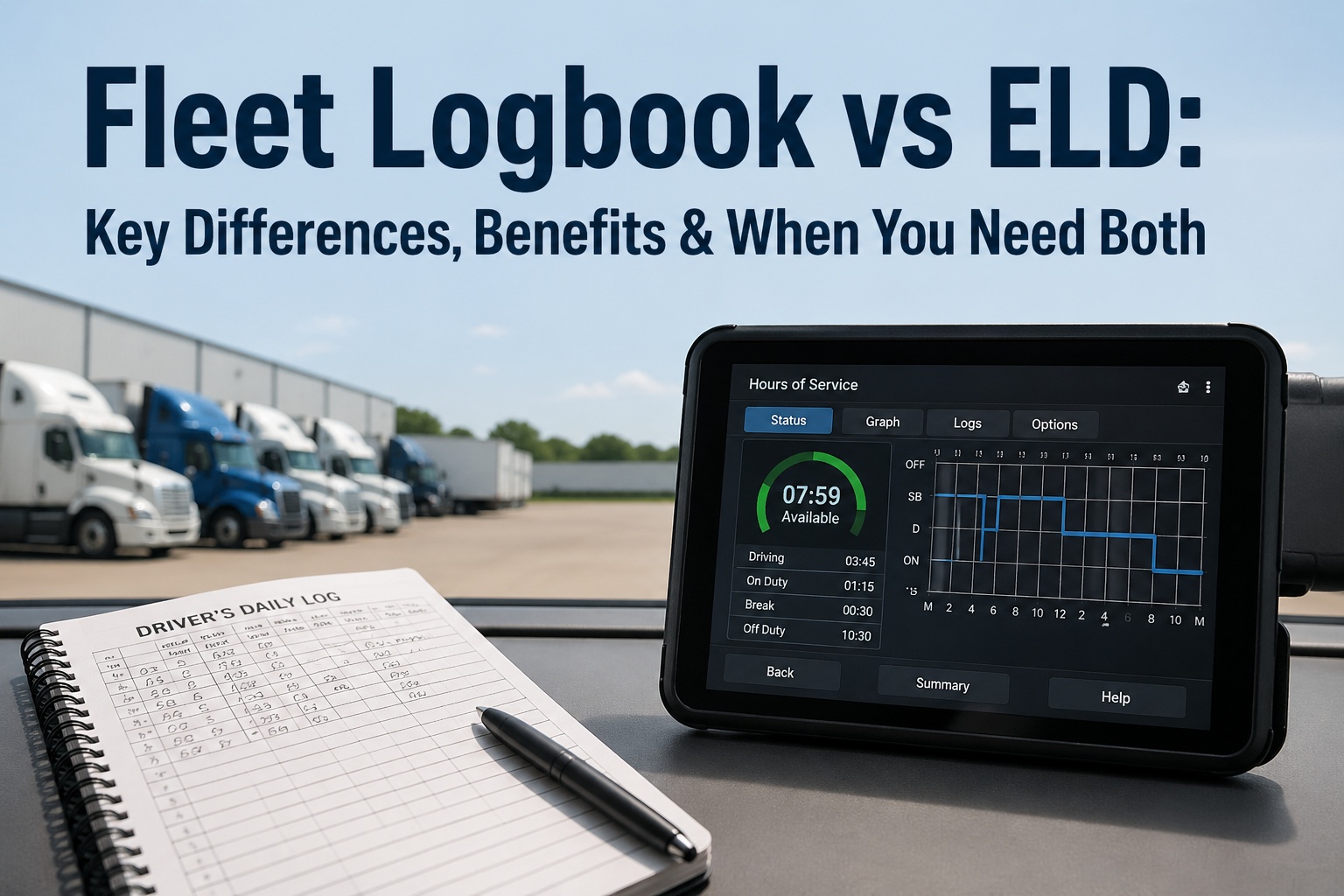
HOS regulations prevent driver fatigue by limiting driving and on-duty time. ELDs automatically record compliance - violations directly impact CSA scores.
Violation penalty: Up to $16,000 per HOS violation
Electronic Logging Devices (ELD)
ELDs are mandatory for most CMVs to automatically record driving time. Devices must be FMCSA-registered and capable of data transfer during inspections.
Violation penalty: $1,000-$10,000 for ELD violations; OOS orders for non-compliance
Vehicle Inspection, Repair & Maintenance
Vehicle maintenance is the largest violation category by volume - now split into two separate CSA categories for more targeted enforcement.
Violation penalty: $13,300-$53,203 for maintenance violations; $19,277 for operating OOS vehicle
Driver Qualification (DQ) Files
DQ files prove every driver is qualified, licensed, and medically fit. Missing paperwork is one of the most common (and preventable) audit violations - over 62,000 violations in five years.
Violation penalty: $1,100-$16,000 per incomplete DQ file
Drug & Alcohol Testing / Clearinghouse
FMCSA requires comprehensive drug and alcohol testing programs. The Clearinghouse database tracks violations - drivers with unresolved issues cannot operate CMVs.
Violation penalty: Automatic audit failure; CDL revocation for positive tests
CSA Safety Measurement System (SMS) - 2026 Updates
The SMS tracks your safety performance and determines enforcement priority. 2026 brings major methodology changes:
Seven categories renamed; Drug/Alcohol merged into Unsafe Driving; Vehicle Maintenance split into two separate categories
950+ violation codes consolidated into 116 groups; simplified severity weights (1 or 2 points)
Only violations from past 12 months count toward scores - recent performance matters most
Carriers compared to peers based on inspection volume - reduces score volatility for smaller fleets
Increased from 200,000 to 250,000 VMT per power unit - better accuracy for high-mileage carriers
Intervention Thresholds: Unsafe Driving/Crash Indicator 65%, HOS Compliance 65%, Driver Fitness 90%, Vehicle Maintenance 80%, Controlled Substances 80%, HM Compliance 80%
Inspection & Documentation Requirements
Inspections and documentation are where compliance succeeds or fails. Missing a single document or skipping an inspection can trigger violations, fines, and audit scrutiny. Here's what you need to maintain and have ready at all times.
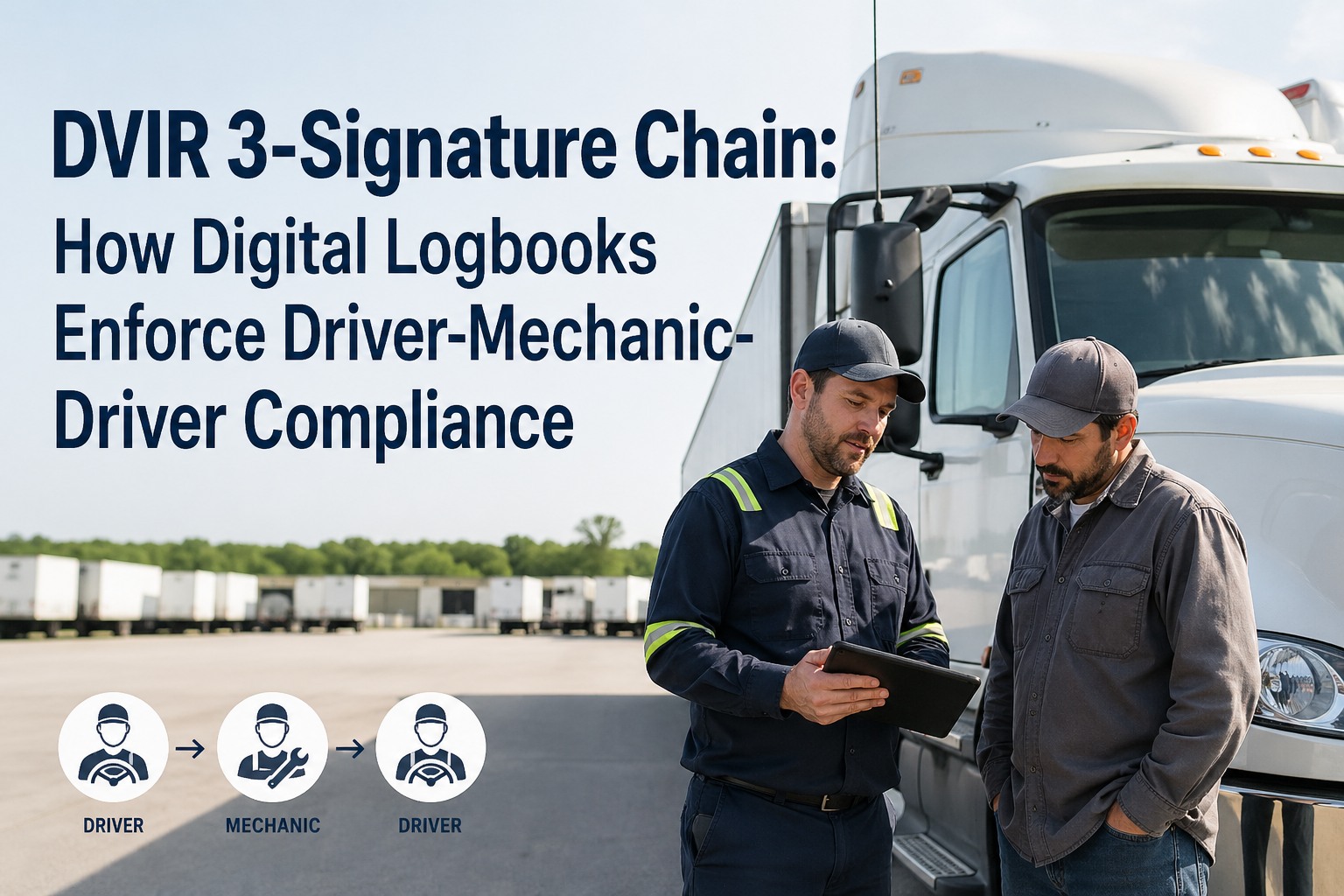
Driver Vehicle Inspection Report (DVIR)
Required before and after each trip. Driver must inspect vehicle, report defects, and sign off. FMCSA estimates DVIRs prevent approximately 14,000 accidents annually.
- Pre-trip: Driver must be satisfied vehicle is safe before operating
- Post-trip: Report any defects discovered during operation
- If defects noted, must review repair certification before next trip
- Electronic DVIRs explicitly allowed - must contain all required info, signatures, route to recipients
- Retention: 3 months
Periodic (DOT) Inspection
Every 12 months by a qualified inspector. Proof must be carried in the vehicle at all times. 190,000 trucks were cited for missing annual inspection in 2024.
- Covers brakes, steering, suspension, tires, lights, coupling devices, frame
- Must be performed by DOT-qualified inspector
- Inspection sticker and certificate required
- Vehicle cannot operate if inspection expired
- Retention: 14 months (or until next inspection)
DOT Roadside Inspection
Conducted by DOT officers at weigh stations and roadside. Results feed directly into your CSA scores. Six levels of inspection intensity exist.
- Level I: Full inspection - driver credentials + complete vehicle examination
- Level II: Walk-around - driver credentials + exterior vehicle check
- Level III: Driver-only - credentials, HOS logs, medical certificate
- Level IV-VI: Special inspections (enhanced, vehicle-only, radioactive)
- OOS violations = vehicle/driver cannot continue until corrected
Documents Required in Vehicle
Appropriate class and endorsements for vehicle/cargo
Current DOT physical card (or electronic verification on MVR)
Current 7/8-day logs available for transfer
Current inspection certificate/sticker
Current vehicle registration for all units
Insurance card or certificate
Shipping documents for current load
If applicable - shipping papers, placards, emergency response
Driver Qualification File Requirements (49 CFR 391.51)
Every CDL driver must have a complete DQ file. Missing documents = automatic audit violations.
Note: As of May 2022, the annual driver's certification of violations (391.27) is no longer required by FMCSA.
Common DOT Compliance Failures
Knowing what triggers violations helps you prevent them. These are the most common failures that result in fines, OOS orders, and poor CSA scores. Address these proactively - don't wait for an audit or roadside inspection to discover gaps.
Vehicle Maintenance Violations
The largest violation category by volume. Brake and tire issues top the list for roadside citations.
- Brakes out of adjustment or defective
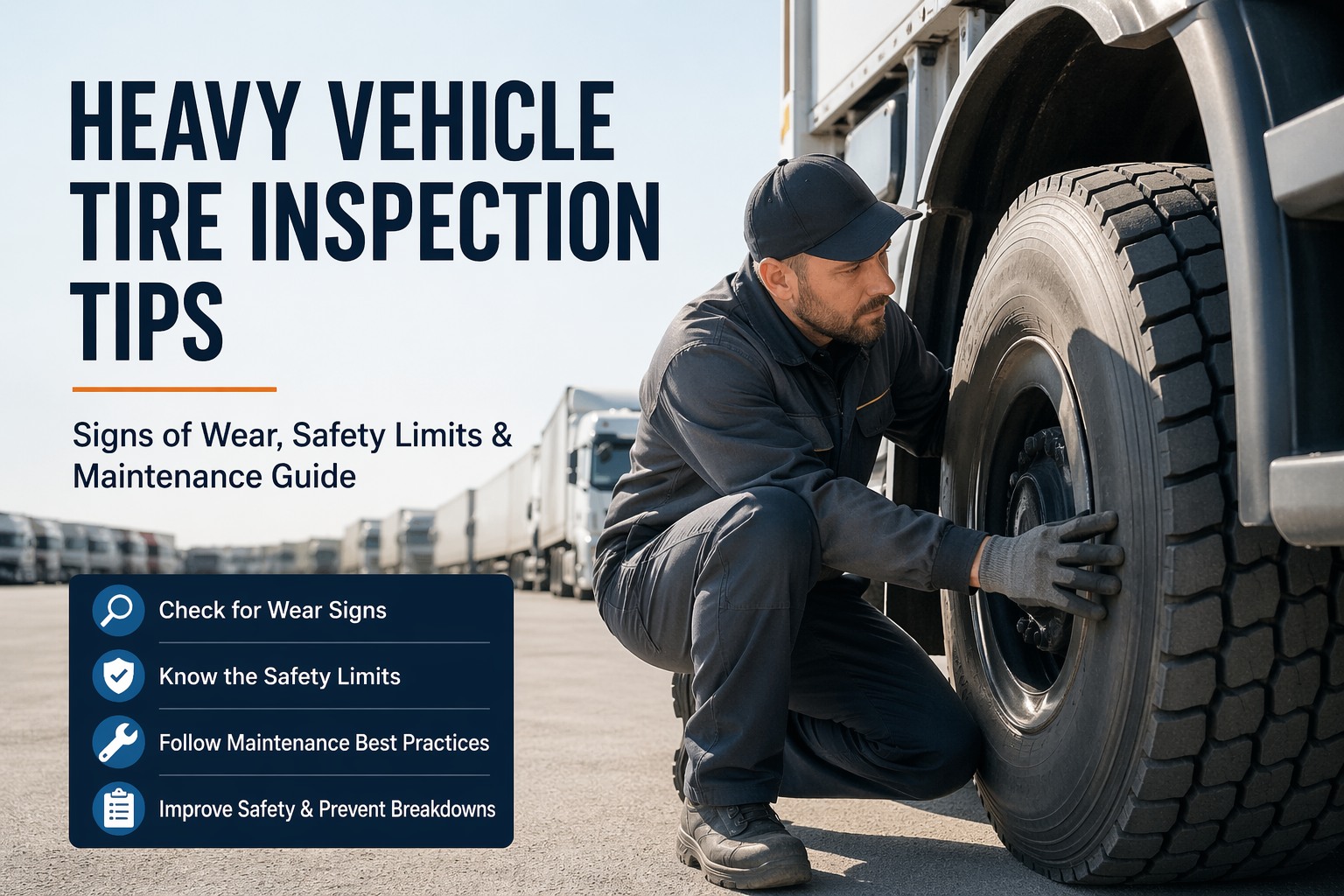
- Tires below minimum tread depth (4/32" steer, 2/32" other)
- Inoperable lights/reflectors
- Missing/expired annual inspection
- Oil/coolant/fuel leaks
Penalty: $13,300-$53,203; High OOS risk
Hours of Service Violations
Fatigue-related violations remain common despite ELD mandates. Both exceeding limits and falsifying logs trigger enforcement.
- Exceeding 11-hour driving limit
- Driving beyond 14-hour window
- Missing 30-minute break requirement
- Falsifying ELD records
- ELD malfunction without paper backup
Penalty: Up to $16,000 per violation
Driver Qualification Failures
Missing or incomplete DQ files are among the most common audit findings - over 62,000 violations in five years.
- Operating without valid CDL or wrong class
- Expired/missing medical certificate
- No pre-employment Clearinghouse query
- Missing MVR or annual review
- Incomplete employment application
Penalty: $7,155 for no CDL; $1,100-$16,000 per file
Drug & Alcohol Program Failures
Testing violations cause automatic audit failure. Clearinghouse makes violations impossible to hide from other employers.
- No drug/alcohol testing program
- Using driver who refused required test
- Missing Clearinghouse queries
- Positive test without SAP process
- Inadequate random testing pool
Penalty: Automatic audit failure; CDL revocation
Record-Keeping Failures
Documentation gaps are preventable but consistently rank among top violations. Off-site audits make digital record-keeping essential.
- Missing/incomplete DVIRs
- No maintenance records
- Incomplete inspection documentation
- Records not available for audit
- Falsification of any records
Penalty: $15,846 max for recordkeeping; $3,760+ for falsification
Operating Authority Violations
Operating without proper authority or insurance can shut down your entire operation.
- Operating without required USDOT number
- Inadequate insurance coverage
- Operating under OOS order
- Using unauthorized/unqualified drivers
- Missing UCR registration (if applicable)
Penalty: $2,304-$29,221; Loss of operating authority
The Reality of DOT Audits
Digital Compliance Management
Paper-based compliance is dying - and with good reason. Off-site audits have increased by 8,485% since 2017, requiring carriers to submit digital records within 48 hours. The June 2025 shift to electronic medical certification is just the latest push toward digital systems. Fleets using digital compliance tools catch issues earlier, respond to audits faster, and maintain better CSA scores.
Paper-Based Compliance
- ✗ Documents lost, misfiled, or illegible
- ✗ Days/weeks to gather records for audits
- ✗ No automated alerts for expirations
- ✗ Difficult to track driver across locations
- ✗ Manual data entry errors compound
- ✗ 43% of vehicles have issues missed on paper checklists
Digital Compliance
- ✓ Secure cloud storage with instant retrieval
- ✓ Audit-ready documents in minutes, not days
- ✓ Automatic alerts before documents expire
- ✓ Real-time visibility across entire fleet
- ✓ Photo documentation proves condition
- ✓ 40% more defects caught with digital inspections
How HVI Automates DOT Compliance
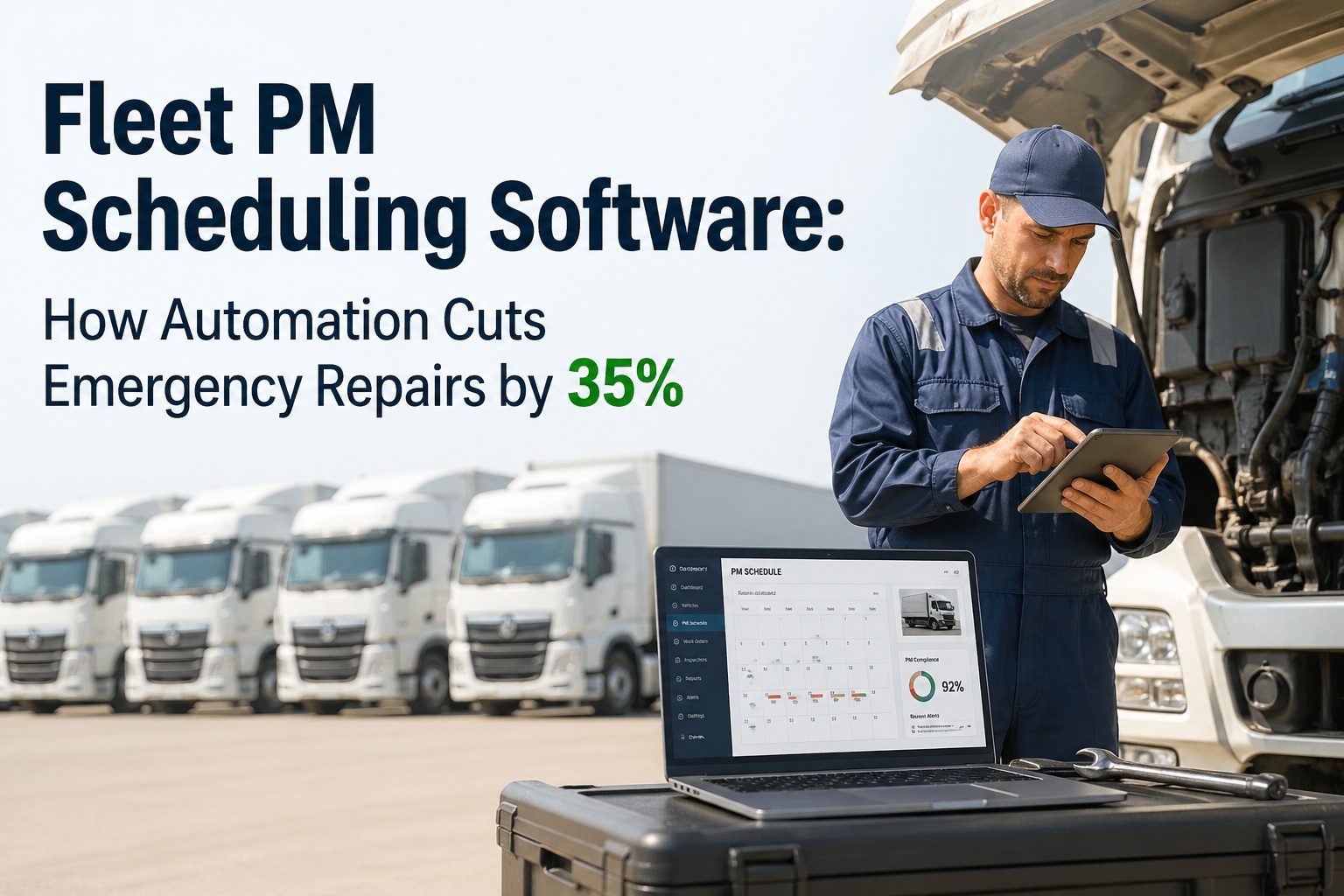
Mobile inspections with photo documentation, timestamps, and driver signatures. Automatically routes defects to maintenance with full context.
Automated notifications before medical cards, annual inspections, CDLs, and other credentials expire. Never miss a renewal again.
Centralized driver files with all required documents. Dashboard shows compliance status at a glance - green, yellow, red for each driver.
Defects discovered during inspections automatically generate work orders. Complete repair documentation creates audit trail.
Generate inspection histories, maintenance records, and driver files instantly. Export-ready for FMCSA portal submission.
Complete inspections without cell service. Data syncs automatically when connection restores - critical for remote operations.
DOT Audit Preparation Checklist
Whether it's a new entrant audit, compliance review, or safety audit, use this checklist to prepare:
Check every active driver file for all required documents. Update expired MVRs and medical certificates.
Verify random testing pool meets 50%/10% requirements. Run Clearinghouse queries for any missed drivers.
Confirm annual inspections current, DVIRs complete for past 3 months, maintenance records organized.
Check for unassigned driving time, form/manner errors, missing supporting documents.
Confirm USDOT number active, insurance current, BOC-3 on file, UCR registered (if applicable).
Ensure you can export/upload documents to FMCSA portal within 48-hour deadline for off-site audits.
Frequently Asked Questions
Stay Compliant. Stay Operating.
DOT compliance protects your drivers, your authority, and your business. With 93% of carriers facing violations during audits and fines averaging nearly $7,000 per case, proactive compliance management isn't optional - it's essential. HVI gives you the digital tools to track documents, automate inspections, and stay audit-ready every day of the year.
No credit card required - Setup in under 10 minutes - Audit-ready compliance from day one