DOT compliance isn't optional — it's the difference between operating legally and facing $16,000+ per-violation fines, vehicle out-of-service orders, and potential shutdown. Yet 2026 brings more regulatory change than any year in the past decade: MC numbers eliminated, electronic medical certification fully enforced, SMS scoring overhauled, HOS pilot programs launched, and the Drug & Alcohol Clearinghouse tightening its grip on prohibited drivers. This guide covers every compliance area fleet managers must master — HOS rules, ELD mandates, vehicle maintenance records, drug testing programs, driver qualification files, and audit preparation — with the specific 2026 regulatory changes integrated into each section. Book a demo to see how HVI automates inspection compliance, credential tracking, and audit-ready documentation for your fleet.
Every Rule, Every Deadline, Every Document — In One Actionable Framework
1. DOT Compliance Overview for Fleets
DOT compliance encompasses every federal regulation governing commercial motor vehicles (CMVs) operating in interstate commerce. The Federal Motor Carrier Safety Administration (FMCSA) enforces these rules through roadside inspections, compliance reviews, and the Safety Measurement System (SMS) that continuously scores every carrier's performance. Understanding which regulations apply to your fleet — and what's changing in 2026 — is the foundation of a defensible compliance program.
MC Numbers Eliminated
USDOT numbers are now the sole federal identifier for all motor carriers, brokers, and freight forwarders. Update all vehicles, documentation, insurance filings, and business materials. No more MC numbers on anything.
Paper Medical Certificates End
The temporary waiver allowing paper MECs expires. After this date, carriers must verify all CDL driver medical certifications exclusively through Motor Vehicle Records (MVRs) from state licensing agencies. Stop collecting paper MECs for CDL drivers.
SMS Scoring Overhaul
BASICs renamed to "compliance categories." Vehicle Maintenance split into two separate categories. 950+ violation codes consolidated. New utilization factor (250,000 VMT vs. old 200,000). Inspection performance now directly impacts carrier rating.
HOS Pilot Programs Launch
Two FMCSA-sponsored studies: (1) 14-hour pause pilot allowing 30 min to 3-hour pause of driving window, and (2) expanded sleeper berth splits including 6/4 and 5/5 options. ~500 drivers participating. Results may reshape HOS rules.
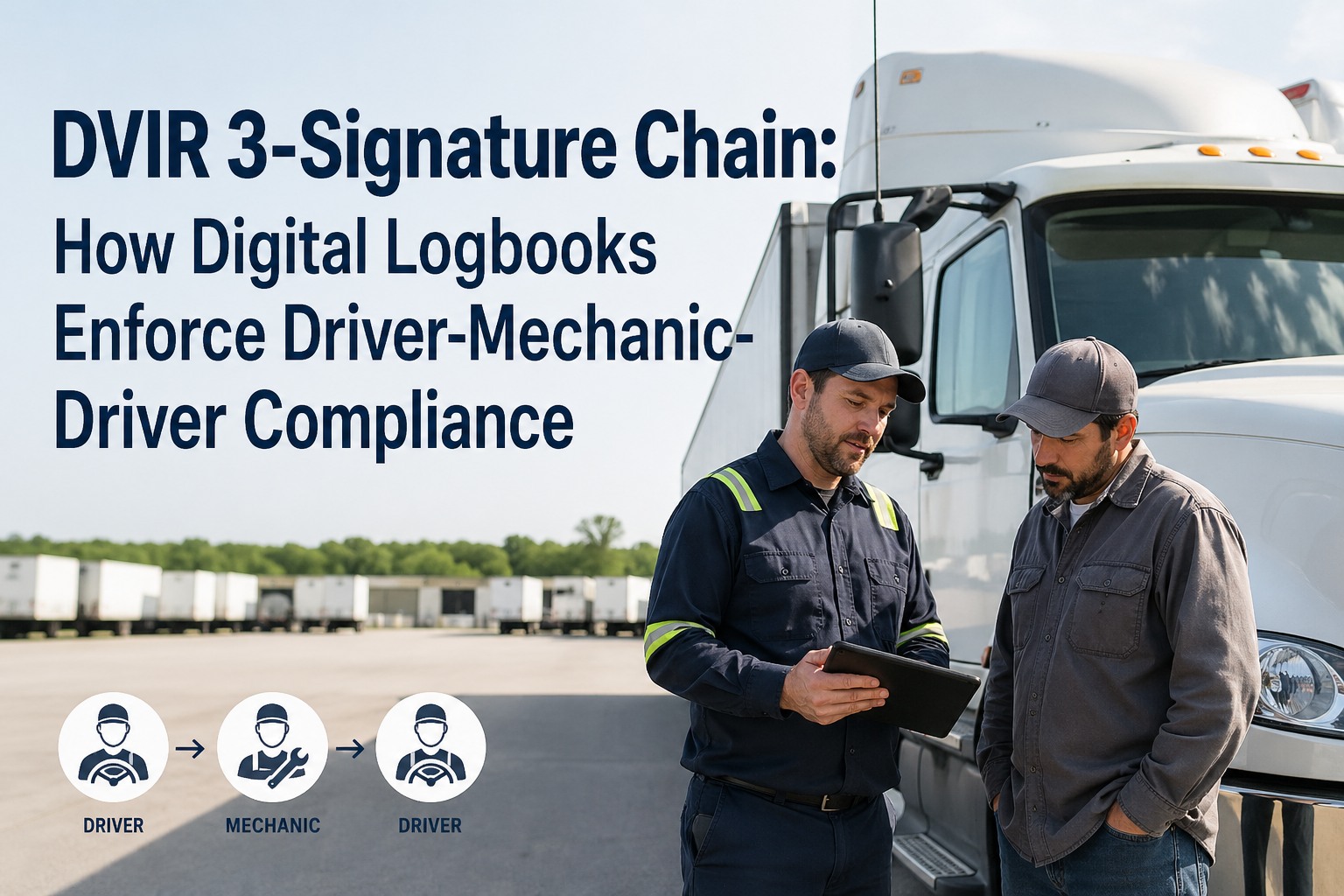
eDVIR Explicitly Authorized
FMCSA-2025-0115 final rule officially authorizes electronic DVIRs. Eliminates any legal ambiguity about paperless inspection reports. Fleets using digital inspection platforms are now explicitly compliant.
Clearinghouse Enforcement Tightening
FMCSA revoking CDLs of drivers with unresolved "prohibited" status in the Drug & Alcohol Clearinghouse. Carriers must verify all drivers are clear. English proficiency enforcement intensified — drivers who cannot respond in English placed OOS.
2. Hours of Service (HOS) Compliance
HOS violations are among the most common and most expensive FMCSA citations, with fines up to $16,000 per violation. The rules haven't changed structurally since the 2020 revisions, but enforcement technology has — ELDs make every minute auditable, and the 2026 SMS overhaul weights HOS violations more heavily in carrier scoring.
3. ELD Requirements and Mandates
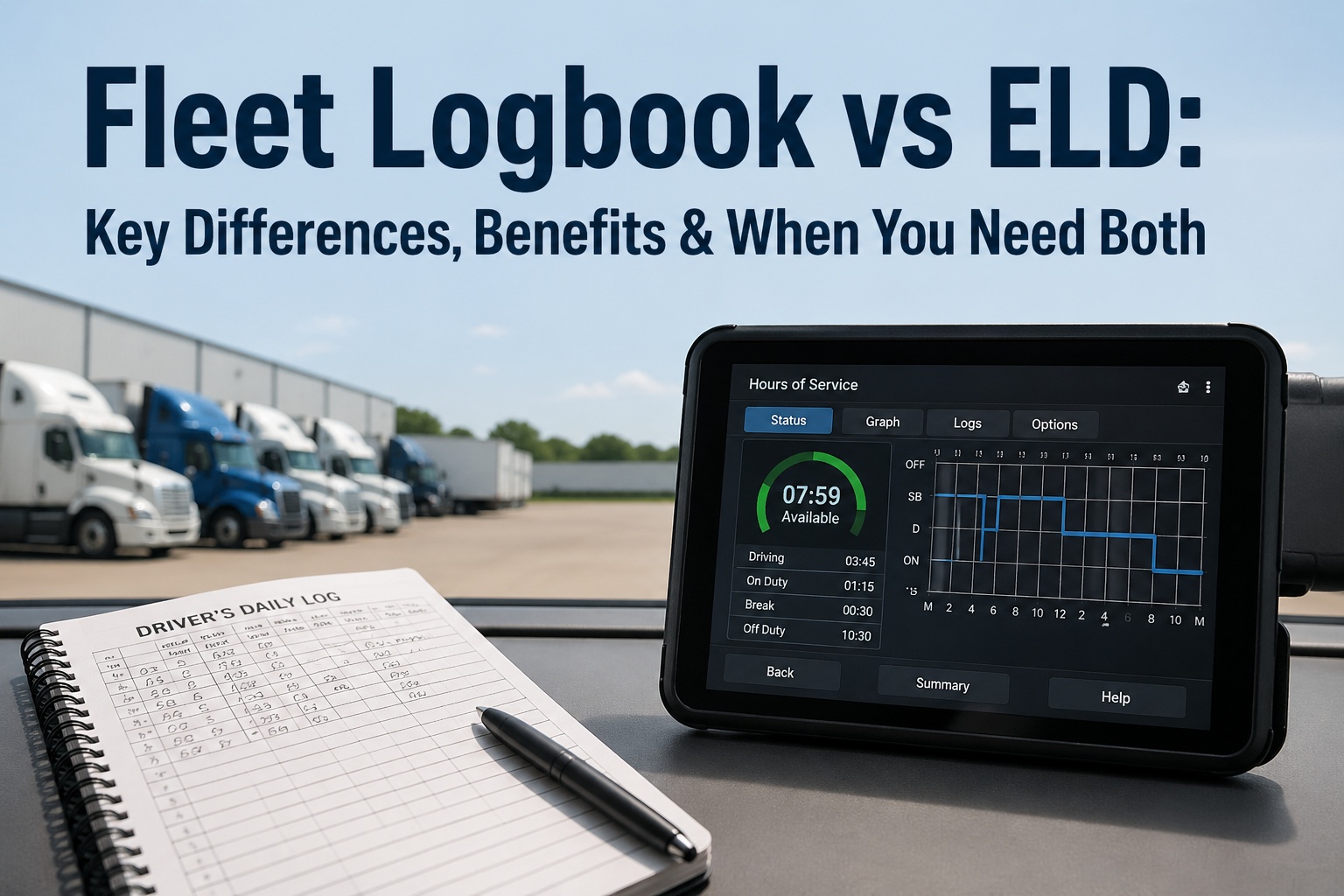
Electronic Logging Devices replaced paper logs for most carriers in December 2017 (full enforcement April 2018). By 2026, ELD compliance is mature — but the landscape continues shifting. FMCSA is removing non-compliant devices from the registered list and planning "technical modifications" to ELD rules that may require hardware or software upgrades.
4. Vehicle Maintenance Records
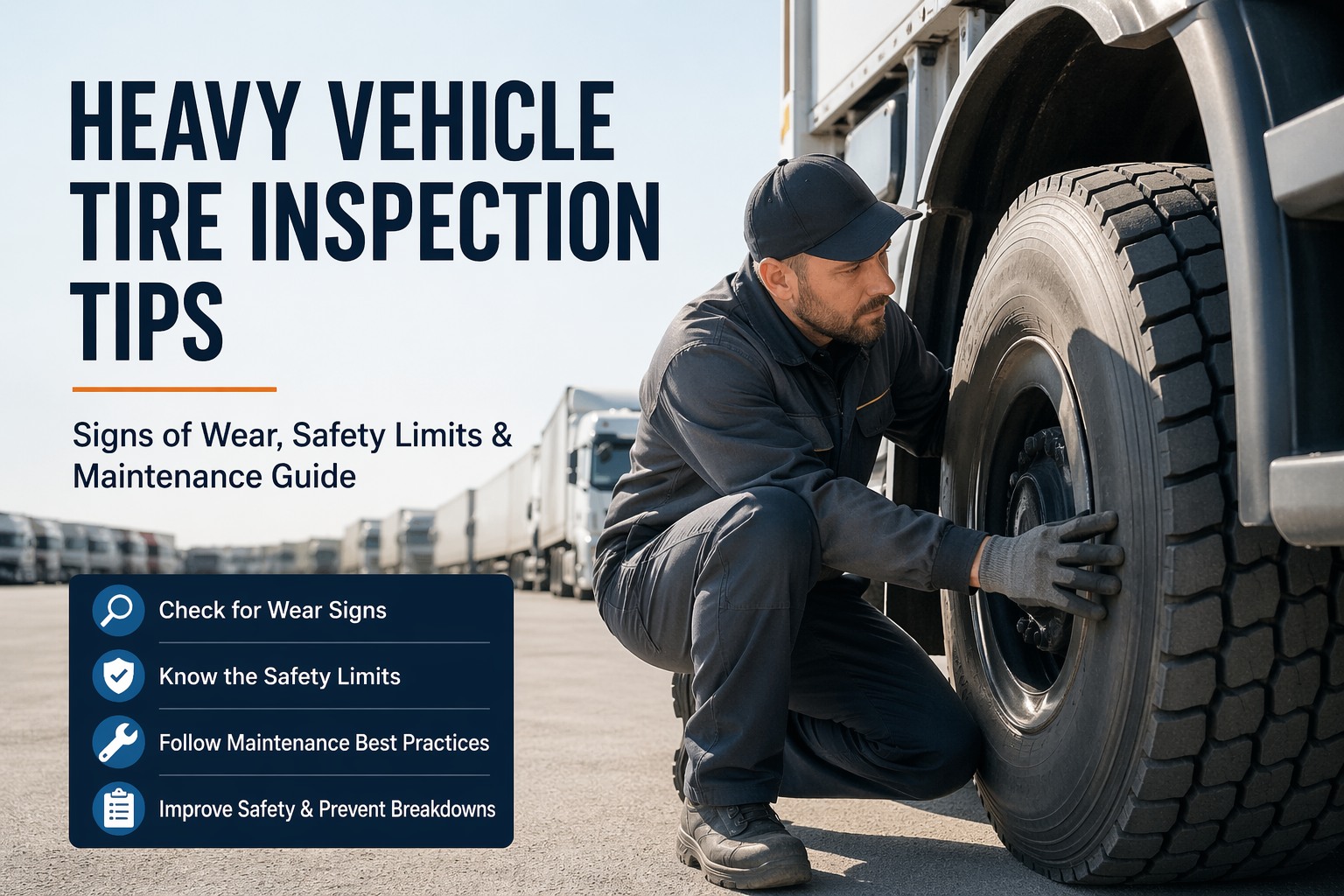
Vehicle maintenance documentation is one of the most audit-scrutinized compliance areas. The 2026 SMS overhaul splits Vehicle Maintenance into two separate compliance categories — making maintenance record quality even more critical to your carrier safety score. Every inspection, repair, and annual certification must be documented, retained, and retrievable on demand.
5. Drug and Alcohol Testing Program
FMCSA's Drug and Alcohol Clearinghouse — operational since January 2020 — has fundamentally changed testing compliance. As of 2025, FMCSA is actively revoking CDLs of drivers with unresolved "prohibited" status. The 2026 random testing rate remains 50% for drugs and 10% for alcohol. Carriers that fail to maintain a compliant program face fines of $16,000+ per violation.
Required before any driver operates a CMV. Must include:
2026 rates: 50% drug, 10% alcohol. Must use scientifically valid random selection method. All CDL drivers must be in the pool. Tests must be spread throughout the year — no loading into one quarter.
Required after any accident involving:
Drug test within 32 hours. Alcohol test within 8 hours.
When a trained supervisor observes signs of impairment. Supervisor training required: minimum 60 minutes on alcohol signs, 60 minutes on drug signs. Document specific observations that triggered the test.
After any positive test or refusal: driver must complete SAP evaluation, follow treatment plan, pass return-to-duty test (observed collection), then enter follow-up testing program (minimum 6 directly observed tests in 12 months).
Pre-employment: Full query (driver consent required).
Annual: Limited query for all current drivers (every 12 months).
2026 enforcement: CDLs being revoked for unresolved prohibited status. Carriers employing prohibited drivers face fines.
6. Driver Qualification Files
Every driver operating a CMV must have a complete Driver Qualification (DQ) file. Incomplete DQ files are a top finding in DOT compliance reviews — penalties range from $1,100 to $16,000 per incomplete file. The 2026 shift to electronic medical certification verification makes DQ file management more automated but requires updated procedures.
7. Preparing for DOT Audits
DOT audits come in several forms: new entrant safety audits (within 18 months of receiving authority), compliance reviews (triggered by poor SMS scores or complaints), and focused reviews (targeting specific compliance areas). The key to surviving any audit: organized, complete, instantly retrievable documentation across every compliance area.
Continuous Audit Readiness
During the Audit
Post-Audit Response
Frequently Asked Questions
As of October 1, 2025, FMCSA eliminated Motor Carrier (MC) numbers entirely. USDOT numbers are now the sole federal identifier for all motor carriers, brokers, and freight forwarders. Operating authority is designated through suffixes attached to USDOT numbers. All vehicles, documentation, insurance filings, and business materials must reflect USDOT numbers only — no more MC numbers anywhere. This is part of the Registration Modernization system designed to simplify identification, reduce fraud, and improve verification.
After January 10, 2026, carriers must verify CDL driver medical certifications exclusively through Motor Vehicle Records (MVRs) obtained from state licensing agencies. Certified medical examiners now electronically submit DOT exam results to FMCSA's National Registry, which transmits them to state DMVs. Pull MVRs to confirm medical certification is active. Note: you still collect physical MECs for non-CDL drivers who require medical certification. Update your DQ file procedures to reflect this change.
FMCSA is overhauling the Safety Measurement System in early-to-mid 2026. Key changes: BASICs renamed to "compliance categories," the Vehicle Maintenance BASIC splits into two separate categories (increasing the weight of maintenance violations), 950+ violation codes are being consolidated for clearer categorization, and the utilization factor increases from 200,000 to 250,000 VMT per power unit. Inspection performance and OOS rates now directly impact carrier ratings. The new system makes data accuracy more important than ever — fleets should monitor their scores monthly through the SMS website.
Yes. FMCSA-2025-0115, published in the Federal Register on February 19, 2026, with an effective date of March 23, 2026, explicitly authorizes electronic DVIRs. This final rule eliminates any remaining legal ambiguity — digital inspection reports that capture all required information (vehicle identification, defects found or "no defects" certification, driver signature, repair verification) are fully compliant. Book a demo to see HVI's eDVIR-compliant inspection platform.
Several factors can trigger a compliance review: poor SMS scores that exceed intervention thresholds, complaints filed against the carrier, a pattern of roadside inspection violations, a serious crash history, failure to respond to warning letters, new entrant audit requirements (within 18 months of receiving authority), or targeted enforcement campaigns. The best defense is continuous compliance monitoring — by the time you receive audit notification, your records need to already be in order. Digital systems that maintain real-time compliance status are the most reliable audit preparation strategy.
Fines range from $1,100 to $16,000 per incomplete DQ file depending on the severity and number of missing elements. Each missing document can be cited as a separate violation. For a fleet of 25 drivers with consistently incomplete files, exposure can reach $400,000+ in a single audit. The most commonly missing items: previous employer safety history (30-day deadline often missed), annual MVR review (forgotten at anniversary date), and Clearinghouse annual limited query (requires tracking across all active drivers).
40+ FMCSA Rules in the Pipeline. Is Your Fleet Ready for 2026?
HVI automates the compliance chain: guided digital inspections capture DVIRs with photo evidence, defects auto-generate work orders, credential tracking alerts you before expirations, and audit-ready reports generate in one click. Purpose-built for fleets navigating DOT compliance.
No commitment required • 30-minute walkthrough • See live compliance dashboards