Only 7% of motor carriers pass a DOT audit without a single violation — the remaining 93% face fines, out-of-service orders, or worse. The annual periodic inspection under 49 CFR 396.17 is the cornerstone of fleet compliance: every commercial motor vehicle must pass a comprehensive inspection at least once every 12 months, covering every item in Appendix A of the FMCSA regulations, and proof of that inspection must be on the vehicle at all times. A missing or expired annual inspection sticker is an automatic out-of-service order at any roadside stop — no questions, no exceptions. With the 2026 CSA scoring overhaul splitting Vehicle Maintenance into two separate compliance categories for more targeted enforcement, and the February 2026 eDVIR Final Rule reinforcing electronic records as the preferred compliance method, the stakes for maintaining inspection documentation have never been higher. This guide breaks down exactly what the DOT annual inspection covers, who can perform it, what records you must keep, the most common violations that fail trucks, and how to build an inspection program that keeps your fleet in that 7% that passes clean. Book a demo to see how HVI automates DOT annual inspection tracking and compliance records, or start your free trial.
49 CFR 396.17 Requirements, Appendix A Checklist, Common Violations, Penalties & Digital Compliance
What the DOT Annual Inspection Covers
The annual periodic inspection (49 CFR 396.17) must cover every item listed in Appendix A of the FMCSA regulations — Minimum Periodic Inspection Standards. This is not a visual check or a driver walk-around. It is a comprehensive, hands-on inspection of every safety-critical system, performed by a qualified inspector who can physically test, measure, and evaluate each component. Here is the complete Appendix A breakdown.
Who Can Perform the Annual Inspection?
The inspector must understand the inspection standards in Appendix A, be able to identify defects and judge whether components meet safety requirements, and have knowledge of and proficiency in methods, procedures, and tools. Qualification can come from completing a state or federal training program, holding a state qualifying certificate, or having a combination of training and experience totaling at least one year. The motor carrier must retain evidence of inspector qualifications for one year after the inspector stops performing inspections.
Motor carriers in states without an FMCSA-equivalent inspection program can self-inspect (if their inspector meets 396.19 qualifications) or use a qualified third-party. States with FMCSA-equivalent programs (CA, TX, NY, PA, and 20+ others) handle annual inspections through their state programs. Canadian provinces and Mexico's NOM 68 program are also accepted. As the motor carrier, it is your responsibility to verify inspector qualifications before they inspect your vehicles.
Record Keeping Requirements
Most Common Violations & Penalties
Vehicle Maintenance is the largest violation category by volume in FMCSA enforcement. Under the 2026 CSA overhaul, it is being split into two separate compliance categories for more targeted scoring. These are the violations most likely to put your truck out of service at a roadside inspection.
The #1 most cited violation year after year. Headlights, brake lights, turn signals, marker lights — any required light not working is a citation. Completely preventable with proper pre-trip inspections. CVSA OOS criteria: 393.9.
Missing proof of current annual inspection = automatic out-of-service order. The sticker or report must be on the vehicle. No exceptions, no grace period. 396.17. Penalty: up to $19,277 for operating an OOS vehicle.
Brake pushrod travel exceeding adjustment limits is one of the most common OOS conditions. Requires physical measurement, not just visual check. Critical for loaded heavy vehicles where stopping distance is life-or-death.
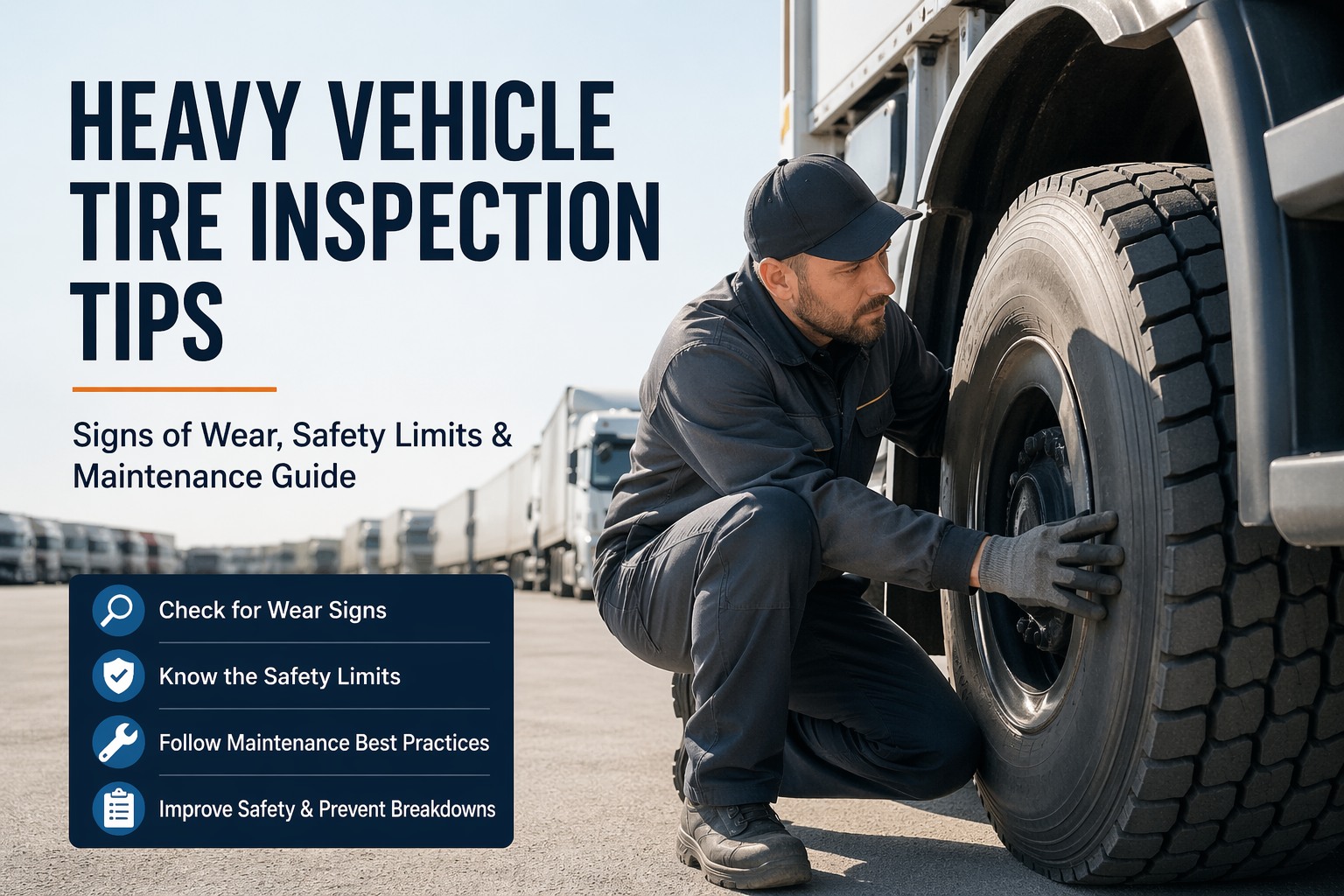
Tread depth below minimum (4/32" steer, 2/32" others), flat tires, exposed cords, sidewall damage. Tire violations are among the highest-weighted in the CSA scoring system because they directly correlate with crash risk.
Audible air leaks, brake hose deterioration, and failed air pressure tests. Air brake issues can result in immediate OOS orders because brake failure on heavy vehicles is catastrophic. Air pressure drop test: <3 PSI/min (single), <4 PSI/min (combination).
What Changed in 2026
BASICs renamed to "Compliance Categories." Vehicle Maintenance split into two separate categories. 950+ violations consolidated. Simplified severity weights. 12-month violation window fully enforced. This means vehicle maintenance violations will be tracked and scored more granularly — making annual inspection compliance even more critical for your overall safety score.
Electronic Driver Vehicle Inspection Reports are now explicitly permitted and endorsed. Digital records with timestamped documentation, photo evidence, and automated defect routing are the new compliance standard. Paper DVIRs remain legal but digital systems achieve 96% audit pass rates vs 73% for paper.
USDOT numbers are now the sole federal identifier. All vehicles, documentation, and systems must be updated. This affects how annual inspection records reference your operating authority.
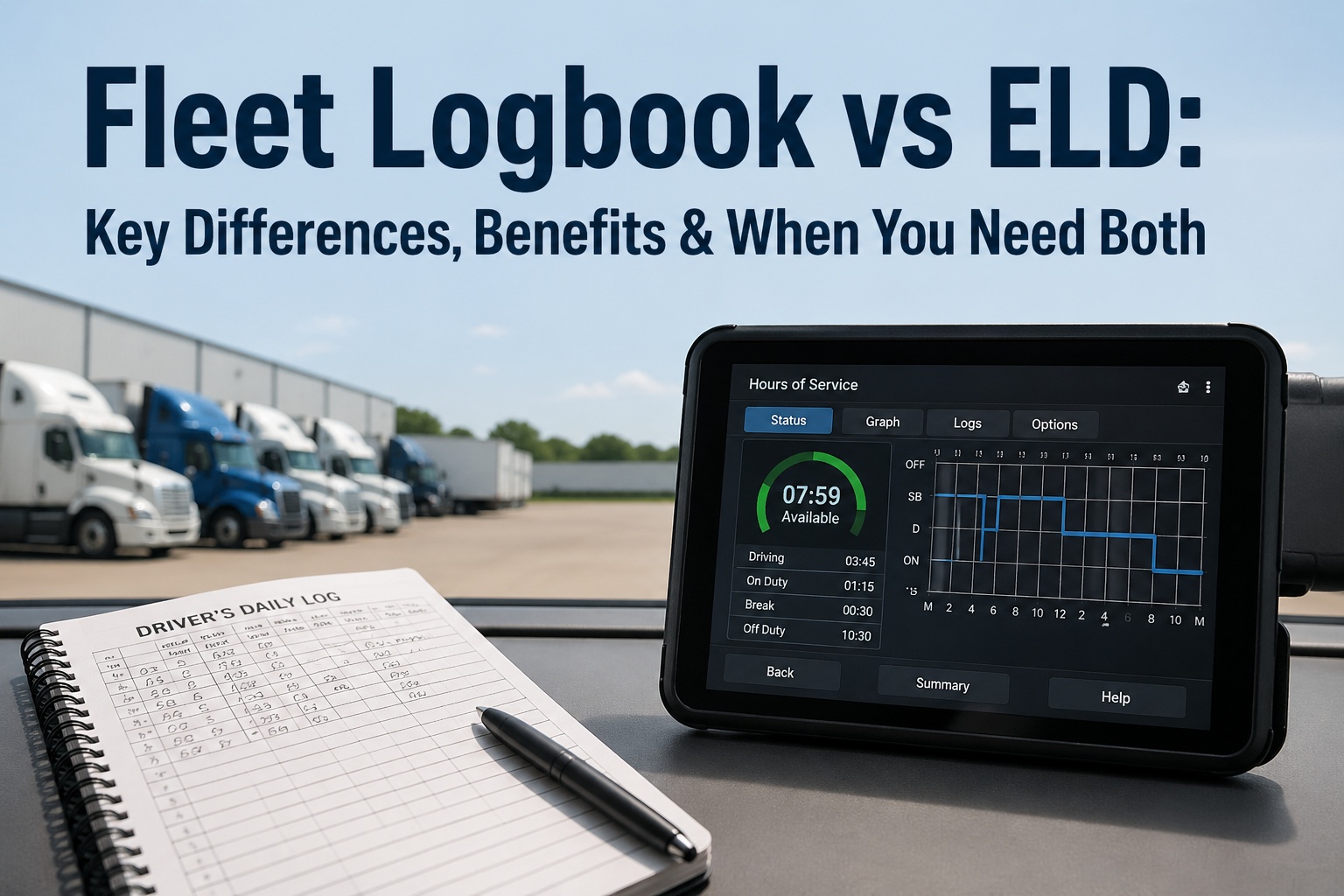
PSS ELD, Black Bear ELD, and RT ELD Plus removed from FMCSA registered list. Carriers using these devices must replace by February 7, 2026 or face non-compliance.
Automate DOT Compliance — See HVI in Action
HVI tracks annual inspection schedules, stores inspection reports digitally for 14+ months, automates DVIR workflows, and generates audit-ready compliance records. Stop scrambling before audits — be audit-ready every day.
Building Your Annual Inspection Program
Create a master calendar with every CMV's last annual inspection date and expiration. Set alerts at 60 days, 30 days, and 14 days before expiration. A single truck on the road with an expired annual = automatic OOS + CSA score hit + potential fine of $19,277.
Whether you use in-house inspectors or third-party shops, verify and document their qualifications under 396.19 before they inspect your first vehicle. Retain qualification records for one year after they stop inspecting for you. An inspection performed by an unqualified inspector is the same as no inspection.
Run your own internal inspection 2-4 weeks before the scheduled annual. Fix all defects before the vehicle goes to the certified inspector. This prevents failed inspections, reduces re-inspection costs, and ensures your trucks pass on the first attempt.
Inspection reports must be retained 14 months. Keep proof of current inspection on the vehicle at all times (sticker, decal, or copy of report). Digital platforms store records indefinitely and make them instantly accessible during roadside stops or compliance audits.
The annual inspection is the comprehensive check. Daily DVIRs catch problems between annuals. Your PM program fixes them before they become violations. Together, these three layers create a compliance system that keeps every vehicle road-ready and audit-ready, every day.
How HVI Automates DOT Records
Most carriers fail audits not because they skip inspections — but because they cannot produce the records when asked. Paper forms get lost, filed incorrectly, or lack the required fields. HVI eliminates every documentation gap that causes audit failures.
HVI stores each vehicle's last annual inspection date and automatically calculates expiration. Alerts fire at 60, 30, and 14 days before expiration — so no truck ever hits the road with an expired sticker. Fleet-wide dashboard shows compliance status at a glance.
Inspection reports are stored in the cloud indefinitely — exceeding the 14-month FMCSA requirement. Reports include inspector identity, carrier, vehicle ID, date, items checked, and results. Instantly searchable and accessible from any device during roadside stops or compliance audits.
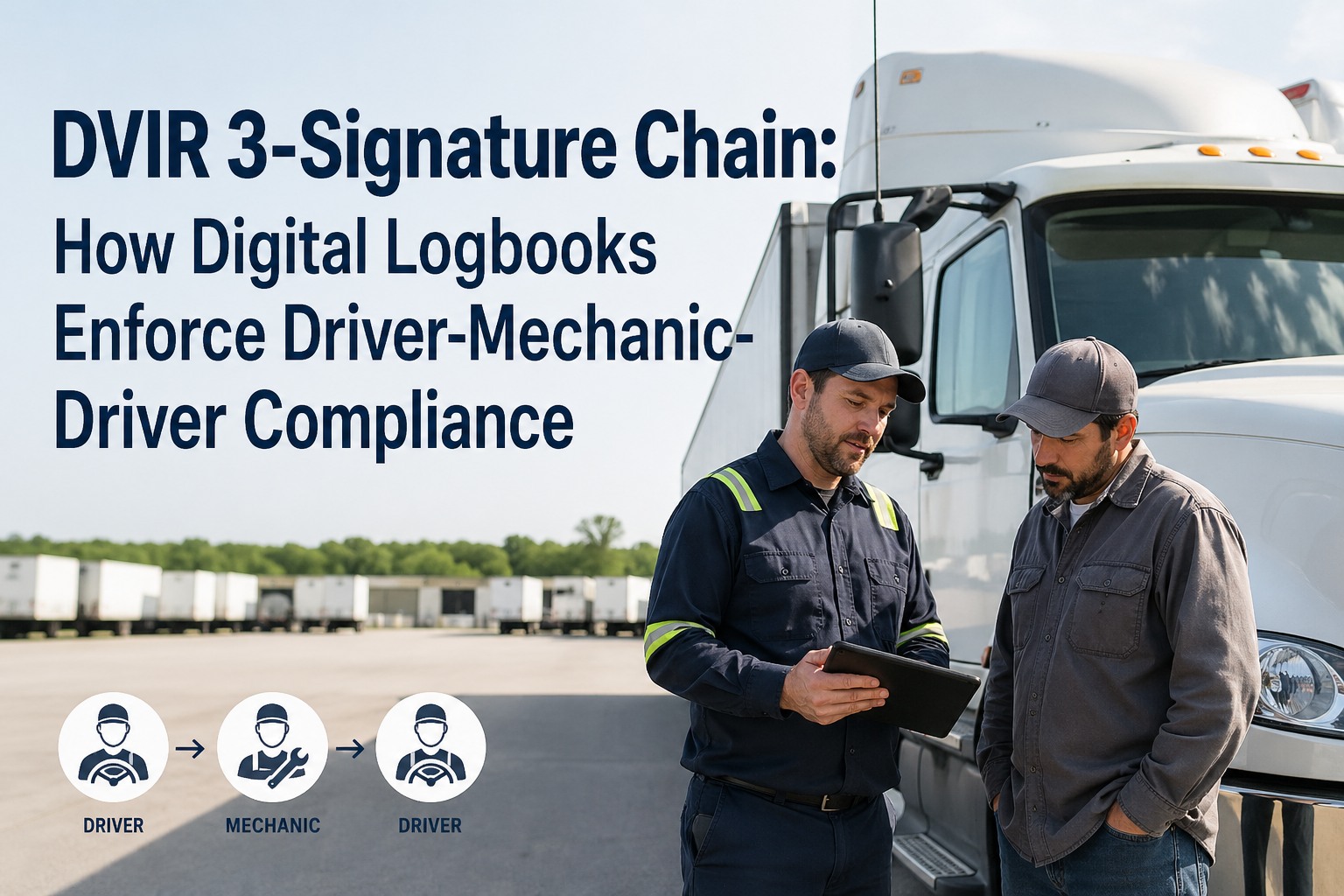
Drivers complete digital DVIRs on their phone with guided checklists, photo evidence, and GPS timestamps. Defects auto-generate work orders routed to maintenance. Carrier repair certification and next-driver sign-off are tracked digitally — creating the complete defect-to-repair chain FMCSA requires under 396.11 and the March 2026 eDVIR rule.
If a driver skips a pre-trip DVIR, HVI alerts management immediately. No more discovering at audit time that inspections were missed for days or weeks. The system tracks completion rates by driver and vehicle, exposing compliance gaps before auditors find them.
Generate complete compliance reports in seconds — covering annual inspections, DVIRs, maintenance records, and defect resolution history for any vehicle or your entire fleet. Paper systems achieve 73% audit pass rates; HVI achieves 96%. When an auditor asks for records, you produce them instantly instead of searching filing cabinets.
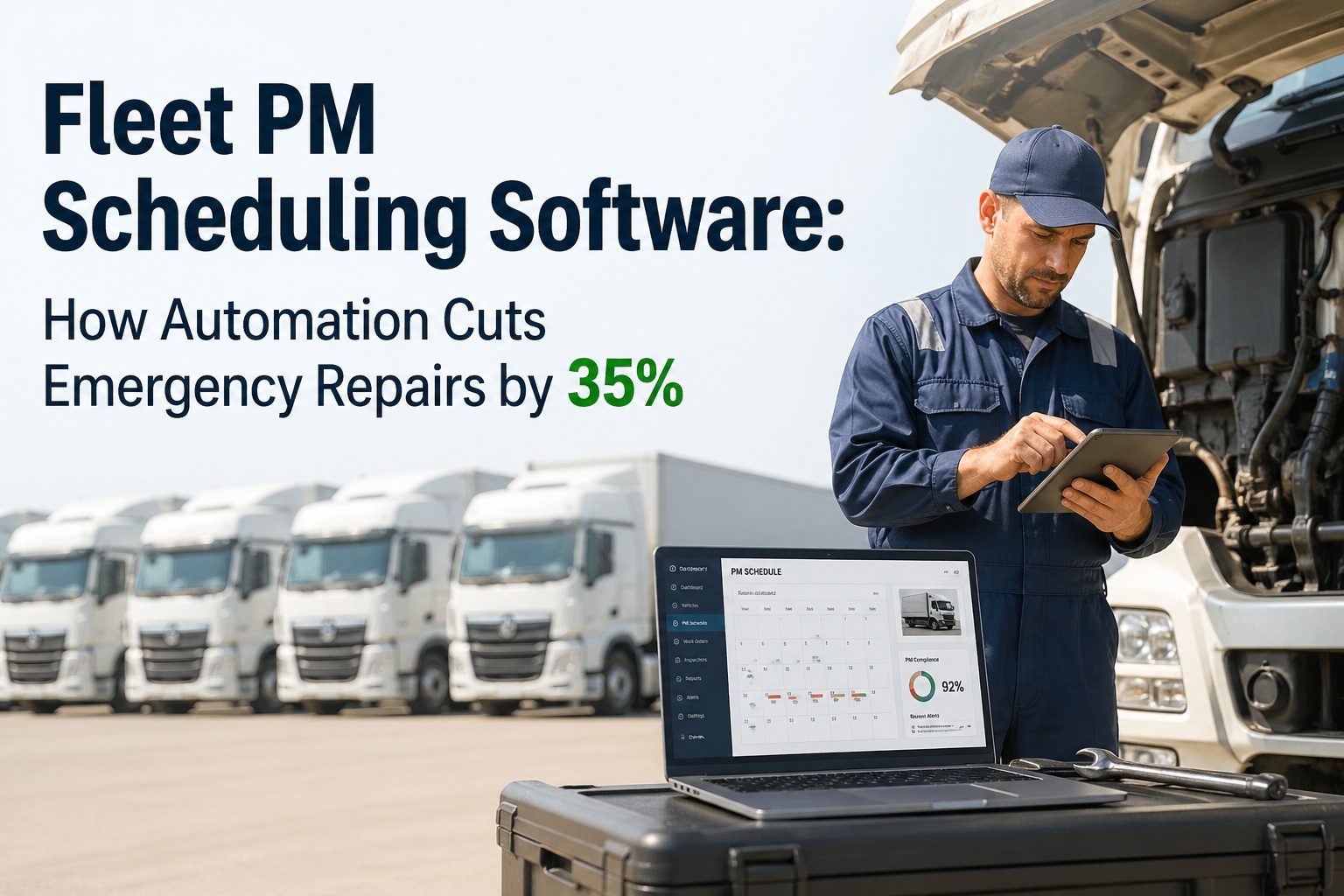
Link preventive maintenance schedules to actual mileage and hour meter readings from daily inspections. HVI triggers PM alerts based on real usage — not calendar guesses. When annual inspection time approaches, the system flags any outstanding PM items so your truck arrives at the inspector ready to pass on the first attempt.
Frequently Asked Questions
Every commercial motor vehicle subject to FMCSA regulations requires an annual periodic inspection under 49 CFR 396.17. This includes vehicles with a GVWR of 10,001+ lbs, vehicles designed to transport 9+ passengers for compensation, vehicles carrying 16+ passengers regardless of compensation, and vehicles transporting hazardous materials requiring placards. The inspection must cover all items in Appendix A and documentation must be on the vehicle at all times.
Operating a CMV without a current annual inspection (within the preceding 12 months) is a violation of 396.17. At a roadside inspection, it results in an automatic out-of-service order — the vehicle cannot move until a new inspection is performed and passed. Penalties can reach $19,277 per instance for operating an OOS vehicle. It also negatively impacts your CSA Vehicle Maintenance score, which affects insurance rates and shipper relationships.
Yes, if your inspector meets the qualification requirements of 49 CFR 396.19 — meaning they have completed a state or federal training program, hold a qualifying certificate, or have a combination of training and experience totaling at least one year. You must retain evidence of their qualifications. In states with FMCSA-equivalent inspection programs (CA, TX, NY, PA, and 20+ others), the state program may dictate who can perform inspections. Currently 24 states plus DC have approved programs.
Annual inspection reports must be retained for 14 months under 49 CFR 396.21. The report must identify the inspector, motor carrier, vehicle, date, items checked, and results. Proof of the current annual inspection (sticker, decal, or copy of the report) must be on the vehicle at all times. DVIRs are retained 3 months, roadside inspection reports 12 months, and general maintenance records for 1 year plus 6 months after the vehicle leaves your control.
Brake system defects are the leading cause of annual inspection failures — specifically brake adjustment out of specification, cracked drums, and air system leaks. Lighting violations (inoperable required lamps) are the most commonly cited deficiency overall. Tire violations (below minimum tread depth, sidewall damage) and steering component wear round out the top failure categories. Running a pre-inspection 2-4 weeks before the annual catches these issues in advance.
The CSA scoring overhaul (fully enforced February 2026) splits Vehicle Maintenance into two separate compliance categories, meaning maintenance violations are now tracked and scored more granularly. The 12-month violation window means violations from roadside inspections only count for one year instead of two. 950+ violations have been consolidated with simplified severity weights. The net effect: maintaining current annual inspections, clean DVIRs, and documented maintenance records is more important than ever for your overall carrier safety score.
Be in the 7% That Pass Clean — Automate DOT Compliance
HVI tracks annual inspection dates, stores reports digitally for 14+ months, automates eDVIRs, and generates audit-ready records. Stop reacting to audits — build a compliance system that works every day.
No credit card • No hardware • Setup in under 10 minutes • 49 CFR 396 compliant