82% of construction companies still rely on manual maintenance tracking — spreadsheets, paper forms, and "the mechanic knows" — missing critical service intervals and experiencing 40% higher equipment failure rates compared to digitally managed fleets. Construction equipment is not like a vehicle fleet. Excavators track operating hours, not miles. Cranes require 3-tier inspection programs per OSHA 1926.1412. Bulldozer undercarriage costs $15,000-$30,000+ to overhaul. Loaders move between job sites weekly. Generic fleet management software built for delivery trucks and car fleets simply cannot handle these realities. The construction equipment telematics market is projected to grow from $7.76 billion in 2025 to $20.59 billion by 2034 — signaling that the industry is moving decisively from paper to digital. The right platform delivers 75% downtime reduction and $180,000+ annual savings per 50-machine fleet. The wrong platform creates a digital version of the same disorganized paper system. This guide explains why construction equipment needs specialized software, compares the leading platforms, and walks through HVI's construction-specific capabilities in detail. Book a demo to see HVI's construction fleet module, or start your free trial.
Why Generic Fleet Tools Fail, Key Features for Construction, Platform Comparison, HVI Deep Dive & Customer Results
Why Construction Heavy Equipment Needs Specialized Software
Construction equipment tracks engine hours and operating hours — not odometer miles. PM schedules are triggered at 250, 500, 1,000, and 2,000 hours. A software platform that only supports mileage-based scheduling cannot properly manage excavator, dozer, or loader maintenance intervals. Every PM alert, every service record, and every cost-per-unit calculation must be hours-based.
Construction equipment moves between job sites — sometimes weekly, sometimes daily. Unlike trucking fleets with fixed depots, your excavator might be at Site A on Monday and Site B on Thursday. Software must track equipment location across sites, manage site-specific compliance requirements, and optimize allocation so the right machine is at the right project at the right time.
A construction fleet includes excavators, loaders, dozers, cranes, dump trucks, compactors, generators, and light vehicles — each with entirely different inspection checklists, PM intervals, regulatory requirements, and failure modes. Generic fleet software uses one template for everything. Construction software needs equipment-type-specific templates with the correct inspection points for each machine category.
Equipment on construction sites falls under OSHA 29 CFR 1926 (competent person inspections, ROPS, crane 3-tier programs). Equipment that operates on public roads additionally falls under FMCSA 49 CFR 396 (DVIRs, annual inspections, qualified inspectors). Dump trucks operating both on-site and on-road are subject to both simultaneously. Your software must handle both regulatory frameworks without manual duplication.
Construction sites have dust, mud, rain, extreme temperatures, and limited connectivity. Inspection and maintenance data must be captured on a phone in the field — with offline capability. Paper forms get wet, lost, and illegible. Desktop-only software is useless when your mechanic is standing next to a dozer in a mud pit. Mobile-first with offline sync is not optional — it is essential.
A single excavator costs $150,000-$500,000. A crane can exceed $1 million. Equipment represents the largest capital investment for most construction companies. Every management decision — PM timing, repair vs replace, utilization optimization, disposal timing — requires accurate cost-per-hour data that only comes from integrated inspection, maintenance, and parts tracking.
Key Features for Construction Equipment Fleets
Pre-built checklists for excavators, loaders, dozers, cranes, dump trucks, and specialty equipment — each covering the correct inspection points, OSHA requirements, and manufacturer-specific items for that machine type. Not generic "vehicle" checklists adapted after the fact.
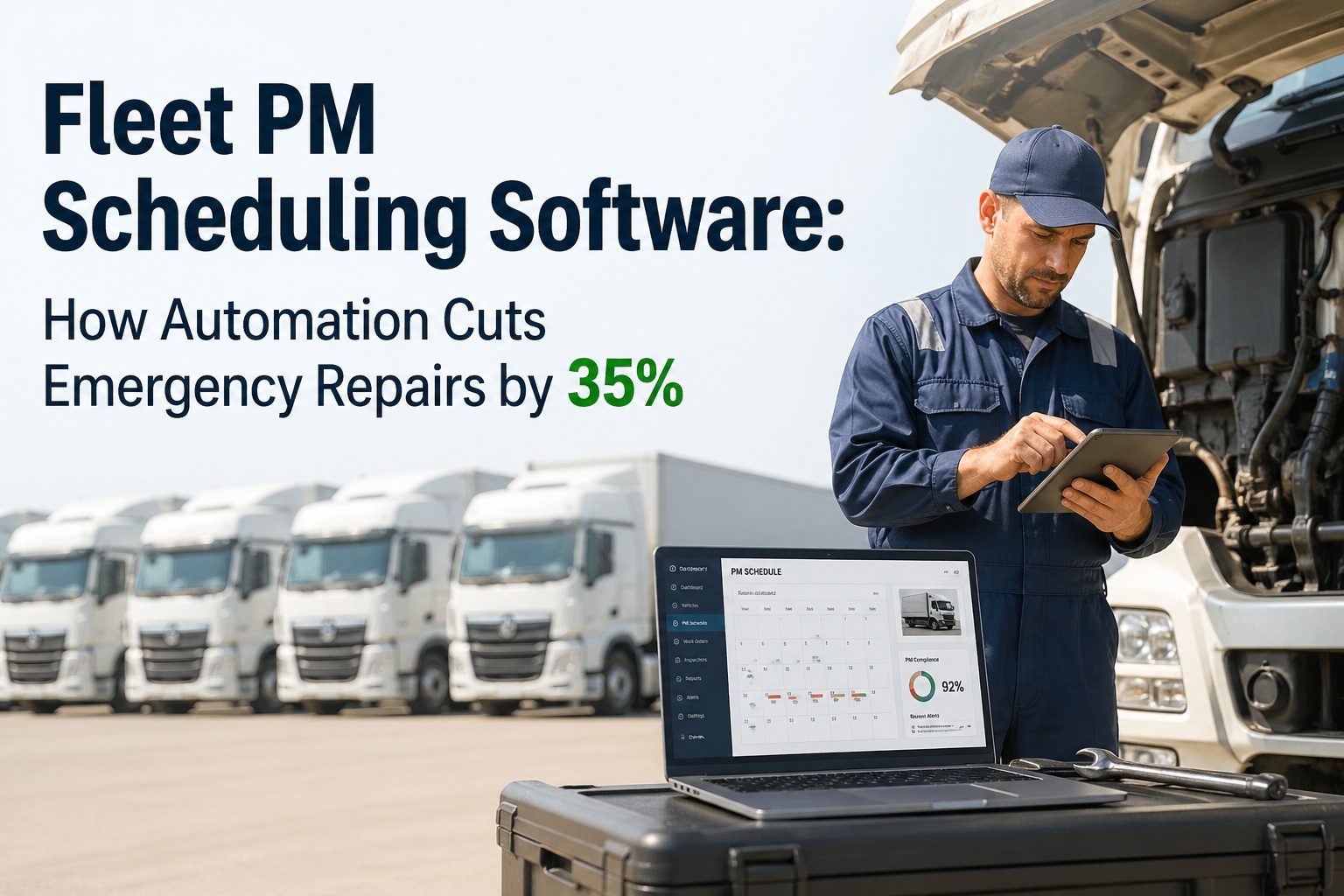
Tiered PM triggered by engine hours: PM-A (250 hrs), PM-B (500 hrs), PM-C/DOT Annual (1,000+ hrs). Calendar-based fallback for low-utilization equipment. Automated alerts at configurable thresholds. Integration with OEM telematics for automatic hour updates.
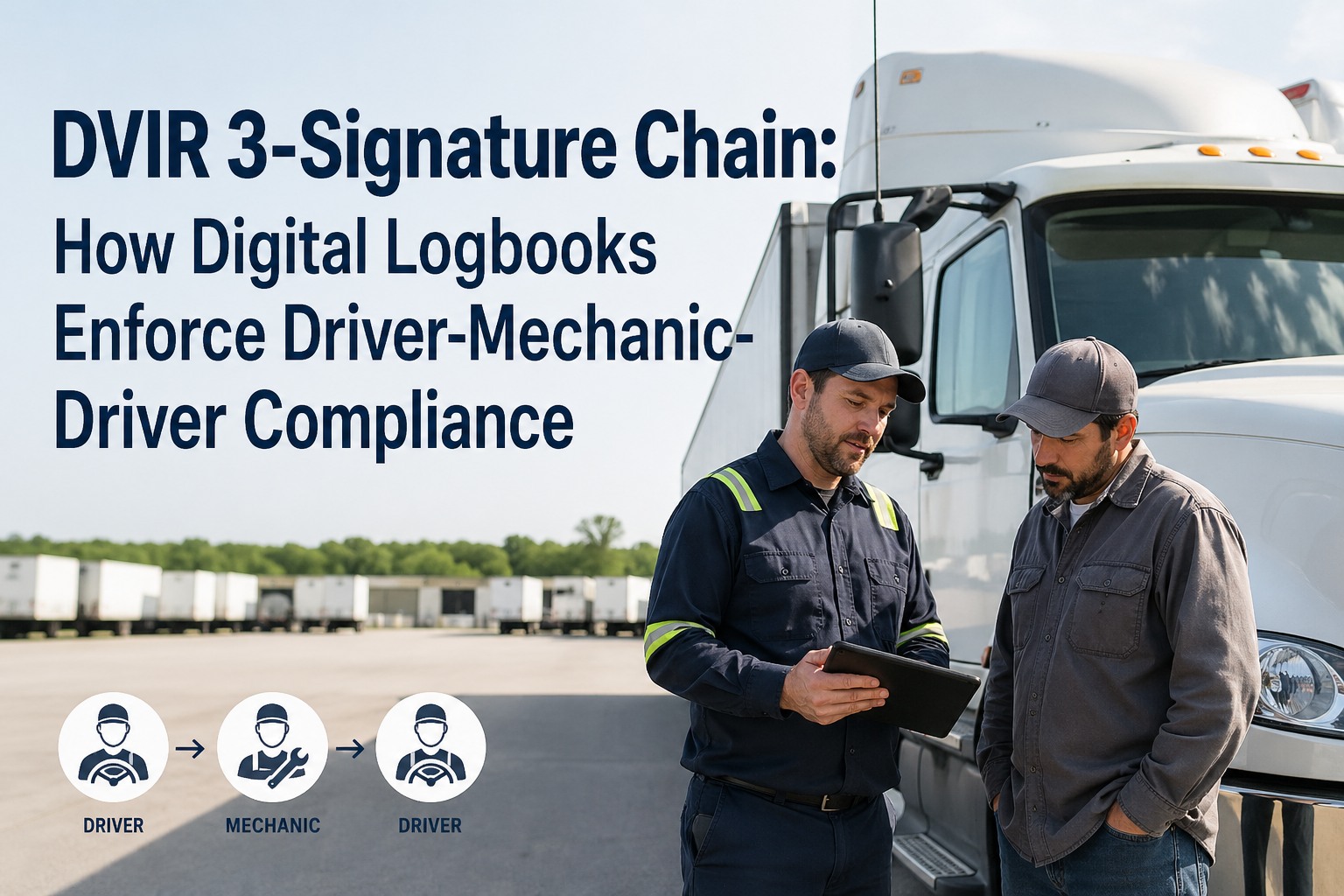
Operator reports defect during daily inspection → maintenance team receives instant notification with photos, severity, and equipment ID → work order auto-generated → parts availability checked → repair documented → equipment returned to service. Complete chain of custody with zero manual handoffs.
Link parts consumption to specific equipment and work orders. Min/max stock levels with auto-reorder alerts. Multi-site inventory visibility. PM-driven parts forecasting — if 10 machines are due for 250-hour service next month, calculate parts needed in advance.
Track which equipment is at which job site. Transfer equipment between sites with digital documentation. Site-specific compliance tracking. Equipment utilization by site and by project for job costing and allocation optimization.
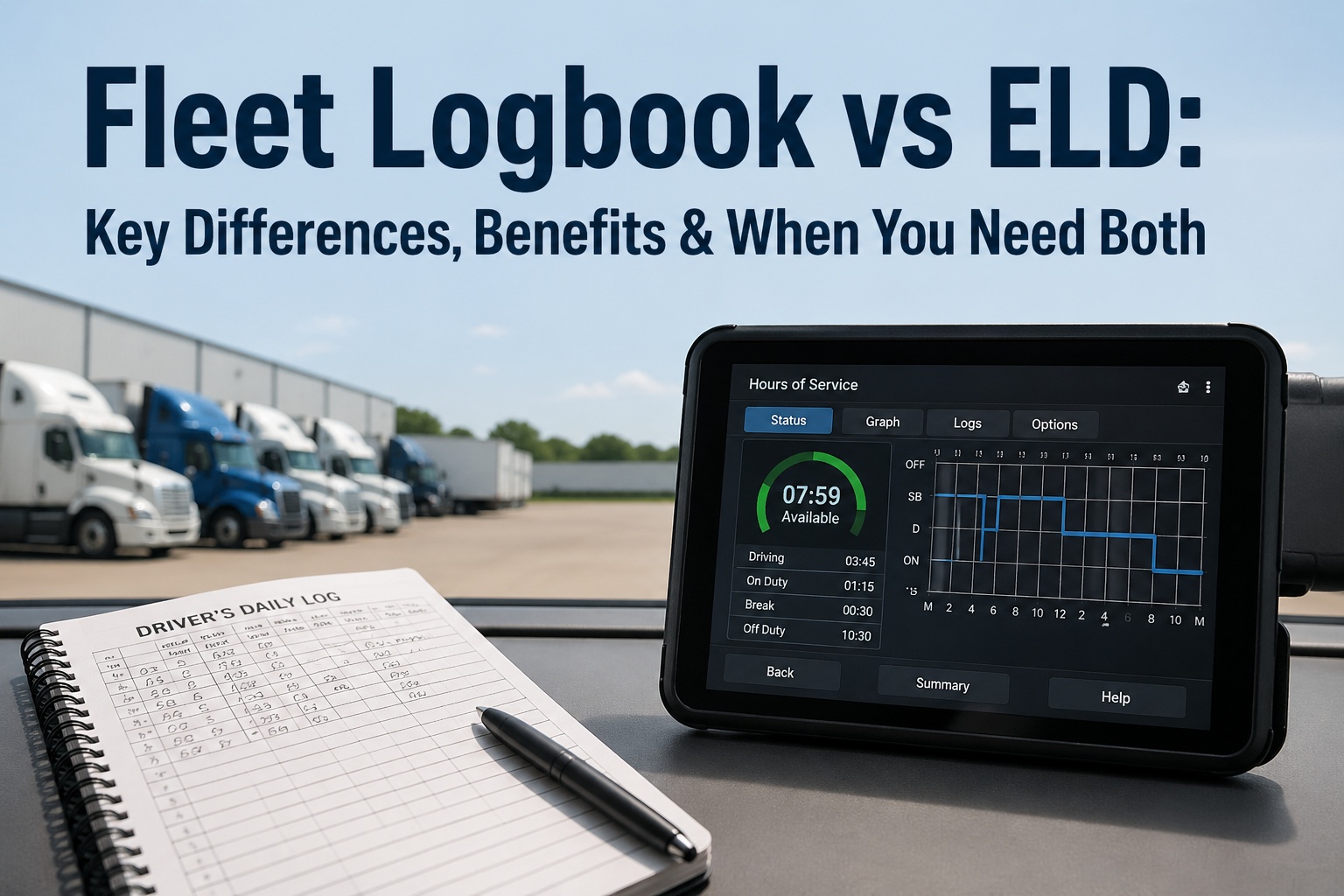
OSHA construction standards (1926.20, 1926.600, 1926.602, Subpart CC for cranes). FMCSA for on-road vehicles (396.11 DVIRs, 396.17 annual inspections). eDVIR compliant (March 2026). Crane 3-tier inspection tracking. Inspector and operator qualification management.
Inspections, work orders, and parts lookups work without cell signal. Data syncs automatically when connectivity returns. Photo capture, GPS timestamp, and digital signature — all offline. This is the make-or-break feature for construction. If it does not work in a cell dead zone, it does not work.
True cost per operating hour for every machine: maintenance labor + parts + downtime + fuel. Compare across fleet to identify high-cost assets. Drive repair-vs-replace decisions with data. Calculate ROI on PM programs. Report to ownership and project managers with confidence.
Top Platforms Compared
HVI Construction Module — Deep Dive
HVI was built specifically for heavy vehicle and equipment fleets — not adapted from a car fleet or facility maintenance platform. Every feature is designed for the operational reality of managing excavators, cranes, dozers, loaders, and dump trucks on construction sites.
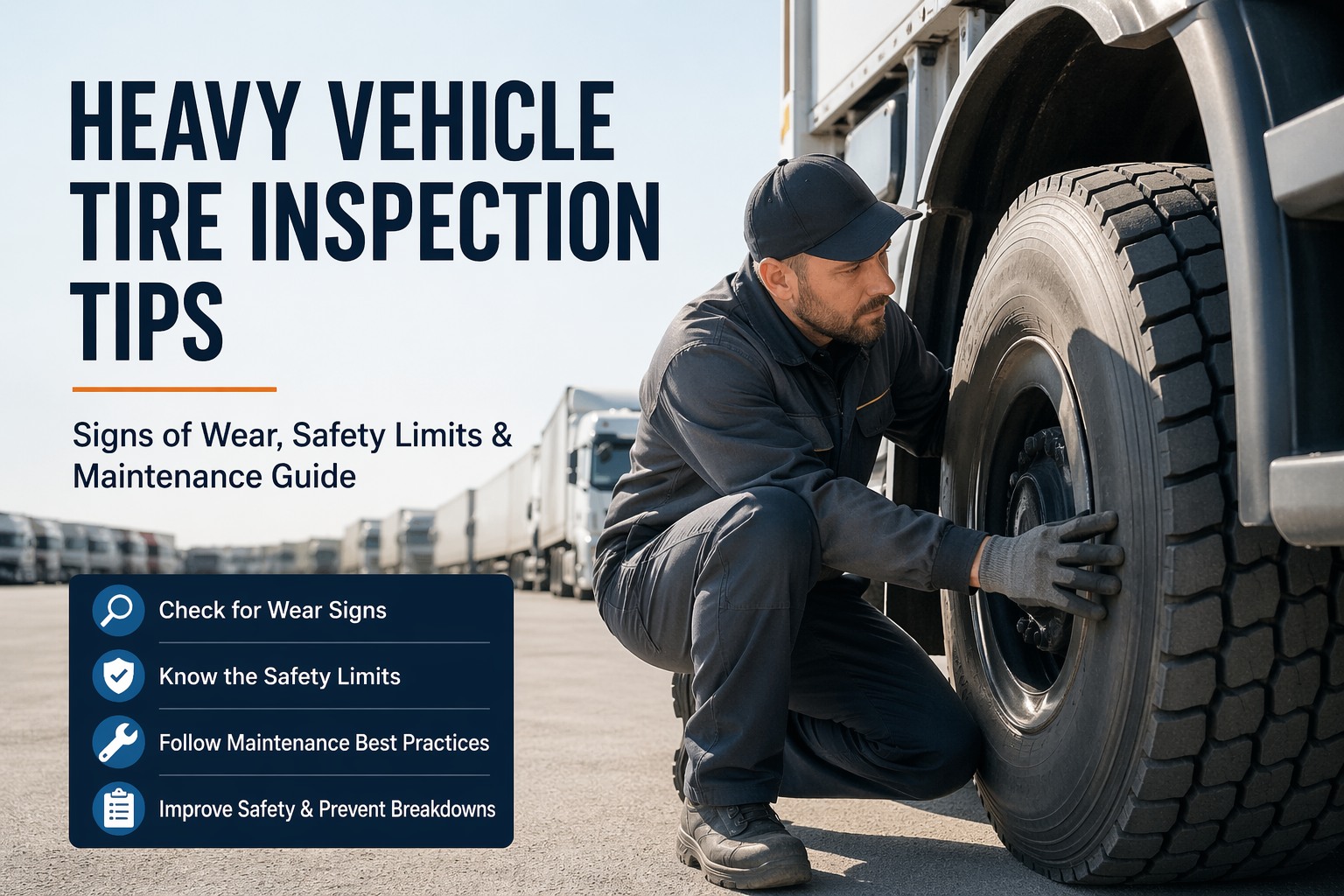
Pre-built digital inspection checklists for excavators (hydraulics, undercarriage, boom/stick/bucket), wheel loaders (tires, articulation joint, cutting edges), bulldozers (tracks, sprockets, blade, ripper), cranes (OSHA 3-tier: shift/monthly/annual), dump trucks (tipping system, PTO, air brakes), forklifts (3-part with power-type selector), compactors, generators, and more. Each template covers the correct inspection points for that equipment type — not a generic "vehicle" checklist. New templates can be created or customized in minutes.
PM-A (250 hrs / fluids + filters), PM-B (500 hrs / belts + adjustments), PM-C (1,000+ hrs / comprehensive + DOT annual). Triggered by engine hours with calendar fallback for low-utilization equipment. Automated alerts at 60/30/7 days. Integration with Cat Product Link, Komatsu KOMTRAX, Volvo CareTrack, and Deere JDLink for automatic hour updates — no manual entry needed.
Operator flags a defect during daily inspection → photo + severity attached automatically → maintenance team receives instant push notification → work order generated with equipment ID, defect description, photos, and location → parts availability checked against inventory → technician assigned → repair documented with photos and parts used → equipment tagged back in service. Zero paper. Zero manual re-entry. Zero defects falling through cracks. Critical defects (hydraulic leaks, brake failures, structural damage) auto-tag equipment out of service until resolved.
Integrated parts tracking linked to equipment and work orders. Every part consumed is logged against a specific machine — building true cost-per-hour profiles. Min/max stock levels with automatic reorder alerts when inventory hits threshold. Multi-site visibility: check if the part exists at another location before ordering new. PM-driven forecasting: 10 machines due for 250-hr service next month → system calculates filters, oil, and components needed → compares against stock → generates purchase requests for shortfalls.
OSHA construction standards built in: 29 CFR 1926.20 (competent person inspections), 1926.600 (equipment safety), 1926.602 (earthmoving), 1926.1000 (ROPS), and Subpart CC (crane 3-tier inspection program with shift/monthly/annual tracking). FMCSA for on-road equipment: Part 396 (DVIRs, annual inspections, maintenance records), eDVIR compliant effective March 23, 2026. Dump trucks operating both on-site and on-road are covered by both regulatory frameworks in one system — no duplicate data entry.
Cost per operating hour for every machine (maintenance + parts + downtime + fuel). Utilization rates by equipment type and site. Defect frequency analysis by component and equipment model. PM completion rates by operator and site. Downtime tracking by cause category. Repair vs replace decision support using the 60% rule (repair cost exceeding 60% of replacement cost triggers review). Export reports for ownership, project managers, and insurance carriers. All data from one system — no manual consolidation from multiple sources.
EV + Diesel Mixed Fleet Support
As electric excavators (Cat 320 Electric, Volvo EC230 Electric, Komatsu PC210E) and electric trucks (Freightliner eCascadia, Volvo VNR Electric, Tesla Semi) enter construction fleets, HVI supports both powertrains in one system. Vehicle-ID auto-loads the correct inspection template — diesel machines get standard templates, electric machines get standard + EV-specific items (battery enclosure, HV cables, charging port, thermal management, regenerative braking). No separate systems for different powertrains.
Track battery SOC, SOH, charge cycles, and thermal data for electric equipment. Charging port condition documented during daily inspections. PM scheduling adapted for EV-specific intervals (battery coolant service, HV annual inspection). Mixed fleet reporting compares cost/mile (or cost/hour) between diesel and electric equivalents — proving EV ROI with your own operational data.
Customer Results
Arizona copper mine: 42% unplanned downtime reduction, $3.2M annual savings. Breakdown: reduced downtime ($1.95M), lower emergency repairs ($680K), optimized inventory ($285K), extended equipment life ($195K). ROI: 352%. Payback: 3.4 months.
HVI fleet operators report 40% fewer compliance violations after switching from paper to digital inspections. 96% audit pass rate vs 73% for paper-based fleets. DVIRs prevent approximately 14,000 accidents annually through early defect identification.
Fleets using HVI's automated PM scheduling achieve 95%+ PM completion rates — up from ~60% with manual scheduling. The 35-point improvement in PM compliance is the single largest driver of downtime reduction and equipment lifespan extension.
Frequently Asked Questions
Technically yes, but poorly. Generic fleet software is built for mileage-based vehicles — cars, delivery trucks, service vans. Construction equipment tracks engine hours, requires equipment-type-specific inspection checklists (an excavator checklist is completely different from a crane checklist), has OSHA requirements that generic software does not address, and operates across multiple construction sites without a fixed depot. Adapting generic software to these needs creates workarounds, manual processes, and compliance gaps. Purpose-built construction fleet software handles these requirements natively.
Yes — HVI integrates with Cat Product Link, Komatsu KOMTRAX, Volvo CareTrack, John Deere JDLink, and Hitachi ConSite. Telematics data feeds engine hours directly into PM scheduling, eliminating manual hour entry. Fault codes from the machine's ECU can trigger inspection alerts or work orders. GPS location data supports multi-site equipment tracking. The integration is API-based — no additional hardware required on the machine.
Cranes have the most complex inspection requirements of any construction equipment — OSHA 29 CFR 1926.1412 mandates a 3-tier program: shift inspection (by competent person before each shift), monthly documented inspection (retained 3 months), and annual comprehensive inspection (by qualified person, retained 12 months). HVI tracks all three tiers with separate templates, automated scheduling, and retention-period alerts. Wire rope inspection criteria per 1926.1413, NCCCO certification tracking for operators per 1926.1427, and load chart accessibility verification are built into the crane templates.
HVI requires no hardware installation — it runs on phones and tablets your operators already carry. Setup takes under 10 minutes per device. Equipment-specific templates are pre-loaded; custom templates can be created in the admin panel. For a typical 50-machine fleet: Day 1 — admin setup, equipment database import, template selection. Week 1 — operators begin digital inspections with guided prompts. Week 2-4 — PM schedules configured, parts inventory loaded, work order workflow established. Month 2 — full operational deployment with analytics and compliance reporting active. No multi-month implementation timeline. No consulting fees.
HVI pricing is per-vehicle/equipment with no hardware costs and no long-term contracts required to start. Free trial available with no credit card. For specific pricing based on your fleet size, equipment types, and feature requirements, book a demo — the team will walk through your fleet and provide a tailored quote. For context: the industry benchmark ROI for digital fleet management is $180,000+ annual savings per 50-machine fleet, with payback periods typically measured in weeks to months, not years.
Yes — full offline capability is a core feature, not an add-on. Operators complete inspections, attach photos, and submit work orders entirely offline. Data syncs automatically when the device reconnects to cellular or Wi-Fi. GPS timestamps and photos are captured at the time of inspection, not at sync time — ensuring accurate location and time records even in connectivity dead zones. This is the single most important feature for construction sites, and HVI was built from the ground up to support it.
Your Construction Equipment Deserves Construction-Specific Software
HVI is built for excavators, cranes, dozers, loaders, and dump trucks — not adapted from a car fleet tool. Equipment-specific templates, hours-based PM, OSHA + FMCSA compliance, parts inventory, and offline mobile. 500+ fleet operators. Setup in under 10 minutes.
No credit card • No hardware • No multi-month implementation • Free trial available