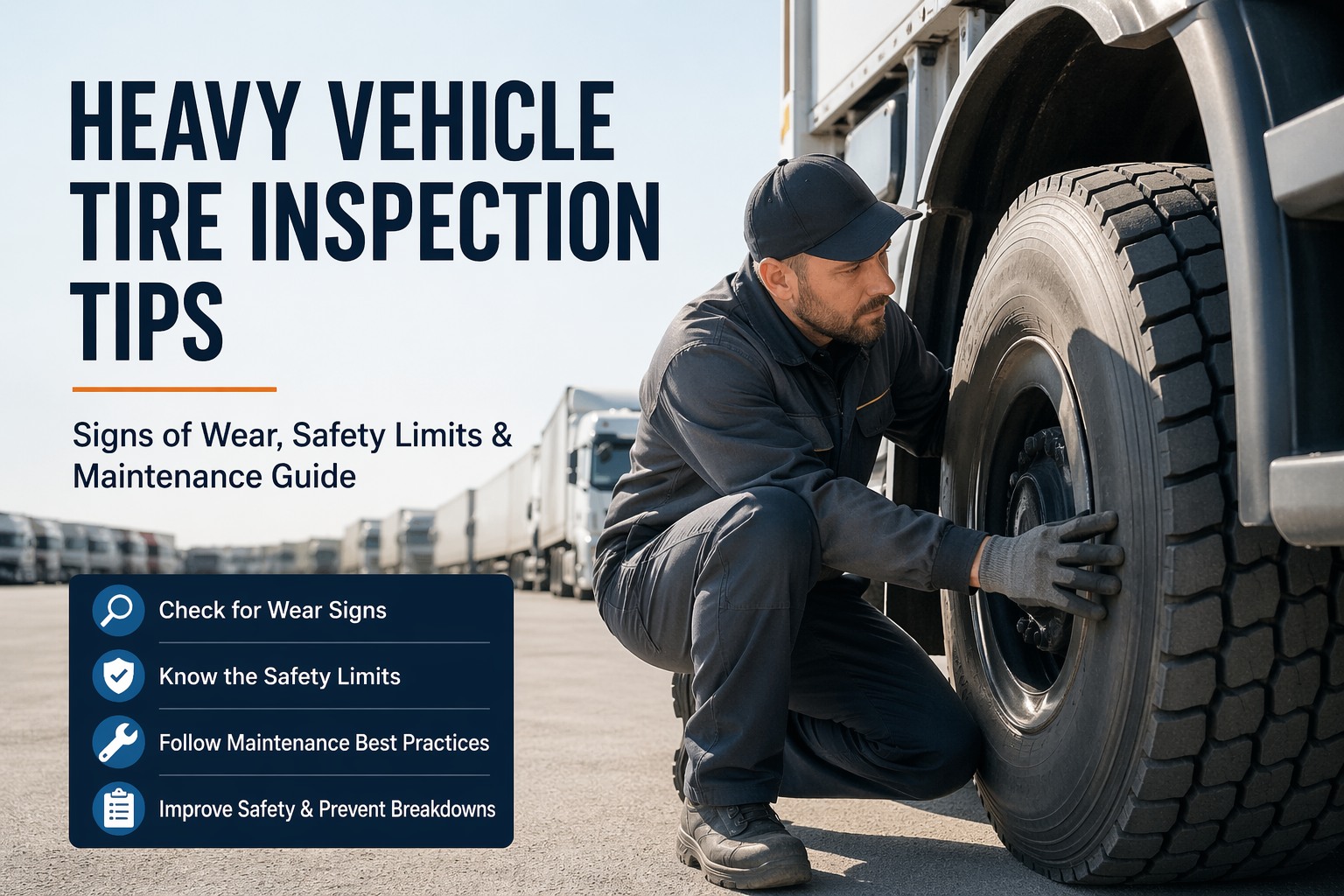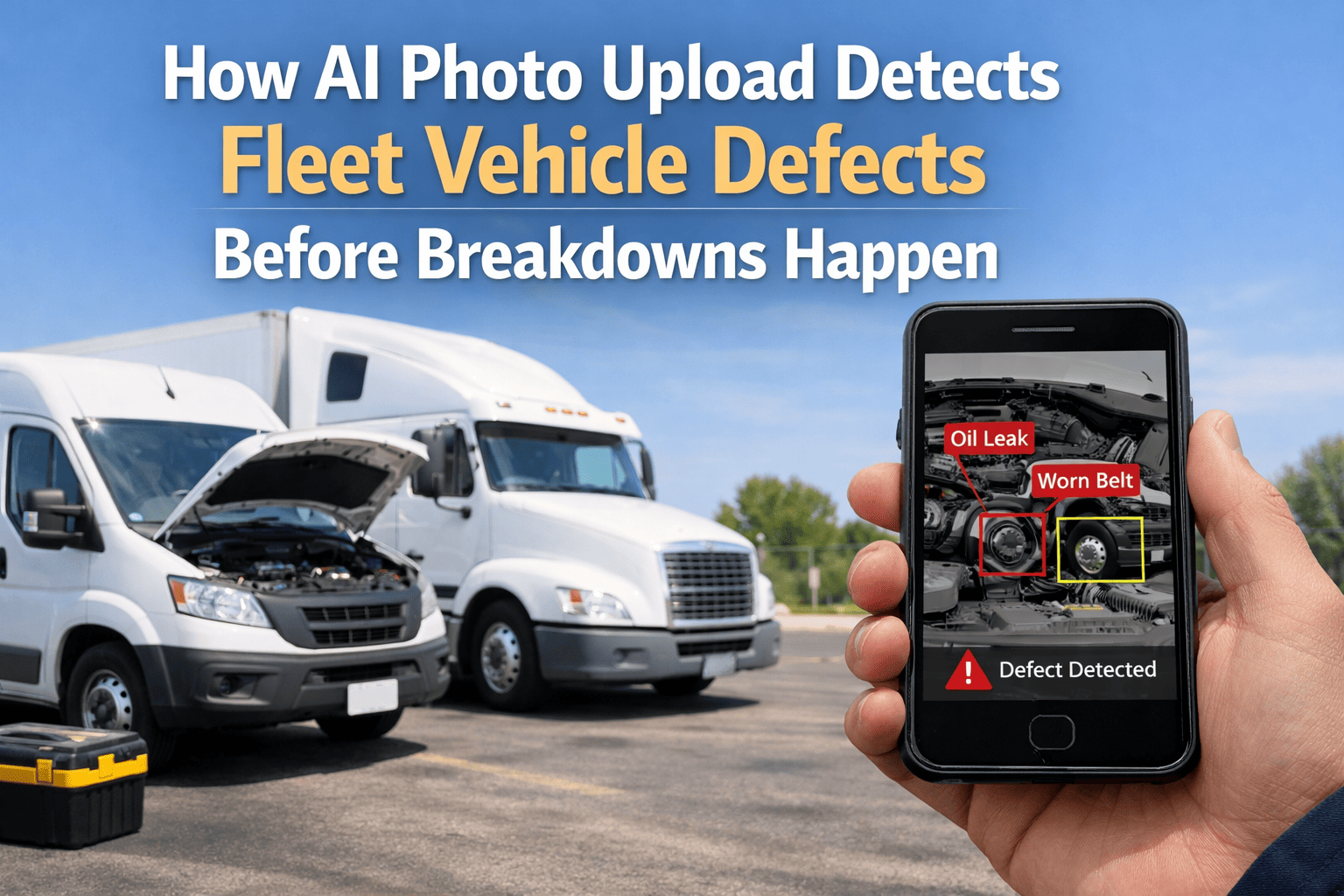
A driver snaps a quick photo of a tire during a pre-trip walkaround. Within seconds, AI flags a sidewall crack invisible to the naked eye — a defect that would have caused a blowout 200 miles down the highway. That single photo just saved $18,000 in tow costs, cargo delays, and emergency repairs. Welcome to the era of AI photo upload defect detection — where your smartphone camera becomes the most powerful diagnostic tool in your fleet. Sign up for HVI to start catching defects before breakdowns, or book a demo to see AI-powered photo inspection in action.
How AI Photo Upload Defect Detection Works
AI photo upload technology uses computer vision — deep learning models trained on millions of real-world vehicle images — to analyze photos taken during routine inspections. When a driver uploads a photo through a mobile app, the AI scans it in real time, comparing what it sees against learned patterns of wear, damage, and deterioration across hundreds of vehicle components. The result? Defects caught in seconds that human eyes consistently miss.
Guided mobile app shows exactly what to photograph and from which angle. No guesswork, no missed spots.
Computer vision scans 163+ parts for 21+ damage types — cracks, wear, leaks, corrosion — in under 60 seconds.
Annotated photos, severity ratings, GPS stamps, and repair recommendations — audit-ready documentation created automatically.
Defect flows directly to maintenance queue. Parts checked. Technician assigned. Zero manual handoffs.
Why Human Eyes Alone Are Not Enough
Manual inspections have a fundamental problem: human inconsistency. Even the most experienced drivers miss defects due to fatigue, time pressure, poor lighting, and subjectivity. The data is clear — and alarming.
What AI Photo Upload Actually Catches
AI does not just look at photos — it understands them. Trained on over 30 million annotated vehicle images, modern computer vision identifies damage patterns that even seasoned mechanics struggle to spot during quick walkarounds. Here are the defect categories where AI photo analysis delivers the biggest impact.
Tire Defects
Tread depth estimation, sidewall cracks, bulges, uneven wear patterns, and tires approaching DOT minimums — all from a single photo.
Brake Components
Worn pads, cracked drums, damaged air lines, and slack adjuster issues detected before they trigger out-of-service orders at roadside checks.
Fluid Leaks
Oil saturation, coolant residue, power steering seepage, and differential fluid traces — slow leaks invisible during brief pre-trip stops.
Structural Damage
Frame cracks, corrosion patterns, weld fatigue, body panel damage, and undercarriage deformation identified with severity classification.
The ROI That Makes This a No-Brainer
AI photo defect detection is not a cost — it is an investment that pays for itself within weeks. The numbers from fleets already using this technology tell a compelling story.
Early defect detection turns potential $15K-$50K catastrophic failures into routine $50-$200 fixes.
The first prevented breakdown often covers the entire system cost. Most fleets break even within two months.
AI-augmented fleets virtually eliminate surprise failures that strand drivers and delay deliveries.
Improved CSA safety scores and documented inspection programs earn meaningful insurance savings.
Quick Math: 25-Truck Fleet
FMCSA Says Yes to Digital — Are You Ready?
The regulatory landscape has shifted decisively in favor of AI-powered inspections. As of March 23, 2026, FMCSA's final rule explicitly authorizes electronic DVIRs — and fleets using digital documentation with photo verification are gaining a clear advantage during audits.
Rule FMCSA-2025-0115 explicitly authorizes electronic creation, maintenance, and digital signatures for DVIRs under 49 CFR 396.11 and 396.13.
Digital signatures fully replace wet ink requirements. AI-generated DVIRs with photo verification now exceed the minimum compliance standard. Backed by ATA, OOIDA, and NTTC.
Paper DVIRs remain legal but are increasingly disadvantaged during audits. Digital records produced in seconds versus hours of filing cabinet searches.
Getting Started Takes 10 Minutes
No special hardware. No IT project. No weeks of training. AI photo defect detection works with the smartphones your drivers already carry. Here is how fleets go from zero to AI-powered inspections in a single day.
Create your account, add vehicles, and select inspection templates for your equipment types. Setup takes under 10 minutes.
Available on iOS and Android. Guided walkaround shows exactly what to photograph. Most drivers learn in 25-30 minutes.
Upload photos, get instant analysis. Compare AI detection against your current baseline — most fleets find missed defects in the first week.
Frequently Asked Questions
Stop Guessing. Start Seeing.
Every photo your drivers take becomes an AI-powered diagnostic. Every defect gets caught before it becomes a breakdown. Every inspection creates audit-ready documentation automatically. That is what AI photo upload defect detection delivers — and HVI makes it happen in under 10 minutes.
No credit card required · No hardware needed · Setup in under 10 minutes