Purpose and Objectives
Enhance Efficiency
- Reduce the time spent on inspections without compromising on the thoroughness and quality of the checks, enabling quicker turnaround times and more vehicles inspected per day.
Ensure Safety
- Identify and rectify potential safety hazards, ensuring that all vehicles are fit for use and protecting drivers, passengers, and other road users from accidents and breakdowns.
Improve Compliance
- Help fleet managers meet regulatory and industry standards for vehicle maintenance and safety, avoiding fines, penalties, and legal issues related to non-compliance.
Facilitate Proactive Maintenance
- Detect minor issues early and prevent them from developing into costly repairs, extending vehicle lifespan and maximizing fleet availability and productivity.
Key Benefits of Regular Fleet Inspections
Time Savings
- A streamlined checklist enables quicker inspections, allowing more vehicles to be inspected in less time while maintaining thorough quality checks.
Increased Uptime
- Regular and efficient inspections minimize the risk of unexpected breakdowns, keeping your fleet operational and reducing costly downtime.
Cost Efficiency
- Early detection of issues helps prevent major repairs, reducing overall maintenance costs and protecting your fleet investment.
Enhanced Safety
- Consistent and thorough inspections ensure that all safety-related components are in good working condition, protecting drivers and other road users.
Regulatory Compliance
- Adhering to a standardized inspection process helps ensure compliance with legal and regulatory requirements, avoiding potential fines and penalties.
Sign up to streamline fleet compliance and reduce inspection time
Daily Pre-Trip Driver Inspection Checklist
DOT regulations require drivers to complete pre-trip inspections before each shift. This quick 5-10 minute checklist helps drivers identify safety issues before hitting the road:
Exterior Quick Check
Tire & Wheel Check
Fluids & Safety
Comprehensive Exterior Inspection
Detailed weekly exterior inspection - use this checklist for thorough visual assessment of vehicle exterior condition:
Body & Paint Condition
Lighting Systems
Glass & Mirrors
Sign up to schedule weekly vehicle exterior inspections automatically
Engine Compartment Detailed Inspection
Comprehensive under-hood inspection - perform monthly or every 1000 miles to prevent mechanical failures:
Fluid Levels & Condition
Battery & Electrical
Belts, Hoses & Air Filter
Interior, Safety Equipment & Compliance Inspection
DOT and OSHA compliance inspection - verify all required safety equipment present and vehicle documentation current:
Interior Condition
Safety Equipment
Documentation & Compliance
Sign up to track DOT compliance and safety equipment expiration dates
Road Test & Operational Inspection
Critical operational testing - perform test drive to verify brakes, steering, and drivetrain function properly under load:
Brake System Test
Steering & Suspension
Drivetrain & Performance
Sign up to document road test findings with photo attachments
Why Use Digital Fleet Management?
HVI App Benefits for Fleet Inspection:
- ✓ Automate inspection schedules based on mileage, time intervals, and regulatory requirements
- ✓ Track real-time inspection completion rates across your entire fleet
- ✓ Assign inspection responsibilities and monitor accountability
- ✓ Generate compliance-ready reports for DOT and OSHA audits
- ✓ Create audit-ready records with complete inspection history
- ✓ Ensure inspections occur exactly when needed with automated reminders
Standard Operating Procedure (SOP) for Fleet Inspection
Purpose
The purpose of this Standard Operating Procedure (SOP) is to establish a systematic and consistent method for conducting fleet inspections. Regular and thorough inspections are critical to maintaining the safety, reliability, and efficiency of all fleet vehicles.
Scope
This SOP applies to all personnel involved in the inspection, maintenance, and operation of fleet vehicles, including Fleet Managers, Inspectors, Technicians, and Drivers. It covers the inspection of various vehicle components, both exterior and interior, as well as the engine, safety equipment, and operational tests.
Responsibilities
- Fleet Manager: Responsible for overseeing the inspection process, ensuring compliance with the SOP, and addressing any issues found during inspections.
- Fleet Inspector/Technician: Conducts the inspections as per the checklist, documents findings, and reports any necessary repairs.
- Drivers: Responsible for performing daily pre-trip inspections and reporting any issues to the Fleet Manager or Technician.
Book a demo to see fleet inspection role management and assignment features
Inspection Frequency
- Daily: Drivers perform a quick pre-trip inspection.
- Weekly: Detailed inspection by Fleet Inspector/Technician.
- Monthly: Comprehensive inspection and maintenance by Fleet Manager.
Documentation and Reporting
- Complete the inspection form with all findings.
- Report any issues or necessary repairs to the Fleet Manager immediately.
- File the inspection form for record-keeping and future reference.
- Maintain inspection forms and reports for at least one year.
- Document any repairs and maintenance performed.
Frequently Asked Questions About Fleet Inspection
1. Why are regular fleet inspections important?
Regular fleet inspections are crucial for ensuring the safety, reliability, and efficiency of your vehicles. They help identify potential issues early, preventing breakdowns and costly repairs, and ensuring compliance with regulatory standards.
2. How often should fleet inspections be conducted?
It depends on the usage and condition of the vehicles, but generally, daily pre-trip inspections by drivers, weekly detailed inspections by technicians, and monthly comprehensive inspections by the fleet manager are recommended.
3. Who is responsible for conducting fleet inspections?
Fleet inspections are a shared responsibility. Drivers perform daily pre-trip checks, fleet technicians or inspectors conduct detailed weekly inspections, and fleet managers oversee the entire process, ensuring compliance and addressing any issues.
4. What should be included in an exterior inspection?
Exterior inspections should include checking the body and paint condition, windows and mirrors, lights and indicators, and tires and wheels for proper condition, function, and safety compliance.
5. How can I complete the fleet inspection checklist quickly?
By following a structured checklist, organizing your tools and forms in advance, and performing the inspections methodically, you can complete the checklist quickly and efficiently without compromising on thoroughness.
6. How can technology aid in fleet inspections?
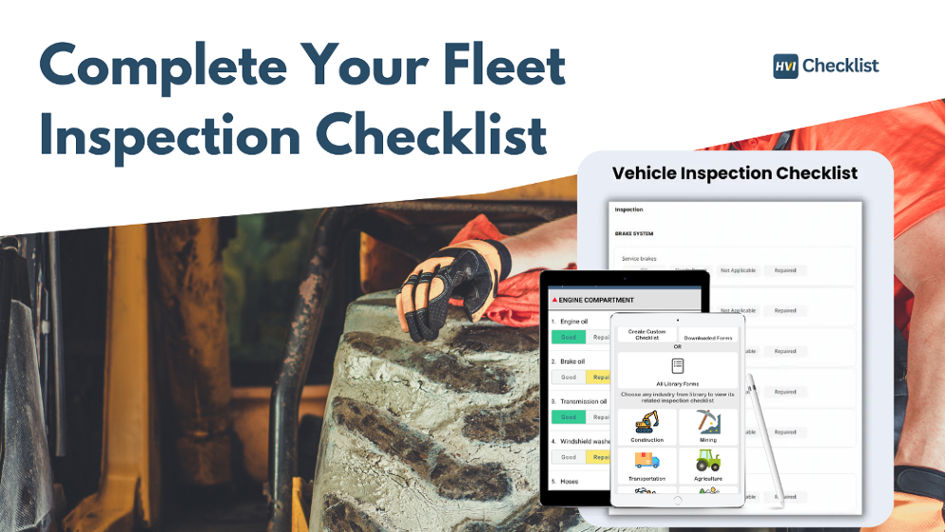
Utilizing fleet management software can help track inspection schedules, document findings, and streamline the reporting process, making the entire inspection process more efficient and organized. Digital platforms provide automated reminders, compliance tracking, and comprehensive reporting capabilities.
Take Action: Implement Comprehensive Fleet Inspections
Download our FREE Fleet Inspection Checklist and start implementing smarter, more efficient inspection processes. Integrating digital fleet management with your inspection schedule streamlines every aspect of fleet care, ensuring your vehicles remain safe, compliant, and cost-effective. Experience the power of automated inspection tracking to enhance your fleet's performance and reduce unexpected downtime.
Streamline Your Fleet Inspections Today
Complete daily, weekly, and monthly inspections with our proven digital checklist system: pre-trip driver checks, exterior and interior inspections, engine diagnostics, safety equipment verification, and compliance tracking—all automated with fleet management software.