Fleet compliance reporting is essential for ensuring your fleet meets regulatory standards, and this guide outlines how the TRUCRS system simplifies this process. It explores the key components of compliance, common challenges faced by fleet managers, and best practices for streamlining reporting. By leveraging advanced tools and technologies, this guide helps fleet managers optimize efficiency and maintain compliance with ease.
Understanding Fleet Compliance Reporting
Fleet compliance reporting is all about tracking, documenting, and demonstrating that your fleet adheres to the regulatory requirements set by authorities at every level. These regulations cover everything from emissions and safety standards to maintenance practices and driver qualifications. For fleet managers, staying compliant isn't just about avoiding penalties—it's about running a smooth, efficient operation that stays on top of its game.
Key Compliance Areas:
- Emissions Reporting: Making sure your fleet meets strict air quality standards.
- Safety Standards: Ensuring vehicles are inspected regularly, drivers are trained, and safety protocols are followed.
- Maintenance Records: Tracking service schedules and repairs to avoid surprises down the road.
The Importance of TRUCRS in Fleet Management
Let's face it: managing fleet compliance can be overwhelming. That's where TRUCRS (Truck Regulation Upload, Compliance, and Reporting System) comes in, and it's here to help make your job easier, especially when it comes to California's tough emissions standards. TRUCRS simplifies the reporting process, making it easier for fleet managers to stay on track, track their emissions compliance, and minimize reporting errors.
Why TRUCRS is Essential:
- Simplifies Data Entry: Upload your vehicle data easily for quick compliance checks.
- Minimizes Reporting Errors: Cut down on mistakes in emissions and safety data.
- Ensures Compliance: Helps keep your fleet in line with California Air Resources Board (CARB) standards.
Key Components of Fleet Compliance Reporting
To stay compliant, fleet managers need to pay attention to a few key components. It's not just about logging a report and moving on—it's about making sure everything checks out so your operation runs smoothly:
- Emissions Reporting: Keeping track of vehicle emissions and ensuring they meet the legal standards.
- Safety Standards: From driver certifications to vehicle inspections, safety should always come first.
- Maintenance Records: Tracking repairs and regular service to ensure your fleet stays in top shape.
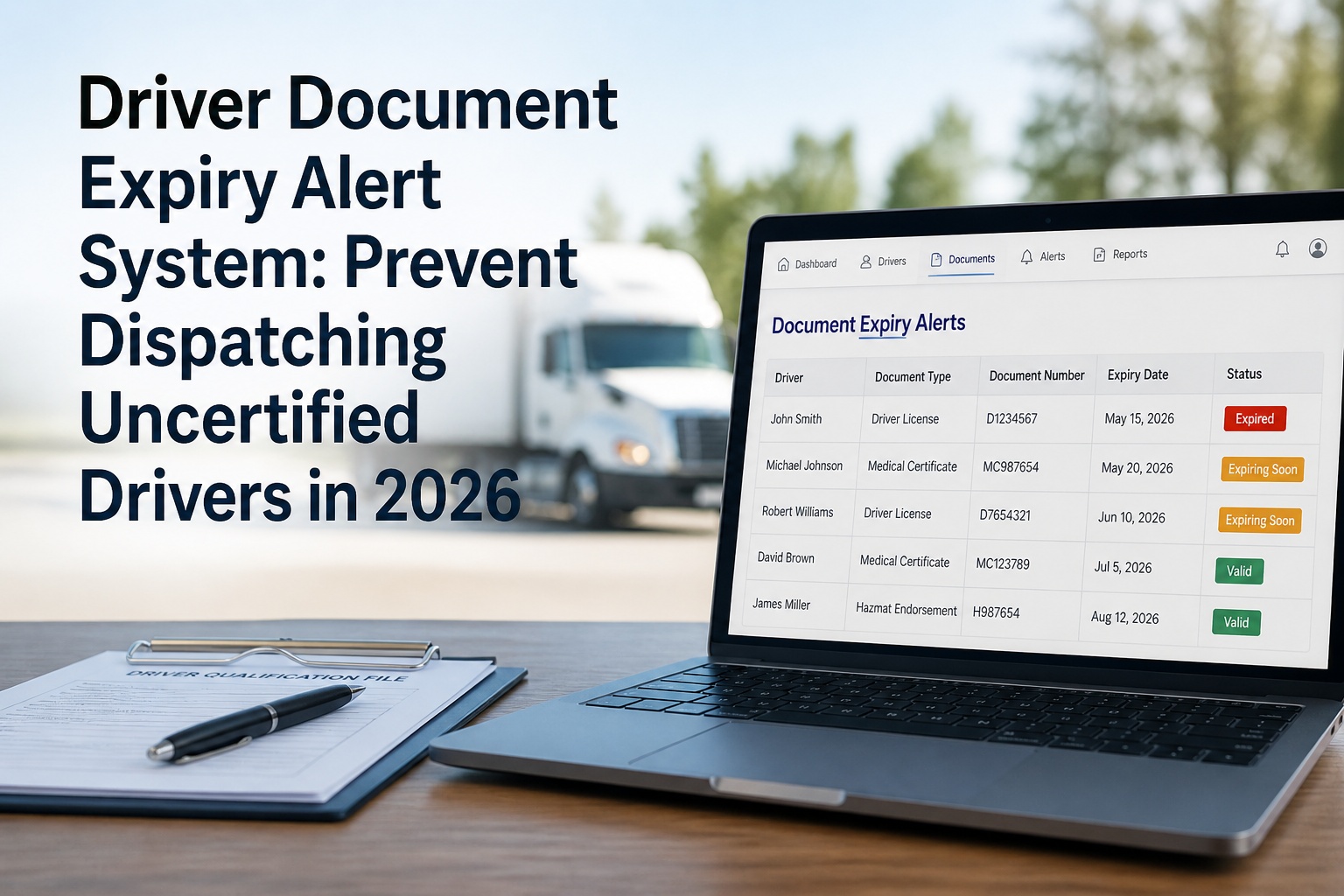
- Driver Qualifications: Ensuring your drivers are fully compliant with all necessary certifications and licenses.
Common Challenges in Fleet Compliance Reporting
Let's talk about some common struggles many fleet managers face when it comes to compliance reporting:
- Complex Regulations: Every jurisdiction has different rules, and keeping up with them can feel like a full-time job.
- Risk of Errors: Manual data entry leaves room for mistakes, and even small errors can lead to costly penalties.
- Lack of Standardization: Every authority might require a different format for reporting, making it hard to maintain consistency.
Simplifying TRUCRS Reporting Processes
So how can you make this all a little easier? Simplifying the TRUCRS reporting process is key to reducing stress and boosting efficiency. Here's how:
- Automated Data Collection: Use tools that automatically collect and track data, reducing human error and saving you time.
- Standardized Reporting Practices: Set up uniform practices across your fleet to streamline reporting and stay consistent.
- Training: Make sure your team fully understands TRUCRS and its features so they can work efficiently and reduce reporting errors.
Best Practices for Accurate Fleet Compliance Reporting
To ensure your fleet stays on track with compliance, here are some best practices to follow:
- Implement Robust Data Collection Tools: Choose reliable fleet management software to capture accurate, consistent data.
- Maintain Detailed Documentation: Keep your records organized and easy to access when audits or inspections come around.
- Regular Monitoring: Regularly audit your fleet's compliance data to ensure everything is up to date and accurate.
Tools and Software for Streamlining TRUCRS Reporting
With the right tools, managing compliance doesn't have to feel like a never-ending task. Consider using these fleet management tools:
- Fleet Management Software: Automate data entry and report generation to save time and reduce errors.
- Emissions Tracking Software: These specialized tools ensure that emissions compliance is tracked and documented properly.
- Document Management Software: Keep your compliance records organized, secure, and easily accessible for quick retrieval.
Enhance Your Heavy Vehicle Daily Inspection with HVI
Why Use HVI for Fleet Compliance?
HVI (Heavy Vehicle Inspection and Maintenance software) is a versatile operations platform designed to enhance workplace safety and streamline your fleet checks. This mobile-ready solution enables you to report and document issues on-site with a touch of a button. Use HVI's vehicle scheduled inspection checklist templates, available in the Public Library for inspections, repairs, maintenance, and more.
HVI Key Capabilities:
- Customize Effortlessly: Tailor templates with specific needs by incorporating custom logic into digital checklists.
- Empower Your Team: Invite your team members to utilize and explore the platform, enabling them to maximize its full potential with desktop and mobile apps.
- Never Miss an Audit: Schedule inspections that notify all relevant personnel to ensure that no check-ins are overlooked.
- Keep Everyone Informed: Generate comprehensive reports that are easily shareable to leaders, managers, stakeholders, and auditors.
HVI Benefits for Heavy Vehicle Operations:
- FMCSA Compliance: Stay compliant with federal motor carrier safety regulations and DOT inspection requirements.
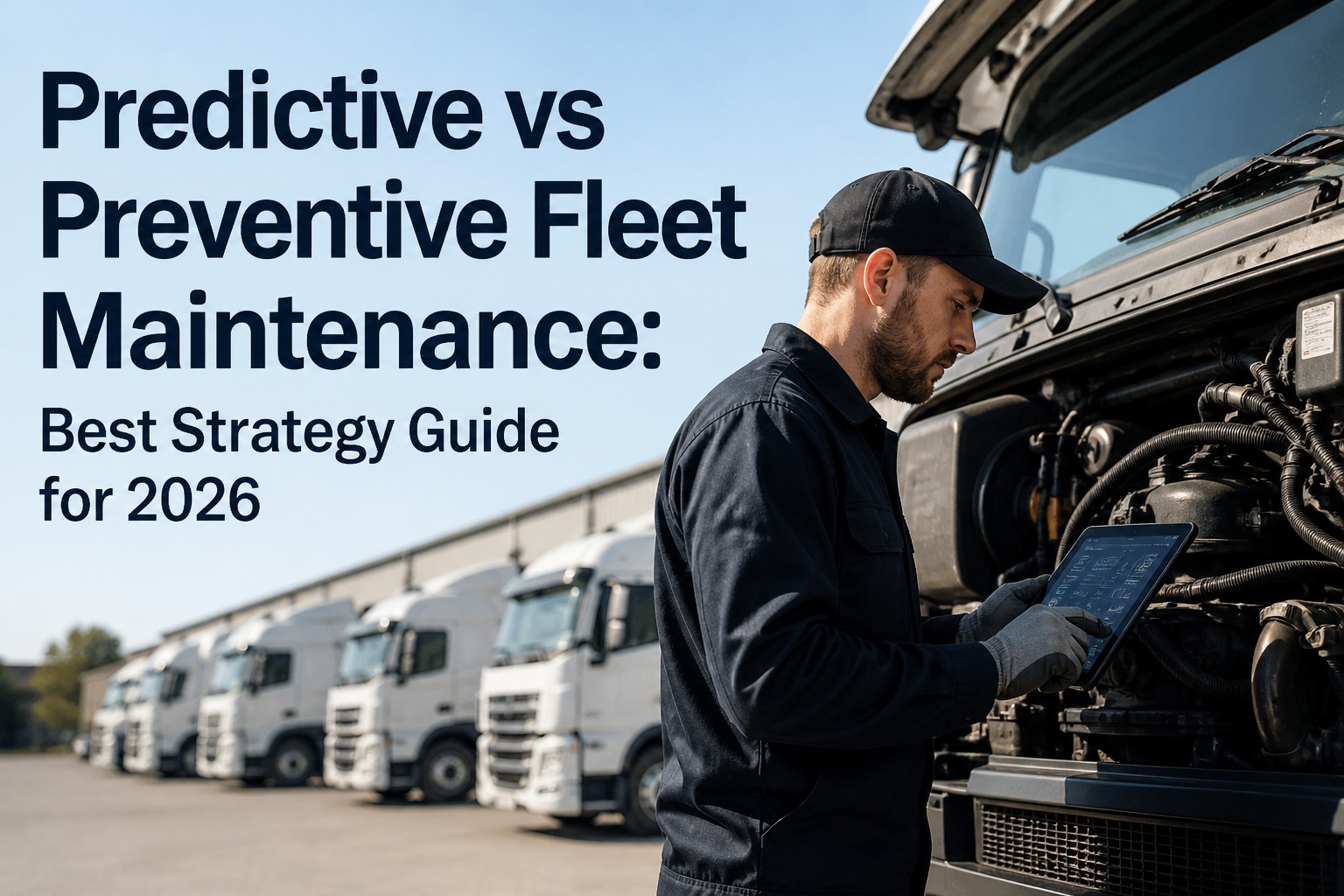
- Preventive Maintenance: Track maintenance schedules, service intervals, and repair histories to prevent costly breakdowns.
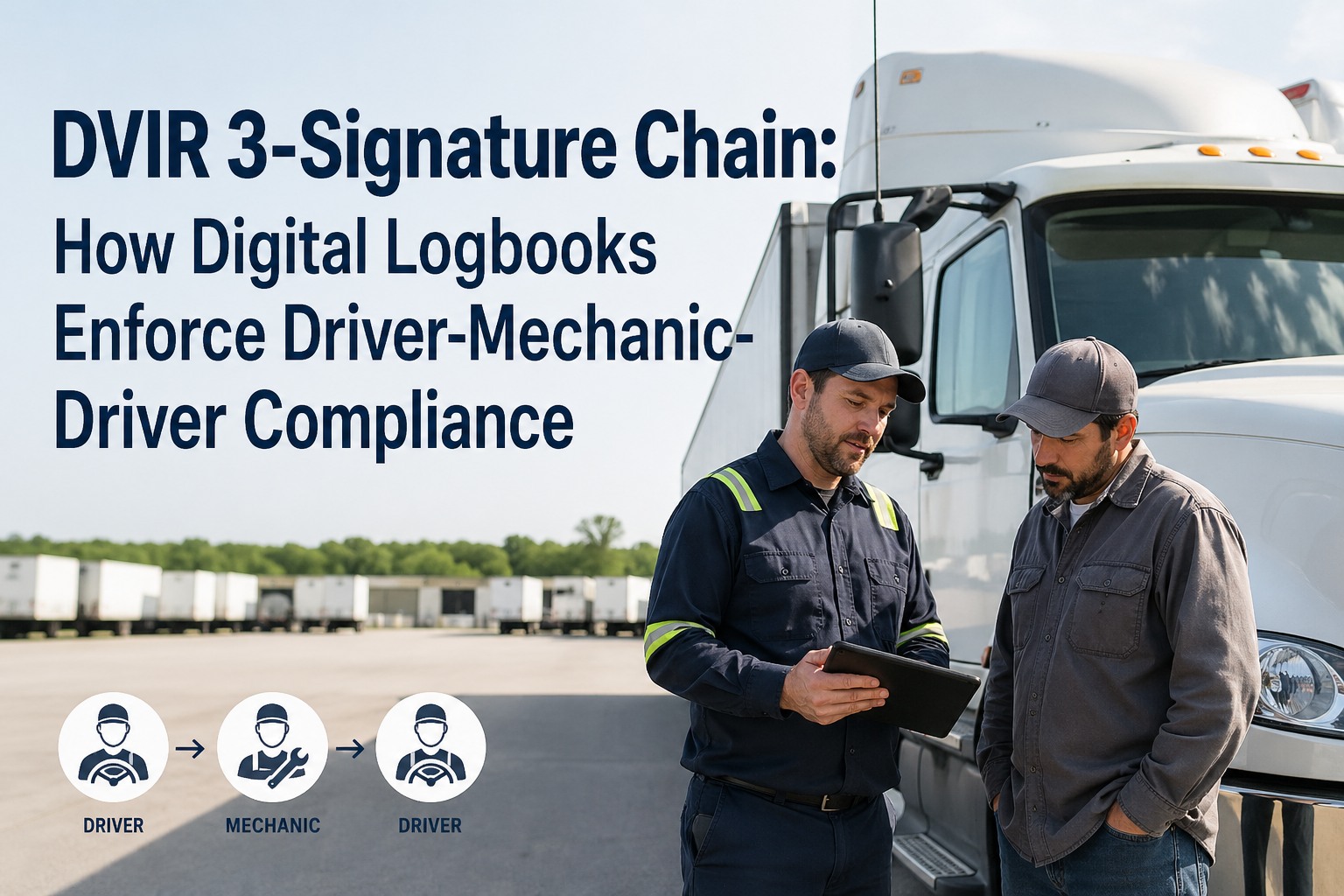
- Driver Vehicle Inspection Reports (DVIR): Digital DVIR forms that drivers can complete quickly and accurately from their mobile devices.
- Fleet Analytics: Monitor vehicle performance, inspection trends, and maintenance costs with real-time dashboards.
Transform your heavy vehicle inspection process with HVI's comprehensive digital solution. From pre-trip inspections to maintenance scheduling, ensure your fleet operates safely and efficiently while maintaining full regulatory compliance.
Training Your Team on Fleet Compliance Requirements
Training your team properly is one of the most important steps in ensuring that compliance reporting runs smoothly. Here's how to do it right:
- Interactive Workshops and Webinars: Host hands-on sessions to teach your team how to manage compliance in real-world scenarios.
- Online Training Platforms: Offer flexible, on-demand learning options that fit your team's schedule.
- Refresher Training: Keep everyone updated on new regulations and best practices to avoid falling behind.
Future Trends in Fleet Compliance Reporting
As technology advances, so do the opportunities to improve compliance reporting. Here are some exciting trends you should know about:
- Artificial Intelligence (AI): Automates complex tasks, making reporting faster and more accurate.
- IoT Devices: Real-time data tracking allows for proactive compliance management.
- Blockchain Technology: Ensures your compliance records are secure, transparent, and easily auditable.
Frequently Asked Questions About Fleet Compliance Reporting
What is TRUCRS and how does it help with fleet compliance reporting?
TRUCRS (Truck Regulation Upload, Compliance, and Reporting System) is a comprehensive platform designed to simplify fleet compliance reporting, especially for California's emissions standards. It helps fleet managers automate data entry, minimize reporting errors, and ensure compliance with CARB (California Air Resources Board) regulations. TRUCRS streamlines the entire reporting process, making it easier to track emissions, safety standards, and maintenance records in one centralized system.
How often do I need to submit fleet compliance reports for heavy vehicles?
Fleet compliance reporting frequency varies by regulation type and jurisdiction. For FMCSA compliance, Driver Vehicle Inspection Reports (DVIR) must be completed daily, while annual reports are required for emissions compliance. DOT inspections should be conducted regularly, and maintenance records must be updated continuously. California fleets using TRUCRS typically submit quarterly emissions reports, but specific requirements depend on your fleet size, vehicle types, and operational locations.
What are the penalties for non-compliance with fleet reporting requirements?
Fleet compliance violations can result in significant penalties ranging from $1,000 to $37,500 per violation, depending on the severity and regulation type. CARB emissions violations can cost up to $10,000 per vehicle, while FMCSA safety violations range from $398 to $16,191 per offense. Beyond monetary penalties, non-compliance can lead to vehicle impoundment, operating authority suspension, and increased insurance costs. Using systems like TRUCRS and HVI helps avoid these costly penalties through automated compliance tracking.
Can fleet compliance software integrate with existing fleet management systems?
Yes, modern fleet compliance software like TRUCRS and HVI are designed to integrate seamlessly with existing fleet management systems, telematics platforms, and maintenance software. These integrations allow for automatic data sharing, reducing manual entry and improving accuracy. Popular integrations include GPS tracking systems, fuel management platforms, maintenance scheduling tools, and accounting software. This connectivity ensures comprehensive fleet oversight while maintaining compliance across all operational areas.
What documents are required for heavy vehicle inspection compliance?
Heavy vehicle inspection compliance requires several key documents: Driver Vehicle Inspection Reports (DVIR), annual DOT inspections, maintenance records, driver qualification files, vehicle registration documents, and emissions certificates. For California operations, TRUCRS compliance documentation includes emissions test results, vehicle specifications, and mileage reports. Digital platforms like HVI help organize and maintain these documents electronically, ensuring they're readily accessible during audits and inspections while meeting all regulatory requirements.
Conclusion: Achieving Excellence in Fleet Compliance Reporting
Mastering fleet compliance reporting is no longer just about staying out of trouble—it's about building a strong, efficient operation. With the right approach, you can turn compliance into a competitive advantage. Using the TRUCRS guide, fleet managers can simplify the process and focus more on growing their business and enhancing operational efficiency.
By adopting the right tools, processes, and training, you can make compliance reporting a seamless part of your fleet management—keeping your business in the fast lane to success.