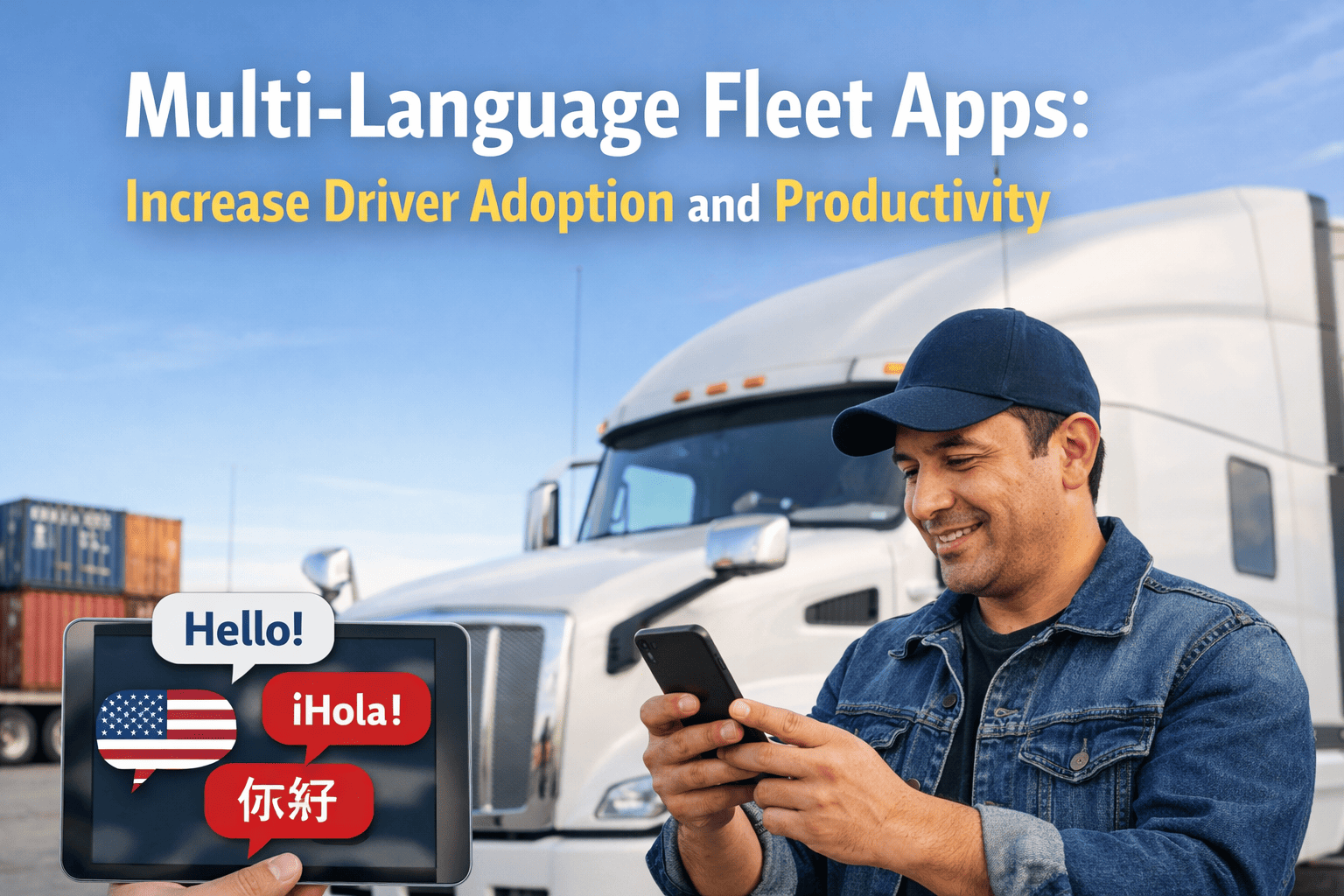
A fleet management app is only as effective as the drivers who use it. And when your drivers speak different languages — Spanish, Portuguese, Tagalog, Arabic, French — an English-only interface is not just inconvenient. It is a direct cause of skipped inspections, incorrect defect reporting, unsigned DVIRs, and compliance gaps that cost your operation far more than the language barrier itself. HVI's multi-language fleet app is available in 12 languages, with the interface, inspection checklists, defect descriptions, and compliance prompts all localised — not just translated — for each supported language. The result is a measurable jump in driver adoption, a significant drop in reporting errors, and a fleet operation where every driver, regardless of their language, is contributing to your compliance program with equal accuracy. Start your free HVI trial today and activate multi-language support across your driver team, or book a 30-minute demo to see the localised driver interface in action.
The language barrier in fleet ops — what it actually costs
Most fleet managers underestimate the operational impact of language barriers in their driver workforce. The costs are rarely visible as a line item — they show up as compliance gaps, training overhead, and the persistent frustration of drivers who use the system incorrectly because they are guessing at what it says.
Drivers using a fleet app in a language they are not fluent in complete inspections at significantly lower rates — skipping items they do not understand rather than asking for help.
Drivers who cannot read inspection item labels accurately report defects vaguely or incorrectly — "something with the engine" instead of the specific fault — degrading maintenance response quality.
Onboarding a driver who does not speak English into an English-only fleet app requires hands-on supervisor time — typically 45 minutes more than onboarding a fluent speaker. Across a fleet, this is hundreds of hours annually.
Drivers who are unsure what they are signing — because the certification language is not in their native tongue — skip the driver signature at higher rates, creating the most common FMCSA compliance violation.
HVI's supported languages — and how localisation works
HVI does not just run the same words through a translation API. Every language version is reviewed by native-speaking fleet operations professionals to ensure that inspection terminology, compliance language, and defect descriptions are accurate and meaningful in that language's operational context.
Every inspection item — tyres, brakes, lights, cargo securement — is described in accurate, unambiguous technical language for each supported language. Not "check engine area" — the precise component name.
Critical, warning, and advisory severity levels — and the actions they require — are expressed in language that carries the same urgency in every supported language as it does in English.
The driver certification statement — "I certify that this vehicle has been inspected..." — is legally accurate in each language, ensuring drivers know exactly what they are signing and that it holds legal weight.
Maintenance due alerts, defect escalation notifications, and compliance reminders are delivered in the driver's preferred language — so a service-due alert is understood and actioned, not ignored.
5 ways multi-language support improves fleet operations
Inspection completion rates jump immediately
When drivers understand every item on the inspection checklist, they complete it. Fleets switching to localised driver interfaces see inspection completion rates rise by 30–40% within the first two weeks — with no additional training or supervision.
Defect descriptions become accurate and actionable
A driver who can accurately describe a defect in their own language provides a maintenance team with the information they need to prepare parts, schedule correctly, and respond with the right skill set — reducing diagnostic time and wasted trips to the workshop.
Driver onboarding time cut by 60%
An app that a driver can use independently from day one — because it speaks their language — dramatically cuts the supervisor time required for onboarding. New drivers become productive faster, with fewer mistakes in their first weeks of use.
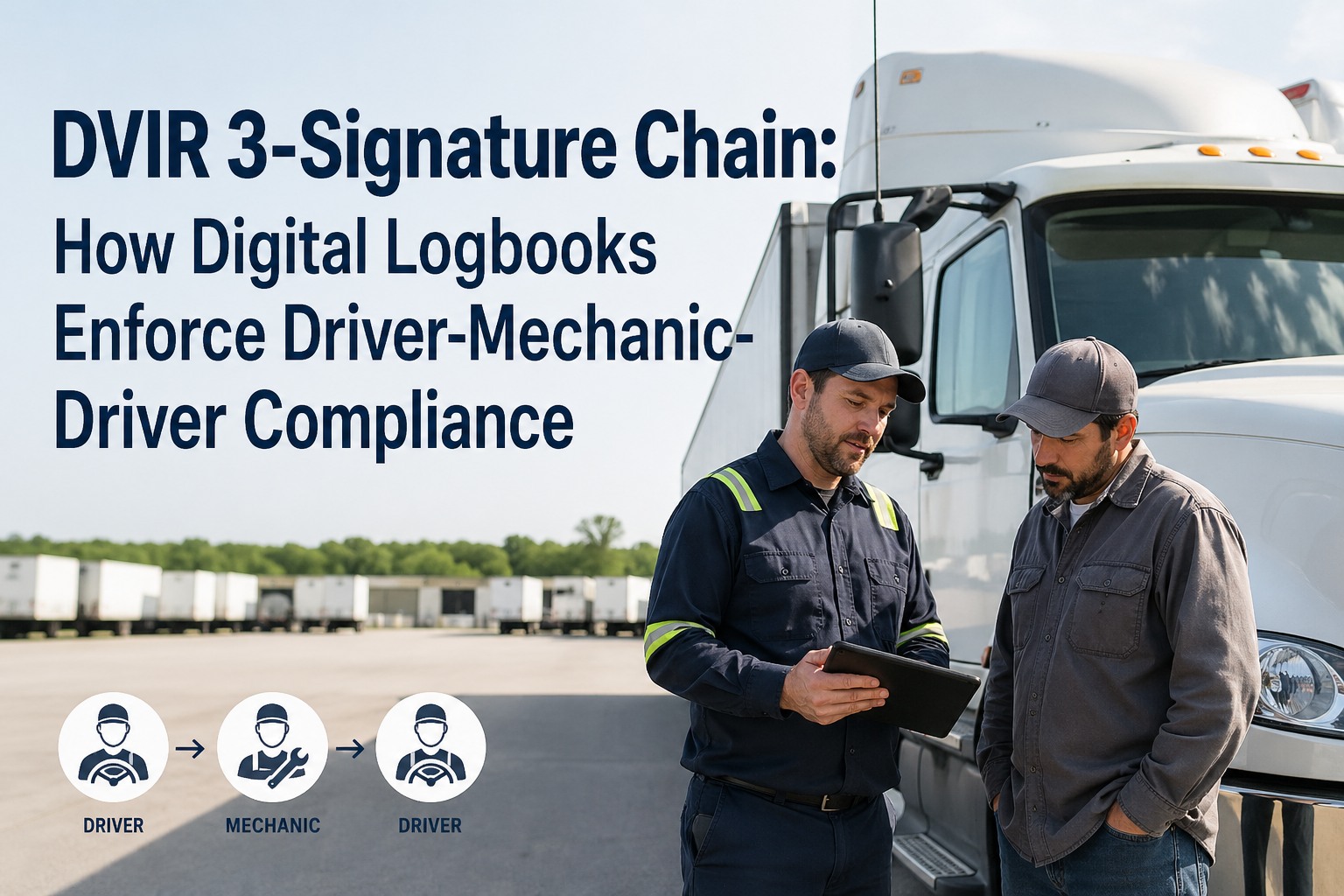
Unsigned DVIR rate drops to near zero
When drivers understand the certification statement they are signing — in their own language — they sign it. The most common FMCSA compliance violation, the unsigned DVIR, is effectively eliminated in multilingual fleets using HVI's localised certification interface.
Driver satisfaction and retention improve
Drivers who feel respected and supported — including through a workplace app that communicates in their language — report higher job satisfaction. Reduced driver turnover has a direct financial impact that far outweighs the cost of multi-language software.
Driver adoption: English-only vs. localised fleet app
Frequently asked questions about HVI multi-language support
Your drivers speak 12 languages. HVI does too.
Every driver on your fleet deserves a fleet app that communicates with them clearly and accurately in their own language — not one they are guessing their way through. Activate HVI's multi-language support today and see the difference in your inspection completion rates within the first week.
No credit card required · All 12 languages included · Language active on first driver login