Heavy equipment maintenance is the backbone of successful construction operations, yet many fleet managers face recurring challenges that lead to costly downtime and reduced operational efficiency. Whether you're managing excavators, bulldozers, or cranes, understanding common maintenance problems and implementing comprehensive heavy vehicle inspection protocols can save thousands in repair costs while keeping your projects on schedule.
In this comprehensive guide, we'll explore the most frequent heavy equipment maintenance issues that plague construction fleets and provide actionable solutions to resolve them quickly. From hydraulic system failures to engine problems, these insights will help you develop a robust maintenance management system that maximizes equipment uptime and extends asset lifespan through systematic heavy vehicle inspection processes.
The Critical Role of Preventive Maintenance in Heavy Equipment Operations
Before diving into specific problems, it's essential to understand that most heavy equipment failures are preventable through proper maintenance planning and systematic heavy vehicle inspection procedures. A well-structured preventive maintenance program can reduce equipment downtime by up to 70% while cutting maintenance costs significantly.
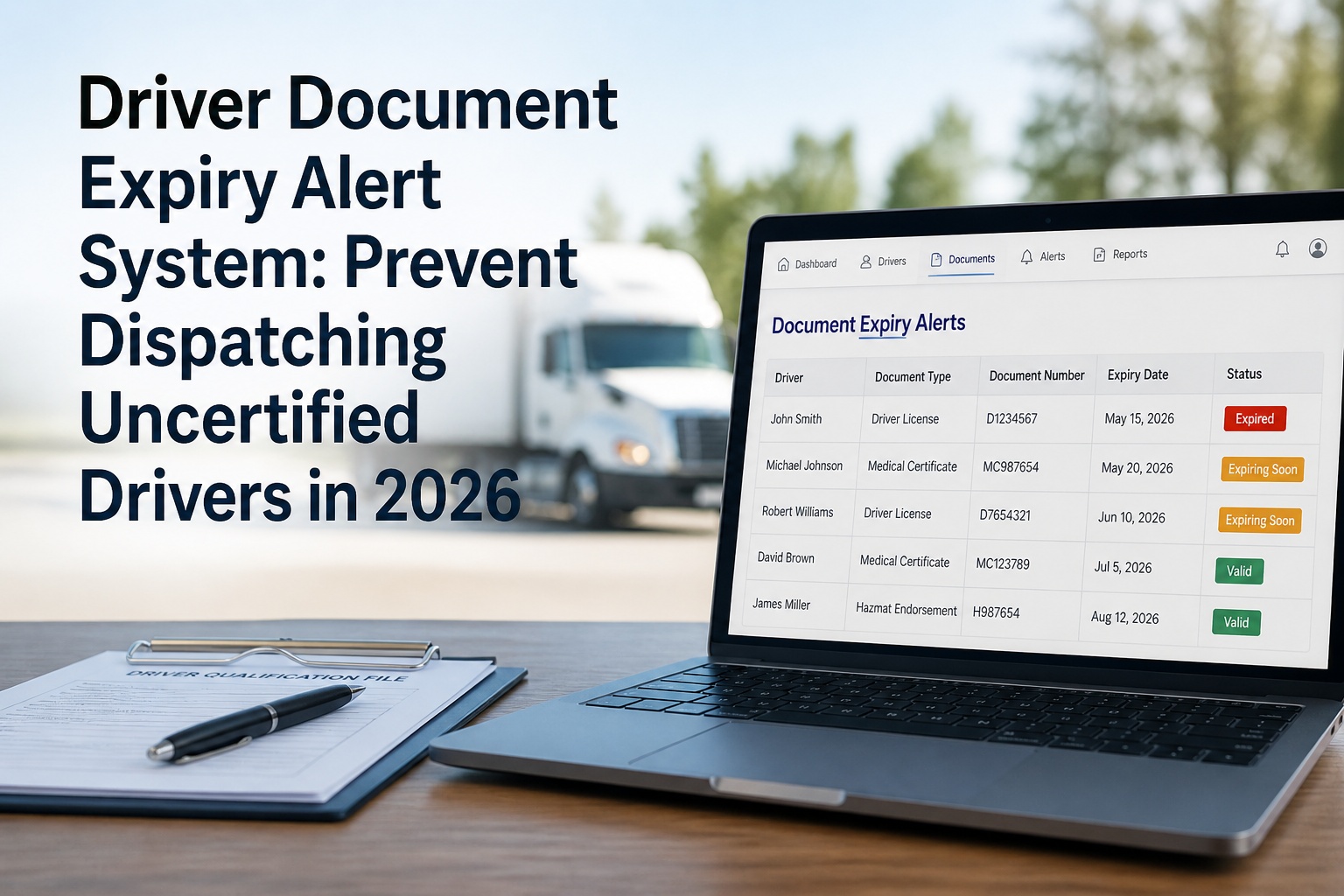
Modern fleet management software and heavy vehicle inspection and maintenance software have revolutionized how construction companies approach equipment maintenance. These digital solutions provide real-time monitoring, automated scheduling, and comprehensive reporting that transforms reactive maintenance into proactive asset management through structured inspection protocols.
1. Hydraulic System Failures
The Problem
Hydraulic system failures represent one of the most common and expensive heavy equipment maintenance problems. These systems power critical functions like lifting, digging, and steering, making failures catastrophic for productivity.
Common Symptoms
- Slow or jerky equipment movements
- Unusual noises during operation
- Visible fluid leaks
- Overheating hydraulic components
- Complete loss of hydraulic power
Quick Fix Solutions
Immediate Actions:
- Check hydraulic fluid levels and top off if low
- Inspect all visible hoses and connections for leaks
- Replace damaged hoses or fittings immediately
- Clean hydraulic filters and replace if clogged
Preventive Measures:
- Implement daily fluid level checks
- Schedule regular hydraulic filter replacements
- Monitor fluid temperature during operation
- Maintain clean hydraulic fluid through regular sampling
- Use proper hydraulic fluid grades specified by manufacturer
Long-term Strategy
Invest in hydraulic system monitoring technology that tracks pressure, temperature, and fluid quality in real-time. This equipment management approach allows early detection of issues before catastrophic failures occur.
2. Engine Overheating Issues
The Problem
Engine overheating is a leading cause of major equipment failures that can result in complete engine replacement, costing tens of thousands of dollars and weeks of downtime.
Root Causes
- Clogged cooling system components
- Faulty thermostats or water pumps
- Low coolant levels
- Damaged radiators or cooling fans
- Excessive ambient temperatures
Quick Fix Solutions
Emergency Response:
- Immediately shut down equipment when overheating occurs
- Allow engine to cool completely before inspection
- Check coolant levels and add proper mixture if low
- Clean debris from radiator fins and cooling fans
- Inspect for visible leaks in cooling system
Preventive Maintenance:
- Establish daily pre-operation temperature checks
- Schedule regular cooling system flushes
- Replace thermostats according to manufacturer intervals
- Monitor coolant quality and contamination levels
- Ensure proper ventilation around equipment during operation
3. Track and Undercarriage Wear
The Problem
For tracked equipment like excavators and bulldozers, undercarriage components experience constant stress and wear. Premature failure of tracks, sprockets, and rollers can cost $50,000 or more to replace.
Warning Signs
- Excessive track looseness or tightness
- Unusual wear patterns on track pads
- Damaged or missing track pins
- Worn sprockets or idler wheels
- Oil leaks from track drive motors
Quick Fix Solutions
Immediate Actions:
- Adjust track tension to manufacturer specifications
- Replace damaged track pads individually when possible
- Lubricate track pins and bushings regularly
- Clean debris from undercarriage components daily
Long-term Prevention:
- Implement track tension monitoring as part of daily inspections
- Rotate equipment between different job site conditions
- Train operators on proper tracking techniques
- Use track protection chains in harsh conditions
- Schedule professional undercarriage inspections quarterly
4. Electrical System Malfunctions
The Problem
Modern heavy equipment relies heavily on sophisticated electrical systems for engine management, hydraulics control, and safety systems. Electrical failures can cause intermittent problems that are difficult to diagnose.
Common Issues
- Corroded battery terminals and connections
- Faulty alternators or starting systems
- Damaged wiring harnesses
- Failed sensors and control modules
- Grounding problems
Quick Fix Solutions
Troubleshooting Steps:
- Clean and tighten all battery connections
- Test battery voltage and charging system output
- Inspect wiring for visible damage or corrosion
- Check all fuses and relays
- Use diagnostic software to identify fault codes
Preventive Strategies:
- Schedule electrical system inspections every 250 hours
- Protect wiring harnesses from abrasion and moisture
- Maintain clean, dry battery compartments
- Use dielectric grease on electrical connections
- Implement comprehensive electrical component replacement schedules
5. Fuel System Contamination
The Problem
Contaminated fuel systems can cause engine performance issues, injector damage, and complete fuel system failures. Water, dirt, and biological growth in fuel tanks create expensive repair scenarios.
Symptoms
- Rough engine idling or poor performance
- Hard starting or no-start conditions
- Black or white exhaust smoke
- Fuel filter clogging frequency increases
- Engine power loss under load
Quick Fix Solutions
Immediate Response:
- Drain and replace contaminated fuel
- Replace fuel filters and water separators
- Clean fuel tank thoroughly
- Add fuel biocide to prevent biological growth
- Test fuel quality before refilling
Prevention Protocol:
- Implement fuel quality testing procedures
- Use proper fuel storage and handling practices
- Schedule regular fuel system cleaning
- Install high-quality filtration systems
- Monitor fuel consumption patterns for abnormalities
6. Air Filter and Intake System Problems
The Problem
Construction environments expose equipment to excessive dust, dirt, and debris that can quickly overwhelm air filtration systems, leading to engine damage and reduced performance.
Impact Areas
- Reduced engine power and fuel efficiency
- Premature engine wear from contamination
- Increased maintenance frequency
- Higher operational costs
- Potential catastrophic engine failure
Quick Fix Solutions
Daily Maintenance:
- Inspect air filter condition visually
- Clean or replace clogged air filters immediately
- Check air intake systems for damage or leaks
- Clear debris from air intake screens
- Monitor air restriction indicators
Advanced Prevention:
- Install pre-cleaners in dusty environments
- Use high-efficiency air filtration systems
- Implement air filter change tracking
- Schedule intake system inspections
- Train operators on air system importance
7. Transmission and Drivetrain Issues
The Problem
Transmission problems can sideline equipment for weeks while requiring expensive rebuilds or replacements. These systems handle enormous stress and require precise maintenance.
Common Failures
- Slipping or harsh shifting
- Transmission overheating
- Fluid leaks and contamination
- Worn clutches and bands
- Failed torque converters
Quick Fix Solutions
Assessment Actions:
- Check transmission fluid levels and condition
- Monitor operating temperatures during use
- Listen for unusual noises during operation
- Test shift quality and timing
- Inspect for external leaks
Maintenance Excellence:
- Follow strict fluid change intervals
- Use only manufacturer-approved fluids
- Monitor transmission temperatures continuously
- Schedule professional transmission inspections
- Implement filtration system upgrades
8. Brake System Deterioration
The Problem
Heavy equipment brake systems face extreme demands, and brake failure poses serious safety risks while creating liability concerns for construction companies.
Critical Indicators
- Longer stopping distances
- Brake pedal feels spongy or hard
- Unusual noises during braking
- Visible brake fluid leaks
- Uneven brake wear patterns
Quick Fix Solutions
Safety-First Approach:
- Remove equipment from service immediately if brake problems suspected
- Check brake fluid levels and condition
- Inspect brake lines for leaks or damage
- Test brake pedal operation and travel
- Verify parking brake functionality
Comprehensive Prevention:
- Schedule brake system inspections every 500 hours
- Replace brake fluid according to manufacturer schedules
- Monitor brake wear through regular measurements
- Train operators on proper braking techniques
- Implement brake performance testing protocols
- Document all brake system inspections for compliance tracking
The Critical Role of Heavy Vehicle Inspection in Preventive Maintenance
Why Systematic Inspections Matter
Heavy vehicle inspection forms the foundation of any successful maintenance program. Regular, thorough inspections identify potential problems before they become costly failures, ensuring compliance with safety regulations while maximizing equipment reliability.
Digital Inspection Solutions
Modern heavy vehicle inspection and maintenance software streamlines the inspection process through digital checklists, photo documentation, and automated reporting. These systems ensure consistency across inspection teams while creating comprehensive maintenance histories for each piece of equipment.
Key Inspection Areas
Daily Inspection Protocols:
- Fluid levels and leaks assessment
- Visual component condition checks
- Operational safety system testing
- Tire and track condition evaluation
- Warning light and gauge monitoring
Comprehensive Periodic Inspections:
- Structural integrity assessments
- Detailed component wear analysis
- Performance testing and calibration
- Compliance verification procedures
- Preventive maintenance planning updates
9. Cooling System Failures
The Problem
Beyond simple overheating, cooling system failures encompass radiator damage, coolant leaks, and thermostat malfunctions that can destroy engines if not addressed promptly.
System Components at Risk
- Radiators and cooling cores
- Water pumps and thermostats
- Coolant hoses and connections
- Cooling fans and motors
- Expansion tanks and caps
Quick Fix Solutions
Emergency Procedures:
- Stop equipment immediately when coolant loss detected
- Locate and repair small leaks temporarily
- Replace damaged hoses or clamps
- Clean cooling system externally
- Refill with proper coolant mixture
Systematic Prevention:
- Pressure test cooling systems regularly
- Replace coolant according to maintenance schedules
- Monitor coolant pH and contamination levels
- Inspect cooling system components during scheduled maintenance
- Upgrade to high-performance cooling components when necessary
10. Wear Parts and Component Replacement Delays
The Problem
Many maintenance problems escalate due to delayed replacement of wear parts like cutting edges, teeth, and wear plates. This reactive approach increases costs and downtime significantly.
High-Wear Components
- Bucket teeth and cutting edges
- Wear plates and liners
- Hydraulic cylinders and seals
- Engine and hydraulic filters
- Belts and hoses
Quick Fix Solutions
Inventory Management:
- Maintain adequate spare parts inventory
- Establish relationships with reliable parts suppliers
- Use equipment management software to track part lifecycles
- Implement just-in-time ordering systems
- Create emergency parts procurement procedures
Strategic Planning:
- Schedule wear parts replacement based on operating hours
- Monitor component wear through regular inspections
- Use predictive maintenance technologies
- Train technicians on proper installation procedures
- Document all parts replacements for lifecycle analysis
Implementing a Comprehensive Maintenance Management System
Successfully addressing these common heavy equipment maintenance problems requires more than quick fixes. Construction companies need robust maintenance management systems that combine preventive maintenance planning, systematic heavy vehicle inspection protocols, and data-driven decision making.
Key Components of Effective Maintenance Programs
Digital Integration: Modern heavy vehicle inspection and maintenance software provides centralized control over maintenance scheduling, parts inventory, and equipment performance monitoring. These comprehensive platforms reduce human error while ensuring no maintenance tasks or inspection requirements fall through the cracks.
Streamlined Inspection Processes: Digital heavy vehicle inspection tools eliminate paper-based systems while ensuring thorough, consistent inspections. Mobile applications allow technicians to complete inspections in the field, automatically generating reports and scheduling follow-up maintenance based on findings.
Predictive Maintenance Technologies: Advanced diagnostic systems use sensors and data analysis to predict equipment failures before they occur. This approach minimizes unexpected downtime while optimizing maintenance costs.
Technician Training and Development: Regular training ensures maintenance staff stay current with evolving equipment technologies and maintenance best practices. Well-trained technicians identify problems earlier and perform repairs more efficiently.
Parts and Inventory Management: Strategic parts inventory management balances carrying costs with equipment availability. Effective systems ensure critical parts availability while minimizing excess inventory.
Measuring Maintenance Program Success
Successful heavy equipment maintenance programs require continuous monitoring and improvement through systematic heavy vehicle inspection and performance tracking. Key performance indicators include:
- Equipment uptime percentage
- Maintenance cost per operating hour
- Unplanned downtime incidents
- Parts inventory turnover rates
- Mean time between failures
- Technician productivity metrics
Regular analysis of these metrics identifies improvement opportunities and validates maintenance program investments.
The Financial Impact of Proactive Maintenance
Companies implementing comprehensive preventive maintenance programs typically experience:
- 25-30% reduction in maintenance costs
- 70% decrease in unplanned downtime
- 20% improvement in equipment lifespan
- Significant reduction in safety incidents
- Improved customer satisfaction through reliable project completion
These improvements directly impact profitability while building competitive advantages in the construction industry.
FAQ: Heavy Equipment Maintenance Problems
What is the most expensive heavy equipment maintenance problem?
Engine replacement due to lack of preventive maintenance represents the highest cost, often exceeding $100,000 for large excavators or dozers. Most engine failures result from neglected cooling systems, contaminated oil, or fuel system problems that could have been prevented through proper maintenance protocols.
How often should heavy equipment undergo preventive maintenance and inspection?
Heavy equipment should receive daily pre-operation inspections, weekly service checks, and comprehensive heavy vehicle inspection every 250-500 operating hours depending on the equipment type and operating conditions. Harsh environments require more frequent inspection intervals to prevent accelerated wear and component failures while ensuring regulatory compliance.
What are the benefits of using digital heavy vehicle inspection software?
Digital heavy vehicle inspection and maintenance software eliminates paperwork, ensures consistent inspection quality, provides real-time reporting, and creates comprehensive maintenance histories. These systems improve compliance tracking, reduce inspection time by up to 40%, and provide actionable data for maintenance planning decisions.
What are the warning signs that heavy equipment needs immediate maintenance attention?
Critical warning signs include unusual noises, fluid leaks, performance changes, warning lights, excessive vibration, and temperature fluctuations. Any of these symptoms warrant immediate investigation to prevent minor issues from becoming major failures that could sideline equipment for weeks.
Transform Your Heavy Equipment Maintenance with Professional Inspection Solutions
Don't let preventable maintenance problems and compliance issues drain your profits and delay your projects. The key to sustainable heavy equipment operations lies in implementing systematic heavy vehicle inspection protocols combined with comprehensive maintenance management.
Professional heavy vehicle inspection and maintenance software transforms equipment reliability while reducing operational costs and ensuring regulatory compliance. Digital inspection solutions eliminate guesswork, provide consistent documentation, and create actionable maintenance schedules based on actual equipment condition rather than arbitrary time intervals.
Discover the Power of the HVI APP
Ready to revolutionize your heavy vehicle inspection and maintenance approach? The HVI APP from Heavy Vehicle Inspection provides cutting-edge digital inspection tools designed specifically for construction and heavy equipment operations. This comprehensive platform streamlines inspection processes, automates compliance reporting, and integrates seamlessly with your existing maintenance management systems.
Why Choose Professional Heavy Vehicle Inspection Solutions:
- Reduce inspection time by up to 40% with mobile digital tools
- Ensure 100% compliance with regulatory requirements
- Create comprehensive equipment histories for better maintenance decisions
- Eliminate paperwork and reduce human error
- Access real-time reporting and analytics
- Integrate with existing fleet management systems
Take Action Today
Visit www.heavyvehicleinspection.com to discover how professional heavy vehicle inspection and maintenance software can optimize your equipment operations. Download the HVI APP and experience the difference that systematic, digital inspection processes make for equipment reliability and operational efficiency.
Don't wait for the next breakdown to realize the importance of proper heavy vehicle inspection protocols. Start building a more reliable, compliant, and profitable equipment operation today – your bottom line and safety record depend on it.
Ready to get started? Contact the experts at Heavy Vehicle Inspection for a personalized consultation on implementing comprehensive inspection and maintenance solutions for your fleet.