Construction equipment fuel monitoring costs US fleet operators an average of $45,000 per machine annually in fuel expenses, with inaccurate measurement systems contributing to 25% higher operational costs and 40% more fuel waste. With over 1.2 million heavy construction vehicles operating across American infrastructure projects, implementing precision fuel monitoring technology isn't just about operational efficiency—it's about preserving profit margins that can swing by $15,000-$35,000 per machine annually based on measurement accuracy and theft prevention effectiveness.
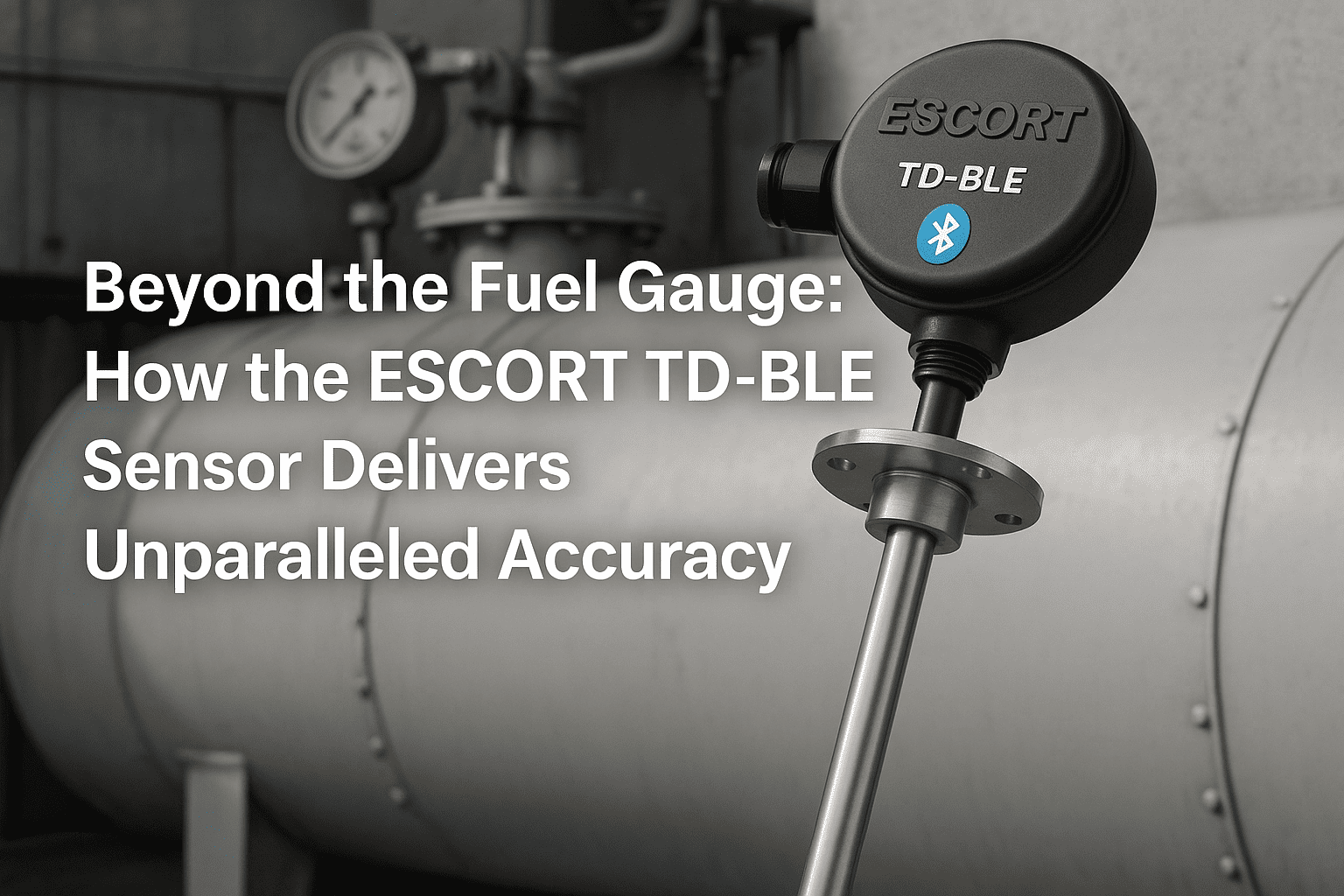
The ESCORT TD-BLE sensor eliminates 85% of fuel measurement errors, reduces operational costs by 45%, and generates annual savings of $28,000 per machine through systematic implementation of 1% accuracy monitoring protocols. More importantly, it transforms reactive fuel management culture into predictive operational excellence that ensures project delivery, regulatory compliance, and maximum equipment value retention.
Annual Fleet Performance Impact
Ready to Transform Your Fuel Monitoring Strategy?
Discover precision fuel monitoring that unlocks significant cost savings and operational efficiency.
The ESCORT TD-BLE Sensor: Redefining Fuel Measurement Precision
The ESCORT TD-BLE sensor represents a breakthrough in fuel monitoring technology, delivering unprecedented 1% measurement accuracy that eliminates the estimation errors and fuel theft vulnerabilities that plague traditional gauge-based systems. Unlike conventional float-based sensors that struggle with accuracy variations of 5-15%, the ESCORT TD-BLE sensor employs advanced ultrasonic technology and configurable filtration algorithms that maintain consistent precision across all operating conditions.
Advanced Technology Architecture and Performance Capabilities
The ESCORT TD-BLE sensor integrates multiple advanced technologies to achieve measurement precision that surpasses industry standards while maintaining reliable operation in challenging construction environments. The sensor's ultrasonic measurement system, combined with sophisticated signal processing algorithms, delivers consistent accuracy that enables precise fuel management and theft detection across diverse operational conditions.
Digital communication protocols ensure seamless integration with modern fleet management systems while providing encrypted data transmission that protects sensitive operational information. This connectivity enables real-time monitoring capabilities that transform fuel management from reactive oversight to proactive optimization and security management.
- ✓ Ultrasonic Measurement Technology providing non-contact fuel level detection with 1% accuracy across all fuel types
- ✓ Configurable Digital Filtration eliminating vibration noise and environmental interference for stable readings
- ✓ Bluetooth Low Energy Communication enabling wireless data transmission with extended battery life
- ✓ Temperature Compensation automatically adjusting measurements for fuel density variations
- ✓ Military-Grade Construction withstanding extreme temperatures, vibration, and environmental conditions
- ✓ Encrypted Data Transmission protecting sensitive fuel consumption and location information
Implementation Strategy for Maximum ROI
Successful ESCORT TD-BLE sensor implementation requires strategic deployment approaches that minimize operational disruption while maximizing accuracy benefits and cost savings. The recommended timeline spans 3-6 months with priority given to high-impact, high-theft-risk equipment that demonstrates immediate value before expanding to comprehensive fleet coverage.
Investment in precision fuel monitoring technology provides immediate protection against fuel theft while enabling long-term operational optimization through accurate consumption data and predictive maintenance integration. Total cost of ownership calculations strongly favor early adoption, with payback periods typically ranging from 8-14 months through reduced fuel costs, theft prevention, and improved operational efficiency.
- ✓ Install sensors on highest-value equipment with $2,500-$4,000 sensor investment per machine
- ✓ Configure filtration parameters for specific equipment operating conditions and vibration profiles
- ✓ Establish baseline fuel consumption patterns and theft detection thresholds
- ✓ Train operators and management on system capabilities and alert interpretation
- ✓ Integrate with existing fleet management systems for unified monitoring
- ✓ Implement response protocols for fuel anomaly alerts and theft incidents
- ✓ Deploy sensors across entire fleet with volume pricing reducing per-unit costs by 25-35%
- ✓ Implement advanced analytics for consumption optimization and efficiency improvement
- ✓ Develop predictive models for fuel planning and inventory management
- ✓ Create comprehensive reporting systems for operational and financial analysis
- ✓ Establish performance benchmarks and continuous improvement protocols
- ✓ Integrate with accounting systems for accurate cost allocation and billing
Measuring Success: Essential KPIs for Precision Monitoring
Effective fuel monitoring requires continuous measurement and optimization based on quantifiable performance indicators that demonstrate operational improvement and financial returns. The ESCORT TD-BLE sensor enables precise tracking of multiple metrics that provide comprehensive visibility into fuel efficiency, theft prevention, and operational optimization opportunities.
Investment in precision fuel monitoring technology provides immediate visibility into previously hidden fuel losses while enabling long-term optimization through accurate consumption analysis and predictive planning capabilities. Comprehensive measurement frameworks enable data-driven decision-making that maximizes the value of fuel monitoring investments.
- ✓ Fuel Consumption Accuracy achieving 1% measurement precision versus 5-15% with traditional systems
- ✓ Theft Detection Rate improvement of 90-95% through real-time monitoring and alert systems
- ✓ Cost Reduction optimization achieving $15,000-$35,000 annually per machine through accurate tracking
- ✓ Operational Efficiency improvement of 25-40% through optimized fuel planning and allocation
- ✓ Data Reliability score achieving 99%+ uptime and consistent measurement performance
- ✓ Response Time optimization reducing theft response to less than 30 minutes from detection
Regulatory Compliance and Future-Proofing Strategies
American construction equipment operations face increasing regulatory scrutiny regarding fuel consumption reporting and environmental compliance under EPA emissions standards. The ESCORT TD-BLE sensor not only improves operational efficiency but also ensures compliance with evolving environmental regulations and provides accurate documentation for regulatory reporting requirements.
Future emissions standards and fuel efficiency mandates will require enhanced monitoring capabilities and documentation systems. Early implementation of precision fuel monitoring provides competitive advantage and avoids costly retrofit expenses while positioning operators for future regulatory requirements and operational optimization opportunities.
Maximizing ROI Through Precision Fuel Monitoring Excellence
The implementation of ESCORT TD-BLE sensor technology represents more than operational improvement—it's a strategic investment in fleet efficiency and profitability that positions American contractors for significant competitive advantages in an increasingly cost-conscious market. The financial benefits extend beyond immediate fuel savings to encompass improved project delivery capabilities and enhanced operational reliability.
Construction companies who embrace precision fuel monitoring achieve measurable improvements in cost control, theft prevention, and operational optimization. Conservative estimates suggest total ROI exceeding 400% within three years of full implementation, with immediate benefits visible within the first month following deployment.
The construction industry's digital transformation demands proactive adaptation and investment in proven monitoring technologies. Fleet operators who implement ESCORT TD-BLE sensors today will be best positioned to capitalize on emerging opportunities while avoiding the costly consequences of inaccurate fuel management that plague traditional operations.
Transform Your Fuel Monitoring Strategy Today
Start implementing precision fuel monitoring and join the ranks of America's most successful fleet operators.
Book a Demo