Choosing the Right Oil for Caterpillar Equipment (2026 Maintenance Guide)

caterpillar-equipment-oil-guide

Choosing the wrong oil for Caterpillar equipment doesn't just void warranties—it triggers a cascade of internal damage that cuts engine life by 40% and leads to $45,000-$125,000 repair bills. Yet 65% offleet operators unknowingly use incorrect oil specifications. This guide covers the complete Cat oil ecosystem: engine oils (DEO, DEO-ULS), hydraulic oils (HYDO Advanced), and transmission fluids (TDTO)—with the exact OEM specifications that keep your equipment running at peak performance. Start tracking oil changes with digital inspections, or schedule a fleet assessment to identify gaps in your current lubrication program.

40%
Engine Life Reduction From Wrong Oil
$47K
Average Cost Per Oil-Related Failure
500 hrs
Standard Engine Oil Drain Interval
6,000 hrs
HYDO Advanced Drain Interval

Understanding Cat Oil Types

Caterpillar equipment uses different oil formulations for different systems. Using the wrong type—or mixing incompatible oils—creates chemical reactions that destroy seals, accelerate wear, and contaminate entire systems.

Engine Oil

Cat DEO Engines WITHOUT aftertreatment
Cat DEO-ULS Tier 4 engines WITH aftertreatment (DPF/SCR)
Cat DEO-ULS SYN Synthetic for extreme temps (-40°C to 50°C)
Cat ECF-2 Cat ECF-3 API CJ-4

Hydraulic Oil

Cat HYDO Advanced 10 SAE 10W, cold to moderate temps
Cat HYDO Advanced 30 SAE 30W, moderate to hot temps
Cat Bio HYDO Advanced Biodegradable for sensitive areas
6,000 hr drain 900+ ppm zinc ISO 46/68

Transmission/Drive Train Oil

Cat TDTO Powershift transmissions & final drives
Cat TDTO Cold Weather Operations below -25°C
Cat MTO Multi-purpose tractor oil
Cat TO-4 Allison C-4 SAE 10W/30/50

Never Mix Oil Types

Mixing Cat fluids with non-Cat brands leads to chemical incompatibility, reduced performance, and potential component damage. When switching to Cat HYDO Advanced, cross-contamination with previous oil should be kept below 10%.

Track Every Oil Change Automatically
Digital inspection forms capture oil type, quantity, and condition with photo documentation—ensuring the right oil goes in every time.

Start Free Trial Book a Demo

OEM Specifications Explained

Cat uses proprietary specifications that go beyond API standards. Understanding these codes ensures you select oils that meet Cat's rigorous testing requirements.

Engine Crankcase Fluid (ECF) Specifications

Specification
Application
Key Features
Cat ECF-1-a
Older engines, precombustion chamber
Basic protection, standard intervals
Cat ECF-2
ACERT engines, low-emission systems
Controlled ash, soot handling
Cat ECF-3
Tier 4 engines with DPF/SCR
Ultra-low ash, optimized DPF regeneration

API Classifications for Cat Engines

API CK-4
2017+
Latest standard. Improved oxidation resistance, better soot control, backward compatible with older engines.
API CJ-4
2007-2016
For engines with EGR systems. Strong soot and wear protection, controlled ash content.
API CI-4
Pre-2007
Earlier EGR-equipped engines. Acceptable for Cat ECF-2 requirements.
API CG-4 / CF-4
OBSOLETE
No longer licensed by API. NOT recommended for any Cat engine.

Viscosity Selection by Temperature

Viscosity grade must match your operating environment. Using the wrong viscosity causes insufficient lubrication (too thin) or excessive drag and poor flow (too thick).


-40°C / -40°F 0°C / 32°F 50°C / 122°F
SAE 0W-40

-40°C to 40°C
SAE 5W-40

-30°C to 40°C
SAE 10W-30

-18°C to 40°C (PREFERRED)
SAE 15W-40

-9.5°C to 50°C
SAE 50

10°C to 50°C+ (hot climates only)
Cat Recommendation: SAE 10W-30 is the preferred viscosity grade for most Cat diesel engines when ambient temperature is above -18°C (0°F) and below 40°C (104°F). Use the highest viscosity that meets cold start requirements.

Top 8 Oil Mistakes That Destroy Cat Equipment

These common errors account for the majority of oil-related failures. Each one is preventable with proper training and systematic inspection processes.

#1

Using Wrong Oil Specification

$45K-$125K damage

Using DEO in a Tier 4 engine that requires DEO-ULS. The higher ash content clogs the DPF, triggers constant regeneration, and eventually destroys aftertreatment components. Within 500 hours, you're looking at a $15,000 DPF replacement plus potential turbo damage.

65% of operators use wrong spec
500 hrs until DPF damage appears
#2

Extending Oil Change Intervals Without Analysis

$25K-$85K damage

Cat allows extended drain intervals (up to 500 hours for DEO, 6,000 hours for HYDO Advanced)—but only with S·O·S oil analysis monitoring. Running to maximum intervals without sampling lets sludge, metal particles, and degraded additives accumulate until oil passages clog and bearings fail. Start tracking oil change intervals digitally to never miss a scheduled service.

68% skip oil analysis
$25-$40 per sample vs $85K repair
#3

Wrong Viscosity for Operating Temperature

$15K-$65K damage

Using 15W-40 in Alaska winter (-30°F) means oil won't flow at startup, causing metal-on-metal contact for the first several minutes every day. Using 10W-30 in Texas summer (100°F+) means oil thins out under load, reducing film strength and allowing bearing wear.

43% don't adjust for temperature
72 hrs damage window in extreme temps
#4

Mixing Incompatible Oils

$20K-$75K damage

Topping off Cat HYDO Advanced with a generic hydraulic oil. Different additive packages react chemically, creating sludge that clogs valves and damages pumps. Cat requires less than 10% cross-contamination when switching oils—most operators exceed this with a single top-off.

<10% max cross-contamination allowed
1 top-off can exceed contamination limit
#5

Ignoring Oil Condition During Inspections

$35K-$95K damage

Checking that oil "is on the dipstick" without assessing condition. Milky oil = coolant contamination (head gasket failure). Black gritty oil = excessive soot (injector problems). Gray film = fuel dilution. Metal flakes = bearing wear in progress. Schedule a fleet assessment to train operators on proper oil condition checks.

78% only check level, not condition
2-3 weeks warning window from oil changes
#6

Using Aftermarket Filters

$12K-$45K damage

Aftermarket filters may have lower filtration efficiency, allowing particles to pass through. Cat filters are designed for extended service intervals and specific micron ratings. A cheap filter that lets 20-micron particles through destroys the protection provided by premium oil.

$15-$45 filter savings vs $45K repair
20 micron particles cause bearing damage
#7

Contaminating Oil During Fill

$8K-$35K damage

Leaving oil caps open, using dirty funnels, or filling from dusty containers introduces contaminants that oil filters can't remove. A single grain of sand in a hydraulic system scores cylinder walls. Dust particles destroy turbochargers within 50-100 hours.

40% of analysis errors from dirty samples
1 grain of sand can destroy a cylinder
#8

Running Low Oil Levels

$45K-$150K damage

Operating with oil below minimum marks causes oil starvation during high-load or incline operations. The oil pump draws air, pressure drops, and bearings run dry. An engine can fail in minutes—not hours—once oil pressure drops critically. Low hydraulic oil causes cavitation that destroys pumps.

8-15 min of low pressure = engine failure
Daily level checks prevent this entirely

Eliminate Oil Mistakes With Standardized Checklists
Digital inspection forms ensure operators check oil level AND condition, record the exact oil type used, and flag abnormalities before they cause damage.

Start Free Trial Book a Demo

Oil Inspection Quick Reference

What to check, what it means, and what action to take. Train operators to assess oil condition—not just level. Sign up for Heavy Vehicle Inspection to get digital checklists that guide operators through proper oil condition assessments.

Color Check

Amber/Brown NORMAL
Black HIGH SOOT - Monitor
Milky/Cloudy COOLANT LEAK - Stop
Gray Film FUEL DILUTION - Stop

Texture Check

Smooth, slick NORMAL
Gritty between fingers CONTAMINATION - Change oil
Metal flakes visible BEARING WEAR - Stop immediately
Foamy/aerated AIR LEAK - Check seals

Smell Check

Normal petroleum odor NORMAL
Strong diesel fuel smell FUEL DILUTION - Injector issue
Burnt odor OVERHEATING - Check cooling
Sweet antifreeze smell COOLANT LEAK - Head gasket

Level Check

Between MIN-MAX marks NORMAL
At or below MIN ADD OIL - Check for leaks
Above MAX OVERFILLED - Drain excess
Level rising between checks FUEL/COOLANT ENTERING

S·O·S Oil Analysis Program

Cat's Scheduled Oil Sampling (S·O·S) program detects internal wear 500-1,000 hours before external symptoms appear. It's the most valuable $25-$40 you can spend on maintenance.

What S·O·S Analysis Detects

Wear Metals

Iron, copper, aluminum, chrome—identifies which components are wearing and how fast. Detects bearing failure 500+ hours before symptoms.

Contaminants

Water, fuel, coolant, silicon (dirt). Water over 0.5% creates corrosion. Silicon over 25 ppm indicates air filtration problems.

Oil Condition

Viscosity, oxidation, soot levels, additive depletion. Determines if oil can safely continue to next interval or needs immediate change.

Particle Count

Quantifies metallic and non-metallic particles. ISO cleanliness codes reveal contamination levels invisible to the eye.

Recommended Sampling Intervals

Engine Oil Every 250-500 hours
Hydraulic Oil Every 500 hours
Transmission Oil Every 500 hours
Final Drive Oil Every 500 hours
Coolant Every 500 hours

Oil Analysis ROI: The Numbers

$25-$40
Cost per oil sample and analysis
$47,000
Average cost of oil-related engine failure
500-1,000 hrs
Early warning before visible symptoms
5-10x ROI
Return on oil analysis program investment

Frequently Asked Questions

Q What happens if I use DEO instead of DEO-ULS in a Tier 4 engine?
DEO has higher ash content than DEO-ULS. In Tier 4 engines with Diesel Particulate Filters (DPF), this ash accumulates in the filter, reducing efficiency and triggering excessive regeneration cycles. Over 500-1,000 hours, DPF damage can cost $10,000-$15,000 to repair. Additionally, the warranty may be voided if wrong oil specification is documented.
Q Can I use non-Cat oil that meets Cat specifications?
Yes, commercial oils meeting Cat ECF specifications (ECF-2, ECF-3) are acceptable alternatives. However, Cat recommends their OEM oils because they're specifically tested in Cat engines and may offer extended drain intervals. If using commercial oil, verify it meets the exact Cat specification required for your engine and consider shorter drain intervals.
Q How do I know which Cat oil specification my equipment requires?
Check your equipment's Operation and Maintenance Manual (OMM) for the exact specification. You can also use the Cat Fluid Selector tool at catfluidselector.com by entering your equipment model. Generally: pre-2007 engines = ECF-1-a or ECF-2; 2007-2016 ACERT = ECF-2; Tier 4 with aftertreatment = ECF-3.
Q Why does Cat HYDO Advanced allow 6,000-hour drain intervals?
HYDO Advanced is formulated with superior oxidation stability (250% better than standard HYDO per ASTM D943), advanced anti-wear additives, and improved air release properties. These extended intervals are only achievable when used with Cat S·O·S oil analysis monitoring and Cat Ultra High Efficiency filters. Without analysis, standard 2,000-hour intervals apply.
Q What's the minimum zinc content required for Cat hydraulic systems?
Cat hydraulic systems require oils with minimum 900 ppm (0.09%) zinc content. Zinc dialkyldithiophosphate (ZDDP) provides critical anti-wear protection for hydraulic pumps and components. Industrial hydraulic oils without adequate zinc are NOT recommended for Cat equipment, even if they meet ISO viscosity requirements.
Q How quickly can wrong oil cause permanent damage?
The critical window depends on the severity of the mismatch. Wrong viscosity in extreme temperatures can cause lubrication failure within minutes at startup. Incompatible additive packages may take 20-50 hours to show effects. Using significantly wrong specification oil, damage risk increases to 85% after 72 operating hours. High temperatures and heavy loads accelerate damage—potential failures can occur within 10-20 hours under severe conditions.
Q Should I use synthetic oil in my Cat equipment?
Synthetic oils (Cat DEO-ULS SYN, Cat DEO SYN) are beneficial for extreme temperature operations—they flow better in cold starts below -30°C and resist breakdown in sustained high temperatures. For normal operating conditions (-18°C to 40°C), conventional multigrade oils like 15W-40 or 10W-30 perform well. Synthetic oils may also be required in very cold weather operations to meet cold-start viscosity requirements.
Q How can I ensure my operators always use the correct oil?
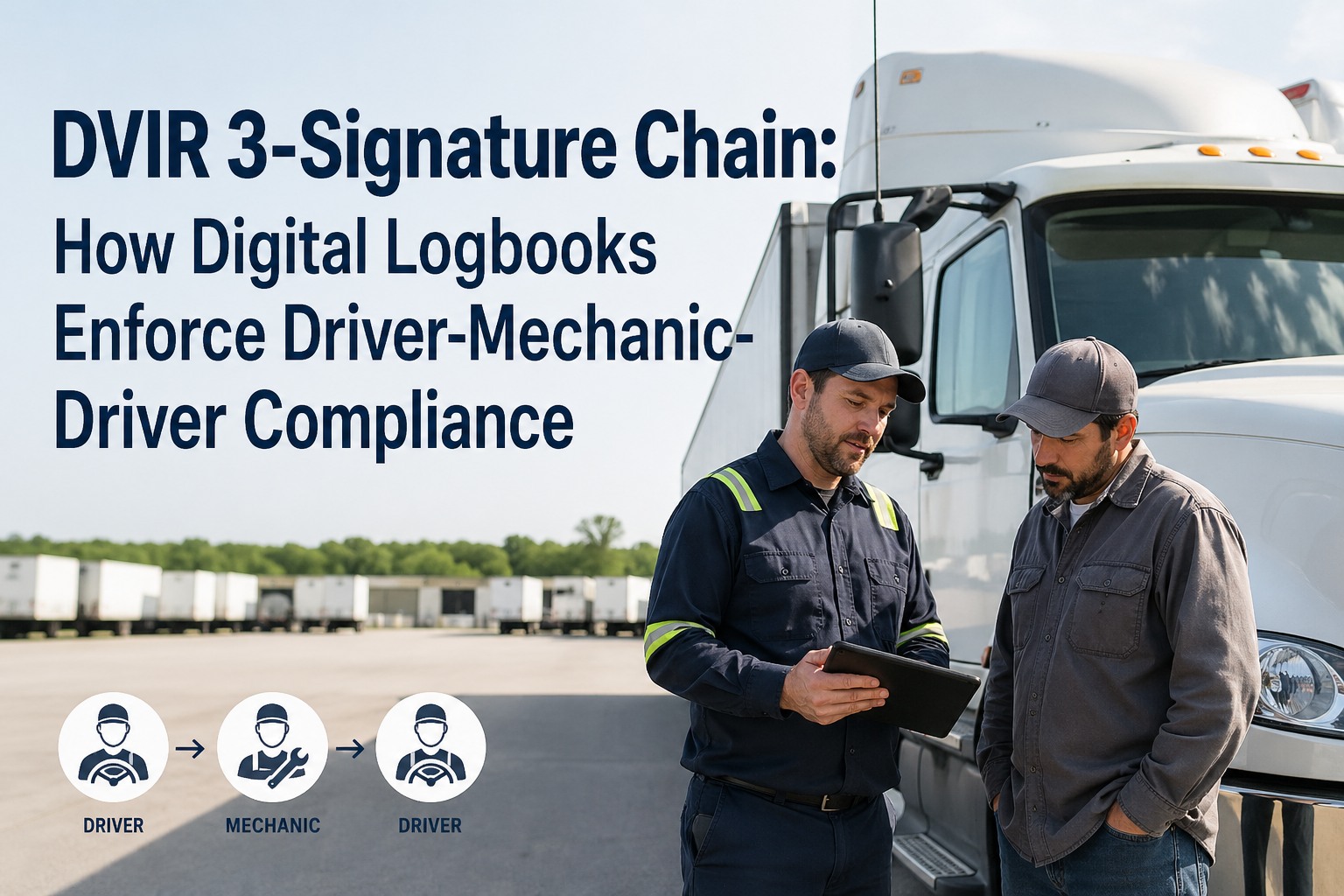
The most effective approach is implementing digital inspection checklists that specify the exact oil type, viscosity, and quantity required for each machine. These checklists can include photo verification of oil labels and condition assessments that catch problems early. Book a demo to see how Heavy Vehicle Inspection's digital platform standardizes oil management across your entire fleet, creating audit trails that protect warranties and prevent costly mistakes.

Protect Your Cat Equipment Investment
Digital inspection forms ensure every oil check captures level, condition, and type—creating an audit trail that protects warranties and prevents costly mistakes.
Start Free Trial Book a Demo

Share This Story, Choose Your Platform!

Start Free Trial Book a Demo