Manual vehicle inspections have a fundamental limitation: human inconsistency. Industry data shows manual inspection accuracy sits at approximately 80% — meaning 1 in 5 defects goes undetected. By the 20th inspection of the day, attention drops dramatically. "Pencil whipping" — signing off DVIRs without actually inspecting — is endemic across the industry. Defect identification varies 50% between different inspectors looking at the same vehicle. Knowledge is not standardized, subjective judgment produces inconsistent calls, and paper DVIRs provide zero proof that the driver actually looked at the equipment. AI-powered vehicle inspection software changes every one of these failure points. Computer vision systems trained on 30+ million real-world images now achieve 95-99% defect detection accuracy across 163+ vehicle parts and 21+ damage types. Inspection time drops 40% — from 45 minutes to under 5 minutes for a full guided walk-around. Repair costs decline 35% through early detection. Insurance premiums drop 15% from improved CSA scores. The AI vehicle inspection market was valued at $1.9 billion in 2024 and is projected to reach $6.9 billion by 2033, growing at 15.8% annually. North America holds 37.4% of the global market. 78% of fleets plan to increase technology spending in 2026. On February 19, 2026, FMCSA published a final rule explicitly authorizing electronic DVIRs (effective March 23, 2026) — removing any remaining ambiguity about digital inspection documentation. The regulatory, financial, and competitive case for AI-powered inspections is settled. This guide covers why manual inspections fail, how AI inspection technology works, the ROI data, DOT compliance implications, what HVI delivers today, and how to get started. Book a demo to see HVI's AI-powered inspection platform for heavy vehicle fleets, or start your free trial of HVI's digital DVIR and fleet compliance software.
AI-Powered Vehicle Inspection Software for Heavy Fleets
Computer vision catches 40% more defects than manual inspection. AI-guided workflows eliminate pencil whipping. Photo-verified DVIRs create audit-ready documentation automatically. Here is the complete 2026 guide for fleet managers evaluating AI inspection technology.
Why Manual Heavy Vehicle Inspections Fail
Manual inspections are not unreliable because drivers are careless. They are unreliable because humans have biological limitations that no amount of training fully overcomes. The same limitations apply whether you are inspecting the 1st truck of the day or the 20th.
By the 20th inspection of the day, attention drops dramatically. Early morning pre-trips catch more defects than end-of-day inspections. This is not laziness — it is how human cognition works. AI does not experience fatigue. Inspection #200 gets the same attention as inspection #1.
Drivers rushing to meet departure times skip steps. "Pencil whipping" — signing off without actually inspecting — is endemic across the industry. Average walk-around takes 45 minutes if done properly. Most drivers spend under 10 minutes. AI-guided workflows prevent submission without required elements, making skipped steps structurally impossible.
New drivers do not know what to look for. Experienced drivers develop blind spots. Knowledge is not standardized. Defect identification varies 50% between inspectors evaluating the same vehicle. "Is that crack serious?" Without objective standards, inspectors make inconsistent calls. AI applies the same trained criteria every single time.
Handwritten DVIRs get lost, damaged, or become illegible. Paper shows "OK" checked for brakes — but provides zero proof the driver actually looked at the brakes. In the era of nuclear verdicts (jury awards exceeding $10M), paper documentation is indefensible. AI inspection creates timestamped photo evidence that proves due diligence.
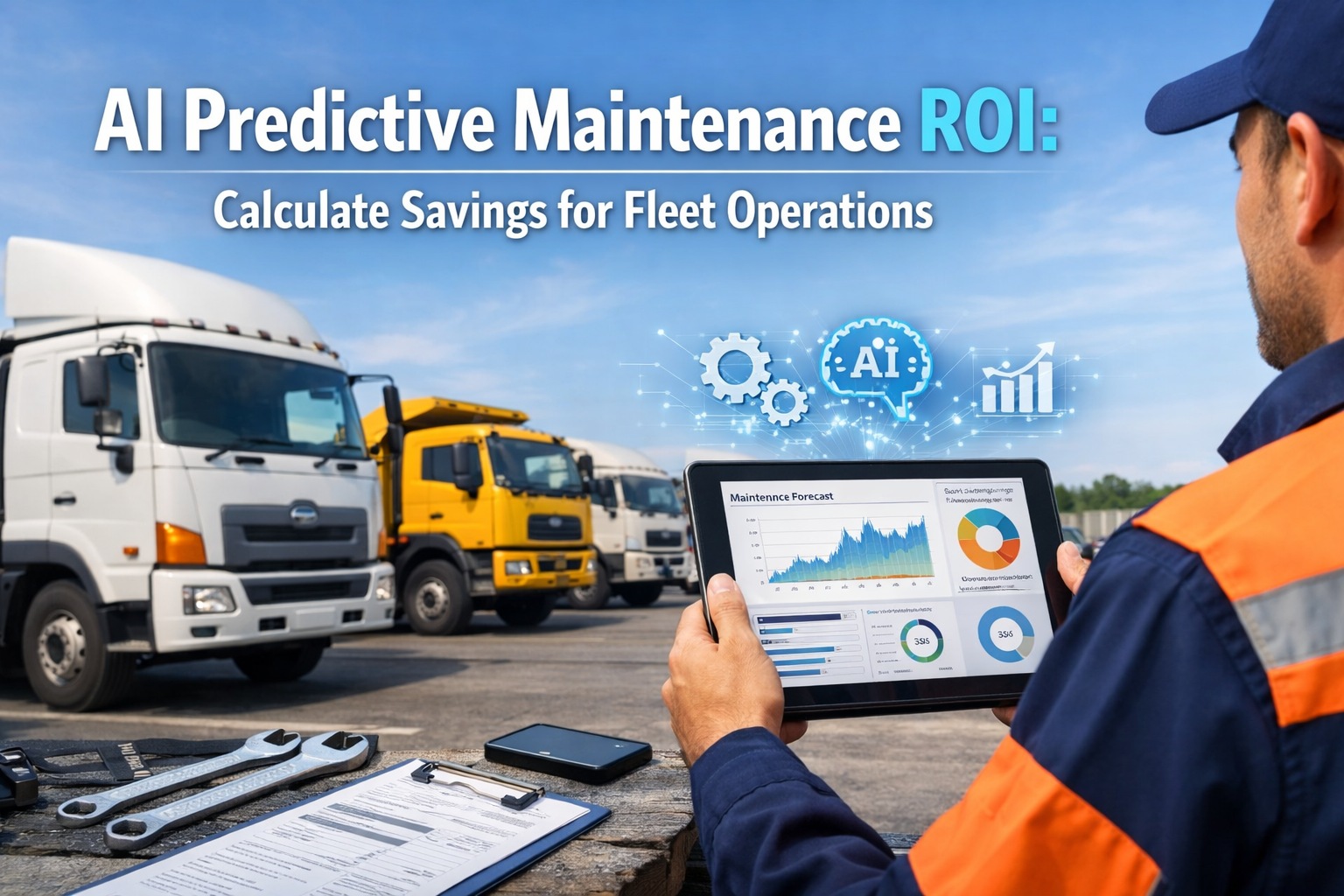
A human inspector sees one truck at one moment. They cannot correlate today's brake wear reading with last month's or compare it across 50 similar vehicles on different routes. AI analyzes patterns across your entire fleet and millions of other data points — identifying degradation trends weeks before they become failures.
Paper DVIRs have no mechanism to detect fabricated inspections. AI systems detect digitally altered images, duplicate photos, poor-quality submissions, "photo of a photo" fraud attempts, and suspicious patterns. Inspection integrity is verified automatically — not assumed.
How AI Vehicle Inspection Software Works
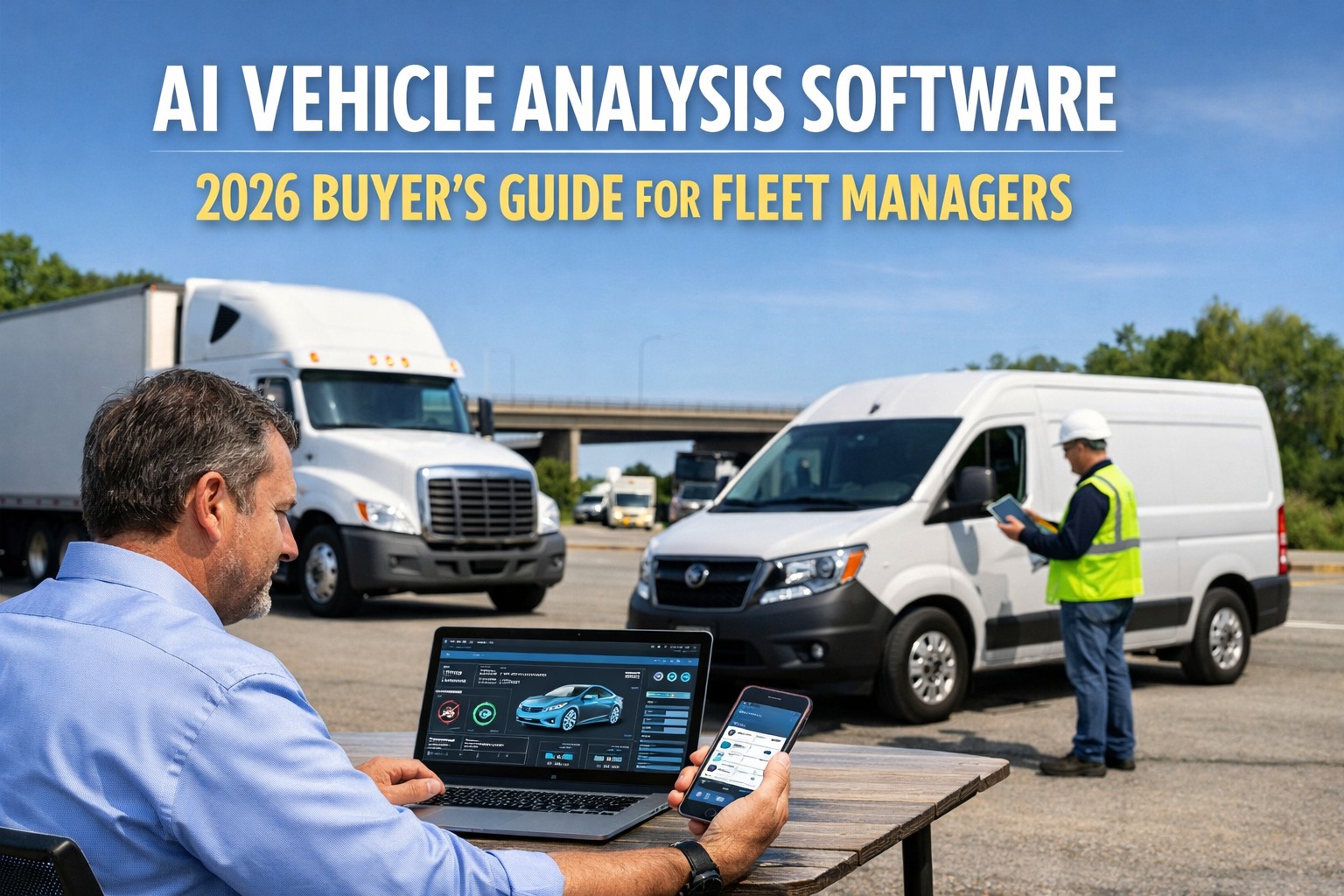
AI vehicle inspection is not a single technology. It is a pipeline of capabilities that work together: computer vision for defect detection, guided workflows to enforce completeness, photo verification for audit evidence, pattern analysis for predictive maintenance, and automated compliance documentation.
The AI inspection app walks drivers through each inspection point in sequence, showing exactly what to photograph and what to look for. Smart prompts adapt based on vehicle type — a tractor gets different items than a trailer or reefer. The system prevents submission without all required elements: no skipping, no shortcuts, no pencil whipping. Drivers become proficient in 25-30 minutes of training.
AI algorithms trained on 30+ million real-world vehicle images analyze inspection photos in real time. The system detects 21+ types of damage (dents, scratches, cracks, corrosion, tire wear, fluid leaks) across 163+ vehicle parts with 95-99% accuracy. Micro-damages invisible to human inspectors are flagged automatically. The AI compares current images against baseline to detect progressive degradation.
AI rejects poor-quality photos (blurry, too dark, wrong angle) and requires re-capture. Systems detect duplicate images, "photo of a photo" attempts, digitally altered submissions, and suspicious timestamp patterns. Inspection integrity is verified computationally — not trusted on faith. This eliminates the single biggest weakness of paper-based inspection systems.
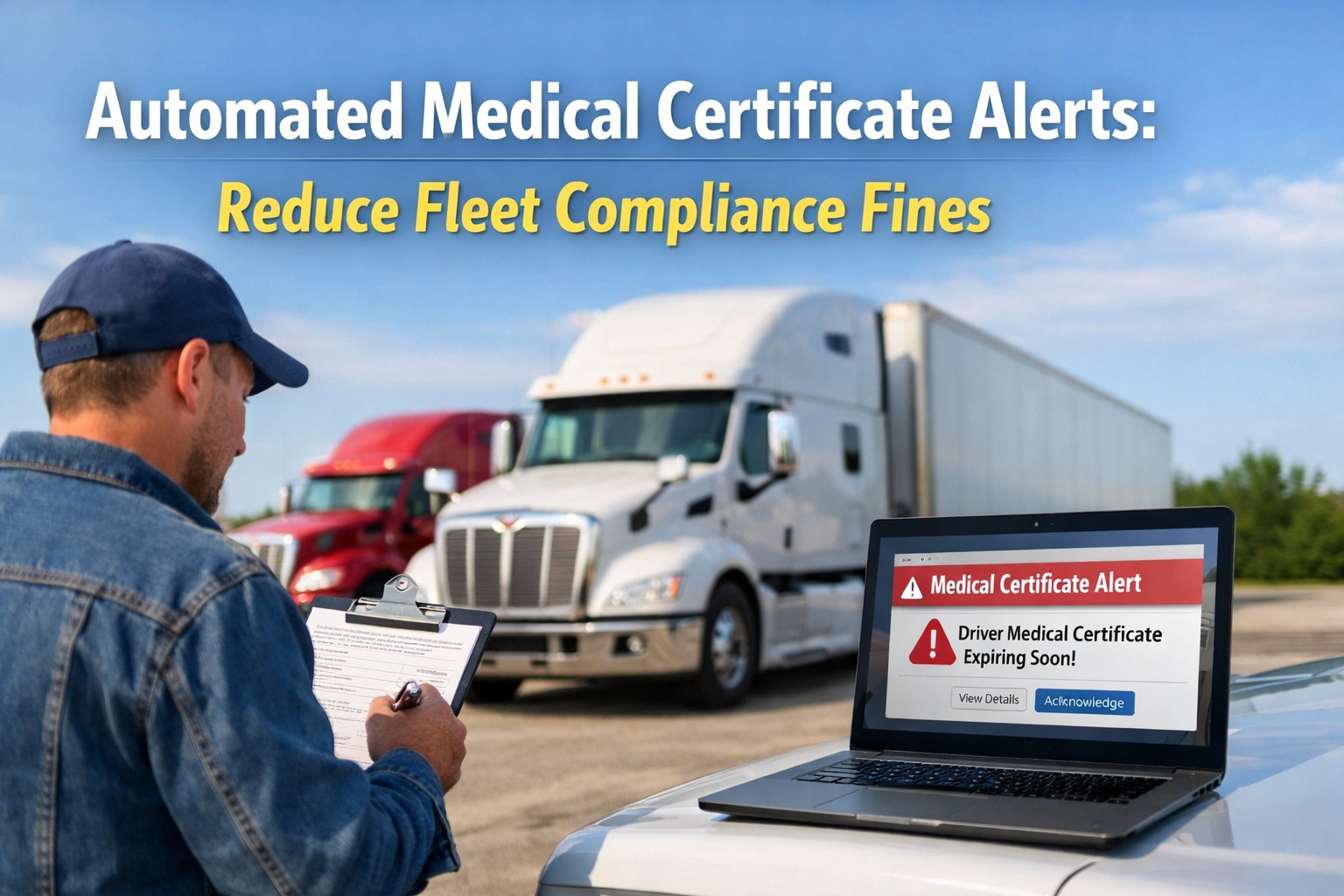
Every completed inspection automatically generates a DOT-compliant Driver Vehicle Inspection Report with: timestamped photographs, GPS-verified location, digital driver signature, complete component checklist covering all 11 FMCSA categories, defect descriptions with severity classification, and a three-signature chain (driver, reviewer, mechanic). FMCSA eDVIR rule effective March 23, 2026 explicitly authorizes this workflow.
AI analyzes inspection data patterns across your fleet — identifying recurring defect patterns, component degradation trends, and vehicles approaching maintenance thresholds 2-4 weeks before failure. "This alternator shows early wear patterns — recommend replacement within 14 days." The system transitions inspections from compliance checkboxes into strategic fleet intelligence.
When AI detects a defect, the system automatically creates a prioritized work order with the defect photo, description, severity level, vehicle ID, recommended repair, and estimated parts. The work order routes to the assigned mechanic instantly. No handoff delays, no lost paper, no communication gaps between the driver who found the problem and the mechanic who fixes it.
ROI of AI-Powered Vehicle Inspections
Most fleets see ROI within 60 days. The first prevented breakdown often pays for the entire system investment. Here is the documented financial impact from fleets using AI inspection platforms.
AI DVIRs and DOT Compliance in 2026
The regulatory landscape has shifted decisively in favor of digital inspections. FMCSA's eDVIR final rule (February 19, 2026, effective March 23, 2026) explicitly authorizes electronic DVIRs — supported by the American Trucking Associations, Owner-Operator Independent Drivers Association, and National Tank Truck Carriers. Paper DVIRs remain legal but are increasingly disadvantaged during audits.
FMCSA published final rule FMCSA-2025-0115 explicitly authorizing electronic Driver Vehicle Inspection Reports under 49 CFR 396.11 and 396.13. Digital signatures fully replace wet ink requirements. Electronic creation, maintenance, and signature of DVIRs is unambiguously compliant. AI-generated DVIRs with photo verification exceed the minimum standard.
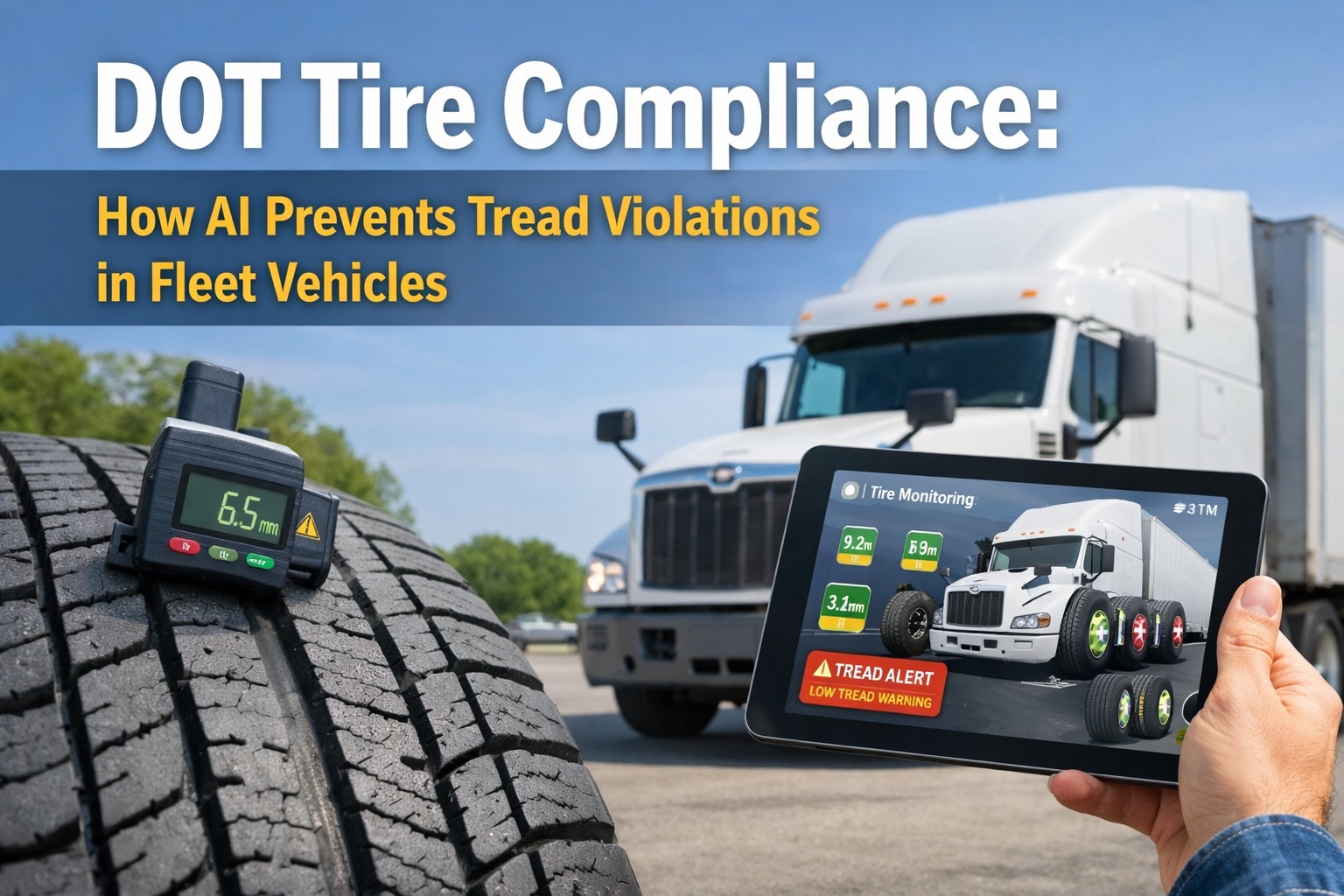
The 2026 CSA overhaul splits Vehicle Maintenance into two categories. The new "Driver Observed" category scores violations that drivers should have caught during walk-around inspections (bald tires, broken lights, obvious leaks). AI-guided inspections ensure these items are never missed — directly protecting your CSA score under the new rules.
Only 7% of motor carriers pass DOT audits without a single violation. AI inspections create the documentation that the other 93% are missing: timestamped photos of every component, GPS proof of location, digital signatures, complete defect history with repair verification. When the auditor asks, your records are retrieved in seconds — not days.
Jury awards exceeding $10M are increasingly common in trucking litigation. Paper DVIRs show "OK" checked for brakes — plaintiff attorneys ask "how do we know the driver actually inspected?" AI photo-verified inspections create the evidence trail that proves due diligence for every component, every day, every vehicle. This documentation is your defense.
HVI AI-Powered Inspection Features
HVI was built specifically for heavy vehicle fleets — tractors, trailers, reefers, straight trucks, buses, construction equipment, and specialty vehicles. The platform combines AI-guided inspections with DOT-compliant documentation and seamless maintenance integration.
Step-by-step inspection workflows for every vehicle type. All 37+ Level I items for tractors, 28+ for trailers. Adaptive checklists adjust to vehicle class. System prevents submission without required photos and component checks — eliminating pencil whipping structurally.
Every inspection item captures photo evidence. AI analyzes images for defects including tire wear, brake component condition, fluid leaks, lighting failures, structural cracks, and cargo securement issues. Photos are tagged with timestamp, GPS, and component ID for complete audit trail.
Defects detected during AI inspection automatically generate prioritized work orders with photo evidence, severity classification, and vehicle identification. Work orders route instantly to assigned mechanics. Three-signature DVIR chain (driver, reviewer, mechanic) enforced digitally — no link in the compliance chain can be skipped.
AI analyzes inspection data patterns across your fleet to predict component failures 2-4 weeks before they occur. Identifies which vehicles need attention, which components are trending toward failure, and which routes cause accelerated wear. Transforms inspection data into strategic fleet intelligence — not just compliance records. Read the full predictive maintenance guide.
Real-time visibility: which vehicles are current, overdue, or have open defects. CSA score impact tracking per vehicle. Inspection completion rates by driver. PM compliance rates. Annual inspection due dates. Everything fleet managers and safety directors need on a single screen — no spreadsheets, no manual tracking.
AI inspection workflows operate fully offline. Drivers complete inspections, capture photos, and sign DVIRs with zero connectivity. Data syncs automatically when connection returns. No inspection is ever lost due to network issues — critical for remote job sites, rural routes, underground facilities, and areas with poor cell coverage.
Implementation: Pilot in 7 Days, Full Fleet in 30
AI inspection does not require replacing your fleet, installing new hardware, or hiring data scientists. It requires smartphones your drivers already carry and 25-30 minutes of training per driver.
Configure vehicle templates for your fleet types (tractors, trailers, reefers, straight trucks). Upload your vehicle list. Set inspection frequencies and notification rules. Assign drivers and mechanics. No hardware installation — works on existing smartphones and tablets.
25-30 minutes training per driver using the AI-guided inspection app. Drivers become proficient quickly because the app shows exactly what to photograph and what to look for. Start pilot with 5-10 vehicles. Drivers prefer the digital system because it is faster than paper and provides immediate feedback on detected issues.
Review pilot inspection data. Fine-tune alert thresholds. Verify work order routing works correctly. Compare defect detection rate against your baseline. Most fleets identify defects in the first week that were being missed by manual inspections — the ROI case makes itself.
Expand to entire fleet. Train all remaining drivers. Establish compliance dashboards for fleet managers and safety directors. Document ROI vs pre-implementation baseline. Begin building the historical inspection data foundation that powers predictive maintenance intelligence over time.
Frequently Asked Questions
Yes. FMCSA published final rule FMCSA-2025-0115 (effective March 23, 2026) explicitly authorizing electronic DVIRs. AI-generated inspection reports with timestamped photos, GPS verification, digital signatures, and complete component checklists exceed the minimum FMCSA standard. The American Trucking Associations, OOIDA, and NTTC all supported this rulemaking. Book a demo to see HVI's FMCSA-compliant AI inspection workflow for heavy vehicle fleets.
AI systems achieve 95-99% defect detection accuracy vs approximately 80% for manual inspection. The improvement comes from consistency — AI does not get fatigued, rushed, or distracted. Systems trained on 30+ million real-world images detect 21+ damage types across 163+ vehicle parts, including micro-damages invisible to human inspectors. Fleets using AI-assisted inspections identify 35% more defects than manual-only processes. Start your free trial of HVI's AI-powered vehicle inspection software.
Most drivers become proficient in 25-30 minutes. AI inspection apps use guided workflows that show exactly what to photograph and what to look for — the AI handles the analysis. Drivers just capture images following on-screen prompts. Many fleets report drivers prefer the digital system because it is faster than paper, eliminates handwriting, and provides immediate feedback on detected issues. Book a demo to see HVI's driver training and AI inspection onboarding process.
Most fleets see ROI within 60 days. The first prevented breakdown ($20K-$50K for engine/transmission failure) often pays for the entire system investment. Documented ongoing savings include $8,500/truck/year in repair cost reduction, $3,650/driver/year in inspection time savings, and 15% insurance premium reduction from improved CSA scores. Book a demo to calculate your fleet's specific AI inspection ROI.
Yes. HVI works fully offline — drivers complete inspections, take photos, capture signatures, and generate DVIRs without internet connectivity. Data syncs automatically when connection returns. No inspection is ever lost due to network issues. This is critical for remote job sites, rural trucking routes, underground facilities, and areas with poor cell coverage. Start your free trial of HVI's offline-capable AI vehicle inspection platform.
No — AI augments human inspectors. Drivers still perform the physical walk-around. AI provides the guided workflow (ensuring nothing is skipped), analyzes the photos (catching defects humans miss), generates the documentation (creating audit-ready DVIRs automatically), and identifies patterns (predicting failures before they happen). The driver's role shifts from "form filler" to "informed inspector." Book a demo to see how HVI's AI augments your drivers' heavy vehicle inspections.
Your Competitors Are Already Using AI Inspections. Are You?
78% of fleets are increasing technology spending in 2026. The eDVIR rule is live. CSA scoring now tracks your pre-trip inspection quality directly. AI catches 40% more defects, costs less than one prevented breakdown, and creates the audit documentation that paper never can. The question is not whether to switch — it is how quickly.
No hardware needed • Works on existing smartphones • 25-minute driver training • FMCSA eDVIR compliant