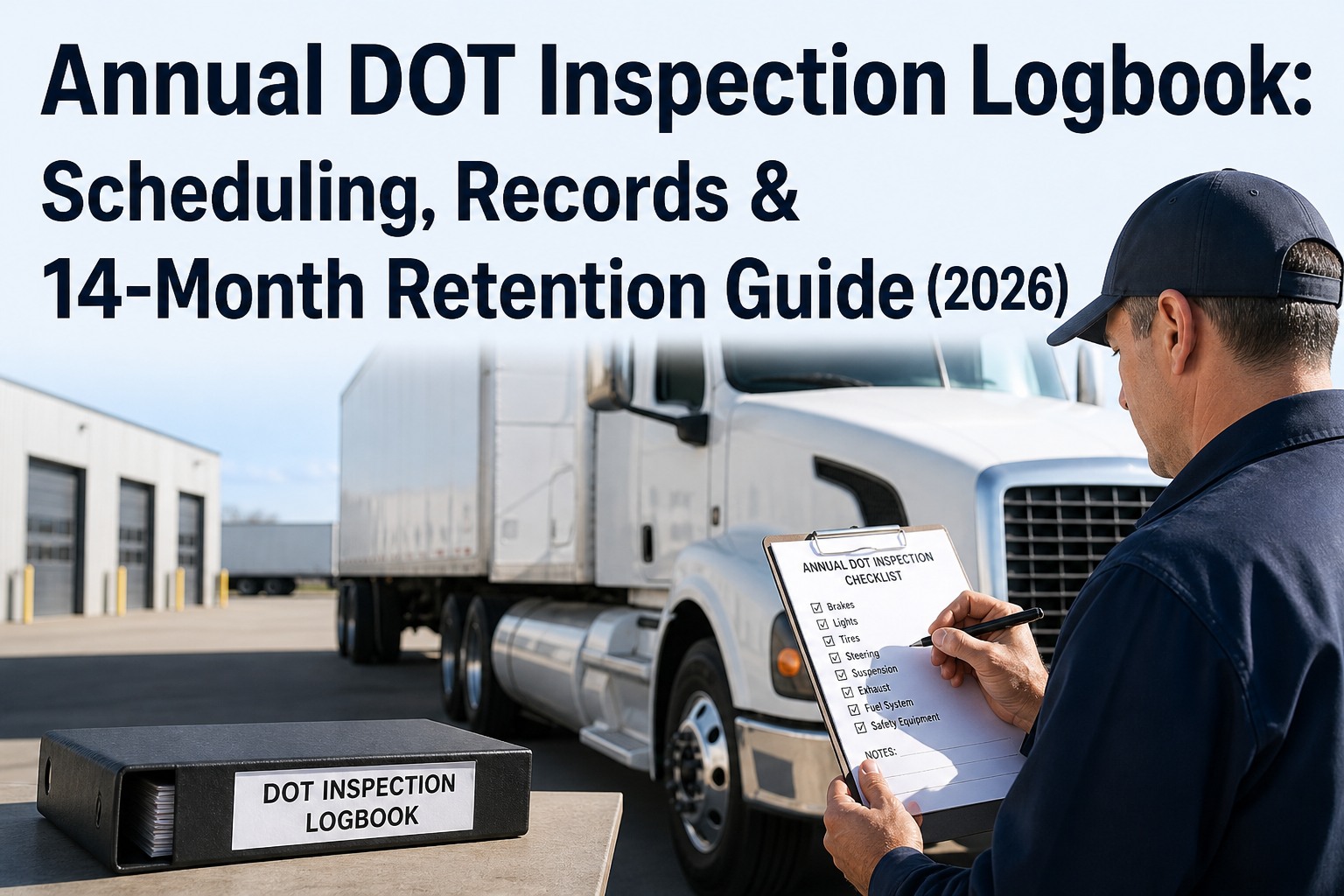
Pre-trip inspections are the first line of defense against DOT citations, roadside out-of-service orders, and preventable accidents. Yet they remain one of the most frequently violated DOT requirements. The mistakes drivers make during pre-trips—or by skipping them entirely—show up in violation reports, CSA scores, and sometimes in accident investigations. Understanding these common errors and building systems to prevent them protects your drivers, your equipment, and your compliance record. This guide breaks down the most common pre-trip inspection mistakes and shows how fleets eliminate them.
Why Pre-Trip Inspections Fail
The FMCSA requires drivers to be satisfied that their vehicle is in safe working condition before operating it. Yet inspection failures happen daily across fleets of all sizes. Understanding why helps build better prevention.
Skipping the Inspection Entirely
The number one pre-trip mistake is not performing one at all. Drivers under time pressure or running behind schedule skip inspections entirely, assuming nothing has changed since yesterday. This violates §392.7 and leaves obvious defects undetected.
Pencil Whipping
Drivers fill out paper forms from memory without actually inspecting the vehicle—checking boxes based on what they remember from yesterday. Paper forms enable this behavior because there's no verification that inspections actually happened.
Rushing Through the Process
A thorough pre-trip takes 15-30 minutes. Many drivers spend 5-10 minutes, hitting only the obvious items while skipping detailed brake, tire, and coupling system checks that catch the violations inspectors find.
Complacency from Experience
Experienced drivers often become complacent, assuming they'd "notice" if something was wrong. But gradual deterioration—brake wear, tire tread loss, lighting failures—happens incrementally and gets missed without systematic checks.
CDL Test Mentality
Many drivers learned pre-trips to pass the CDL exam—memorizing a script and pointing at parts. That performance-based approach doesn't translate to actually finding defects in the real world.
No Accountability Systems
Without verification systems, fleet managers have no way to know if inspections are thorough, rushed, or completely fabricated. Paper forms sitting in truck cabs don't provide real-time accountability.
Most Overlooked Inspection Items
Certain inspection points get skipped far more than others. Not coincidentally, these same items appear repeatedly in roadside violation reports. Knowing what gets missed helps drivers and fleet managers focus attention where it matters.
Brake Adjustment & Air Systems
Drivers often skip measuring pushrod travel and checking for air leaks. The "thump test" on brakes tells you nothing useful. Proper brake inspection requires getting under the vehicle with a measuring tool.
Tire Pressure & Condition
Kicking tires or slapping them with a mallet doesn't detect under-inflation—a tire can be 50% low and still feel solid. Proper inspection requires a calibrated pressure gauge and visual check for damage.
Fifth Wheel & Coupling
Drivers verify the trailer is connected but skip detailed coupling inspection. Missing: checking for gaps between fifth wheel and trailer apron, verifying locking jaws around kingpin, confirming release handle position.
Air & Electrical Lines
Drivers check that hoses are connected but miss chafing, discoloration, and wear from lines rubbing together. DOT violation §393.45 specifically covers hose condition—not just connection.
Lights & Reflectors
Easy to miss because the truck "drives fine" without them. All exterior lights—marker lamps, clearance lights, reflectors, reflective tape—must be operational and clean. This includes trailer lights.
Wheel Fasteners & Lug Nuts
Rust around lug nuts can indicate a widening bolt hole. Loose wheel fasteners lead to catastrophic wheel separation. Visual inspection for rust trails and checking tightness prevents disasters.
Mud Flaps & Splash Guards
Missing or damaged mud flaps seem minor, but they're a citable violation. Easy to overlook during a quick walkaround, especially on trailers.
Documentation
Drivers assume paperwork is in order without verification. Expired medical certificates, registration, insurance, or permits result in immediate citations—and are 100% preventable.
Stop Missing Critical Inspection Items
Digital checklists guide drivers through every inspection point—with photo documentation and defect tracking.
Start Free Trial Book a DemoRushed Inspections vs. Proper Checks
The difference between a rushed inspection and a proper one isn't just time—it's what gets caught. Here's what changes when drivers take inspections seriously.
- Quick walkaround, kick tires
- Glance at lights from cab
- Assume brakes are fine
- Skip under-vehicle checks
- Check box on paper form from memory
- No documentation of condition
- Defects discovered at roadside
- Systematic check of all components
- Each light tested individually
- Brake adjustment measured
- Under-vehicle coupling verified
- Digital checklist with photo evidence
- Defects documented and reported
- Issues fixed before departure
What a Proper 15-Minute Inspection Covers
Gauges, controls, warning lights, documentation, mirrors, wipers, horn
Fluid levels, belts, hoses, leaks, steering components, air compressor
Tires (with gauge), lights, reflectors, brakes, suspension, fuel system
Fifth wheel, air lines, electrical, trailer brakes, cargo securement
Training Drivers for Consistency
Knowledge alone doesn't prevent inspection failures—consistent habits do. The most effective fleets build inspection competence through structured training and ongoing reinforcement.
Move Beyond CDL Test Training
CDL test prep teaches drivers to perform for an examiner, not find defects. Retrain drivers to shift from "reciting the script" to "actively looking for problems." This mindset change is the foundation of effective inspections.
Demonstrate Proper Techniques
Show drivers exactly how to measure brake adjustment, use a tire gauge, and inspect coupling systems. Don't assume they know—many drivers have never been shown the correct methods for detailed component inspection.
Use Standardized Checklists
Give every driver the same comprehensive checklist covering all inspection points. Standardization ensures nothing gets missed regardless of which driver performs the inspection or how experienced they are.
Verify Through Observation
Periodically observe drivers performing inspections. Watch for shortcuts, skipped items, and improper techniques. Provide immediate coaching when you see gaps. Drivers perform better when they know someone is watching.
Track and Address Patterns
Monitor which defects get reported by which drivers. If certain drivers never report issues while others consistently find problems, that's a red flag indicating inconsistent inspection quality.
Create Accountability
When defects are found during roadside inspections that should have been caught during pre-trip, address it with the driver. When drivers know they're accountable for missed defects, inspection quality improves.
Need help training your team on proper inspection techniques? Schedule a demo to see how our guided digital checklists reinforce proper inspection habits.
Using Digital Checklists
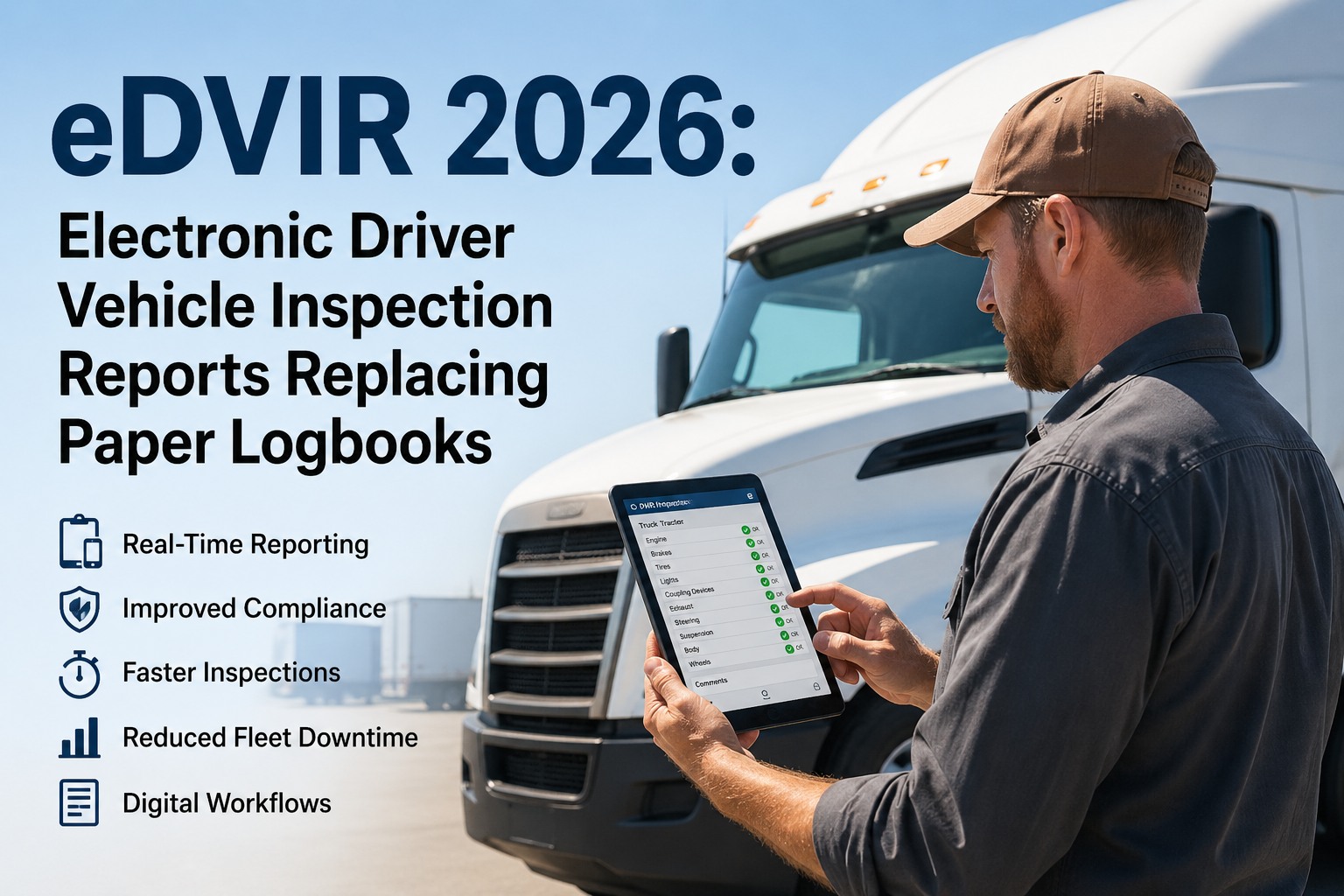
Paper inspection forms have fundamental limitations that digital tools solve. The shift from paper to digital isn't just about convenience—it's about building accountability and catching defects before they become violations.
Guided Step-by-Step Process
Digital checklists walk drivers through each inspection point in sequence. Unlike paper forms where drivers can skip around or check boxes from memory, digital tools require interaction with each item before moving forward.
Photo Documentation
Require photos of critical components—brakes, tires, coupling. Photos prove the inspection happened and document vehicle condition at inspection time. This creates accountability that paper can never provide.
GPS & Timestamp Verification
Digital inspections record when and where they occurred. Fleet managers can verify that inspections happened at the expected time and location—not filled out hours later from memory.
Real-Time Defect Reporting
When a driver reports a defect digitally, maintenance receives immediate notification. No more paper DVIRs sitting in truck cabs for hours or days. Issues get addressed before the next trip.
Audit-Ready Records
Digital inspection records are automatically stored, organized, and retrievable. During DOT audits, you can produce any inspection record instantly—with photos, timestamps, and repair documentation attached.
Pattern Detection
Digital systems identify trends across your fleet—recurring defects on specific vehicles, drivers who never report issues, inspection completion rates. This visibility enables proactive management.
Paper vs. Digital Inspection Comparison
| Factor | Paper Forms | Digital Checklists |
|---|---|---|
| Pencil whipping prevention | None | Photo & GPS verification |
| Defect notification speed | Hours or days | Real-time alerts |
| Record storage | Filing cabinets, risk of loss | Cloud-based, instant access |
| Audit preparation | Manual search, hours of work | Instant retrieval |
| Inspection completeness | No verification | Required fields & prompts |
| Driver accountability | Limited | Full audit trail |
Ready to Eliminate Pre-Trip Inspection Mistakes?
See how HVI's digital inspection tools help fleets achieve consistent, thorough inspections every time.
Sign Up Free Schedule a Demo