Every fleet safety manager knows the feeling: the same truck passes inspection on Monday and fails on Wednesday. Different drivers, different checklists, different standards — same truck. That inconsistency isn't a driver problem. It's a systems problem. And in 2026, with FMCSA's overhauled CSA scoring now splitting Vehicle Maintenance into "Driver Observed" and "Inspector Detected" categories, inconsistent inspections don't just cost you downtime — they directly damage your compliance scores. Fleets that standardize their inspection processes see measurable improvements in safety, audit readiness, and operational costs. This guide shows you exactly how to get there.
The Real Cost of Inconsistent Inspections
Inconsistency is the silent killer of fleet compliance. When each driver follows a different routine — or no routine at all — your inspection data becomes unreliable, your defect detection becomes random, and your compliance posture becomes a gamble. The 2025 CVSA International Roadcheck inspected over 56,000 vehicles and found that brake violations alone made up more than 40% of all vehicle out-of-service findings. These are items that a standardized walk-around would catch every time.
Stop guessing about inspection quality. Start your free trial of HVI's standardized digital inspection platform — or book a demo to see how guided workflows eliminate inconsistency.
Why 2026 Makes Standardization Non-Negotiable
The February 2026 CSA overhaul changes the math on inspection standardization entirely. Under the new Safety Measurement System, Vehicle Maintenance is now split into two separate compliance categories. "Vehicle Maintenance: Driver Observed" tracks defects that a driver should reasonably catch during a pre-trip or post-trip walk-around. "Vehicle Maintenance" covers issues typically found by mechanics or during full Level 1 roadside inspections. This means your drivers' inspection competence now feeds a dedicated compliance score — and FMCSA can see exactly whether problems come from your drivers or your shop.
Vehicle Maintenance now has two separate scores — Driver Observed and Inspector Detected — so FMCSA can pinpoint where problems originate
Violation severity reduced from a 1-10 scale to just 1 or 2 points, with OOS violations getting the higher weight
Over 950 violation codes consolidated into 116 groups — multiple citations for the same issue now count as one violation
Only violations from the past 12 months count toward scores — current performance matters more than history
The bottom line: if your drivers are skipping pre-trip walk-arounds or rubber-stamping DVIRs, the new Driver Observed category will make that painfully visible. Standardized inspection procedures are no longer a best practice — they're a compliance requirement.
The 5 Pillars of Inspection Standardization
Standardization isn't about adding paperwork or slowing drivers down. It's about building a repeatable system that ensures every inspection produces reliable results — regardless of who performs it, when, or where. Here are the five pillars that make it work.
Fixed Walk-Around Sequence
Define one consistent path every driver follows: Front, Passenger Side, Rear, Driver Side, Interior, Under-Hood. When the sequence is fixed, nothing gets skipped — even under time pressure or bad weather. Under-vehicle and rear-of-trailer items are most frequently missed without a set route.
Vehicle-Specific Checklists
A flatbed, a tanker, and a reefer don't share the same inspection points. Create templates covering every DVIR category — brakes, tires, lights, steering, suspension, coupling, exhaust, frame, and cargo securement — tailored to each equipment type in your fleet.
Documentation Standards
Define what gets written, what gets photographed, and what triggers an immediate work order. Photo evidence at critical checkpoints — tires, brakes, lights, coupling devices — creates an auditable record and teaches drivers what defects actually look like over time.
Minimum Inspection Time
Set a 15-20 minute floor for pre-trip inspections. Inspections completed in under 3 minutes are almost certainly rubber-stamped. A time threshold prevents pencil-whipping and signals to drivers that the company takes the process seriously.
Quality Scoring & Feedback
Score each inspection based on completeness, time taken, photo count, and defect reporting. Flag anomalies — zero-defect streaks over long periods, impossibly fast completions, missing photos. This creates a quality floor that paper checklists can never provide.
Ready to build your standardized inspection framework? Sign up free and access vehicle-specific digital checklists aligned with 2026 CSA categories — or schedule a demo to see the platform in action.
How Digital Tools Enforce Standardization
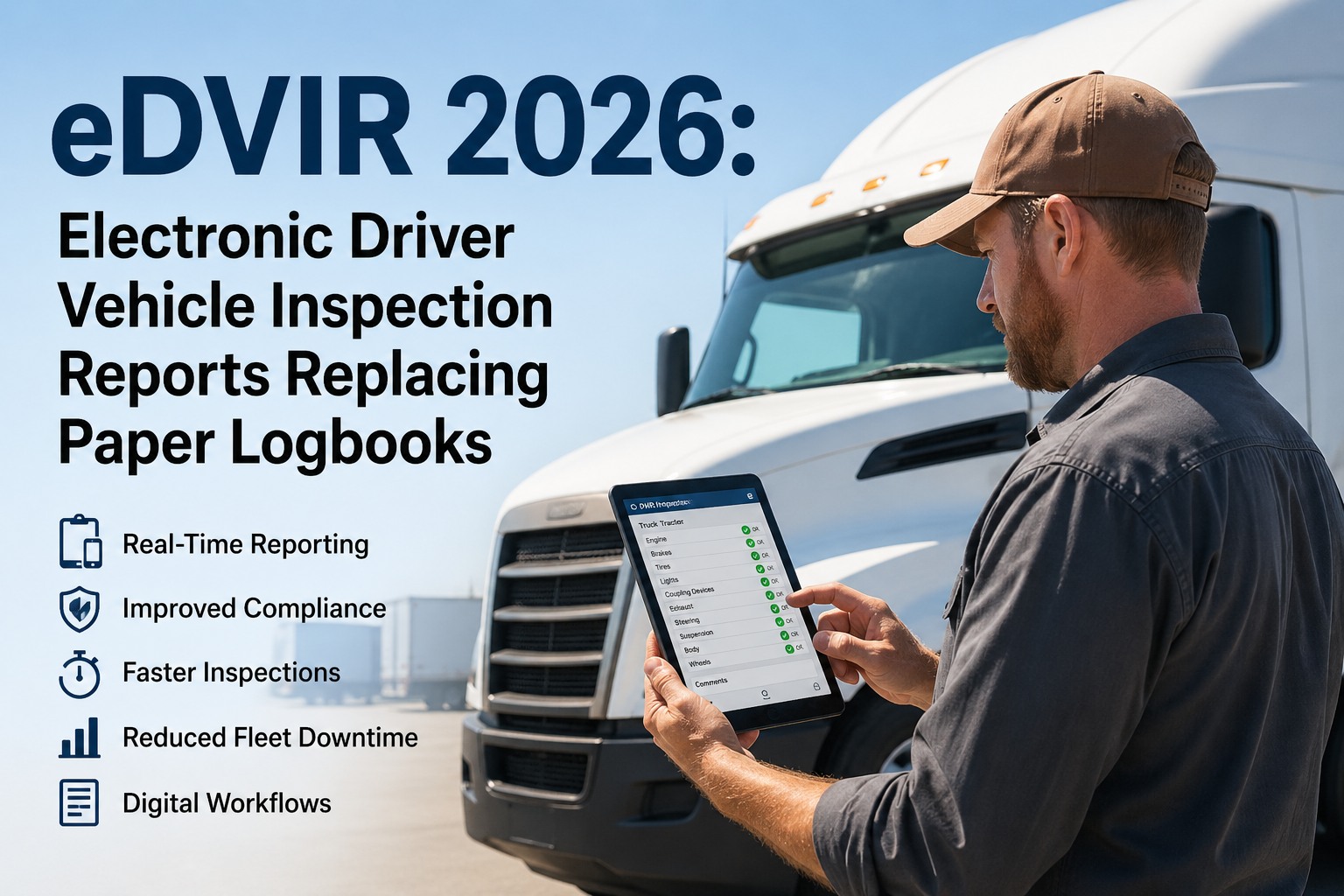
The most effective standardization programs in 2026 don't rely on training alone — they embed the standard into the tool itself. When your inspection platform guides drivers through the correct sequence, requires photo evidence, flags incomplete submissions, and tracks quality metrics, the tool becomes the enforcer. Every completed inspection reinforces the process.
Step-by-Step Enforcement
Digital checklists walk drivers through the exact sequence. Required fields prevent skipping. Pass/fail logic at each checkpoint forces a real decision — not a rubber stamp.
Visual Verification
Required photos at critical checkpoints create auditable records and teach drivers what defects look like. Photo-based inspections are a 2026 compliance best practice.
Defect-to-Repair Pipeline
Reported defects auto-generate work orders and notify maintenance. Vehicles stay grounded until resolved. Drivers see their findings trigger real action — which reinforces thorough reporting.
Objective Accountability
Individual scorecards track completion rate, defect detection, average time, and roadside pass rate. Drivers own their performance. Managers get data for coaching — not opinions.
Training for Consistency: Making It Stick
Standardized procedures only work when drivers actually know them. But training for consistency isn't a one-time onboarding event — it's an ongoing cycle of teach, validate, coach, and reinforce. Here's the framework that separates fleets with 95%+ compliance from everyone else.
Onboard to Competence
Dedicate 4-6 hours of the onboarding program specifically to hands-on inspection training. Show real defect examples — worn brake pads, cracked drums, underinflated tires, damaged wiring. Require 80%+ on knowledge assessments before solo dispatch.
Validate in the Field
Supervised ride-alongs for the first 1-2 weeks. Spot-check DVIRs for completeness and photo quality within 30 days. Compare driver-reported defects against what technicians find later. Formally certify each driver as inspection-competent.
Coach with Data
Use inspection metrics to target coaching: completion times, photo counts, defect patterns. Focus on the 20% of drivers who produce 80% of violations. Feedback delivered within 24 hours is 4-5x more effective than quarterly reviews.
Sustain Through Repetition
Quarterly refreshers addressing seasonal hazards and new regulations. Monthly safety meetings with real fleet inspection data. Annual recertification with an observed pre-trip. Immediate retraining after any roadside violation.
Turn every inspection into a training opportunity. Start your free HVI trial to access guided workflows, driver scorecards, and compliance dashboards — or book a demo to see it live.
Standardization Is the Foundation — Start Building
The fleets that consistently pass roadside inspections, maintain low CSA scores, and avoid preventable breakdowns don't rely on individual driver heroics — they rely on systems. Standardized walk-around sequences, vehicle-specific checklists, photo documentation standards, digital enforcement tools, and data-driven coaching create a compliance floor that rises over time. With the 2026 CSA split now making driver inspection competence directly visible in your safety scores, standardization isn't optional anymore. It's the difference between proactive compliance and intervention letters. Start where you are. Pick one pillar. Build from there.
Standardize Your Inspections with HVI
HVI's digital inspection platform turns standardization from a policy into a practice. Guided workflows, required photo evidence, quality scoring, and driver performance dashboards ensure every inspection meets the standard — every driver, every vehicle, every time.