Government fleet operations have undergone a dramatic transformation over the past decade. What once relied on paper-based tracking systems and reactive maintenance approaches has evolved into sophisticated, data-driven fleet management ecosystems that not only ensure compliance but actively predict and prevent costly breakdowns. Analytics and reporting tools have emerged as the backbone of modern government fleet maintenance compliance, fundamentally changing how agencies manage their vehicle fleets and prepare for critical DOT audits.
The Compliance Challenge That Analytics Solved
Government fleet managers have always faced an uphill battle when it comes to compliance. FMCSA regulations require extensive documentation covering everything from driver qualification files to vehicle maintenance records, and a single missed inspection or improperly documented repair can trigger costly audits or penalties.
Before the widespread adoption of fleet maintenance analytics software, compliance was a manual, time-consuming process. Fleet managers struggled with:
- Paper-based records that were difficult to organize and access during audits
- Reactive maintenance approaches that led to unexpected breakdowns and compliance violations
- Limited visibility into fleet performance and maintenance needs across multiple locations
- Manual reporting processes that were prone to human error and inconsistencies
Ready to transform your fleet maintenance compliance?
Standardize policies, automate checks, and stay audit-ready across drivers and vehicles.
Review Requirements on Demo
How Analytics Tools Transformed Daily Operations
Fleet analytics and reporting tools have revolutionized day-to-day fleet management by providing real-time insights that enable proactive decision-making. Modern government fleets now leverage sophisticated data collection and analysis capabilities that extend far beyond basic vehicle tracking.
Predictive Maintenance Revolution
The shift from reactive to predictive maintenance represents perhaps the most significant advancement in government fleet management. Heavy vehicle inspection and maintenance software now utilizes IoT sensors, telematics data, and machine learning algorithms to predict when components are likely to fail.
Key predictive maintenance capabilities include:
- Engine diagnostics monitoring that identifies potential issues before they cause breakdowns
- Automated maintenance scheduling based on actual usage patterns rather than calendar intervals
- Parts inventory optimization that ensures critical components are available when needed
- Cost forecasting that helps budget managers plan for upcoming maintenance expenses
Real-Time Compliance Monitoring
Modern fleet reporting tools provide continuous monitoring of compliance metrics, automatically flagging potential violations before they become serious issues. This includes tracking driver hours of service, vehicle inspection compliance, and maintenance schedule adherence. Digital systems eliminate the compliance gaps that plague manual tracking methods. Start your free trial to automate compliance monitoring →
Streamlined Audit Preparation and Documentation
Perhaps nowhere is the impact of analytics more evident than in DOT audit preparation. Government fleets that have embraced digital fleet management systems report dramatically reduced audit preparation times and significantly improved audit outcomes.
Automated Documentation and Record-Keeping
HVI (Heavy Vehicle Inspection) software automatically captures and organizes the extensive documentation required for compliance audits, including:
- Driver qualification files with automated expiration alerts
- Vehicle maintenance records with complete service history tracking
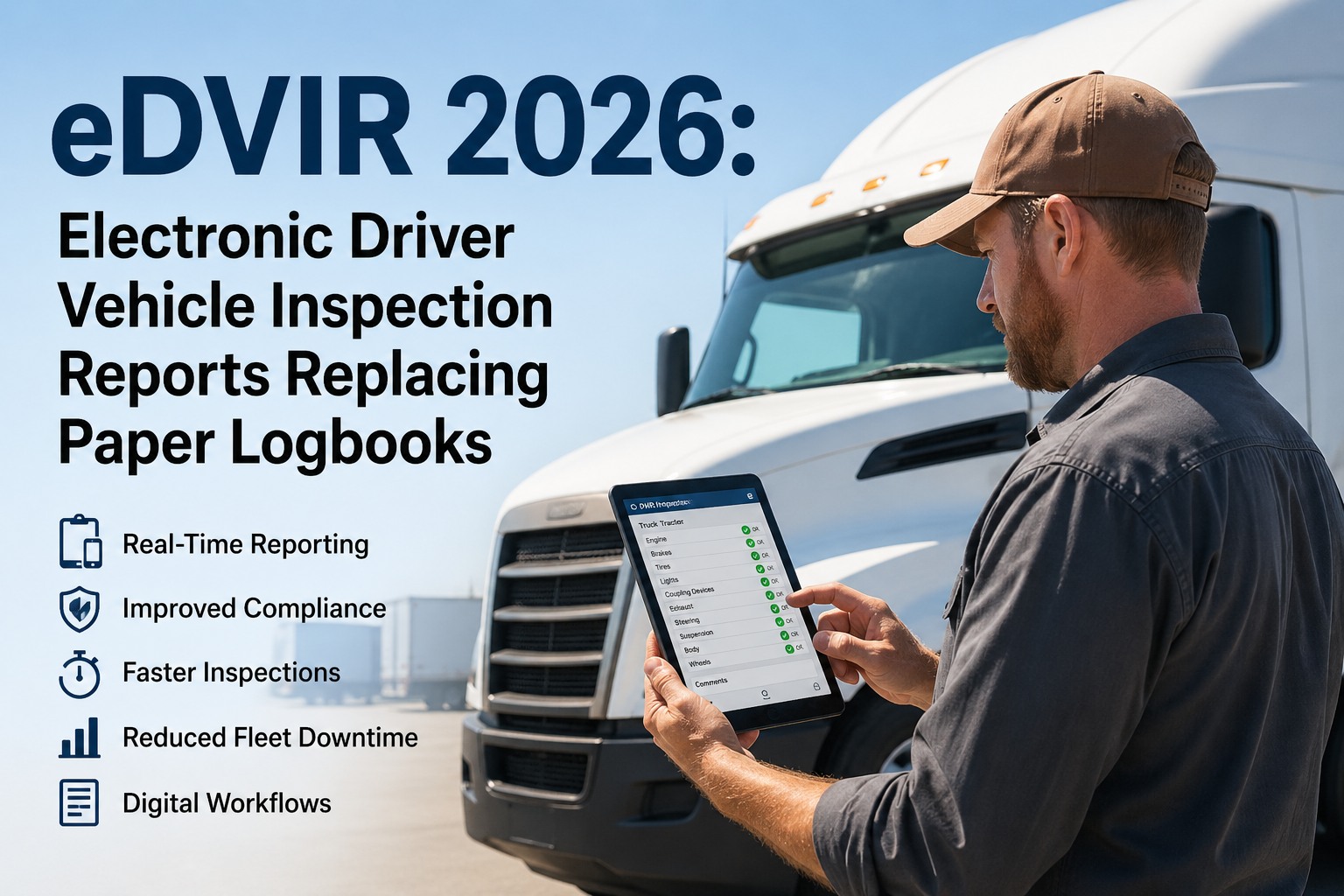
- Daily Vehicle Inspection Reports (DVIRs) stored digitally with photo documentation
- Drug and alcohol testing records with compliance monitoring
- Hours of service logs automatically validated through ELD integration
Instant Report Generation
When auditors arrive, fleet managers can now generate comprehensive compliance reports in minutes rather than scrambling to gather paper records. Fleet analytics software provides customizable reporting capabilities that address specific audit requirements and regulatory standards.
Simplify your audit preparation with automated documentation
Collect inspections, certifications, and training logs in one place—time-stamped and searchable.
See Documentation Flow
Cost Reduction and Resource Optimization
Beyond compliance benefits, government fleet analytics have delivered substantial cost savings and operational improvements. Data-driven insights enable fleet managers to identify inefficiencies and optimize resource allocation across their entire operation.
Fuel Management and Route Optimization
Fleet data analytics provide detailed insights into fuel consumption patterns, enabling government agencies to reduce fuel costs through route optimization and driver behavior monitoring. Real-time analytics can identify excessive fuel use and suggest adjustments that result in immediate savings.
Asset Utilization Analysis
Analytics tools track vehicle utilization rates, helping fleet managers identify underutilized assets that may be candidates for retirement or redeployment. This data-driven approach to fleet performance tracking ensures that taxpayer resources are used efficiently. Understanding which vehicles deliver the best ROI helps justify budget decisions to stakeholders. Sign up to track your fleet's asset utilization →
Enhanced Safety and Risk Management
Safety improvements represent another critical benefit of analytics-driven fleet management. Fleet safety analytics enable government agencies to identify and address risky driving behaviors before they result in accidents or violations.
Driver Behavior Monitoring
Modern telematics systems capture detailed data on driver behaviors including speeding, harsh braking, rapid acceleration, and excessive idling. This information enables targeted driver training programs and helps reduce liability risks.
Vehicle Safety Compliance
Heavy vehicle inspection software ensures that all vehicles meet safety standards through automated inspection scheduling and comprehensive maintenance tracking. This proactive approach helps prevent roadside violations and improves overall fleet safety scores. Digital tracking creates accountability and ensures no vehicle slips through the cracks. Book a demo to see safety compliance tracking in action →
Integration with Modern Fleet Management Ecosystems
Today's fleet maintenance analytics software doesn't operate in isolation. Instead, it integrates seamlessly with other fleet management tools to create comprehensive operational oversight.
ELD and Telematics Integration
Integration with Electronic Logging Devices (ELDs) and telematics systems provides a complete picture of fleet operations, from driver hours of service to vehicle performance metrics. This integrated approach ensures that all compliance requirements are met automatically.
Third-Party System Connectivity
Modern analytics platforms can integrate with existing government systems including HR, payroll, and accounting systems, eliminating data silos and improving operational efficiency.
Frequently Asked Questions
Transform your government fleet operations with advanced analytics
Convert fault codes and inspections into work orders—plan repairs before downtime happens.
Book a Demo
Learn more about heavy vehicle inspection and maintenance software solutions at www.heavyvehicleinspection.com