Inspection training is where fleet safety lives or dies. You can buy the best digital tools, hire experienced drivers, and build a bulletproof preventive maintenance schedule—but if drivers don't know what to look for, how to document it, or why it matters, defects slip through. The data confirms it: training is the single biggest factor in inspection consistency, and 80% of violations trace back to roughly 20% of drivers. With the 2026 CSA overhaul now splitting vehicle maintenance into driver-observed and technician categories, your drivers' inspection competence directly impacts your compliance scores for the first time. This guide breaks down how to build an inspection training program that drivers actually follow—and that measurably improves safety, compliance, and accountability.
Why Inspection Training Matters
Every fleet safety metric—CSA scores, out-of-service rates, accident frequency, maintenance costs—traces back to how thoroughly and consistently drivers perform inspections. Yet many fleets treat inspection training as a one-time onboarding checkbox rather than an ongoing competency program. The consequences show up in the data: the 2025 CVSA International Roadcheck found an 18.1% vehicle out-of-service rate and 5.9% driver out-of-service rate, with brake violations alone accounting for 41% of all vehicle OOS findings. Nearly all of those are items a trained driver would catch during a proper pre-trip.
Training Maturity Ladder
Where does your fleet's inspection training fall?
Drivers figure it out on their own. No standardized checklists, no documented procedures. Paper forms—if used at all—vary by location. High OOS rates, frequent surprises at roadside.
New hires get a walk-through during orientation. No refreshers, no follow-up. Skills degrade over months as shortcuts develop. Common in small fleets without a dedicated safety manager.
Written SOPs with a fixed inspection sequence. Quarterly or semi-annual refresher sessions. Safety meetings address seasonal hazards and common violations. Measurable improvement in compliance rates.
Inspection data feeds targeted coaching. Drivers with repeated misses get one-on-one ride-alongs. Digital tools guide workflows and flag incomplete inspections. Training adapts to each driver's weak points.
AI-assisted inspections, automated defect detection, and real-time quality scoring. Training is embedded in the workflow—not separate from it. Inspection accuracy exceeds 95%. OOS rates approach zero.
The new CSA scoring system makes this progression urgent. Under the February 2026 overhaul, Vehicle Maintenance now splits into two compliance categories: standard maintenance issues found during periodic inspections, and driver-observed defects—violations that a driver should reasonably catch during a walk-around. This means your drivers' pre-trip inspection competence directly feeds your safety scores. Fleets that invest in training will see the results in their CSA data; fleets that don't will see it in intervention letters.
Common Training Gaps
Most inspection training failures aren't about the absence of training—they're about the wrong kind. Drivers get told to "do a pre-trip" without learning what constitutes a defect, how to document findings, or what the consequences of missing items are. The result is inspections that happen on paper but don't catch problems in reality.
Identify training gaps before they become violations. Start your free trial of HVI's guided inspection platform — or book a demo to see how digital workflows standardize training.
Standardizing Inspection Procedures
Consistency is the foundation of inspection quality. When every driver follows the same sequence, checks the same items, and documents findings the same way, your fleet produces reliable data—and reliable compliance. Standardization doesn't limit experienced drivers; it ensures baseline competence across the entire roster, including new hires, temporary drivers, and seasonal staff.
Inspection Training Framework
Define the Standard
Train to Competence
Validate in the Field
Sustain Through Repetition
Ongoing Driver Coaching
Training teaches the skill. Coaching sustains it. The difference between fleets that maintain high inspection quality and those that regress after initial training is almost always the presence of an active coaching system—one that uses real data, provides timely feedback, and recognizes performance.
Coaching Feedback Loop
Digital inspection completion rates, time-per-inspection, photo counts, defect reports, and DVIR quality scores feed into a central dashboard.
Flag drivers who consistently complete inspections too fast, skip photo evidence, report zero defects, or miss items that technicians later find.
One-on-one sessions addressing specific weaknesses. Ride-alongs for persistent issues. Positive reinforcement for drivers showing improvement or catching critical defects.
Track whether coaching changes behavior: completion rates, defect detection accuracy, roadside inspection pass rates. Feed results back into the cycle.
Target the 20%
Violations follow the 80/20 rule—80% of problems come from 20% of drivers. Identify your repeat offenders through inspection data and focus coaching resources where they'll have the most impact on fleet-wide scores.
Coach in Real Time
Feedback delivered within 24 hours of an event is 4-5x more effective than feedback delivered weeks later during a quarterly review. Digital platforms that flag incomplete inspections enable same-day coaching conversations.
Recognize Top Performers
Positive reinforcement drives retention and sets benchmarks. Recognize drivers with clean inspection records, consistent DVIR completion, or critical defect catches. Incentives can be as simple as public recognition in safety meetings.
Use Driver Scorecards
Individual scorecards tracking inspection compliance rate, defect detection rate, average inspection time, and roadside pass rate give drivers ownership of their performance—and give managers a basis for objective conversations.
Turn inspection data into coaching insights. Start your free trial of HVI's driver performance tracking — or book a demo to see scorecards and compliance dashboards in action.
Using Digital Tools for Training
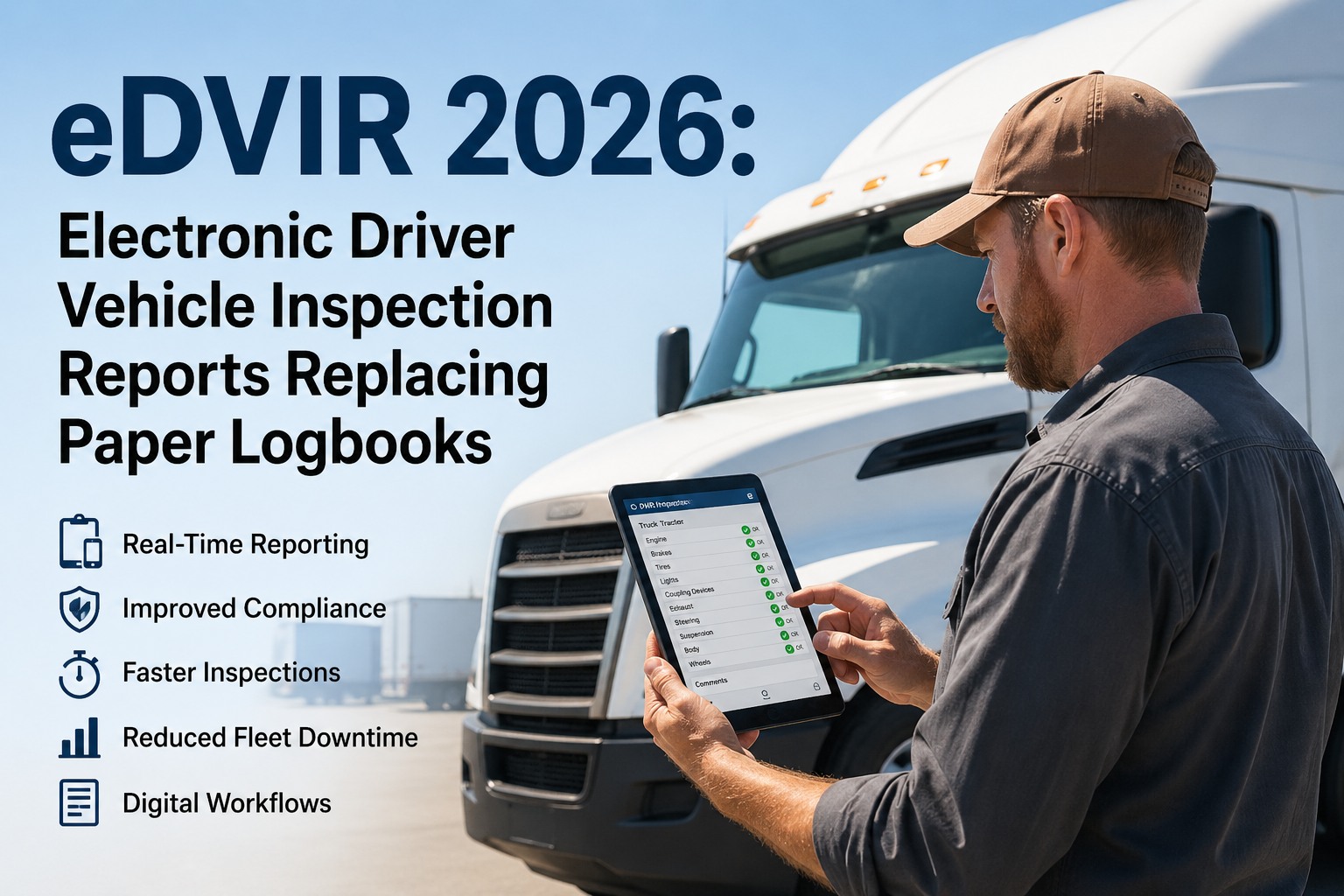
The most effective inspection training programs in 2026 don't just use digital tools to replace paper—they use them to teach. When the inspection platform itself guides drivers through the correct sequence, requires photo evidence at critical checkpoints, flags incomplete submissions, and tracks quality metrics over time, the tool becomes the training. Every completed inspection reinforces the standard.
The App Teaches the Process
Digital checklists walk drivers through the exact inspection sequence step by step. Required fields prevent skipping items. Pass/fail logic at each checkpoint forces a decision—not a rubber stamp. New drivers learn the correct procedure by doing the inspection itself, with the platform serving as their instructor.
Visual Verification Builds Accuracy
Required photo fields at critical checkpoints (tires, brakes, lights, coupling devices) teach drivers what to look at and create an auditable record. Over time, drivers internalize what a defect looks like because they're documenting visual evidence at every inspection. Photo-based inspections are now considered a 2026 best practice.
Automated Accountability
Digital platforms score each inspection based on completeness, time taken, photo count, and defect reporting patterns. Inspections completed in under 3 minutes get flagged. Zero-defect streaks over impossible timeframes trigger reviews. This creates a quality floor that paper checklists never provide.
Defects Trigger Immediate Action
When a driver reports a defect, the system automatically creates a work order, notifies maintenance, and prevents the vehicle from being dispatched until resolved. This closes the feedback loop between inspection and repair—drivers see that their findings actually result in action, which reinforces thorough reporting.
Building a Training Culture, Not Just a Training Program
The fleets that consistently pass roadside inspections, maintain low CSA scores, and avoid preventable accidents don't treat training as a box to check—they treat it as an ongoing operational discipline. Standardized procedures give drivers a baseline. Coaching sustains it. Digital tools enforce it. And the 2026 regulatory landscape, with its split Vehicle Maintenance scoring and data-driven oversight, rewards fleets that invest in driver competence more directly than ever before. Start with where your fleet falls on the maturity ladder, identify your biggest training gaps, and work upward—one phase at a time.
Train Smarter with HVI
HVI's digital inspection platform doesn't just collect data—it teaches your drivers the right way to inspect every time. Guided workflows, required photo evidence, quality scoring, and driver performance dashboards turn every inspection into a training opportunity.