How Often Should Fleets Perform Vehicle Inspections?

fleet-inspection-frequency

How often is often enough? It's a question every fleet manager wrestles with. Inspect too infrequently and you risk breakdowns, violations, and accidents. Inspect too often and you waste resources that could be deployed elsewhere. The answer lies in understanding regulatory minimums, industry best practices, and the specific demands of your operation. This guide breaks down inspection frequency requirements and helps you build a schedule that balances safety, compliance, and efficiency.

365
days per year requiring pre-trip inspections
12 mo
maximum interval between annual inspections
78%
of breakdowns preventable with proper frequency

Inspection Frequency Overview: The Complete Picture

Vehicle inspections aren't one-size-fits-all. Different inspection types serve different purposes, occur at different intervals, and catch different kinds of issues. Understanding this layered approach is essential to building an effective inspection program.

The Inspection Frequency Pyramid

Each layer builds on the one below, creating comprehensive coverage

Every Trip

Pre-Trip & Post-Trip Inspections

Driver-performed checks before and after each trip. Catches day-to-day changes and developing issues. Required by FMCSA for all CMVs.

Brakes Tires Lights Fluids Coupling
Weekly/Monthly

Preventive Maintenance Inspections

Scheduled checks based on mileage, hours, or calendar intervals. More thorough than daily checks, performed by maintenance staff.

Filters Belts Battery Suspension Exhaust
Quarterly/Semi-Annual

Comprehensive Safety Inspections

In-depth examination of all safety systems. Often includes road testing. Identifies wear patterns and predicts upcoming failures.

Frame Steering Drivetrain Electrical HVAC
Annual

DOT Annual Inspection

Federally mandated comprehensive inspection by qualified inspector. Results in inspection sticker/decal. Must be documented and retained.

All Systems Certification Documentation

Quick Reference: Inspection Frequency Requirements

Inspection Type
Frequency
Who Performs
Regulation
Pre-Trip
Before every trip
Driver
49 CFR 396.13
Post-Trip (DVIR)
After every trip
Driver
49 CFR 396.11
Preventive Maintenance
Per PM schedule
Technician
49 CFR 396.3
Annual (Periodic)
Every 12 months
Qualified Inspector
49 CFR 396.17

Daily Inspection Requirements: The Foundation

Daily inspections are the backbone of fleet safety. They're required by law, but more importantly, they catch 89% of mechanical failures before they become roadside emergencies. Understanding what "daily" really means—and what it requires—is critical. Start your free trial with HVI to streamline your daily inspection process with guided digital checklists.

Pre-Trip Inspection

BEFORE OPERATION
When Required:

Before the first trip of each day or shift. If a vehicle sits unused for more than 24 hours, a new pre-trip is required before operation.

15-20 minutes for thorough completion
Must Cover:
  • Service brakes and parking brake
  • Steering mechanism
  • Lighting devices and reflectors
  • Tires (inflation, tread, damage)
  • Horn and windshield wipers
  • Mirrors and emergency equipment
  • Coupling devices (if applicable)

Post-Trip Inspection (DVIR)

AFTER OPERATION
When Required:

At the completion of each day's work. The Driver Vehicle Inspection Report must document condition of specific components and any defects found.

10-15 minutes for thorough completion
Must Cover:
  • Service brakes and trailer brake connections
  • Steering mechanism
  • Lighting devices and reflectors
  • Tires
  • Horn and windshield wipers
  • Mirrors
  • Coupling devices
  • Wheels and rims
  • Emergency equipment

The Daily Inspection Workflow

1
Driver Arrives

Reviews previous DVIR for noted defects

2
Pre-Trip Check

Inspects all required components

3
Operate Vehicle

Notes any issues during operation

4
Post-Trip DVIR

Documents condition and defects

5
Defect Routing

Issues sent to maintenance

Streamline Your Daily Inspections

HVI's mobile app makes daily inspections faster and more thorough. Guided checklists, photo documentation, and instant defect routing keep your fleet compliant and safe.

Periodic & Annual Inspections: Beyond the Daily Check

While daily inspections catch immediate issues, periodic and annual inspections dig deeper—examining components that don't change day-to-day but degrade over time. These scheduled inspections are where you catch the brake wear, frame cracks, and suspension fatigue that daily checks miss.

Preventive Maintenance (PM) Inspections

By Mileage Every 10,000-25,000 miles
By Time Every 30-90 days
By Hours Every 250-500 engine hours
Typical PM Levels:
PM-A Basic: Oil, filters, fluids, visual inspection
PM-B Intermediate: PM-A + brakes, steering, suspension
PM-C Comprehensive: Full system inspection + road test

DOT Annual Inspection (49 CFR 396.17)

Frequency

At least once every 12 months

Who Can Perform

Qualified inspector (employee or third-party)

Documentation

Written report retained 14 months minimum

Proof Required

Decal/sticker on vehicle OR copy of report in vehicle

What the Annual Inspection Must Cover

The DOT annual inspection examines all safety-critical systems per Appendix G of 49 CFR Part 396:

01 Brake system (service, parking, emergency)
02 Coupling devices (fifth wheel, pintle hooks, drawbar)
03 Exhaust system
04 Fuel system
05 Lighting devices (all required lights/reflectors)
06 Safe loading (cargo securement)
07 Steering mechanism
08 Suspension
09 Frame
10 Tires and wheels
11 Windshield glazing
12 Windshield wipers
Timing Strategy: Schedule annual inspections 30-45 days before expiration. This buffer accounts for repair time if defects are found, preventing lapses in compliance. Many fleets align annual inspections with comprehensive PM-C services to minimize downtime.

Industry Best Practices: Going Beyond Minimums

Regulatory minimums establish the floor, not the ceiling. Top-performing fleets inspect more frequently and more thoroughly than required—because they've learned that proactive inspection pays dividends in reduced breakdowns, lower repair costs, and better CSA scores.

Regulatory Minimum
Pre-Trip Before first trip
Post-Trip End of day
PM Inspection Not specified
Annual Every 12 months
Brake Inspection With annual
Best Practice
Pre-Trip Before every trip
Post-Trip After every trip
PM Inspection Every 10-15K miles
Annual Every 10-11 months
Brake Inspection Every 30 days

Factors That Increase Inspection Frequency

Certain conditions warrant more frequent inspections than standard schedules:

Heavy Duty Cycles

Vehicles in construction, mining, or refuse operations face accelerated wear. Inspect brakes and suspension 2x more often.

Harsh Environments

Extreme cold, heat, dust, or salt exposure degrades components faster. Increase inspection frequency seasonally.

High Mileage

Vehicles exceeding 100,000 annual miles need shorter PM intervals. Time-based schedules don't account for accelerated wear.

Aging Fleet

Vehicles over 7 years or 500,000 miles require closer monitoring. Component failure rates increase with age.

Hazmat Transport

Vehicles carrying hazardous materials face higher scrutiny. Enhanced inspection protocols protect public safety.

Multiple Drivers

Vehicles operated by different drivers daily need more frequent checks. Varying driving styles accelerate wear patterns.

Optimize Your Inspection Schedule

HVI helps you build inspection schedules tailored to your fleet's specific needs. Track compliance, set automated reminders, and ensure nothing falls through the cracks.

Inspection Scheduling Tools: Managing Frequency at Scale

Tracking inspection schedules for a handful of vehicles is manageable with spreadsheets. But as fleets grow, manual tracking becomes a compliance liability. Modern inspection scheduling tools automate the complexity and ensure nothing slips through the cracks. Want to see how it works? Book a demo to explore HVI's scheduling and compliance features.

Manual Tracking

Relies on memory and calendar reminders
No automatic mileage-based triggers
Easy to miss inspections during busy periods
No visibility into fleet-wide compliance
Difficult to prove compliance during audits
Best For: Fleets under 10 vehicles

Digital Scheduling

Automated reminders before due dates
Mileage, hours, and time-based triggers
Dashboard shows upcoming and overdue inspections
Fleet-wide compliance visibility at a glance
Instant audit-ready documentation
Best For: Any fleet serious about compliance

What to Look for in Inspection Scheduling Software

Multi-Trigger Scheduling

Set inspections by date, mileage, or engine hours—whichever comes first

Automated Notifications

Email and mobile alerts before inspections come due

Compliance Dashboard

See fleet-wide status: compliant, due soon, overdue

Customizable Schedules

Different intervals for different vehicle types or duty cycles

Integration Capabilities

Connect with telematics for automatic mileage updates

Historical Tracking

Complete inspection history for each vehicle
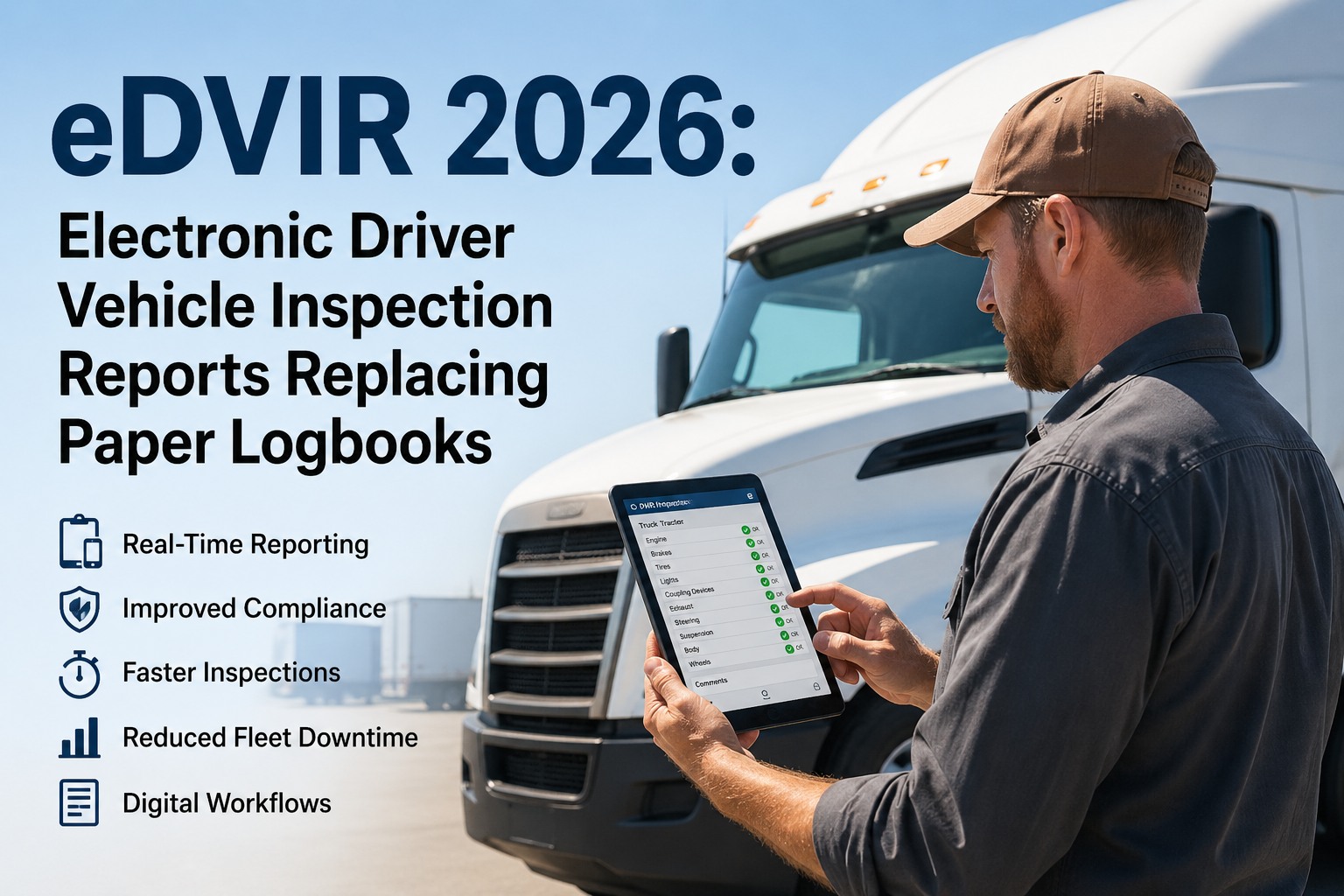
Sample Inspection Schedule: Long-Haul Tractor

Daily
Pre-Trip & Post-Trip DVIR
Every 15K mi
PM-A: Oil, filters, fluid check
Every 45K mi
PM-B: Brakes, steering, suspension
Every 90K mi
PM-C: Comprehensive + road test
Every 11 mo
DOT Annual Inspection

Never Miss an Inspection Again

HVI's scheduling tools keep your entire fleet on track. Automated reminders, compliance dashboards, and complete inspection history—all in one platform your team will actually use.

Frequently Asked Questions

How often are pre-trip inspections legally required?
Under 49 CFR 396.13, drivers must perform a pre-trip inspection before operating a commercial motor vehicle. This applies before the first trip of each day. If the same driver operates the vehicle for multiple trips throughout the day, a new pre-trip isn't required between each trip—but one thorough pre-trip must be performed before initial operation.
Can I perform annual inspections more frequently than required?
Absolutely. The 12-month requirement is a maximum interval, not a target. Many fleets perform "annual" inspections every 10-11 months to build in buffer time for repairs. Some high-mileage or high-risk operations inspect semi-annually. More frequent inspections improve safety and often reduce overall maintenance costs.
What happens if I miss an annual inspection deadline?
Operating a vehicle with an expired annual inspection is a violation of 49 CFR 396.17. If caught at a roadside inspection, the vehicle will likely be placed out of service until inspected. Fines can range from $1,000 to $10,000+ per violation. More importantly, it indicates a systemic compliance failure that may trigger a full DOT audit.
How do I determine the right PM inspection interval for my fleet?
Start with manufacturer recommendations, then adjust based on your operating conditions. Factors include duty cycle (line-haul vs. vocational), environment (climate, terrain), vehicle age, and historical failure data. Most fleets find 10,000-25,000 mile intervals work well, with shorter intervals for severe duty applications.
Do trailers require the same inspection frequency as tractors?
Trailers require daily driver inspections (pre-trip and post-trip DVIR) and annual DOT inspections just like tractors. However, PM inspection intervals may differ since trailers have fewer systems. Focus trailer PM inspections on brakes, tires, lights, and coupling devices—the most common failure points.
Should inspection frequency change seasonally?
Yes, for many fleets. Winter brings increased brake, battery, and tire issues. Summer heat affects cooling systems and tire pressure. Smart fleets add seasonal inspection checkpoints—a "winterization" inspection in fall and a "summer prep" inspection in spring—to catch weather-related issues proactively.

Share This Story, Choose Your Platform!

Start Free Trial Book a Demo