Fleet inspection audits can make or break your operation. With 94% of DOT audits resulting in violations and fines exceeding $27 million industry-wide in 2024, understanding what inspectors look for isn't optional—it's essential for survival. Whether you're facing your first audit or preparing for the next, this guide reveals exactly what auditors examine and how to pass with confidence.
Why Fleets Get Audited: Understanding the Triggers
DOT audits don't happen by chance. The Federal Motor Carrier Safety Administration (FMCSA) uses sophisticated data systems to identify high-risk carriers. In 2024, on-site comprehensive audits increased by 11%, with inspectors conducting more thorough investigations than ever before. Understanding what triggers an audit is your first line of defense.
High CSA Scores
Poor safety ratings in crashes, driver violations, or vehicle maintenance automatically flag your company. In 2021, high CSA scores triggered 75% of all carrier audits.
Serious Accidents
Fatal crashes or serious injuries almost guarantee an immediate audit. The DOT investigates to determine if non-compliance contributed to the incident.
Out-of-Service Violations
Each roadside inspection that results in out-of-service orders dramatically increases your audit risk. Clean roadside records are critical.
Safety Complaints
Employee complaints or public safety reports can trigger audits. In 2023, one carrier faced a $150,000 fine after a driver reported forced HOS violations.
What Inspection Records Auditors Review
When auditors arrive—often with just 48 hours notice for remote audits—they'll request specific documentation spanning months or even years. Missing or incomplete records are automatic violations. Here's exactly what they'll examine across the six BASIC categories:
Driver Qualification Files
What they review:
- Valid CDL with proper endorsements
- Medical Examiner's Certificate (current, not expired)
- Employment application and previous employer verification
- MVR reports from the past 3 years
- Annual driver license reviews
- Road test certificates or equivalents
Hours of Service Compliance
What they review:
- Six months of Electronic Logging Device (ELD) records
- Supporting documents (bills of lading, fuel receipts)
- ELD malfunction records and paper log backups
- Driver certification of ELD accuracy
- Compliance with 11-hour driving / 14-hour on-duty limits
Vehicle Maintenance & Inspection
What they review:
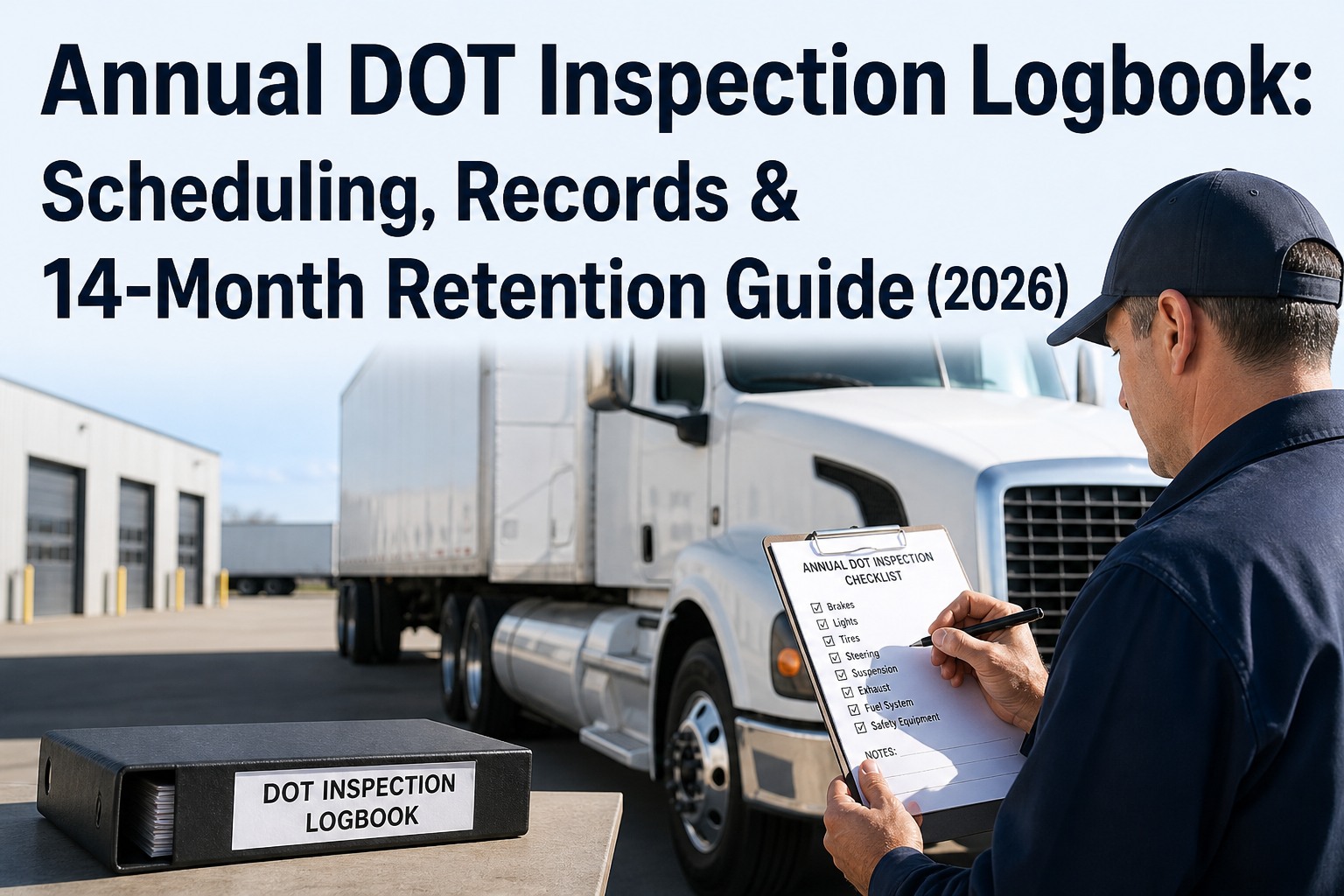
- Annual inspection reports (14 months minimum retention)
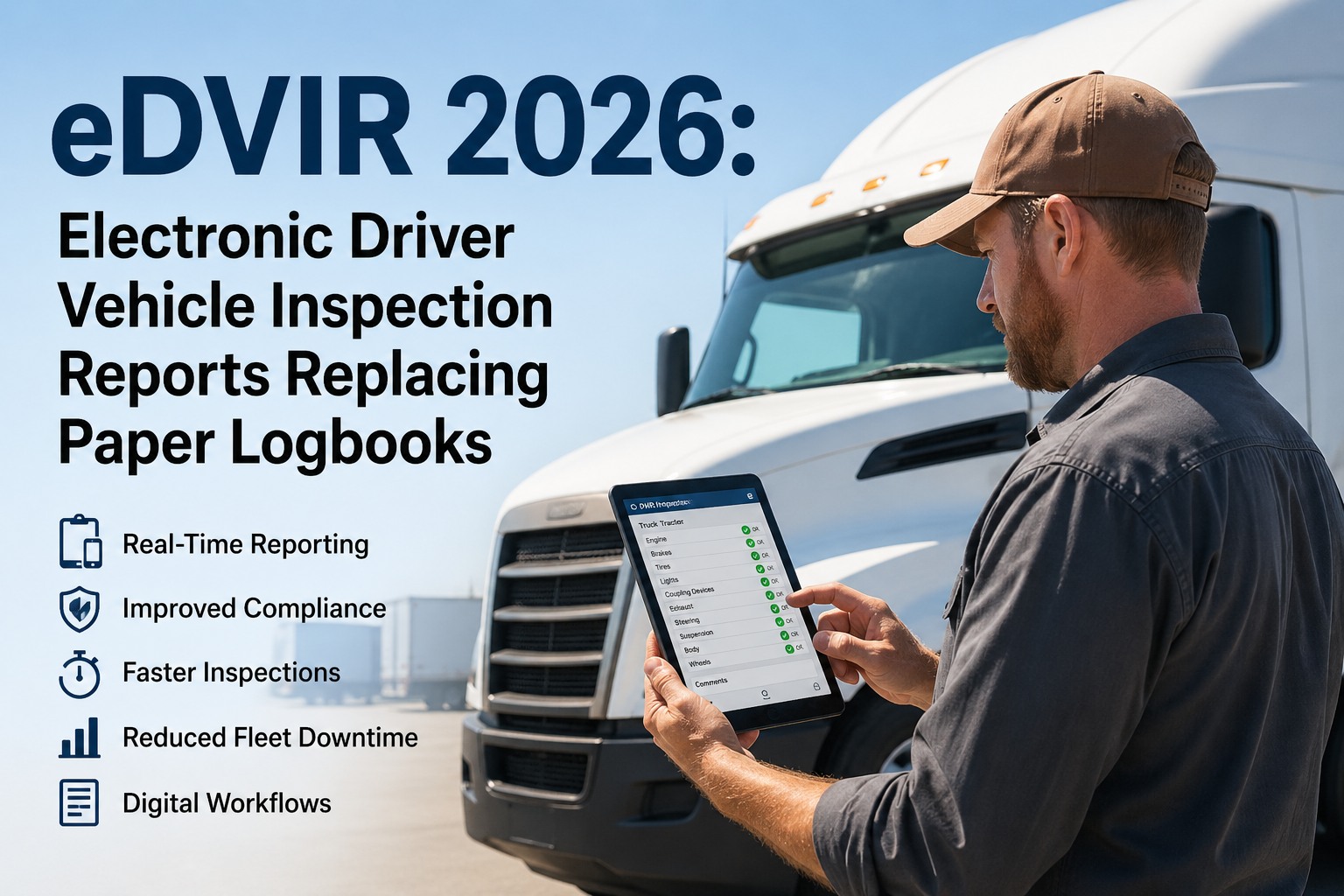
- Driver Vehicle Inspection Reports (DVIRs) for past 90 days
- Preventive maintenance schedules and records
- Repair documentation with mechanic certifications
- Proof that defects noted in DVIRs were corrected
Drug & Alcohol Testing Program
What they review:
- Written drug and alcohol testing policy
- Pre-employment testing records for all drivers
- Random testing pool (50% for drugs, 10% for alcohol annually)
- Post-accident and reasonable suspicion test records
- FMCSA Clearinghouse query documentation
- Return-to-duty protocols for positive tests
Accident Register & Reporting
What they review:
- Complete accident register for past 3 years
- Accident reports with date, location, fatalities/injuries
- Citations issued and their disposition
- Follow-up investigation documentation
- Corrective action plans implemented
Insurance & General Records
What they review:
- Current MCS-90 form proving adequate liability coverage
- Copy of Federal Motor Carrier Safety Regulations (FMCSR)
- HazMat endorsements and security plans (if applicable)
- New entrant documentation (if within 18 months)
- Previous audit corrective action plans
Auditor's Secret: The 10-Minute File Check
Experienced auditors can assess your compliance level within the first 10 minutes by requesting a random driver qualification file. If you can't produce it immediately with all required documents, they know they'll find more issues. Organization is just as critical as compliance.
Common Audit Red Flags That Trigger Violations
After analyzing thousands of audit results, certain red flags appear repeatedly. These aren't just minor oversights—they're the violations that result in fines, conditional ratings, or complete shutdowns. Here are the patterns that immediately alert auditors to deeper compliance issues:
Documentation Red Flags
Incomplete driver or mechanic signatures on inspection reports. Each DVIR requires 1-3 signatures depending on whether defects were found and repaired.
Drivers operating with lapsed medical cards. Certificates must be current and in the driver qualification file before operation.
Missing proof that vehicles received required annual DOT inspections. This is one of the most frequent violations.
Failing to contact previous employers within 30 days of hiring or missing safety performance history records.
Operational Red Flags
Consistent exceeding of 11-hour driving or 14-hour on-duty limits. Even a pattern of approaching limits raises scrutiny.
DVIRs showing defects marked "out of service" but no repair records or continued vehicle operation.
Failing to meet 50% annual random drug testing rate or 10% alcohol testing rate for the driver pool.
Not conducting pre-employment queries or annual queries on existing drivers as required since 2020.
Immediate Failure Red Flags
Allowing any driver to operate with a suspended, revoked, or canceled CDL. This results in automatic failure and significant fines.
Complete absence of a drug and alcohol testing program. This is an acute violation requiring immediate corrective action.
Any evidence of falsified logs, inspection reports, or maintenance records. Can result in fines up to $3,760 per violation.
Failure to maintain required insurance levels or missing MCS-90 documentation. Immediate shutdown risk.
Financial Impact of Common Violations (2024 Rates)
Preparing for Fleet Inspection Audits: Your 30-Day Action Plan
The difference between passing and failing a DOT audit often comes down to preparation. With offsite audits requiring document submission within 48 hours and on-site audits providing minimal advance notice, you can't afford to scramble. This proven 30-day framework ensures you're always audit-ready.
Audit Your Current State
- Pull 10 random driver qualification files - If you can't locate them in under 5 minutes each, your organization system needs immediate attention.
- Review your last 90 days of DVIRs - Check for missing signatures, incomplete repair documentation, and unsigned certifications.
- Verify ELD compliance - Ensure all drivers are properly trained, devices are functioning, and you have 6 months of clean records.
- Check insurance documentation - Confirm current MCS-90 form on file and coverage meets federal minimums.
- Identify gaps - Create a priority list of missing documents, expired certifications, and incomplete files.
Fix Critical Documentation Gaps
- Update expired medical certificates - Schedule exams for any drivers with certificates expiring in the next 90 days.
- Complete missing annual inspections - Schedule immediate inspections for any vehicles overdue (must have proof from last 14 months).
- Conduct outstanding drug tests - If you're below 50% random drug testing rate, schedule additional tests immediately.
- Query FMCSA Clearinghouse - Run required queries on all drivers if not done in the past 12 months.
- Organize physical or digital files - Implement a system where any document can be retrieved in under 2 minutes.
Implement Ongoing Compliance Systems
- Set up automated reminders - Create alerts for expiring medical cards (90 days out), annual inspections (30 days out), and license renewals.
- Establish DVIR review process - Assign specific personnel to review and sign off on all DVIRs within 24 hours.
- Create maintenance schedule - Document preventive maintenance intervals for all vehicles and track completion.
- Standardize driver qualification checklist - Ensure every new hire file contains all required documents before first dispatch.
- Train your team - Educate drivers on proper DVIR completion and dispatchers on compliance requirements.
Conduct a Mock Audit
- Simulate an offsite audit - Give yourself 48 hours to compile all required documentation electronically.
- Request documents randomly - Ask someone unfamiliar with your system to request specific files and time retrieval.
- Review for completeness - Check each document against FMCSA requirements—missing signatures count as violations.
- Calculate your CSA score - Review your SMS data and identify areas above intervention thresholds.
- Document your process - Create a "Day of Audit" procedure manual so anyone can respond efficiently.
Once a quarter, run an unannounced internal audit. Have a manager from another department request all documentation with just 48 hours notice—exactly like a real offsite audit. If you can't deliver complete, organized files electronically within this timeframe, you're not ready. This drill also trains your team to respond calmly under pressure when the real audit call comes.
Reducing Your Fleet Audit Risk: Long-Term Strategies
Being audit-ready isn't just about scrambling before inspections—it's about building a culture of continuous compliance that reduces your audit risk altogether. Fleets with strong safety management systems face fewer audits and pass them more easily when they occur.
Monitor Your CSA Scores Continuously
Your Compliance, Safety, Accountability (CSA) score is the #1 predictor of audit risk. In 2021, high CSA scores triggered 75% of all audits. Check your SMS data monthly and address any BASIC categories approaching intervention thresholds immediately.
- Review SMS snapshot reports monthly
- Address violations within 48 hours is occurrence
- Implement corrective action for patterns
- Track improvements quarter-over-quarter
Embrace Digital Record Management
Paper-based systems are audit disasters waiting to happen. With 400% increase in offsite audits requiring electronic submission within 48 hours, digital compliance management isn't optional—it's survival. Fleets using digital systems complete audits 60% faster.
- Digitize all driver qualification files
- Implement electronic DVIR systems
- Use cloud-based document storage
- Enable mobile access for drivers and auditors
Invest in Driver Training & Safety Culture
Educated drivers are compliant drivers. Regular training on HOS regulations, proper DVIR completion, and pre-trip inspection procedures reduces violations at the source. Companies with quarterly safety training have 40% fewer roadside violations.
- Conduct quarterly compliance refresher training
- Review ELD proper usage annually
- Provide DVIR completion guides in vehicles
- Recognize and reward clean inspection records
Maintain Proactive Vehicle Maintenance
Vehicle maintenance violations are among the most common audit findings. A documented preventive maintenance program demonstrates commitment to safety and prevents the cascade of violations that occur when maintenance records are incomplete.
- Schedule preventive maintenance based on mileage/hours
- Keep 14+ months of annual inspection records
- Document all repairs with mechanic signatures
- Address DVIR defects before next dispatch
Conduct Regular Internal Audits
Find problems before auditors do. Quarterly internal audits using the same criteria as FMCSA compliance reviews let you fix issues proactively. Companies conducting monthly internal audits have 70% fewer violations during official audits.
- Schedule quarterly self-audits on calendar
- Use official FMCSA audit checklists
- Randomly sample driver files and vehicle records
- Document findings and corrective actions
Stay Updated on Regulatory Changes
FMCSA regulations evolve continuously. The 2024 Drug & Alcohol Clearinghouse updates that took effect November 18th caught many fleets unprepared. Subscribe to FMCSA alerts and maintain a current copy of FMCSRs to avoid compliance gaps from outdated knowledge.
- Subscribe to FMCSA email updates
- Review regulation changes quarterly
- Update internal policies within 30 days of changes
- Train team on new requirements immediately
Audit Success Indicators
Turn Audit Anxiety Into Audit Confidence
Heavy Vehicle Inspection eliminates the panic of last-minute audit preparation. Our platform keeps your entire compliance program organized, current, and accessible 24/7—so you're always ready when auditors call.
Join 1,000+ fleets who passed their last audit with zero critical violations