Fleet downtime is more than an inconvenience—it's a direct hit to your bottom line. With unplanned downtime costing $448 to $760 per vehicle per day, and fleets averaging 8.7 days of unplanned downtime per vehicle annually, the financial impact adds up fast. But here's what many fleet managers don't realize: 78% of downtime originates from deferred maintenance and preventable failures. Understanding what causes downtime—and how systematic inspections prevent it—is the key to keeping your fleet on the road and profitable.
What Causes Fleet Downtime?
Fleet downtime falls into two categories: planned (scheduled maintenance) and unplanned (breakdowns). While planned downtime is necessary and manageable, unplanned downtime is where the real costs hide. Here are the leading causes:
Mechanical Failures
35% of breakdownsEngine, transmission, and drivetrain failures account for the largest share of unplanned downtime. These failures are often the result of small issues—low fluid levels, worn belts, overheating—that weren't caught early.
Brake System Problems
FMCSA reports brake issues cause 29% of large truck crashes. Worn pads, air leaks, and out-of-adjustment brakes lead to both safety violations and unplanned shop time.
Tire Failures
Blowouts, underinflation, and tread wear are among the most preventable—yet most common—causes of roadside breakdowns. Tire issues alone cause 49,000 truck accidents annually.
Cooling System Failures
Overheating from coolant leaks, failed thermostats, or blocked radiators can cause catastrophic engine damage if not caught quickly during routine inspections.
Battery & Electrical
Dead batteries and charging system failures are leading causes of no-starts. A $150 battery replacement beats a $700 roadside service call every time.
Inspection Gaps That Cause Breakdowns
Most fleets have inspection processes. The problem isn't the absence of inspections—it's the gaps that let issues slip through:
Rushed Pre-Trip Inspections
Time pressure turns 15-minute inspections into 5-minute walk-arounds. Drivers check boxes without actually checking components. Studies show 43% of vehicles have critical issues missed on paper checklists.
Paper-Based DVIRs
Paper forms get lost, filled out incompletely, or "pencil whipped." Without digital accountability, there's no way to verify inspections are thorough or that defects get addressed.
No Driver-to-Shop Connection
Drivers report issues verbally, on sticky notes, or at end-of-shift. By the time maintenance hears about a problem, it may have worsened—or the context is lost entirely.
Inconsistent Standards
"Check brakes" means different things to different people. Without clear pass/fail criteria and measurement standards, inspection quality varies wildly between drivers and shifts.
Maintenance Delays That Multiply Costs
Even when inspections catch issues, delays in addressing them turn minor repairs into major failures:
Minor Issue Detected
$50-$200Brake pads showing wear, tire pressure low, small fluid leak spotted during inspection.
Issue Worsens
$300-$800Brake pads wear into rotors, tire develops bulge, fluid leak causes component damage.
Breakdown Occurs
$2,000-$10,000+Brake failure, tire blowout, or engine damage. Vehicle stranded, towing required, emergency repair.
Why Maintenance Gets Delayed
Critical parts now carry 16+ week lead times. Vehicles sit idle waiting for components that should have been ordered earlier.
TMC reports technician scarcity as the #1 maintenance concern. Backlogged shops mean slower turnaround even when parts are available.
Without data on issue severity and vehicle criticality, maintenance teams can't triage effectively. Urgent repairs get queued behind routine work.
Short-term cost savings from deferred maintenance create long-term expense. Skipping one PM cycle increases breakdown rates by 23% within 6 months.
Stop Letting Small Issues Become Big Problems
HVI connects inspection findings directly to maintenance workflows—so defects get fixed before they cause breakdowns.
Data Visibility Issues
You can't prevent what you can't see. Lack of visibility into fleet health, maintenance status, and inspection findings is a hidden driver of downtime:
- Maintenance data scattered across spreadsheets, paper, and email
- No real-time view of vehicle status or repair queue
- Can't identify recurring failure patterns
- Inspection history buried in filing cabinets
- Reactive decision-making based on memory
- Surprises during audits and inspections
- Centralized system with all maintenance data in one place
- Real-time dashboards showing vehicle health and status
- Trend analysis identifies problem vehicles and components
- Digital inspection records instantly searchable
- Data-driven prioritization of repairs
- Audit-ready documentation always available
Key Visibility Metrics That Prevent Downtime
Downtime Prevention Strategies
Reducing fleet downtime isn't about working harder—it's about building systems that catch problems early and ensure they get fixed. Here's what works:
Implement Consistent Daily Inspections
A thorough pre-trip inspection catches 90% of issues that would fail a DOT inspection. Make inspections non-negotiable with standardized checklists and clear pass/fail criteria.
Go Digital with DVIRs
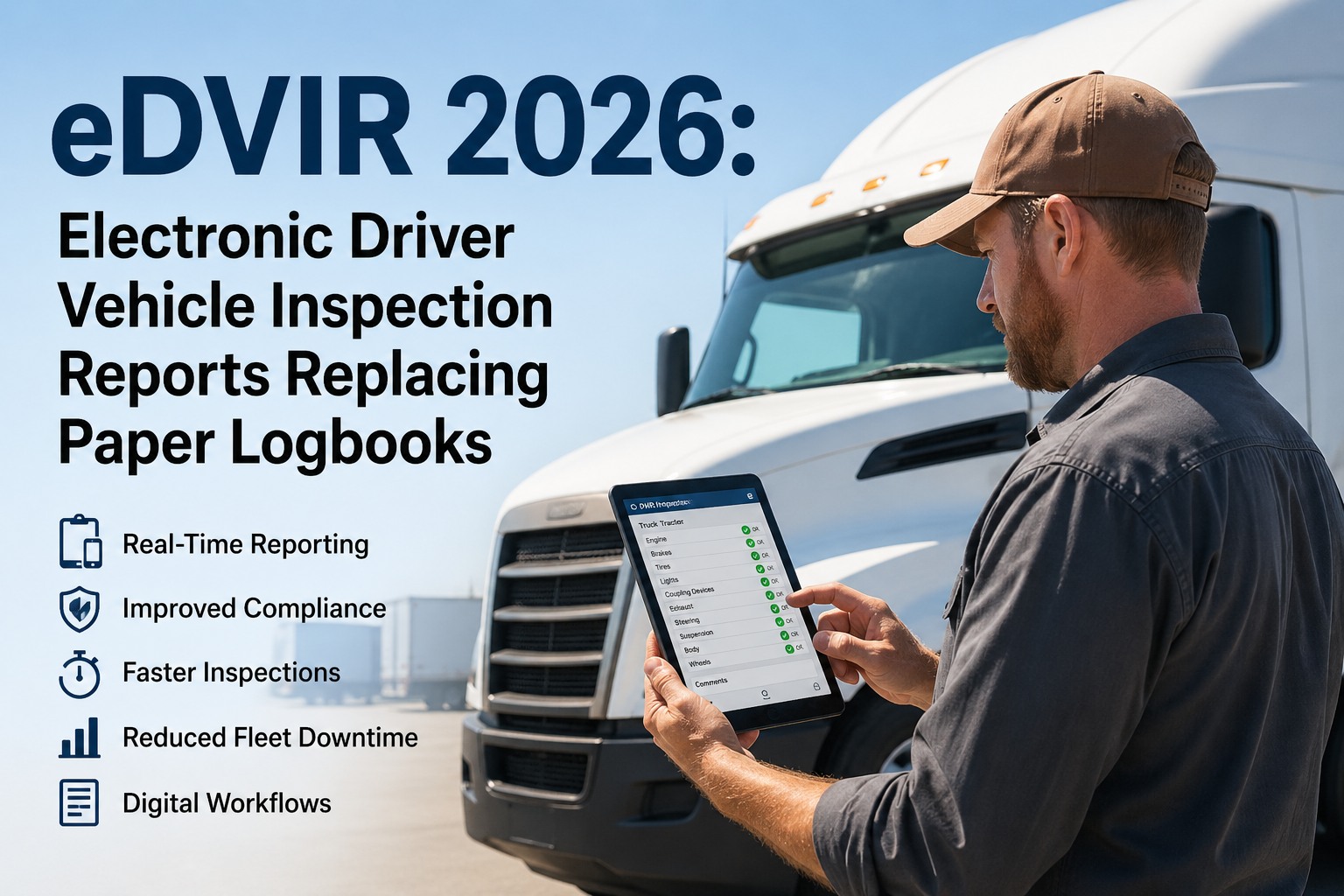
Replace paper with mobile inspection apps. Digital DVIRs ensure completion, require photos for failed items, timestamp everything, and automatically route defects to maintenance.
Create Inspection-to-Repair Workflow
Failed inspection items should automatically generate work orders with all context (photos, notes, vehicle history). No more lost handoffs between drivers and shop.
Schedule PM Based on Actual Usage
Time-based intervals miss the mark for vehicles with variable usage. Track mileage and engine hours to trigger PM when it's actually needed—not on arbitrary calendars.
Track and Analyze Failure Patterns
Use maintenance data to identify which vehicles, components, and conditions cause the most downtime. Target your prevention efforts where they'll have the biggest impact.
What Effective Downtime Prevention Looks Like
Ready to Reduce Your Fleet Downtime?
See how HVI helps fleets catch issues before breakdowns with digital inspections, automatic defect tracking, and maintenance workflow automation.