A single missed brake defect during a pre-trip inspection can cost your fleet $29,980 in daily fines, trigger an out-of-service order, and expose your company to nuclear verdict lawsuits. Yet during the 2024 CVSA International Roadcheck, nearly 1 in 4 commercial vehicles failed inspection — with defects that a thorough pre-trip should have caught. The root cause is not complicated equipment or unclear regulations. It is an accountability gap between what drivers are required to do and what actually happens in the yard every morning. This article breaks down who is legally responsible for pre-trip inspections, how penalties are split between drivers and carriers, and proven strategies to build a fleet culture where every inspection is real, verifiable, and complete. If you manage a fleet or drive a CMV, this is the accountability framework you need to know. Start building inspection accountability with HVI.
Who Is Responsible for Pre-Trip Inspections?
The short answer is the driver. Under 49 CFR 392.7, a commercial motor vehicle cannot be driven unless the driver is satisfied that all parts and accessories are in good working order. This is a federal mandate — not a company policy suggestion — that places inspection responsibility squarely on the person behind the wheel. The driver must personally perform the inspection, report any defects immediately to the carrier, verify that previously reported defects were repaired, and sign off before operating the vehicle.
But the driver does not carry this responsibility alone. A chain of accountability connects the driver, the carrier, and the maintenance team — and when any link breaks, compliance falls apart.
The Chain of Inspection Responsibility
Must personally verify the vehicle is roadworthy before each trip. Cannot delegate this duty. Signs off that the vehicle is safe to operate.
Must maintain vehicles in safe operating condition, repair reported defects before dispatch, and certify completed repairs on the DVIR.
Must fix reported defects, sign off on completed work, and close the repair loop before the next driver takes the vehicle.
The next driver taking over a vehicle must also review the prior DVIR and acknowledge that repairs were made — creating a continuous chain of accountability from shift to shift. When this chain works properly, defects get caught early, repaired promptly, and documented thoroughly. When it breaks down, vehicles with known safety issues end up on the road. Sign up for HVI to digitize this chain and ensure nothing falls through the cracks.
Legal vs. Company Accountability: Who Gets the Penalty?
Under FMCSA regulations, both the driver and the motor carrier can be held liable for inspection failures — but for different reasons. Understanding this split is critical for anyone managing fleet compliance or driving a CMV professionally.
Driver Is Liable When
Roadside citations, CDL points, out-of-service orders, personal fines, and potential CDL disqualification
Carrier Is Liable When
Fines up to $29,980/day, CSA score damage, Unsatisfactory safety ratings, insurance hikes, loss of operating authority
5 Accountability Issues That Put Fleets at Risk
Knowing the rules is one thing. Enforcing them consistently across a fleet of drivers is another challenge entirely. These are the most common accountability breakdowns that lead to violations, accidents, and failed audits.
Pencil Whipping
Drivers mark every item OK without actually inspecting. With paper forms, there is no way to prove whether the inspection happened. During the 2024 Roadcheck, 23% of vehicles had OOS violations that a real pre-trip would have caught.
Broken Repair Loop
A driver reports a defect, but it never reaches maintenance — or the repair is completed but never certified before the next driver takes the vehicle. This gap between reporting and resolution is where safety failures happen most.
No Verification System
Without timestamps, GPS data, or photo evidence, fleet managers have no way to verify that inspections actually occurred. This creates a culture where skipping inspections carries no consequences — until an accident or audit happens.
Time Pressure Culture
When drivers feel pressured to hit the road fast, inspections become the first thing they cut short. If company culture treats inspections as a checkbox formality rather than a safety requirement, genuine accountability will always be an uphill battle.
Inconsistent Training
Drivers do not know what to look for or how deep to inspect each component. Without standardized training and guided checklists, inspection quality varies wildly — and so do defect detection rates across the fleet.
6 Proven Strategies to Improve Inspection Ownership
The most compliant fleets do not rely on threats or punishment to enforce pre-trip accountability. They build systems that make thorough inspections easy, fast, and verifiable. Here are six strategies that consistently deliver results.
Go Digital with Guided Checklists
Replace paper forms with digital inspection checklists that guide drivers step-by-step through every required check. Required fields mean nothing gets skipped.
Require Photo Documentation
When drivers capture photos of tire tread, fluid levels, and brake components, it eliminates any ambiguity about whether the inspection was real. Photos give maintenance teams visual context for accurate repairs.
GPS and Time Verification
Automatic GPS tagging and timestamps eliminate backdating and fabrication. If a 37-item checklist is completed in 90 seconds from the wrong location, managers know immediately it was not genuine.
Automate the Repair Loop
When a defect is reported, the system automatically generates a work order, notifies maintenance, tracks the repair, and requires sign-off. See how HVI automates this workflow.
Track Completion in Real Time
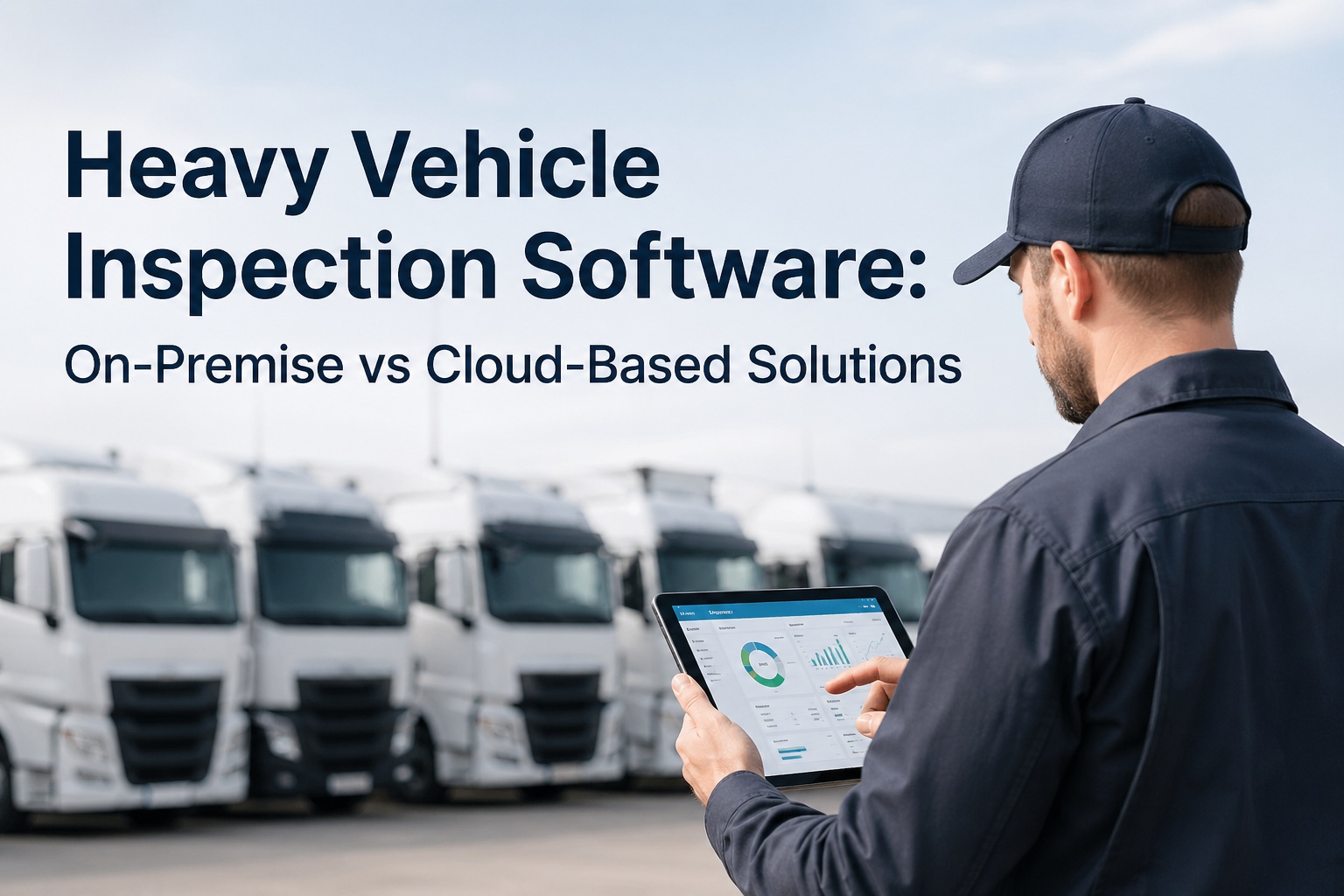
Live dashboards showing which drivers completed inspections, who skipped them, and which vehicles are uninspected let managers intervene before a problem truck leaves the yard.
Recognize Thoroughness
Drivers who consistently catch defects should be recognized. When thorough inspections are rewarded, you shift the culture from rushing out the gate to making sure the vehicle is safe first.
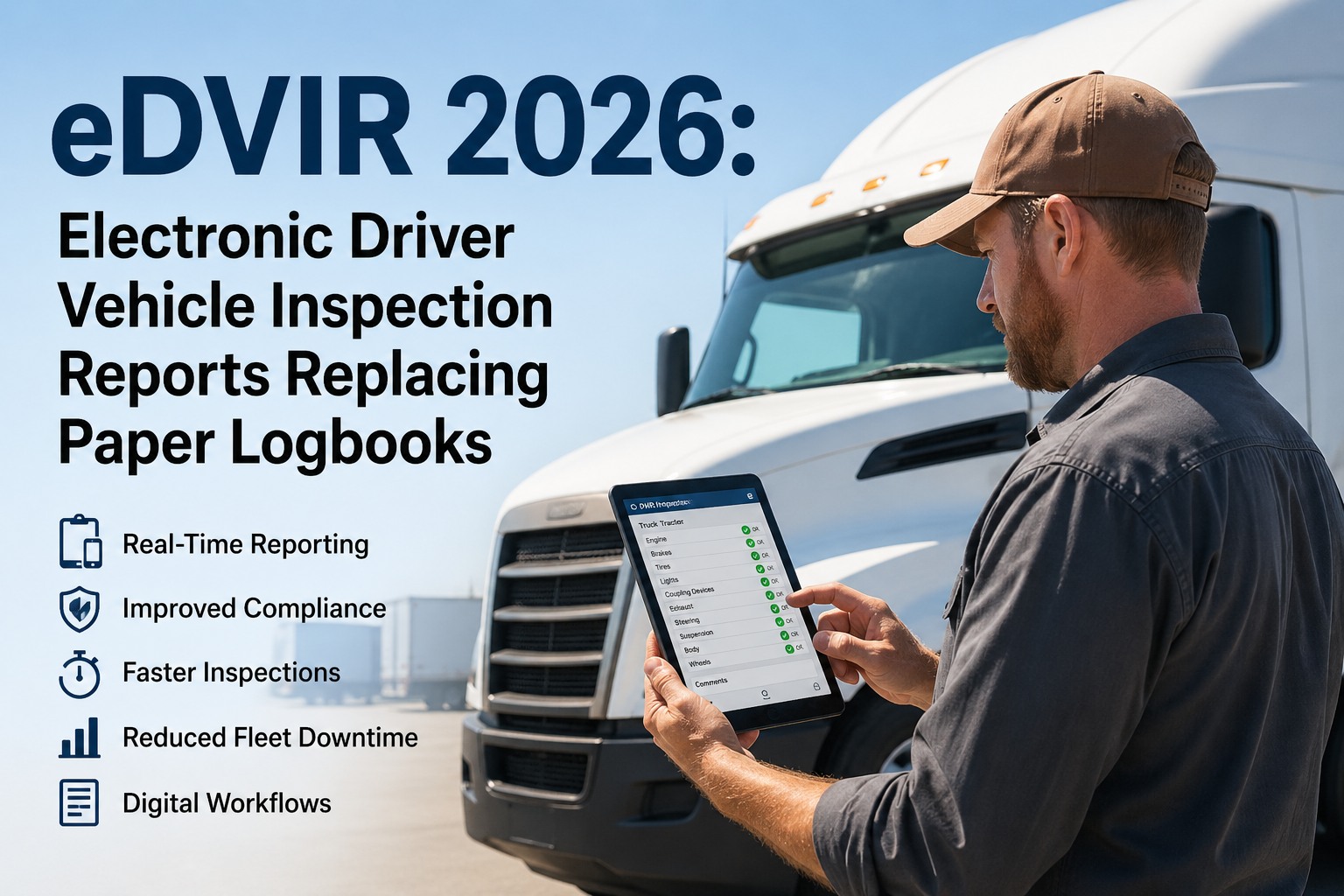
Paper vs. Digital: Tracking Inspection Completion
Accountability without visibility is meaningless. Fleet managers need real-time data to ensure every vehicle is inspected before it leaves the yard. Here is what a proper digital tracking system delivers compared to the paper alternative.
Paper Tracking
HVI Digital Tracking
When drivers know their inspection data is tracked and thoroughness is valued, accountability becomes self-reinforcing. No one wants to be the driver whose 90-second inspection shows up on the fleet dashboard. Explore HVI analytics and reporting to see how visibility transforms compliance.