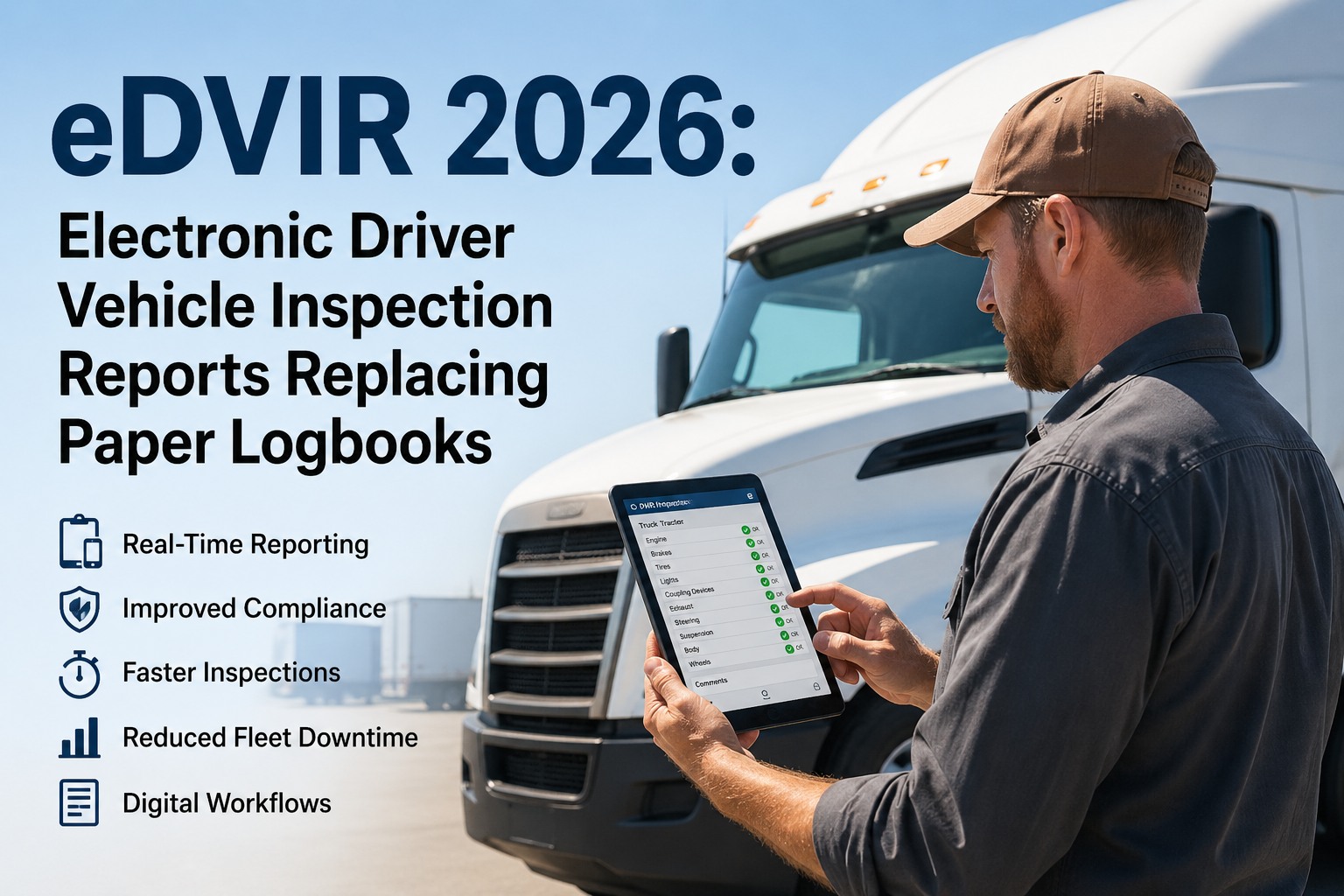
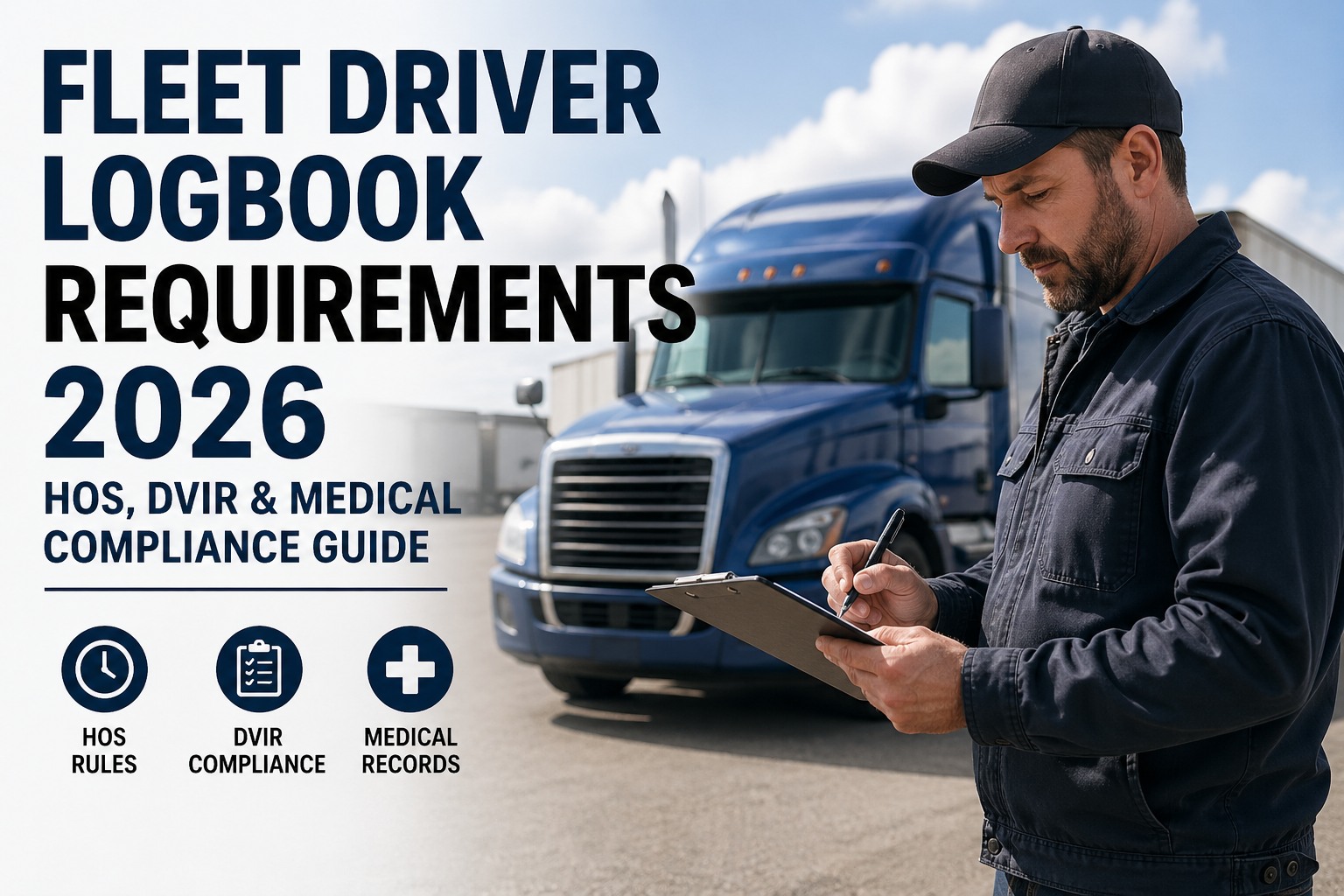
Every commercial driver is personally responsible for the safety of their vehicle. Under federal law, you cannot operate a CMV unless you are "satisfied that its parts and accessories are in good working order." This isn't a suggestion—it's a legal requirement that makes drivers the first line of defense against mechanical failures, roadside violations, and preventable accidents. This guide breaks down exactly what drivers are responsible for, what the law requires, common mistakes that lead to violations, and how fleets can support drivers in meeting these obligations. Start simplifying driver inspections with HVI.
The Driver's Role in Vehicle Inspections
Drivers aren't just operators—they're the eyes and ears of fleet safety. No one spends more time with a vehicle than the driver, which is why federal regulations place inspection responsibility squarely on their shoulders. Understanding commercial vehicle inspection requirements is essential for every CDL holder.
The Core Principle
"A vehicle may not be driven unless the driver is satisfied that its parts and accessories are in good working order."
— 49 CFR 392.7Pre-Trip Inspection
Before operating any CMV, drivers must conduct a thorough inspection to verify the vehicle is safe and roadworthy. This is the driver's personal verification that they're satisfied with the vehicle's condition.
Post-Trip Inspection
At the completion of each day's work, drivers must inspect the vehicle and report any defects discovered during operation. This ensures the next driver or shift starts with a safe vehicle.
En-Route Monitoring
Drivers must remain alert to vehicle condition throughout operation. Any defects discovered during driving must be reported and—if safety-critical—addressed before continuing.
Previous DVIR Review
Before operating, drivers must review the previous driver's DVIR to see if defects were reported. If defects were listed, the driver must verify repairs were completed and certified.
Required Inspection Components
Under 49 CFR 396.11, drivers must inspect the following components and report any defects. For a complete walkthrough, see our pre-trip inspection checklist:
Braking System
- Service brakes (all axles)
- Parking brake
- Trailer brake connections
- Air lines and pressure
- Brake chambers
Steering & Suspension
- Steering mechanism
- Steering linkage
- Power steering fluid
- Suspension components
- Leaf springs/shocks
Tires & Wheels
- Tire condition/inflation
- Tread depth
- Lug nuts
- Wheel seals
- Rims for damage
Lighting & Electrical
- Headlights
- Tail lights
- Turn signals
- Brake lights
- Reflectors/markers
Coupling Devices
- Fifth wheel
- Pintle hooks
- Drawbar/tongue
- Safety chains
- Locking mechanisms
Safety Equipment
- Horn
- Windshield wipers
- Mirrors
- Fire extinguisher
- Reflective triangles
Legal Responsibilities Under DOT Regulations
Driver inspection responsibilities aren't just company policy—they're federal law. Understanding the specific regulations helps drivers know exactly what's required and what penalties they face for non-compliance. Learn more about DOT compliance requirements.
Equipment, Inspection and Use
What It Says: A vehicle may not be driven unless the driver is satisfied that its parts and accessories are in good working order.
Driver Obligation: You must personally verify the vehicle is safe before operating. This isn't delegable—it's your responsibility.
Driver Vehicle Inspection Reports (DVIR)
What It Says: Drivers must prepare a written report at the completion of each day's work on each vehicle operated.
Driver Obligation: If defects are discovered, you must document them on a DVIR. Property-carrying CMV drivers only need to submit DVIRs when defects are found.
Driver Inspection (Pre-Trip)
What It Says: Before driving, the driver shall be satisfied the vehicle is in safe operating condition, review the last DVIR, and sign the report if defects were noted.
Driver Obligation: Review the previous DVIR, verify repairs were made if defects were listed, and sign acknowledging the review.
Roadside Inspections
What It Says: Officers may inspect vehicles at any time, and drivers must deliver roadside inspection reports to carriers within 24 hours.
Driver Obligation: Cooperate with inspectors, provide required documentation, and deliver any inspection reports received to your carrier promptly.
Penalties for Non-Compliance
These penalties apply to drivers, not just carriers. Drivers can be held personally responsible for inspection violations.
Driver vs. Carrier Responsibilities
Driver Responsibilities
- Conduct pre-trip and post-trip inspections
- Be satisfied vehicle is safe before operating
- Report all defects discovered
- Review previous DVIR before operating
- Verify repairs were completed
- Sign and submit DVIRs
- Refuse to operate unsafe vehicles
- Deliver roadside inspection reports within 24 hours
Carrier Responsibilities
- Repair reported defects before dispatch
- Certify repairs on the DVIR
- Retain DVIRs for 3 months
- Maintain systematic inspection program
- Ensure annual inspections are current
- Provide training and tools for drivers
- Never dispatch unsafe vehicles
- Return signed roadside inspection reports within 15 days
Simplify Driver Inspections
HVI's mobile inspection app guides drivers through every required component with photo documentation and instant defect routing to maintenance.
Start Free Trial Book a DemoCommon Driver Inspection Errors
Understanding what goes wrong helps drivers avoid the mistakes that lead to violations, accidents, and penalties. These are the errors inspectors see most often—and how to prevent them. Review our guide on avoiding common inspection violations.
"Pencil Whipping"
What It Is: Checking boxes without actually inspecting—filling out forms from the driver's seat without walking around the vehicle.
Why It Happens: Time pressure, complacency, belief that "the truck was fine yesterday."
Skipping Inspections Entirely
What It Is: Not performing pre-trip or post-trip inspections at all—assuming the vehicle is fine without checking.
Why It Happens: Running late, assuming previous driver checked, not understanding legal requirements.
Failing to Review Previous DVIR
What It Is: Starting a trip without checking whether the previous driver reported defects or whether repairs were completed.
Why It Happens: Forms not available, rushed departure, not knowing this is required.
Incomplete Defect Reporting
What It Is: Noting a defect but providing vague or incomplete descriptions that don't give maintenance enough information.
Why It Happens: Rushing, not knowing what details are needed, illegible handwriting on paper forms.
Missing Critical Components
What It Is: Inspecting some items but skipping others—checking tires but not brakes, checking lights but not coupling devices.
Why It Happens: No systematic process, unfamiliarity with all required components.
Not Knowing What to Look For
What It Is: Looking at components without knowing what constitutes a defect—checking tire tread without knowing minimum requirements.
Why It Happens: Inadequate training, no visual references, unclear standards.
2025 Roadcheck: Top Driver Violations
Source: CVSA 2025 International Roadcheck (56,178 inspections)
2025 Roadcheck: Top Vehicle Violations
These are the defects drivers should have caught during pre-trip inspections:
Training & Accountability
Knowing what to inspect means nothing without knowing how to inspect and being held accountable for doing it right. Effective training and clear accountability systems transform inspection compliance from a checkbox exercise into genuine safety practice.
The Four Pillars of Driver Inspection Training
Know What to Check
Drivers need detailed knowledge of every inspection component—not just where to look, but what constitutes a defect.
- Minimum tire tread depths by position
- Brake adjustment indicators
- Acceptable vs. worn steering components
- Proper coupling device engagement
Follow a Systematic Process
Random spot-checking misses things. Drivers need a consistent walk-around pattern that ensures every component is checked.
- Start at same point every inspection
- Move clockwise/counterclockwise consistently
- Use checklist (paper or digital)
- Never skip items, even if "checked yesterday"
Document Properly
Finding a defect means nothing if it's not communicated clearly to maintenance. Training should cover how to describe defects.
- Specific location (which axle, which tire)
- Description of issue (not just "brake problem")
- Severity indication
- Photos when available
Understand the Stakes
Drivers who understand why inspections matter—legally, financially, and for their own safety—take them more seriously.
- Personal liability for violations
- Accident prevention
- Career protection (CSA scores follow drivers)
- Avoiding roadside delays and OOS orders
Building Driver Accountability
Driver Scorecards
Track inspection completion rates, defect discovery rates, and time spent on inspections. Share results so drivers see how they compare.
Photo Documentation
Require photos at key inspection points. This verifies inspections were actually performed and creates evidence for audits.
GPS Verification
Digital inspection systems can track whether drivers actually walked around the vehicle or completed the form from the cab.
Time Tracking
Monitor how long inspections take. A 37-item checklist completed in 90 seconds wasn't done thoroughly.
Recognition Programs
Reward drivers who consistently complete thorough inspections, discover defects early, and maintain clean inspection records.
Regular Check-ins
Discuss inspection practices during one-on-ones. Review patterns in defect reporting and address concerns about vehicle conditions.
Essential Training Topics
Training Frequency Recommendations
Supporting Drivers with Tools
Even well-trained, accountable drivers struggle with inspections when they lack the right tools. Modern digital inspection platforms remove barriers and make compliance easier—not harder.
Problems Paper Creates for Drivers
How Digital Tools Support Drivers
Guided Checklists
Step-by-step prompts walk drivers through every required component in a logical order. Nothing gets skipped.
Photo Documentation
Capture photos of defects directly in the app. Visual evidence removes ambiguity and protects drivers.
Instant Defect Routing
The moment a defect is logged, maintenance receives an alert. No waiting for paper to be collected.
Repair Notifications
Drivers receive alerts when their reported defects are repaired. They know the vehicle is ready.
Previous DVIR Access
Digital systems automatically show the previous DVIR for each vehicle, making review easy.
Faster Completion
Digital inspections take 5-10 minutes vs. 20+ minutes for paper. Drivers save time with better documentation.
Paper vs. Digital: Driver Experience
Implementing Digital Inspections Successfully
Involve Drivers Early
Get driver input on the rollout. Address concerns about "being watched" by emphasizing how tools protect them during audits.
Provide Training
Show drivers how to use the app before expecting compliance. Walk through real inspections until they're comfortable.
Start with Positive Feedback
Recognize drivers who adopt the system well. Don't lead with punishment—lead with recognition of good practices.
Close the Loop
When drivers see their reported defects actually getting fixed, they trust the system and report more issues.
Empower Your Drivers
HVI's mobile inspection platform gives drivers the guidance, documentation, and feedback loop they need to complete thorough inspections efficiently.
Sign Up Free Schedule a Demo