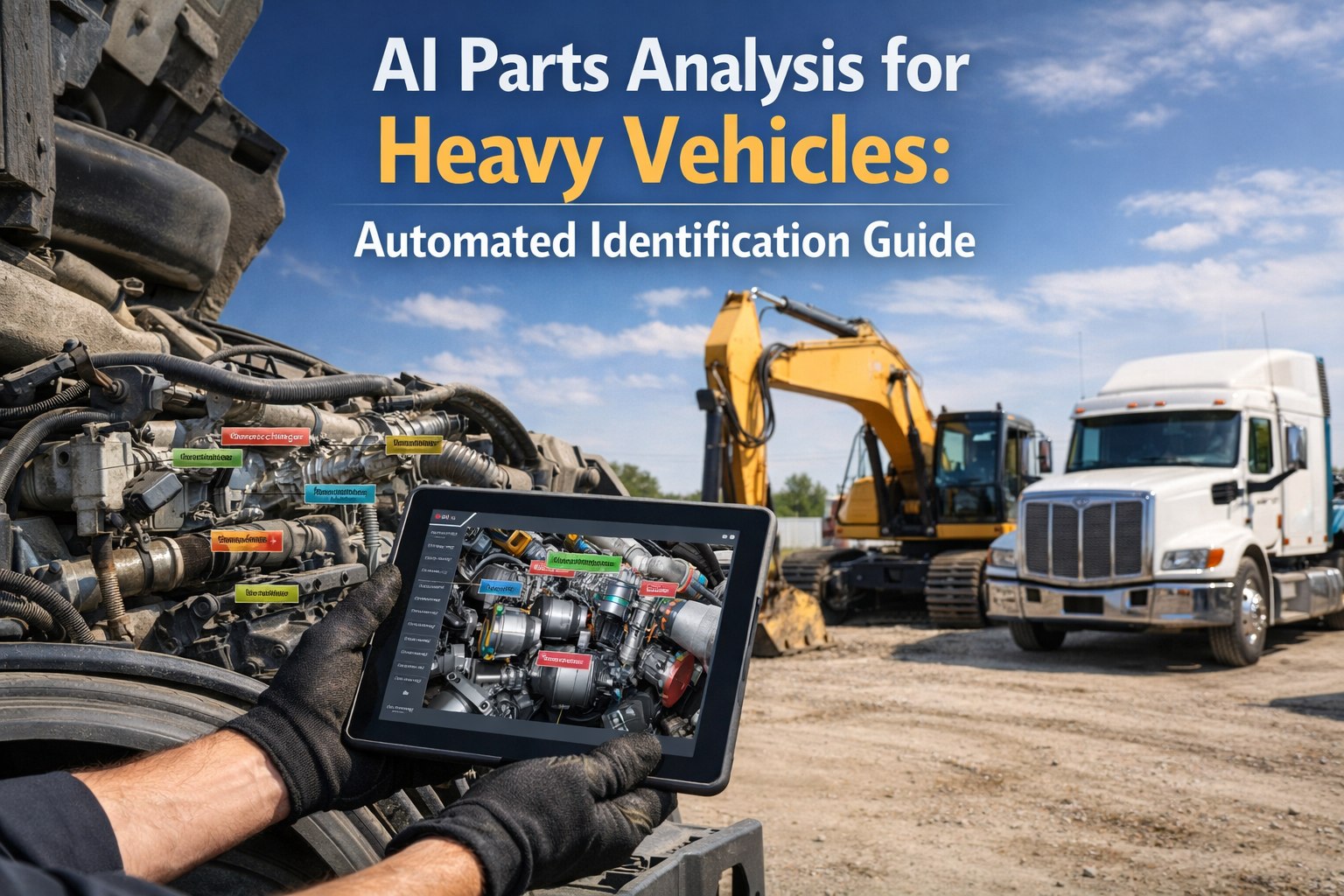
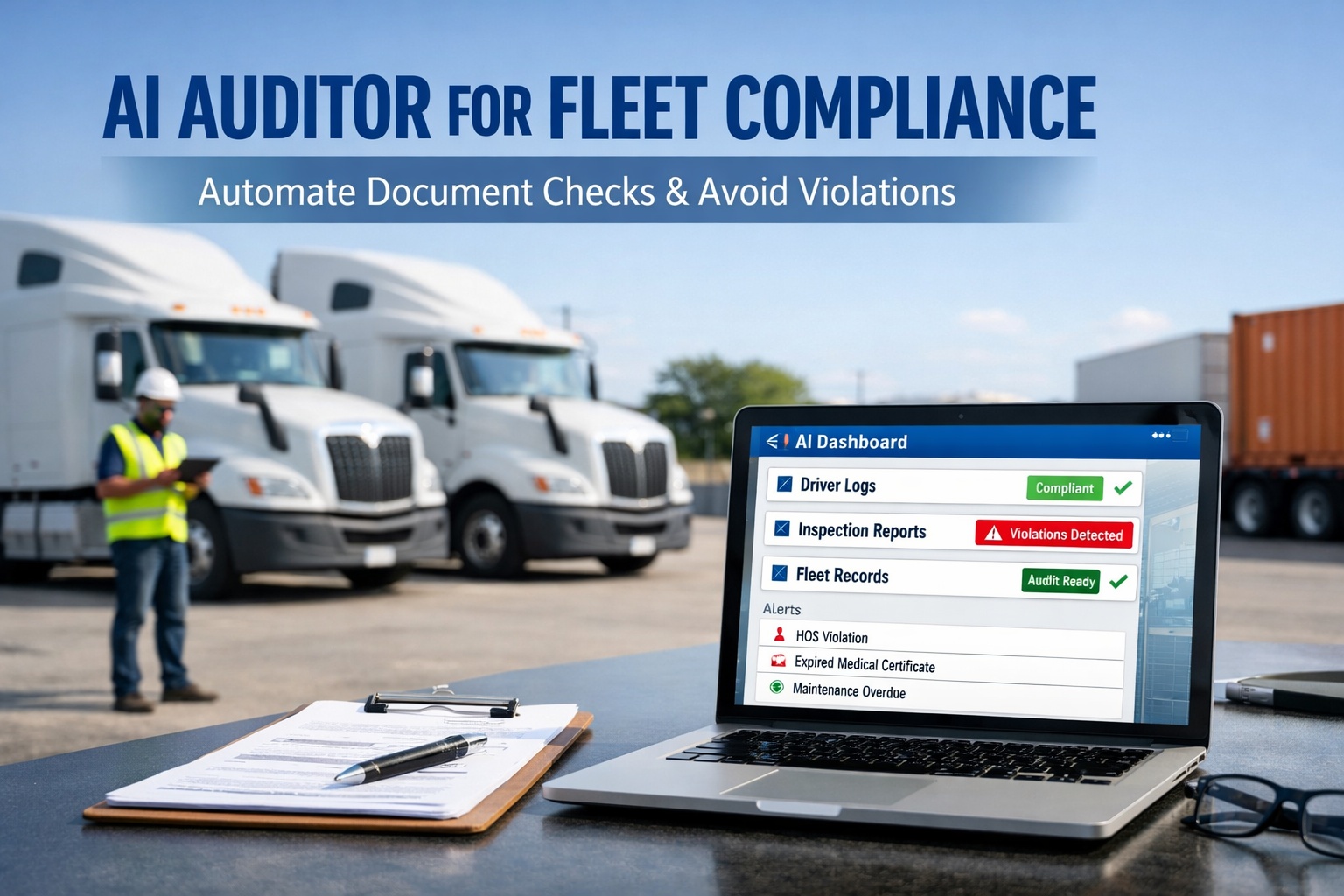
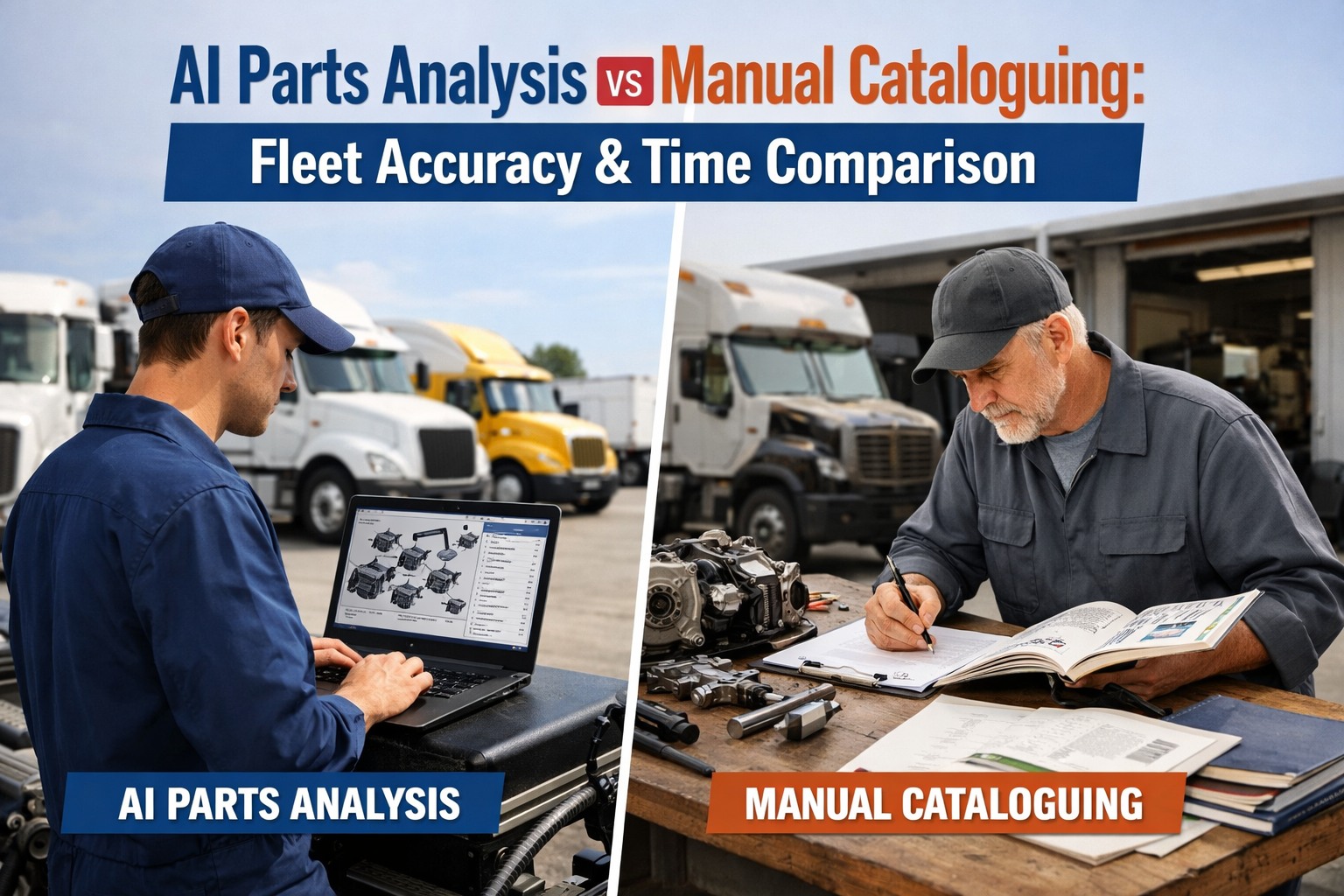
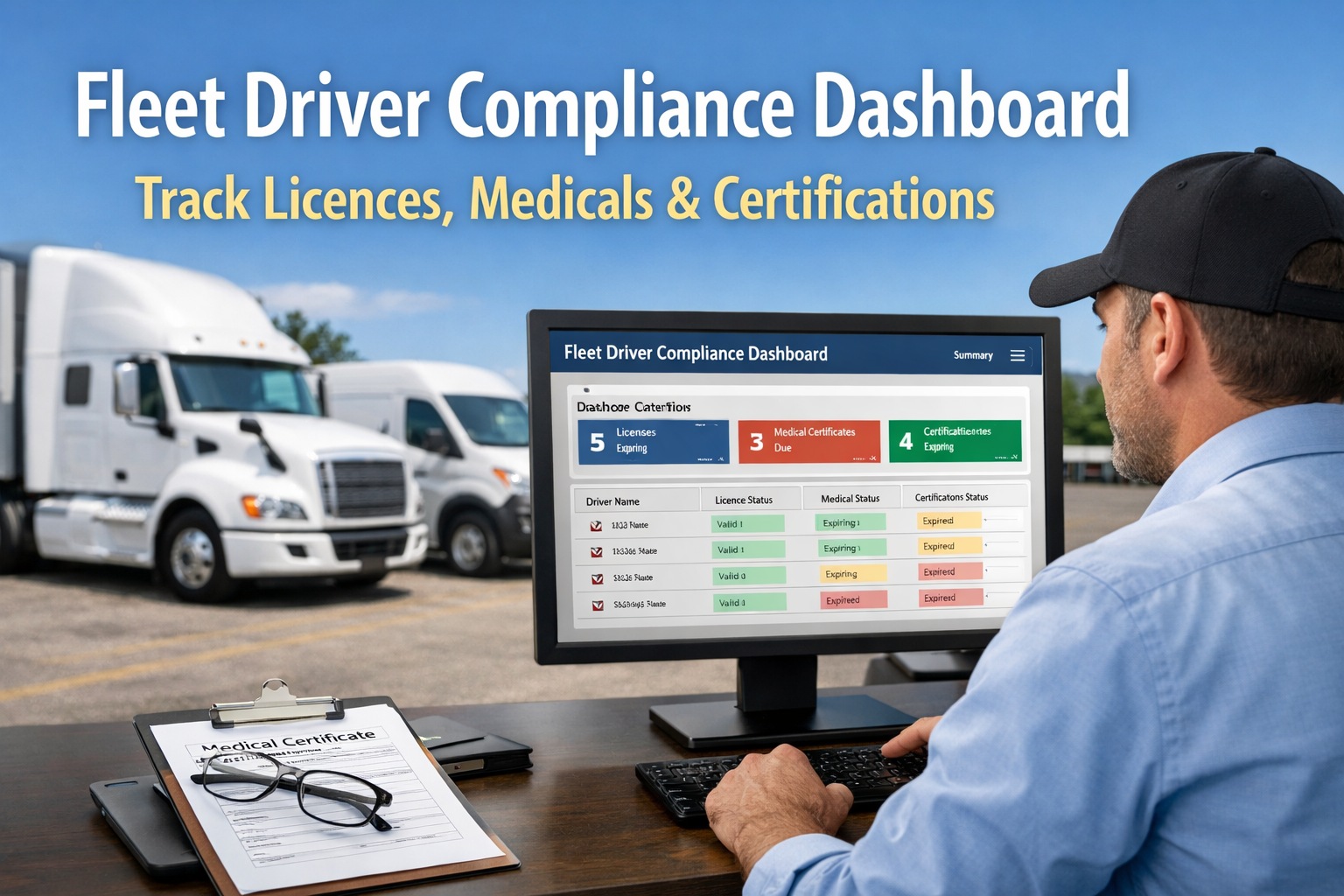
A technician orders a turbo actuator for a Freightliner Cascadia. The part arrives, looks identical — but it is for a different engine series. Two days of downtime, a $1,200 restocking fee, and a driver sitting idle. This scenario costs commercial fleets billions annually in wrong parts, repeat repairs, and unnecessary downtime. Replacement parts and maintenance account for 10–60% of total fleet expenses — and a significant portion of that spend is wasted on misidentification errors that a trained AI could have caught in seconds. AI parts analysis changes this equation: point a smartphone camera at any component, and computer vision trained on 30+ million vehicle images identifies the part, maps it against 163+ vehicle components, cross-references the exact vehicle spec, and tells your technician or parts manager precisely what to order. No guesswork. No wrong parts. No restocking fees. HVI's AI parts analysis brings this capability to heavy vehicle maintenance — integrated with inspections, work orders, and parts inventory on one platform.
The Cost of Getting Parts Wrong
Parts misidentification is not a minor annoyance — it is a compounding cost multiplier that touches every metric your shop tracks.
Wrong Part Ordered
Technician identifies component incorrectly or orders for the wrong model year. Parts look identical across specs but have different tolerances.
Vehicle Sits Idle
1–3 days waiting for return shipment + correct part reorder. Vehicle downtime costs $500–$2,000/day in lost revenue.
Costs Compound
Restocking fee ($200–$1,200) + rush shipping ($150–$400) + technician time wasted + work order backlog grows + next driver dispatched to a different vehicle.
How AI Parts Analysis Works
The technology pipeline behind AI parts identification is straightforward — but the precision it delivers is impossible to replicate manually. Start free and try AI parts analysis on your first vehicles this week.
1
Photograph the Component
Driver or technician uses any smartphone. HVI's guided app shows the exact angle and distance needed — no specialized camera or training required.
2
AI Identifies the Part
Computer vision trained on 30+ million annotated images recognizes the component — brake drum, alternator, hose fitting, slack adjuster — and maps it against a database of 163+ vehicle parts.
3
Cross-References Vehicle Spec
AI matches the identified part against the specific vehicle's make, model, year, engine, and axle configuration. A brake chamber that "looks right" but fits a different axle position is caught here.
4
Assesses Condition & Severity
Pixel-level analysis measures wear depth, crack growth, corrosion extent, and fluid seepage. Classifies severity from "monitor at next inspection" to "out-of-service, replace immediately."
5
Generates Work Order + Parts Match
Correct part number, supplier availability, and inventory status attached to an auto-generated work order. Technician gets the right part the first time — no hunting, no guessing, no restocking.
Want to see this 5-step pipeline running on your own vehicles? HVI's team will walk you through a live AI parts identification session on your fleet's vehicle types during a free 30-minute walkthrough —
schedule your AI parts analysis demo here.
Where AI Catches What Humans Miss
Not all parts are equally prone to misidentification. These five categories cause the majority of wrong-part errors — and deliver the highest AI value.
Brake Components
Human miss rate: 20–30%
Pads, drums, chambers, and slack adjusters vary across axle positions, manufacturers, and model years — yet look deceptively similar. AI cross-references exact vehicle and position.
Tyres & Tread
Human miss rate: 25–35%
Tread depth, load rating, speed rating, and size must match exactly. AI estimates tread depth from photos, detects mismatched sets, and flags DOT-minimum violations before roadside.
Hydraulic Hoses & Fittings
Human miss rate: 35–50%
Hundreds of nearly identical sizes and pressure ratings on heavy equipment. Wrong fitting at wrong pressure = catastrophic failure. AI matches the spec to the exact machine and circuit.
Electrical Components
Human miss rate: 30–40%
Alternators, starters, and sensors with different amperage or voltage ratings across engine series. AI cross-references the ECU spec to prevent electrical mismatches that damage systems.
Belts & Filters
Human miss rate: 15–25%
Visually similar across models but different in dimensions, micron ratings, or ribbing patterns. AI reads the exact specification from the component image + vehicle database.
If your fleet runs mixed equipment — trucks, trailers, cranes, or heavy machinery — AI parts analysis eliminates the cross-platform misidentification that causes the costliest wrong-part orders.
Schedule a 30-minute consultation and bring your vehicle list — we will show you exactly which component categories are highest-risk for your fleet mix.
What AI Parts Analysis Delivers
The measurable outcomes of AI parts analysis compound across every work order, every vehicle, every month.
95–99%
Identification Accuracy
AI trained on 30M+ images across 163+ components. Human accuracy: 70–80%.
35%
Lower Repair Costs
Right part, first time. No restocking. No emergency rush orders at premium rates.
89%
Fewer Preventable Breakdowns
Correct identification + early detection catches failures before they strand a vehicle.
$8,500
Annual Savings Per Truck
Combined savings from right parts, avoided downtime, and eliminated repeat repairs.
60 days
Full ROI
First prevented failure typically pays for the entire platform. Most fleets see ROI within 60 days.
0
New Hardware Required
Works on any modern smartphone. No cameras, scanners, or sensors to install. 25-minute driver training.
These numbers are averages across documented fleet implementations — your specific ROI depends on fleet size, vehicle mix, and current parts error rate.
Schedule a free ROI assessment and we will calculate your fleet's projected savings from AI parts analysis based on your actual maintenance data.
Stop Guessing. Start Identifying.
Every wrong part ordered is a vehicle sitting idle, a technician waiting, a work order backlog growing, and a cost that was entirely preventable. AI parts analysis replaces the guesswork with 95–99% accuracy — identifying components from a smartphone photo, cross-referencing against the exact vehicle spec, and feeding the correct part number directly into a work order with inventory availability confirmed. HVI brings this capability to heavy vehicle fleets — integrated with the inspection-to-work-order chain, parts inventory tracking, and maintenance documentation that keeps your shop running at full throughput. Sign up free to start identifying parts with AI today, or schedule a live walkthrough where our team runs AI analysis on photos of your actual fleet components during the call.
Bring AI Parts Analysis to Your Fleet
163+ component recognition. 95–99% accuracy. Smartphone-only — no hardware. Integrated with work orders and inventory. Trusted by 25,000+ users.
Frequently Asked Questions
Q: How does AI identify parts from a photo?
Computer vision models (convolutional neural networks) trained on 30+ million annotated vehicle images recognize component types, map them against a 163+ part database, and cross-reference the specific vehicle's make, model, year, and configuration. The AI distinguishes between visually similar parts that differ in specification — catching mismatches that experienced technicians miss 20–30% of the time.
Q: Does it work on heavy equipment or just trucks?
HVI's AI parts analysis covers both commercial trucks (Class 3–8) and heavy equipment (excavators, loaders, cranes). The system is trained on components across vehicle types — including hydraulic fittings, undercarriage components, and equipment-specific parts that standard truck databases do not cover.
Book a demo to see coverage for your equipment types.
Q: Do I need special cameras or hardware?
No. AI parts analysis works on any modern smartphone camera. HVI's guided app shows exactly what angle and distance to use for each component — no specialized equipment, no installation, no IT project. Drivers and technicians become proficient in 25 minutes of training.
Start free today.
Q: How does parts analysis connect to work orders?
When AI identifies a damaged or worn component, it auto-generates a work order with the correct part number, severity classification, recommended repair, and inventory availability — all without manual data entry. The technician receives a complete job package with the right part already confirmed. This eliminates the 40–60% of maintenance delays caused by the gap between problem detection and repair initiation.
Q: What ROI can I expect?
Most fleets see full ROI within 60 days. Documented outcomes include 35% lower repair costs, $8,500 per truck in annual savings, and 89% fewer preventable breakdowns. The first prevented engine failure ($12K–$22K) or avoided wrong-part order cascade (restocking + rush shipping + downtime) typically covers the entire platform cost for a year or more.