Importance of Boom Truck Inspections
Lifting Safety
- Comprehensive boom truck inspection prevents catastrophic lifting failures by verifying hydraulic system integrity, confirming boom control function, ensuring outrigger stability preventing tip-overs, validating rigging equipment condition, and identifying mechanical defects before lifting operations where failures create deadly load drops, struck-by incidents, and equipment collapses.
Roadway Safety
- Boom trucks travel on public roadways requiring verification of all vehicle safety systems including lights, brakes, steering, mirrors, tires, and emergency equipment. Daily inspection ensures equipment meets DOT requirements, operates safely in traffic, and maintains roadworthiness between job sites.
Regulatory Compliance
- OSHA crane regulations, ASME standards, and DOT requirements mandate daily inspection of boom trucks before use. Documented inspection programs satisfy regulatory requirements, demonstrate due diligence, and provide defensible records during safety audits and incident investigations involving crane operations.
Equipment Reliability
- Systematic daily inspection identifies developing hydraulic leaks, catches tire and brake wear requiring service, verifies boom controls operate properly, ensures outriggers deploy correctly, and maintains equipment performance throughout demanding lifting and travel operations preventing costly mid-job failures.
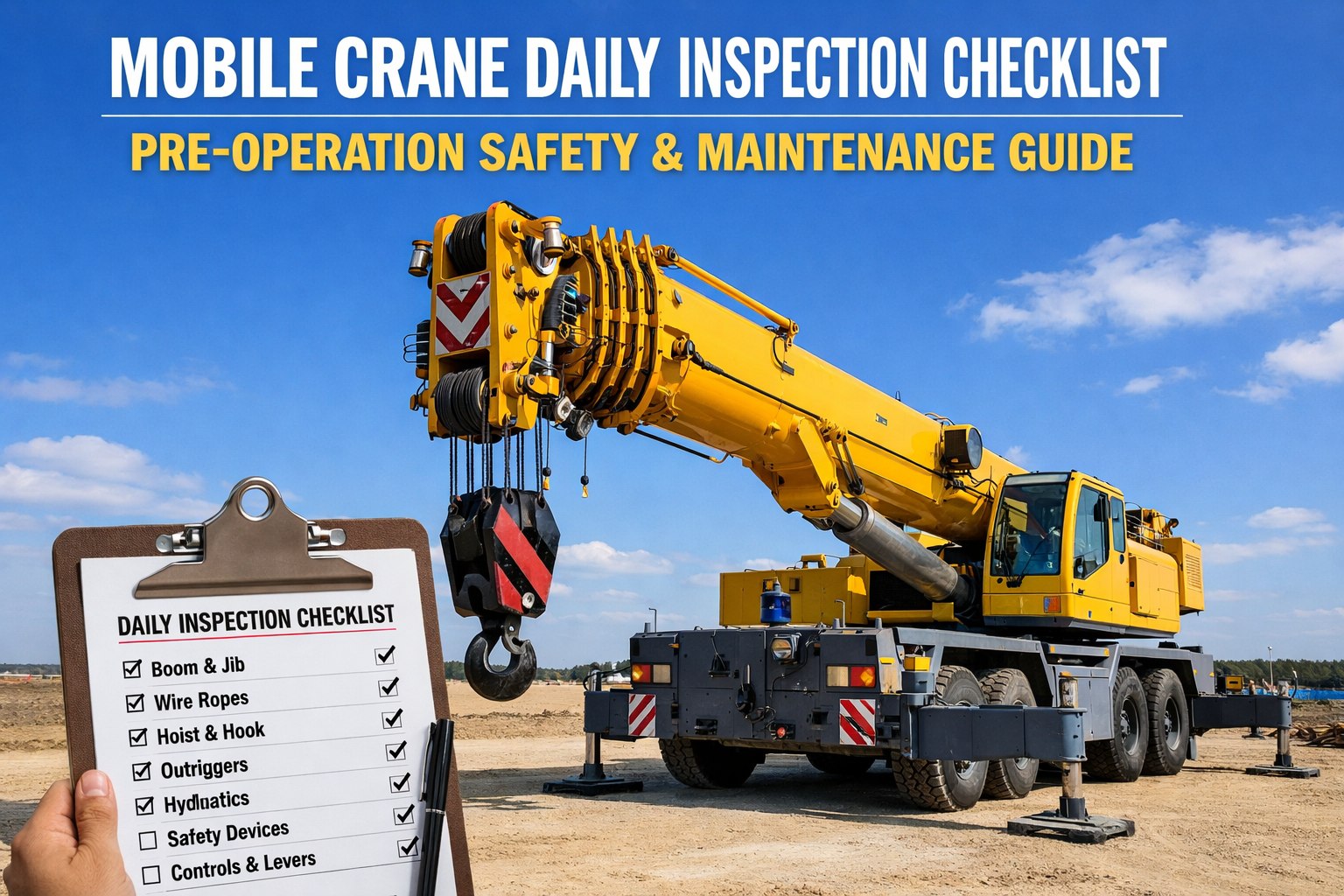
BOOM TRUCK INSPECTION
Comprehensive vehicle and crane system verification covering roadway safety, lifting components, and operational controls. Schedule a 30-minute demo to see how digital platforms streamline boom truck inspections with mobile checklists, load chart integration, rigging verification, and automated alerts ensuring inspections occur before every lifting operation and roadway travel.
Why Use Digital Fleet Management for Boom Truck Inspections?
HVI App Benefits for Crane & Lifting Equipment Safety:
- ✓ Mobile inspection checklists combining vehicle and crane verification in one workflow
- ✓ Load chart integration ensuring capacity verification before lifts
- ✓ Rigging equipment tracking with inspection date verification and photo documentation
- ✓ Immediate supervisor alerts when critical defects prevent safe operation
- ✓ Equipment lockout preventing use until hydraulic leaks or safety issues are resolved
- ✓ Complete inspection history demonstrating OSHA, ASME, and DOT compliance
Frequently Asked Questions About Boom Truck Inspections
1. Why are boom truck inspections more comprehensive than standard vehicle checks?
Boom trucks require dual verification as both highway vehicles and lifting equipment. Inspections must cover all vehicle safety systems for roadway travel (lights, brakes, steering, tires, mirrors) meeting DOT requirements, plus complete crane system verification (hydraulics, boom controls, outriggers, rigging) satisfying OSHA crane regulations and ASME standards. Equipment failures affect both roadway safety and lifting operations making comprehensive daily inspection essential.
2. What are the most critical boom truck inspection items?
Critical items include hydraulic system integrity preventing boom drops, outrigger function and matting ensuring stability during lifts, boom control operation, rigging equipment condition (slings, shackles, hook safety catches), brake system function for travel safety, tire condition affecting stability, and all vehicle lights ensuring roadway visibility. These items directly impact both lifting safety and highway travel capability.
3. Who should conduct boom truck inspections?
Qualified operators must conduct daily inspections before operating boom trucks. Operators need training on both vehicle systems and crane components, understanding of load chart requirements, knowledge of rigging inspection criteria, and certification as crane operators. OSHA requires documented operator qualifications and daily inspection records. Additional periodic comprehensive inspections by qualified technicians are required following manufacturer and ASME intervals.
4. What should operators do if they identify hydraulic leaks during inspection?
Operators identifying hydraulic leaks must immediately report the condition to supervisors, tag equipment as out-of-service, document the defect in inspection records, and not operate the boom truck until qualified technicians complete repairs. Hydraulic failures during lifting operations cause boom drops creating deadly hazards. Even minor leaks indicate system problems requiring immediate attention before crane use.
5. How does digital inspection software improve boom truck safety programs?
Digital platforms combine vehicle and crane checklists in integrated workflows, provide load chart access ensuring capacity verification, track rigging equipment inspection dates preventing use of expired gear, enable photo documentation of hydraulic leaks and component wear, create immediate supervisor alerts for critical defects, prevent equipment operation until safety issues are resolved, maintain permanent inspection records for OSHA and DOT audits, and track operator certifications ensuring only qualified personnel operate equipment. Sign up for a free trial and get instant access to customizable boom truck inspection checklists, load chart integration, and automated compliance tracking - no credit card required for your 14-day trial period.
6. What causes most boom truck accidents?
Common accident causes include tip-overs from inadequate outrigger setup or exceeding load capacity, hydraulic failures causing boom drops, rigging failures from damaged slings or shackles, struck-by incidents from inadequate lift planning, brake failures during roadway travel, contact with overhead power lines, and operator error from inadequate training or load chart misuse. Most accidents are preventable through systematic daily inspection identifying equipment defects and ensuring operators follow proper procedures for both lifting and vehicle operations.
Take Action: Implement Systematic Boom Truck Safety Inspections
Download our FREE Boom Truck Inspection Checklist and establish comprehensive inspection programs that protect workers during lifting operations and roadway travel. Digital fleet management ensures daily inspections occur, tracks operator certifications, maintains load chart compliance, and creates complete safety documentation. Protect your workers and job sites from crane accidents.
Prevent Crane Accidents with Comprehensive Vehicle & Lifting Inspections
Complete coverage: vehicle systems, hydraulics, boom controls, outriggers, rigging equipment—all verified systematically with digital inspection tracking for safe roadway travel and lifting operations.