Undercarriage maintenance for heavy machinery represents one of the most critical yet overlooked aspects of equipment management that can make or break your construction operation's profitability. Heavy equipment undercarriage components typically account for 40-50% of total machine maintenance costs, with a single undercarriage replacement potentially costing $100,000 or more for large excavators. Smart fleet managers who implement proactive undercarriage maintenance strategies can extend component life by 50-70% while avoiding catastrophic failures that sideline equipment for weeks.
Whether you're managing excavators, bulldozers, or track loaders, understanding proper undercarriage maintenance procedures is essential for maximizing equipment uptime and protecting your investment. This comprehensive guide reveals proven strategies that construction professionals use to dramatically reduce undercarriage replacement costs while ensuring peak equipment performance.
Understanding Heavy Equipment Undercarriage Systems
What Makes Undercarriage Maintenance Critical
The undercarriage system serves as the foundation for all heavy equipment operations, supporting the machine's weight while providing mobility and stability. This complex system includes track chains, drive sprockets, idler wheels, track rollers, and tension cylinders that work together under extreme stress conditions.
Unlike engine or hydraulic components that can be serviced during scheduled downtime, undercarriage failure often occurs suddenly and requires immediate attention. A broken track chain or failed drive sprocket can halt operations instantly, creating expensive emergency repair situations that could have been prevented through proper maintenance.
Key Undercarriage Components and Their Functions
Track Chains and Pads: Track chains form the backbone of the undercarriage system, consisting of pins, bushings, and rubber pads that directly contact the ground. These components experience constant flexing, impact, and abrasion that gradually wears critical connection points.
Drive Sprockets: Located at the rear of the undercarriage, drive sprockets transfer power from the track motor to the track chain. Worn sprocket teeth can cause premature track chain stretch and create dangerous operating conditions.
Idler Wheels and Tension Systems: Front-mounted idler wheels maintain proper track tension through hydraulic cylinders and spring assemblies. Proper tension prevents track derailment while minimizing component wear.
Track Rollers: Upper and lower track rollers guide and support the track chain around the undercarriage frame. Roller failure can cause track misalignment and accelerated wear throughout the system.
The True Cost of Poor Undercarriage Maintenance
Financial Impact Analysis
Poor undercarriage maintenance creates a cascade of expensive consequences that extend far beyond component replacement costs. Emergency undercarriage repairs typically cost 200-300% more than planned maintenance due to:
- Premium pricing for expedited parts delivery
- Overtime labor costs for emergency repairs
- Lost productivity during unplanned downtime
- Secondary damage to related components
- Potential safety incidents and liability exposure
Industry Statistics That Demand Attention
Construction industry data reveals startling statistics about undercarriage maintenance costs:
- 65% of track system failures could be prevented through proper maintenance
- Average undercarriage replacement costs range from $25,000-$150,000 depending on equipment size
- Well-maintained undercarriages last 4,000-6,000 hours vs 2,000-3,000 hours with poor maintenance
- Every $1 invested in preventive undercarriage maintenance saves $4-7 in replacement costs
These numbers highlight why leading construction companies prioritize systematic undercarriage inspection and maintenance programs using advanced tools like digital inspection software.
Essential Undercarriage Maintenance Procedures
Daily Pre-Operation Inspections
Daily undercarriage inspections form the foundation of effective maintenance programs. These quick visual checks identify developing problems before they become expensive failures.
Critical Daily Inspection Points:
- Track tension measurement and adjustment
- Visual inspection for loose or damaged track pads
- Drive sprocket tooth condition assessment
- Idler wheel and roller visual examination
- Hydraulic leak detection around tension cylinders
- Debris removal from undercarriage components
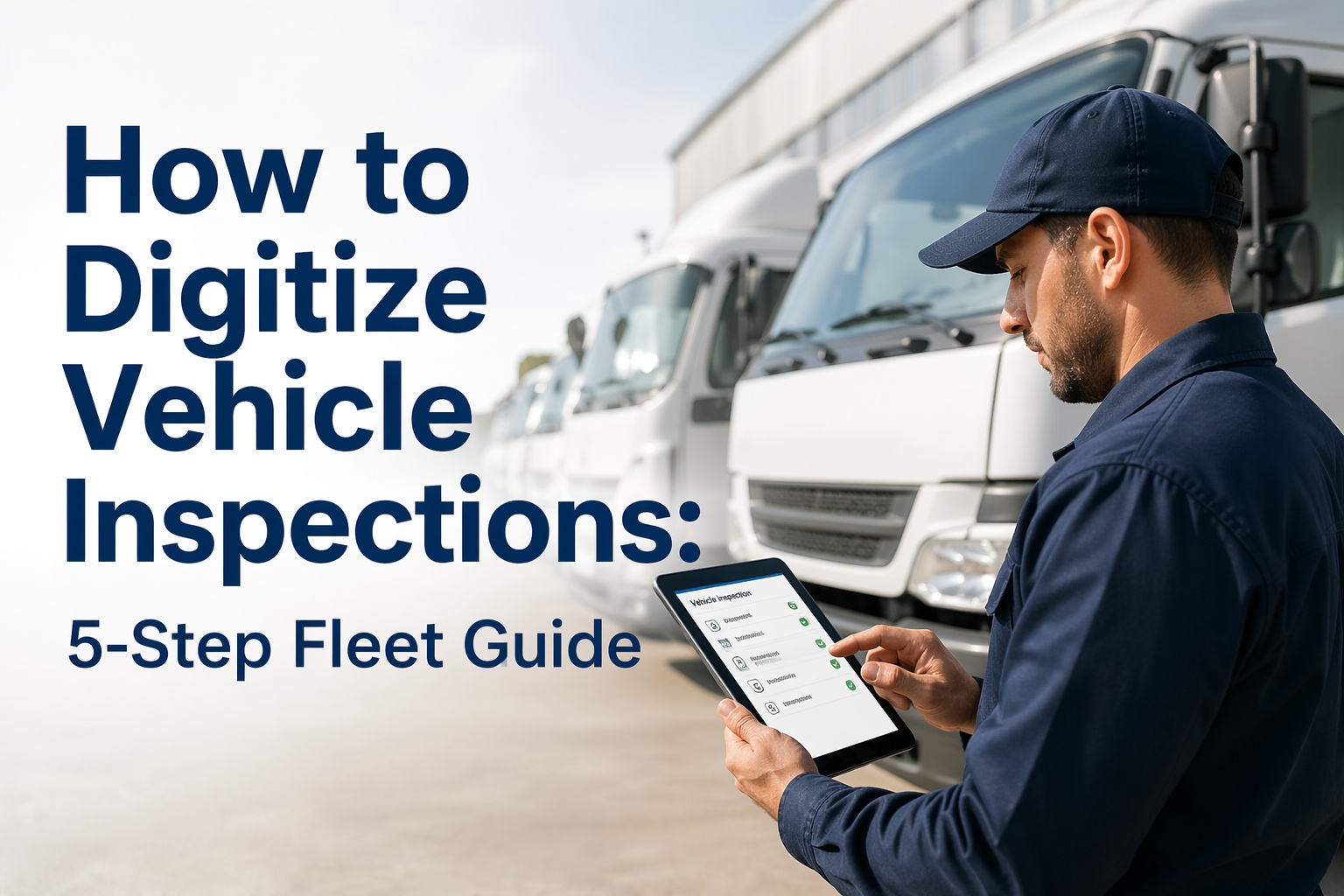
Digital inspection tools streamline these daily checks while ensuring consistent documentation. Modern heavy equipment maintenance software automatically schedules inspections and provides digital checklists that eliminate missed inspection points.
Weekly Comprehensive Inspections
Weekly inspections dive deeper into undercarriage component condition, measuring wear rates and identifying maintenance needs before they become critical.
Detailed Weekly Procedures:
- Track Pin and Bushing Measurement: Use specialized gauges to measure pin and bushing wear
- Sprocket Tooth Wear Assessment: Document tooth wear patterns and measure critical dimensions
- Roller Condition Evaluation: Check roller flanges, seals, and mounting bolts
- Frame Inspection: Look for stress cracks, weld failures, and structural damage
- Lubrication Service: Grease tension cylinders and serviceable components
Monthly Deep Inspections and Maintenance
Monthly maintenance sessions address component adjustments, replacements, and major service items that keep undercarriages operating efficiently.
Monthly Service Requirements:
- Complete track tension adjustment and calibration
- Detailed measurement of all wear components
- Seal and gasket replacement as needed
- Structural weld inspection and repair
- Component alignment verification
- Maintenance record analysis and planning
Advanced Undercarriage Maintenance Strategies
Predictive Maintenance Technologies
Modern undercarriage maintenance leverages technology to predict component failures before they occur. Digital measurement tools, wear analysis software, and IoT sensors provide real-time data about component condition.
Technology Integration Benefits:
- Automated wear rate calculations and failure predictions
- Optimal replacement timing based on actual component condition
- Integration with parts inventory and procurement systems
- Comprehensive maintenance history tracking
- Performance analytics and cost optimization
Environmental Considerations
Operating conditions dramatically impact undercarriage maintenance requirements. Equipment working in abrasive, muddy, or corrosive environments needs modified maintenance schedules and protective measures.
Harsh Environment Adaptations:
- Increased inspection frequency in abrasive conditions
- Enhanced cleaning procedures for muddy operations
- Corrosion protection measures for marine environments
- Specialized lubricants for extreme temperature operations
- Protective equipment and operational modifications
Track Tension Optimization
Proper track tension represents the single most important factor in undercarriage longevity. Too tight causes excessive component stress, while too loose leads to track jumping and accelerated wear.
Tension Management Best Practices:
- Follow manufacturer specifications exactly
- Adjust tension based on operating conditions
- Monitor tension throughout operating cycles
- Account for temperature variations
- Document all tension adjustments for trend analysis
Cost-Effective Replacement Strategies
Component Lifecycle Management
Smart undercarriage management involves strategic component replacement timing that maximizes value while minimizing downtime. Understanding component wear patterns enables optimal replacement scheduling.
Replacement Planning Factors:
- Component wear rate analysis
- Operating condition impacts
- Parts availability and lead times
- Labor scheduling and resource allocation
- Equipment utilization requirements
OEM vs Aftermarket Parts Considerations
Heavy equipment parts selection significantly impacts long-term undercarriage performance and costs. Quality aftermarket components can provide excellent value, while OEM parts ensure perfect compatibility.
Parts Selection Criteria:
- Initial cost vs lifecycle value
- Warranty coverage and support
- Compatibility with existing components
- Supplier reliability and support
- Performance track record in similar applications
Digital Solutions for Undercarriage Management
Heavy Equipment Maintenance Software Integration
Modern undercarriage maintenance requires sophisticated tracking and analysis capabilities that paper-based systems cannot provide. Digital maintenance management systems transform undercarriage care from reactive to predictive.
Software System Benefits:
- Automated inspection scheduling and reminders
- Digital measurement recording and trend analysis
- Parts inventory integration and automatic reordering
- Maintenance cost tracking and optimization
- Performance benchmarking and fleet comparisons
Mobile Inspection Applications
Field-based undercarriage inspections benefit tremendously from mobile applications that provide standardized checklists, photo documentation, and instant reporting capabilities.
Mobile Application Advantages:
- Consistent inspection procedures across all technicians
- Real-time photo documentation with annotations
- Automatic measurement calculations and wear analysis
- Instant communication of critical issues
- Integration with maintenance management systems
Digital inspection tools eliminate the paperwork burden while ensuring thorough, consistent inspections that identify problems early when repairs are less expensive.
Training and Safety Considerations
Technician Certification Programs
Proper undercarriage maintenance requires specialized knowledge and skills that standard equipment training doesn't cover. Certified undercarriage specialists can identify problems earlier and perform more effective maintenance.
Training Program Elements:
- Component identification and function understanding
- Proper measurement techniques and tool usage
- Safety procedures for undercarriage work
- Troubleshooting and diagnostic methods
- Documentation and reporting requirements
Safety Protocol Implementation
Undercarriage maintenance involves significant safety risks that require specific protocols and equipment. Proper safety measures protect technicians while ensuring thorough inspections.
Critical Safety Requirements:
- Proper equipment positioning and support
- Lock-out/tag-out procedures for hydraulic systems
- Personal protective equipment specifications
- Emergency response procedures
- Fall protection and confined space protocols
Industry Best Practices and Benchmarking
Fleet Performance Optimization
Leading construction companies achieve superior undercarriage performance through systematic approaches that combine technology, training, and standardized procedures.
Performance Optimization Strategies:
- Standardized maintenance procedures across all equipment
- Regular performance benchmarking and analysis
- Continuous improvement program implementation
- Technology adoption and integration
- Supplier partnership development
Regulatory Compliance and Documentation
Proper undercarriage maintenance documentation supports regulatory compliance while providing valuable data for insurance and warranty claims.
Documentation Requirements:
- Complete inspection records and maintenance logs
- Photo documentation of component conditions
- Parts replacement records and warranty tracking
- Training certification and competency records
- Safety incident reporting and analysis
Measuring Maintenance Program Success
Key Performance Indicators
Successful undercarriage maintenance programs require continuous monitoring and improvement based on measurable performance indicators.
Critical Metrics to Track:
- Average undercarriage component lifespan
- Maintenance cost per operating hour
- Unplanned downtime incidents
- Parts inventory turnover rates
- Technician productivity and efficiency
- Equipment availability and utilization rates
Return on Investment Analysis
Comprehensive ROI analysis demonstrates the financial benefits of proactive undercarriage maintenance while identifying improvement opportunities.
ROI Calculation Factors:
- Maintenance cost reductions
- Extended component lifespan
- Reduced downtime and productivity losses
- Improved equipment resale values
- Lower insurance premiums and claims
Future Trends in Undercarriage Management
Emerging Technologies
The future of undercarriage maintenance includes advanced technologies that provide unprecedented insight into component condition and performance.
Technology Developments:
- IoT sensors for continuous component monitoring
- Artificial intelligence for predictive maintenance
- Augmented reality for inspection and training
- Blockchain for parts authentication and tracking
- Advanced materials for improved component durability
Industry Evolution
Construction industry changes drive new requirements for undercarriage maintenance approaches and technologies.
Industry Trends:
- Increased focus on total cost of ownership
- Environmental regulations and sustainability requirements
- Remote monitoring and telematics integration
- Autonomous equipment and maintenance systems
- Data-driven decision making and optimization
FAQ: Heavy Equipment Undercarriage Maintenance
How often should heavy equipment undercarriage components be inspected for optimal maintenance?
Heavy equipment undercarriage components should receive daily visual inspections for immediate issues, weekly detailed inspections with measurements, and monthly comprehensive maintenance evaluations. Operating conditions significantly impact inspection frequency - equipment in abrasive or harsh environments may require daily detailed inspections to prevent premature component failure and costly repairs.
What are the most cost-effective undercarriage maintenance strategies for construction fleets?
The most cost-effective undercarriage maintenance strategies include implementing digital inspection systems, maintaining proper track tension, following manufacturer-recommended service intervals, training certified technicians, and using predictive maintenance technologies. These approaches typically reduce undercarriage replacement costs by 40-60% while extending component life significantly.
How can digital inspection software improve undercarriage maintenance outcomes?
Digital inspection software improves undercarriage maintenance outcomes by ensuring consistent inspection procedures, providing automated wear analysis, enabling real-time photo documentation, scheduling preventive maintenance automatically, and integrating with parts inventory systems. This technology eliminates human error while providing actionable data for maintenance decision-making.
Transform Your Undercarriage Maintenance with Professional Digital Solutions
Heavy equipment undercarriage maintenance doesn't have to drain your maintenance budget or create unexpected downtime disasters. The key to sustainable, cost-effective undercarriage management lies in implementing systematic inspection protocols combined with modern digital tools that eliminate guesswork and ensure consistent maintenance excellence.
Professional undercarriage maintenance programs using digital inspection technology can reduce your replacement costs by 50% or more while dramatically improving equipment reliability. The strategies outlined in this guide have helped thousands of construction companies save millions in maintenance costs while achieving superior equipment performance.
Discover the Power of Advanced Undercarriage Management
Ready to revolutionize your heavy equipment undercarriage maintenance approach? The HVI APP from Heavy Vehicle Inspection provides cutting-edge digital tools designed specifically for comprehensive undercarriage management. This powerful platform streamlines inspection processes, automates maintenance scheduling, and provides actionable analytics that optimize your entire maintenance program.
Why Choose Professional Heavy Equipment Maintenance Solutions:
- Reduce undercarriage replacement costs by up to 60%
- Eliminate unexpected failures through predictive maintenance
- Ensure 100% compliance with inspection requirements
- Create comprehensive equipment histories for optimal decision-making
- Access real-time reporting and performance analytics
- Integrate seamlessly with existing fleet management systems
Take Action Today for Maximum Savings
Visit www.heavyvehicleinspection.com to discover how professional heavy equipment maintenance software can transform your undercarriage management program. Download the HVI APP and experience the difference that systematic, digital inspection processes make for equipment reliability and cost control.
Don't wait for the next expensive undercarriage failure to realize the importance of proper maintenance protocols. Industry leaders who implement comprehensive undercarriage maintenance programs using digital tools consistently achieve superior performance while dramatically reducing operating costs.
Ready to start saving thousands on undercarriage maintenance? Contact the experts at Heavy Vehicle Inspection for a personalized consultation on implementing world-class undercarriage management solutions for your fleet. Your equipment reliability and profitability depend on the decisions you make today.