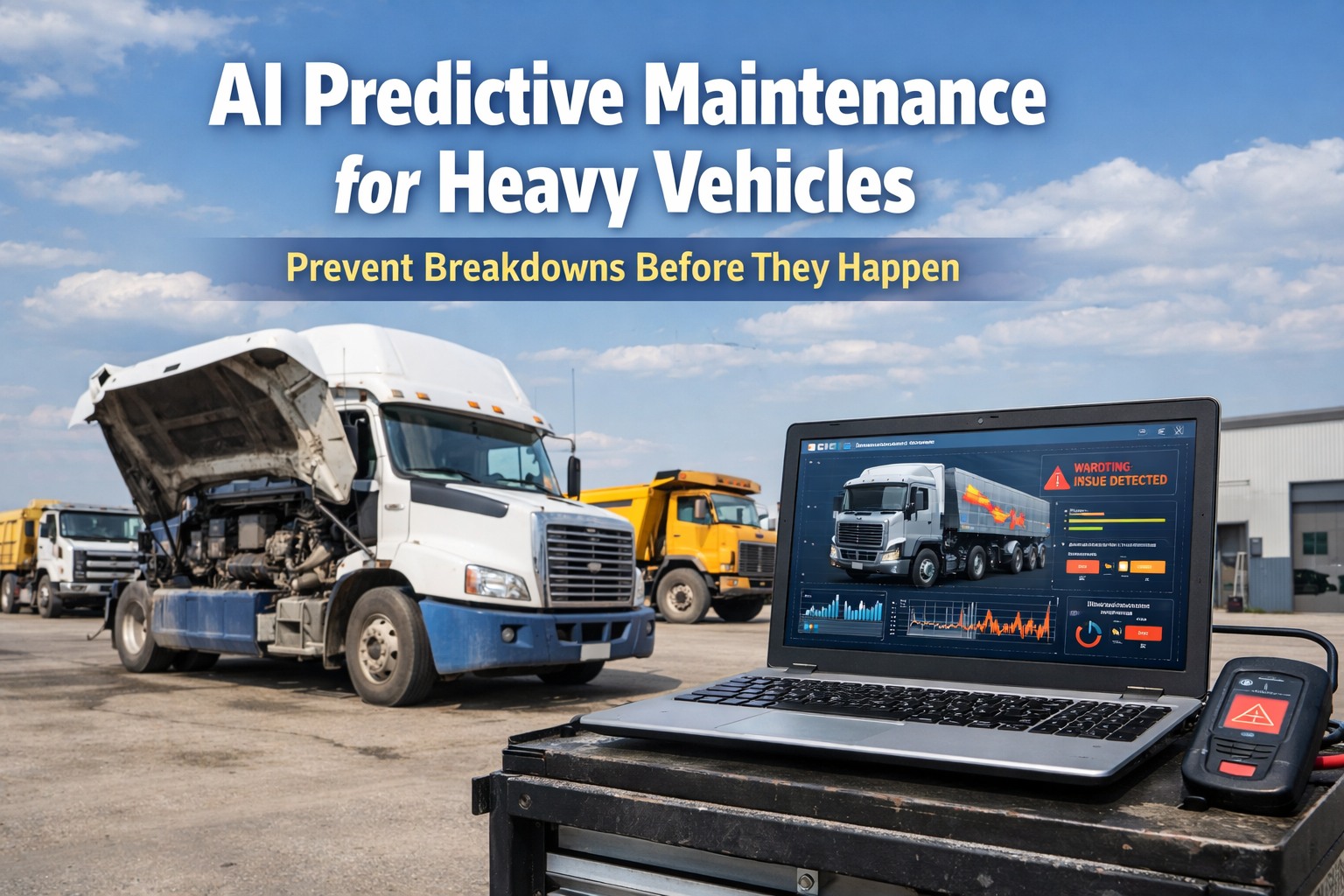
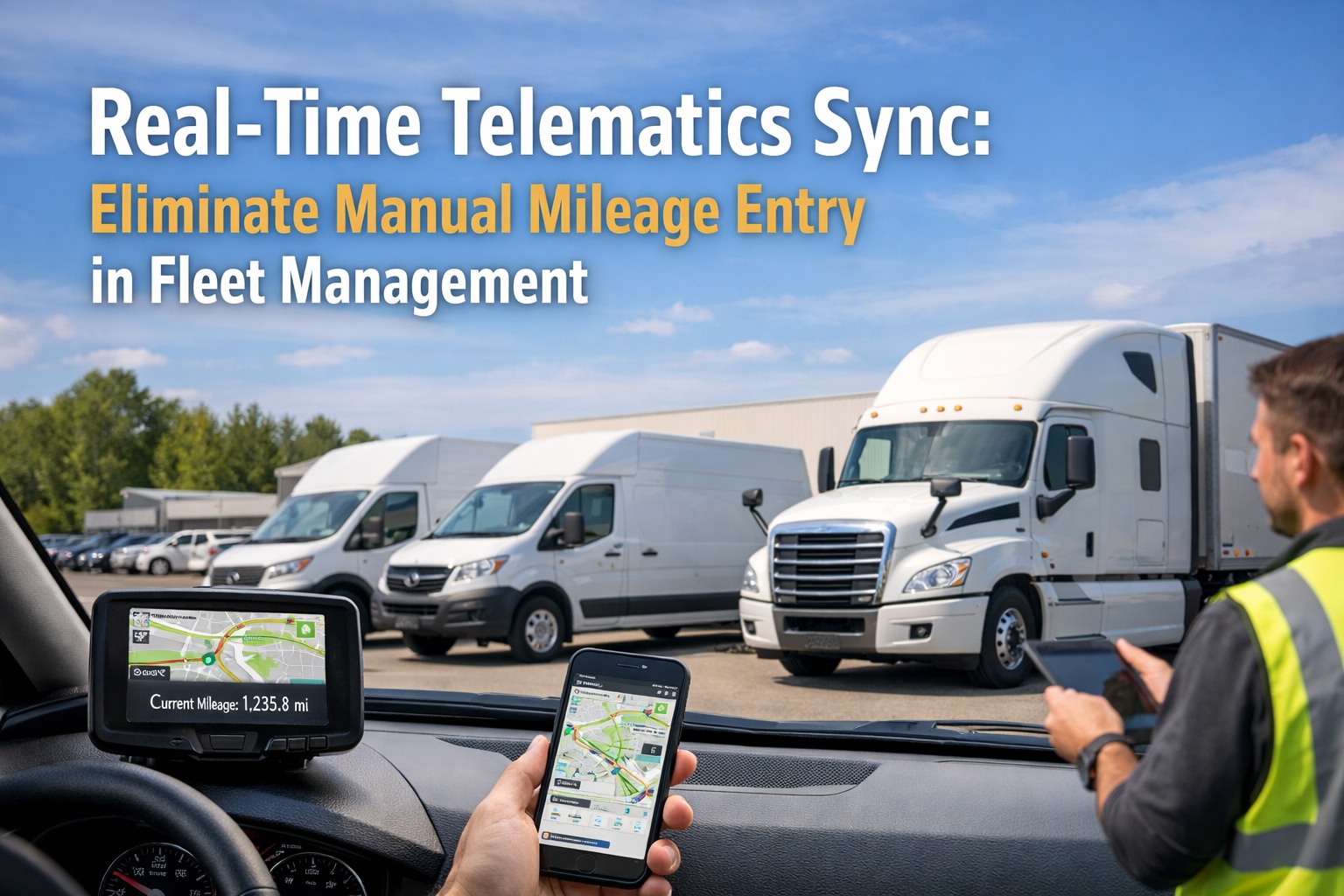
Every day, fleet managers receive inspection completion notifications and assume their vehicles are safe to operate. But completion doesn't equal safety. A checkmark in a box doesn't guarantee thorough examination, accurate assessment, or actual equipment readiness. This dangerous assumption—that "inspection completed" means "vehicle safe"—creates gaps that lead to breakdowns, accidents, and liability. Understanding why inspections fail to deliver real safety, and what to do about it, is critical for fleet managers who want more than compliance theater. Start your free digital inspection trial, or book a demo to see how to bridge the gap between inspection completion and actual vehicle safety.
The Dangerous Assumption: Completion = Safety
Fleet management software shows green checkmarks. Compliance reports show 100% inspection completion rates. But vehicles still break down unexpectedly. Defects that should have been caught during inspection cause failures. The problem isn't that inspections aren't happening—it's that completion doesn't guarantee quality, thoroughness, or accuracy.
Completion Measures Activity, Not Effectiveness
Tracking whether an inspection happened tells you nothing about whether it was done correctly. An operator can complete a checklist in 90 seconds by marking everything "OK" without leaving the cab. Completion metrics create false confidence in fleet safety.
Checkbox Culture Replaces Critical Thinking
When inspections become a compliance ritual rather than a safety practice, operators go through motions instead of genuinely assessing equipment condition. The checklist becomes the goal rather than the tool.
No Verification of Inspection Quality
Most fleets track completion but never audit quality. They don't verify that operators actually walked around the vehicle, opened compartments, checked fluid levels, or examined critical components. Completion data masks inspection effectiveness problems.
Management Prioritizes Metrics Over Reality
When leadership focuses on completion percentages rather than defect detection rates or breakdown prevention, they incentivize speed over thoroughness. Operators learn that getting the inspection done matters more than doing it right.
Common Inspection Myths That Create Safety Gaps
These widespread misconceptions about vehicle inspections create false security and expose fleets to preventable risks. Recognizing these myths is the first step toward building inspection processes that actually ensure safety.
Myth #1: "If All Boxes Are Checked, The Vehicle Is Safe"
The Reality: Checked boxes indicate task completion, not inspection quality. An operator can mark "brakes inspected" without actually testing brake response, checking pad wear, or verifying fluid levels. The form shows completion while critical defects go undetected.
Why It Persists: Paper and basic digital forms provide no way to verify that inspection steps were actually performed. Management sees completed checklists and assumes the work was done properly.
The Consequence: Fleets operate vehicles with undetected defects, believing they've done their due diligence because inspection records show completion. When failures occur, the completed inspection records don't protect against liability—they demonstrate negligence in inspection quality control.
Myth #2: "Experienced Operators Don't Need Detailed Checklists"
The Reality: Experience creates overconfidence and routine-induced blindness. Experienced operators are more likely to skip steps because they "know what to look for" or rely on intuition rather than systematic inspection. Studies show experienced operators miss defects at rates similar to novices when not using structured checklists.
Why It Persists: Experienced operators resist detailed checklists as insulting to their expertise. Management doesn't want to micromanage skilled workers, so they give experienced operators latitude to "do it their way."
The Consequence: The most experienced operators develop blind spots and skip critical inspection points because they've become too familiar with the routine. Their expertise doesn't prevent them from rushing or overlooking subtle changes in equipment condition.
Myth #3: "No Reported Defects Means Everything Is Fine"
The Reality: Low defect reporting often indicates poor inspection quality, not equipment condition. When 95% of inspections report zero defects across an entire fleet, operators aren't looking carefully enough—they're checking boxes to get to work.
Why It Persists: Management interprets low defect rates as evidence of good equipment maintenance rather than poor inspection quality. Nobody wants to believe their operators aren't doing their jobs properly.
The Consequence: Fleets develop a false sense of security from clean inspection records while equipment deteriorates undetected. When failures occur, managers are surprised because "everything looked fine" in the inspection data.
Myth #4: "Compliance Inspections Ensure Safety"
The Reality: Compliance-focused inspections meet minimum regulatory requirements but often miss equipment-specific issues and early warning signs. OSHA requires pre-shift inspections, but doesn't specify what to check or how thoroughly. Meeting compliance standards doesn't equal comprehensive safety assessment.
Why It Persists: Compliance is measurable and defensible. Management can point to completed inspections during audits and feel legally protected. Safety requires more work than compliance and provides less obvious validation.
The Consequence: Fleets design inspection programs around regulatory minimums rather than actual equipment needs. They check what they're required to check, miss what they should check, and experience preventable failures that compliance inspections don't catch.
Myth #5: "Digital Inspections Automatically Improve Safety"
The Reality: Digital tools make it easier to track completion but don't automatically improve inspection quality. An operator can rush through a digital form just as quickly as a paper one. The technology enables better processes but doesn't guarantee they're followed.
Why It Persists: Vendors market digital inspection systems as safety solutions rather than tools that enable safety processes. Fleets implement the technology but don't change operator behavior or management oversight.
The Consequence: Fleets invest in digital inspection systems expecting automatic safety improvements, then get disappointed when breakdown rates don't decrease. The problem wasn't the paper forms—it was the process, training, and accountability around inspections.
Myth #6: "More Frequent Inspections Mean Safer Equipment"
The Reality: Inspection frequency matters less than inspection quality. Daily rushed inspections provide less safety value than thorough weekly inspections. Adding more low-quality inspections doesn't improve safety—it just generates more meaningless completion data.
Why It Persists: Frequency is easy to measure and control. When problems occur, the instinctive response is "inspect more often" rather than "inspect more effectively."
The Consequence: Operators spend more time on inspections without improving defect detection. Inspection fatigue sets in as operators go through the same motions multiple times daily. Management tracks higher completion numbers while actual safety doesn't improve.
Move beyond checkbox compliance with digital systems that verify inspection quality through photo requirements, GPS validation, and quality analytics.
Why Inspections Fail to Ensure Safety
Understanding the root causes of inspection failure helps fleet managers design processes that actually work. These are the systemic issues that prevent completed inspections from delivering real safety.
Inadequate Training
Operators learn to operate equipment but receive minimal training on what to look for during inspections. They don't understand failure modes, can't identify early warning signs, and don't know acceptable vs. unacceptable conditions.
Time Pressure
Operators feel pressure to get equipment running and start productive work. Inspection becomes an obstacle between them and their job rather than a critical safety step. When inspection time isn't protected, it gets compressed.
Vague Checklist Items
Generic items like "check hydraulic system" or "inspect brakes" don't tell operators what to actually do. Without specific instructions on where to look and what to check, operators interpret items differently and inconsistently.
No Consequences for Poor Quality
Operators who rush through inspections face the same (lack of) consequences as those who do thorough work. When inspection quality doesn't affect performance reviews, assignments, or recognition, operators optimize for speed.
Defect Reporting Goes Nowhere
When operators report defects and nothing happens, they learn that reporting is pointless. Defects disappear into maintenance queues with no feedback, no status updates, and no visible resolution.
Management Focuses on Wrong Metrics
Leadership tracks and rewards inspection completion rates while ignoring defect detection rates, inspection duration, breakdown frequency, and preventable failure rates. What gets measured gets managed—and completion gets managed while quality gets ignored.
Building Inspection Processes That Ensure Safety
Moving from inspection completion to actual safety requires fundamental changes in how inspections are designed, performed, verified, and managed.
Specific, Actionable Checklists
Replace vague items with explicit instructions that tell operators exactly what to do and where to look.
Use: "Walk around boom and stick. Visually inspect all visible hydraulic hoses for cracks, bulging, or wet spots indicating leaks. Check cylinder rods for scoring or damage. Verify hydraulic oil level in sight glass."
Mandatory Photo Verification
Require photos of critical inspection points to prove operators actually examined equipment and create visual records of condition.
Quality Metrics, Not Just Completion
Track indicators that correlate with inspection effectiveness rather than just whether inspections happened.
Comprehensive Training Program
Teach operators what defects look like, how to identify early warning signs, and why each inspection point matters.
Visible Defect Resolution
Create closed-loop process where operators see reported defects get tracked, scheduled, and completed with feedback.
Failure Analysis Feedback Loop
Analyze every unexpected failure to identify inspection process gaps and continuously improve procedures.
Recognition & Accountability
Reward operators who catch defects. Shift the incentive from "done fast" to "done right".
Digital System Implementation
Eliminate paper gaps with digital tools that enforce process, capture evidence, and visualize quality trends.
Measuring Inspection Program Effectiveness
Don't just track completion. Track the metrics that prove your inspection program is actually reducing risk.
The percentage of inspections that result in a reported defect. If this is near 0%, you have a quality problem.
Breakdowns caused by issues that should have been visible during inspection (e.g., low oil, worn belts).
Time spent performing the pre-shift check. Duration <5 mins usually indicates "pencil whipping".
Results from random spot-checks verifying that inspection logs match physical machine condition.
Frequency of failures that interrupt operations. Effective inspections should drive this down over time.
Speed of closing the loop. Fast resolution encourages operators to keep reporting defects.
Frequently Asked Questions
Bridge the Gap Between Completion and Safety
Don't settle for compliance theater. Implement the digital inspection platform that guarantees your vehicles are actually safe to operate.