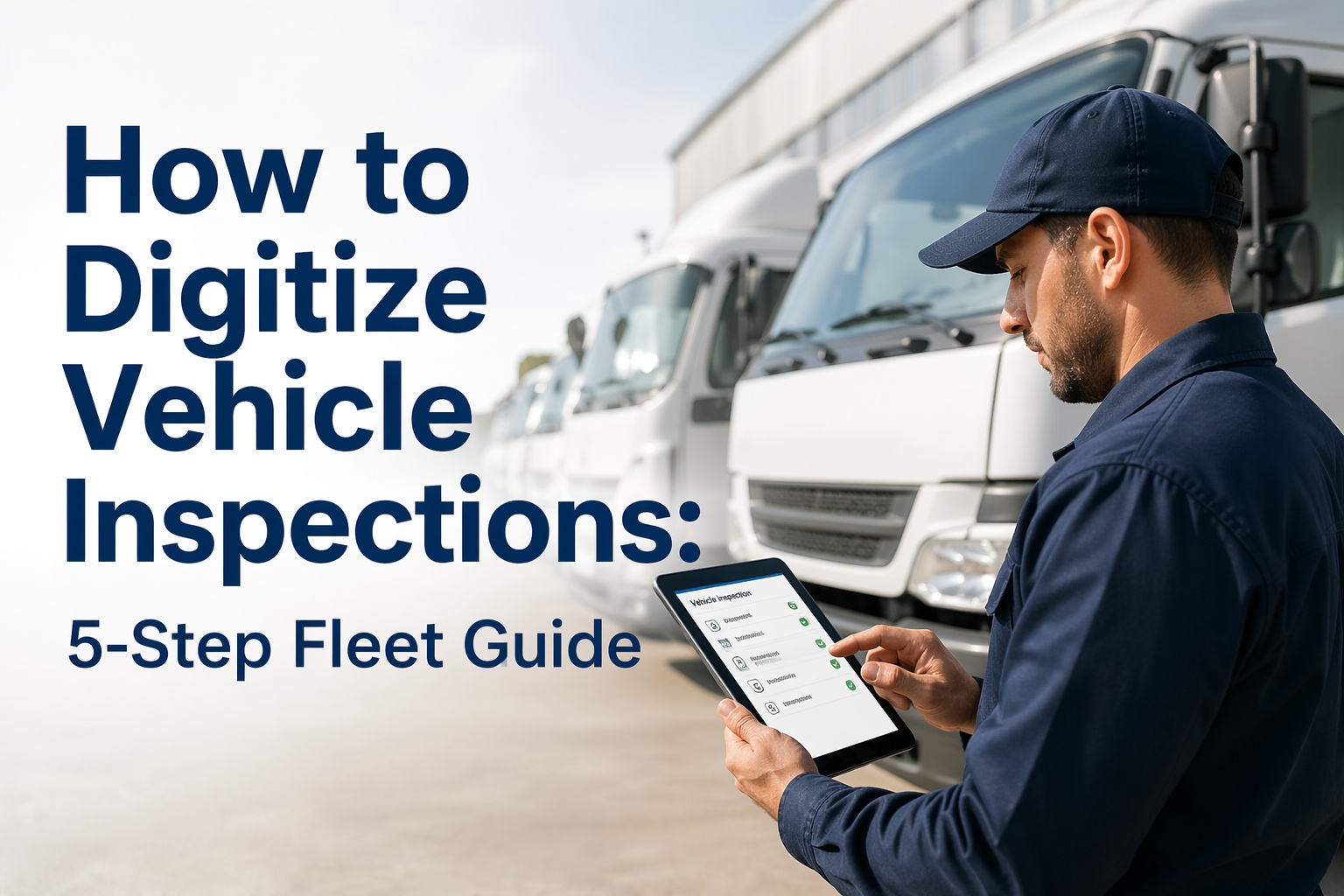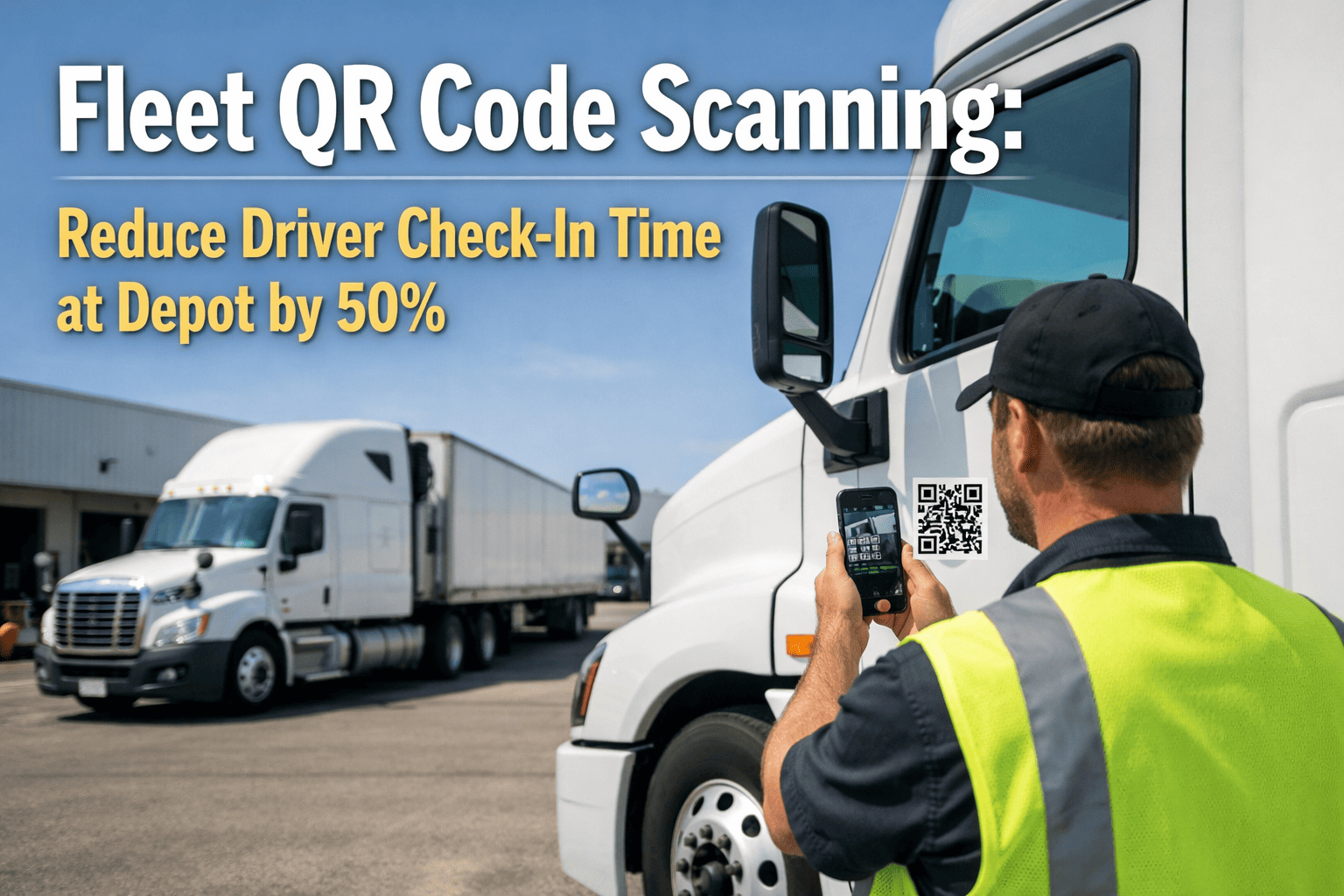
Every morning at your depot, the same slow ritual plays out — drivers queue at the office window, fill in paper check-in logs, wait for the manager to pull up vehicle records, and spend 10–15 minutes on administrative tasks before the first wheel turns. Multiply that across a 50-truck fleet and you are losing over 600 driver-minutes every single shift before anyone has moved a vehicle. HVI's QR code scanning system eliminates this entirely: drivers scan a QR code mounted on their vehicle, their pre-trip inspection launches instantly on their phone, and the check-in record — timestamped, GPS-verified, and vehicle-linked — is already in your compliance dashboard before they leave the yard. Fleets using HVI's QR workflow cut depot check-in time by 50% or more. Sign up free today and have QR codes deployed across your fleet in under an hour, or schedule a 30-minute demo to see the QR check-in system live.
Where depot check-in time actually disappears
Before measuring the 50% reduction, it helps to understand exactly where the minutes go in a traditional depot check-in. The problem is not one big inefficiency — it is four or five small ones that stack into a significant daily drain on your operation.
How HVI QR code check-in works — the full flow
The QR code is not just a shortcut to a form. It is the trigger that launches a complete, linked inspection and compliance workflow — from vehicle identification to audit-ready record — in a single scan.
Each vehicle has a unique HVI QR code — mounted on the door, windscreen, or cab interior. One scan from any phone camera opens the correct inspection form for that specific vehicle, pre-loaded with its service history and last defect status.
The HVI inspection checklist opens immediately — no login, no manual vehicle search. Driver completes the guided pre-trip walkround with photo prompts for tyres, lights, brakes, and load. Takes 4–6 minutes versus 10+ on paper.
On submission, HVI creates a timestamped, GPS-tagged, driver-signed check-in record — linked to the vehicle profile, the inspection photos, and any defects reported. Zero admin, zero filing, zero manual entry.
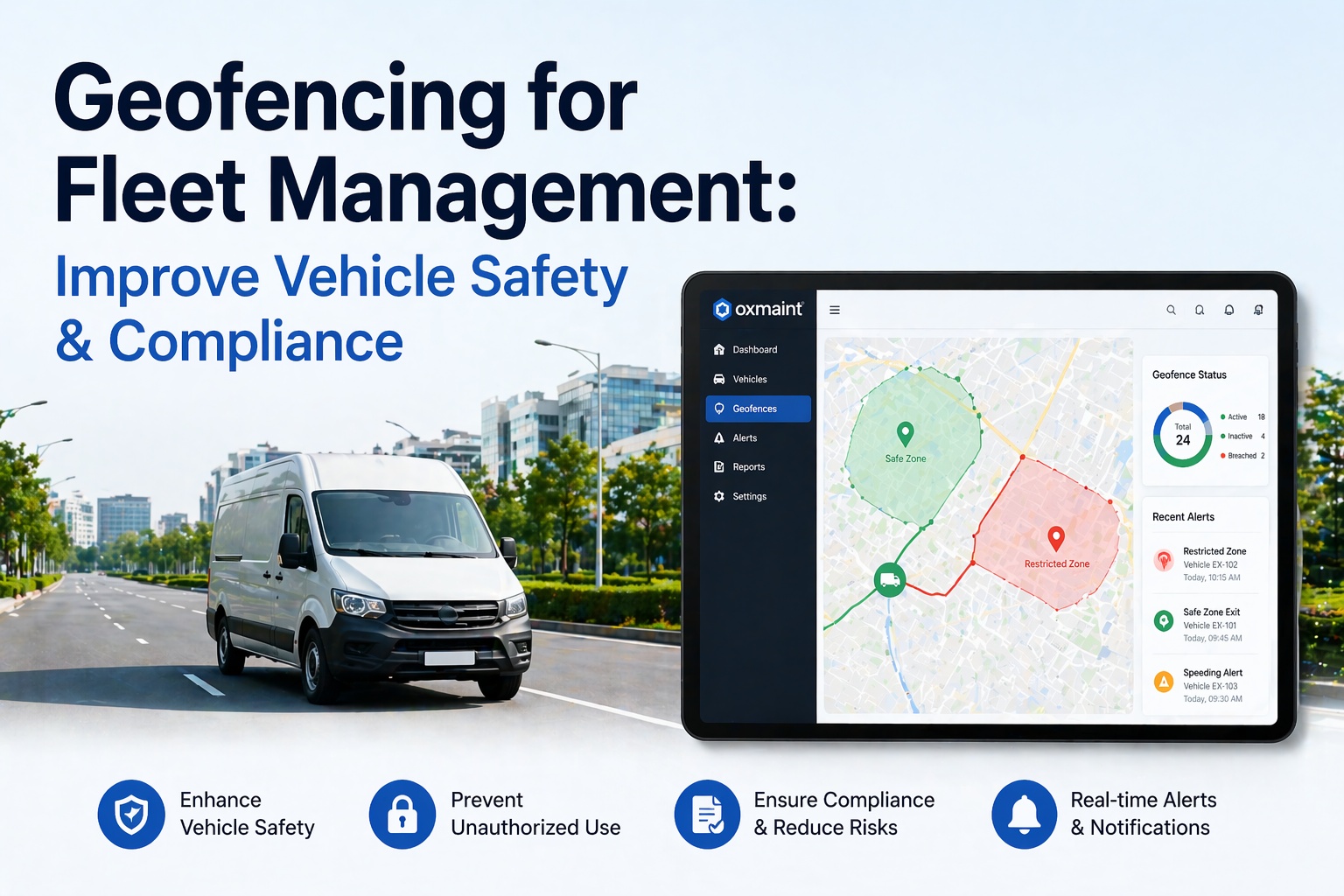
The fleet dashboard shows each vehicle's check-in status, inspection result, and any flagged defects the moment the scan syncs. Managers see the full picture before the first truck leaves the gate — no phone calls, no paper chasing.
5 things that change when you remove the paper check-in
Drivers start shifts 5–7 minutes faster
The QR scan replaces the sign-in queue, the paper DVIR, and the manual vehicle lookup in one action. Drivers that previously spent 12–16 minutes on check-in administration are rolling in under 7 minutes — every shift, every driver.
Every vehicle gets the right inspection form automatically
QR codes are vehicle-specific — the scan pulls the correct checklist for that truck's class, configuration, and last inspection status. No more wrong forms, no more "I used the generic checklist" explanations during audits.
Unsigned DVIRs become impossible
The QR scan requires driver authentication — every check-in is linked to a specific driver profile with electronic signature. The system will not allow a vehicle departure without a completed, signed inspection. No more blank signature lines on paper forms.
Managers see fleet status in real time
Instead of waiting for drivers to return paper forms or calling across the yard, managers see live check-in status on the HVI dashboard — which vehicles have completed inspection, which have flagged defects, which are cleared for departure.
Defects get logged at source — not forgotten in transit
The QR inspection happens at the vehicle, not at a desk. Drivers photograph defects on the spot — the cracked mirror, the flat light, the low tyre. Context that gets lost when writing up paper forms post-walkround is captured in real time with photo evidence.
QR check-in vs. traditional depot sign-in — full comparison
| Capability | Traditional Sign-In | HVI QR Code Check-In |
|---|---|---|
| Check-in time per driver | 12–16 minutes | 5–7 minutes — 50% faster |
| Vehicle identification | Manual — driver writes plate or fleet number | Auto-identified by QR scan — zero errors |
| Inspection form selection | Generic paper form — often incorrect type | Vehicle-specific form auto-loaded on scan |
| Driver authentication | Handwritten signature — easily missed | Linked to driver profile — required to submit |
| Defect photo evidence | Written description only | Photo capture at the vehicle, auto-labelled |
| Manager visibility | End-of-shift paper collection | Live dashboard — real-time per vehicle |
| Compliance record creation | Manual filing — gaps common | DVIR-compliant record created automatically |
| Audit retrieval | Manual search through physical files | Searchable by vehicle, date, or driver instantly |
The numbers: 50-truck fleet, QR check-in vs. paper
| Daily driver check-in time saved (50 drivers × 8 min avg) | 400 min/day recovered |
| Annual driver wage cost recovered ($35/hr, 250 working days) | - $14,600/year |
| Reduction in missed or unsigned DVIRs (compliance penalty risk) | ~Zero unsigned DVIRs |
| Additional defects detected via photo inspection (vs. paper walkround) | +40% defect detection |
| Estimated annual operational value — 50-truck fleet | $18,000–$24,000 |
Frequently asked questions about HVI QR code check-in
End the morning check-in queue. Start every shift 7 minutes faster.
HVI's QR code check-in is the simplest upgrade your depot operation can make — no hardware, no IT project, no disruption to your existing fleet. Print your QR codes today, mount them on your vehicles, and your drivers are scanning their way through compliant pre-trip inspections by tomorrow morning.
No credit card required · QR codes generated instantly · Live on your fleet same day