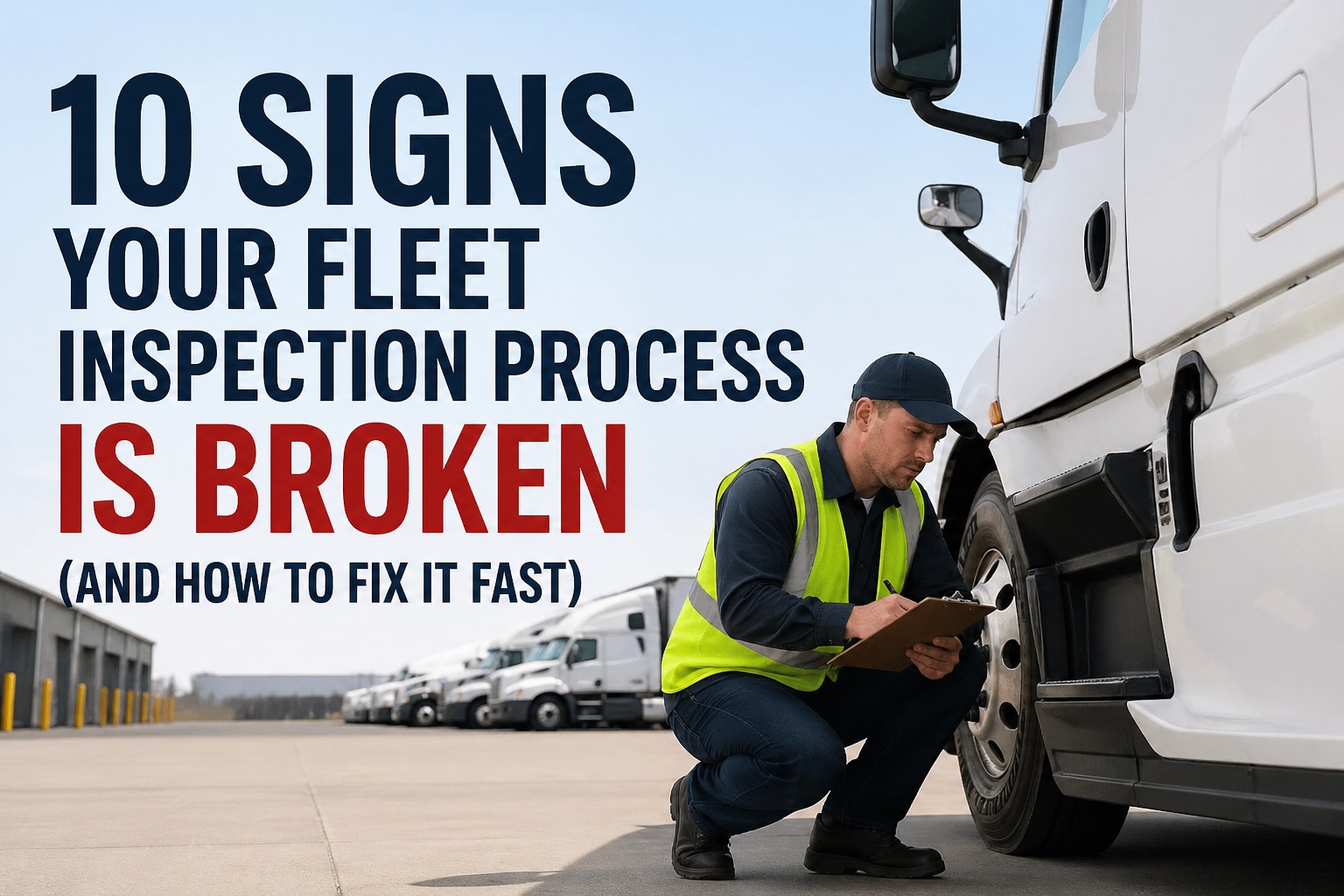
Dozer maintenance failures cost American contractors an average of $125,000 annually per machine, with poor maintenance practices creating catastrophic breakdowns that affect 82% of construction operations. Industry data reveals that 68% of contractors still rely on reactive maintenance approaches that create emergency repairs, unexpected downtime, and massive replacement costs. Systematic dozer maintenance can reduce breakdowns by 87%, extend equipment life by 45%, and decrease operating costs by 65% while ensuring maximum productivity and operational reliability across challenging construction environments.
The Hidden Crisis: Dozer Maintenance Failures in Construction Operations
Modern construction projects depend on reliable dozer performance under extreme conditions, where even minor maintenance oversights can escalate into complete equipment failure that halts project progress and devastates operational budgets. Dozer maintenance inefficiencies cascade throughout construction sites, affecting project timelines, equipment availability, and total cost of ownership.
Track System Deterioration
Track wear patterns show detectable warning signs through uneven wear, loose pins, and improper tension that cost $35,000+ for complete track replacement when maintenance is neglected.
Hydraulic System Failures
Hydraulic contamination manifests through slow operation, erratic movements, and overheating before catastrophic pump failure requiring $45,000+ for major system overhauls.
Engine Performance Decline
Engine problems show early indicators through power loss, excessive smoke, and temperature issues before complete failure costing $65,000+ for engine rebuilds or replacement.
Undercarriage Component Wear
Undercarriage deterioration creates excessive operating costs through track frame damage, roller failures, and drive sprocket wear requiring $25,000+ for major component replacement.
Blade and Ripper Damage
Cutting edge wear and ripper tooth degradation indicate inadequate maintenance practices, with replacement costs reaching $15,000+ when systematic care programs are ignored.
Cooling System Problems
Cooling system failures compromise engine performance and reliability, with overheating damage potentially destroying engines and costing $50,000+ for emergency replacements.
The Financial Impact of Poor Dozer Maintenance
Before implementing systematic dozer maintenance, construction operations experience significant inefficiencies that impact both equipment performance and financial results:
- Emergency repair costs consuming 70% of maintenance budgets while providing minimal preventive value
- Equipment downtime averaging 30-35% of available hours due to breakdowns and reactive maintenance cycles
- Replacement cost acceleration making equipment lifecycle planning difficult and causing massive capital expenditures
- Project delay penalties with 45% of major breakdowns causing schedule disruptions and contract penalties
- Safety incident risks from equipment malfunctions that can result in $75,000+ liability exposures
Essential Dozer Maintenance Tips: Foundation for Equipment Longevity
Professional dozer maintenance requires systematic approaches that address the six critical systems responsible for 90% of all equipment failures: undercarriage components, hydraulic systems, engine performance, cooling systems, track maintenance, and attachment care. These maintenance tips integrate preventive protocols with condition monitoring to maximize equipment reliability.
Tip 1: Daily Track Inspection and Tension Management
Track system maintenance represents the most critical aspect of dozer care, requiring daily inspection and systematic tension management to prevent premature wear and catastrophic failures.
Daily Track Inspection Protocol
Visual inspection of track pads, pins, bushings, and links for wear patterns, damage, or debris accumulation that can cause accelerated deterioration and performance problems.
Track Tension Verification
Proper track tension measurement ensuring optimal ground contact while preventing excessive stress on drive components and track system elements.
Debris Removal Procedures
Systematic cleaning of packed material from track frames, rollers, and sprockets to prevent premature wear and maintain proper track alignment.
Wear Pattern Analysis
Documentation of track wear patterns to identify operational issues, alignment problems, or maintenance deficiencies requiring corrective action.
Tip 2: Hydraulic System Monitoring and Fluid Management
Hydraulic system maintenance prevents the majority of dozer failures through systematic fluid monitoring, contamination control, and performance assessment that ensures reliable operation under demanding conditions.
Fluid Quality Assessment
Regular hydraulic fluid sampling and analysis to detect contamination, degradation, and system wear that can cause catastrophic pump and cylinder failures.
Filter Replacement Scheduling
Systematic filter maintenance ensuring contamination control and proper fluid flow throughout the hydraulic system components and circuits.
System Pressure Testing
Performance verification through pressure testing and cycle time monitoring to identify developing problems before they cause equipment failures.
Leak Detection and Repair
Proactive leak identification and immediate repair to prevent environmental contamination and maintain system pressure and performance.
Advanced Maintenance Strategies and Implementation
Tip 3: Engine Performance Optimization and Monitoring
Engine maintenance protocols ensure maximum power output, fuel efficiency, and component longevity through systematic monitoring and preventive care that addresses the critical factors affecting dozer performance and operational costs.
Air Filtration System Management
Daily air filter inspection and cleaning to prevent engine contamination, maintain proper airflow, and ensure optimal combustion efficiency in dusty construction environments.
Oil Analysis and Change Intervals
Systematic oil sampling and analysis to optimize change intervals, detect engine wear, and identify potential problems before they cause major component damage.
Cooling System Maintenance
Comprehensive cooling system care including radiator cleaning, coolant analysis, and thermostat testing to prevent overheating and engine damage.
Fuel System Optimization
Fuel quality management, filter replacement, and injection system maintenance to ensure proper engine performance and prevent fuel-related problems.
Tip 4: Undercarriage Component Care and Replacement Planning
Undercarriage maintenance requires systematic attention to wear patterns, lubrication schedules, and component replacement timing to minimize operating costs and maximize equipment availability.
Roller and Idler Inspection
Regular examination of track rollers, idlers, and guide wheels for wear, damage, or lubrication requirements that affect track performance and equipment stability.
Drive Sprocket Assessment
Systematic evaluation of drive sprocket teeth, wear patterns, and alignment to prevent track jumping and ensure proper power transmission.
Track Frame Maintenance
Inspection and care of track frame components, weld integrity, and structural soundness to maintain equipment stability and safety.
Lubrication Schedule Compliance
Systematic lubrication of all undercarriage grease points according to manufacturer specifications and operating condition requirements.
Technology Integration and Maintenance Analytics
Tip 5: Digital Monitoring and Predictive Maintenance Systems
Modern dozer maintenance incorporates digital monitoring systems that provide real-time equipment health data, predictive analytics, and automated maintenance scheduling to optimize performance and prevent costly failures.
Telematics Integration
Advanced monitoring systems providing real-time data on engine performance, hydraulic pressure, operating temperatures, and maintenance requirements for proactive care.
Condition-Based Maintenance
Data-driven maintenance scheduling based on actual equipment condition rather than arbitrary time intervals, optimizing maintenance timing and reducing costs.
Automated Alert Systems
Intelligent monitoring providing instant notification of developing problems, maintenance requirements, and performance anomalies requiring immediate attention.
Performance Analytics
Comprehensive data analysis identifying trends, optimization opportunities, and maintenance effectiveness to continuously improve equipment performance and reliability.
Tip 6: Documentation and Maintenance Record Management
Systematic documentation enables effective maintenance planning, warranty protection, and resale value optimization through comprehensive record-keeping and maintenance history tracking.
Digital Maintenance Logs
Comprehensive electronic records documenting all maintenance activities, repairs, and component replacements for warranty protection and performance tracking.
Cost Tracking Systems
Detailed maintenance cost analysis enabling optimization decisions, replacement planning, and total cost of ownership calculations for fleet management.
Warranty Management
Systematic tracking of warranty coverage, claim requirements, and maintenance compliance to protect equipment investments and reduce repair costs.
Resale Value Protection
Comprehensive maintenance documentation supporting equipment valuation, trade-in negotiations, and buyer confidence for maximum resale returns.
ROI and Performance Excellence Outcomes
Quantifiable Financial Benefits and Cost Optimization
Systematic dozer maintenance delivers measurable financial returns through multiple value streams that extend beyond direct repair cost savings to encompass productivity improvements, equipment longevity, and operational efficiency gains.
Operational Efficiency and Competitive Advantages
Comprehensive dozer maintenance creates operational advantages that enhance competitive positioning through improved equipment reliability, predictable operating costs, and enhanced project delivery capabilities.
- Improved project schedule reliability with predictable equipment availability and minimal maintenance-related delays
- Enhanced equipment utilization averaging 95%+ availability compared to 70% with reactive maintenance approaches
- Reduced insurance premiums through documented maintenance programs and improved safety performance records
- Increased equipment resale values with comprehensive maintenance documentation and proven reliability history
- Better cash flow predictability through planned maintenance budgets and eliminated emergency repair expenses
Implementation Strategy and Best Practices
Successful dozer maintenance implementation requires a systematic approach that addresses immediate maintenance needs while building comprehensive care protocols for long-term equipment protection and performance optimization.
Maintenance Schedule Development
Creation of comprehensive maintenance schedules based on manufacturer recommendations, operating conditions, and historical performance data for optimal equipment care.
Technician Training Programs
Comprehensive training ensuring maintenance personnel understand proper procedures, safety requirements, and quality standards for effective equipment care.
Parts Inventory Management
Strategic parts stocking ensuring availability of critical components while minimizing inventory costs and preventing maintenance delays due to parts shortages.
Performance Monitoring Systems
Implementation of tracking systems measuring maintenance effectiveness, cost optimization, and equipment performance to ensure continuous improvement.
Frequently Asked Questions
Ready to implement comprehensive dozer maintenance for maximum equipment reliability?
Getting Started Book a Demo