Importance of Electrical Safety Inspections
Worker Protection
- Regular electrical safety inspections prevent electrical shock injuries, arc flash incidents, and fatalities by identifying hazards before workers are exposed to dangerous electrical conditions.
Fire Prevention
- Comprehensive electrical safety checks reduce fire risks by detecting damaged wiring, overloaded circuits, improper grounding, and other conditions that can lead to electrical fires.
OSHA Compliance
- Following electrical safety inspection protocols ensures compliance with OSHA electrical standards and NFPA 70E requirements, protecting your organization from citations and penalties.
Operational Continuity
- Proactive electrical safety practices prevent equipment failures, unplanned downtime, and costly repairs by maintaining electrical systems in safe, reliable operating condition.
Sign up to track electrical safety inspections automatically
Electrical safety
Critical electrical safety inspection items for workplace protection:
Why Use Digital Electrical Safety Management?
HVI App Benefits for Electrical Safety:
- ✓ Automate electrical safety inspection schedules and reminders
- ✓ Track NFPA 70E compliance and qualified worker authorizations
- ✓ Document arc flash boundaries and PPE requirements
- ✓ Manage LOTO procedures and authorized worker training records
- ✓ Generate audit-ready reports for OSHA inspections
- ✓ Alert teams to hazardous conditions requiring immediate action
Frequently Asked Questions About Electrical Safety Inspections
1. Why are workplace electrical safety inspections important?
Electrical safety inspections prevent worker injuries, fatalities, and property damage by identifying hazardous conditions before they cause incidents. Regular inspections ensure equipment is properly maintained, workers are protected, and your organization complies with OSHA and NFPA 70E requirements.
2. How often should electrical safety inspections be performed?
Visual inspections should be performed daily before equipment use. Comprehensive workplace electrical safety inspections should be conducted monthly or quarterly depending on the work environment. High-risk areas or equipment may require more frequent inspection. OSHA requires documented inspections at intervals appropriate to the workplace hazards.
3. What is NFPA 70E and why is it important?
NFPA 70E is the Standard for Electrical Safety in the Workplace. It provides requirements for safe electrical work practices, arc flash risk assessment, proper personal protective equipment (PPE), and qualified worker training. While not federally mandated, OSHA references NFPA 70E as an industry best practice for electrical safety compliance.
4. Who can perform electrical work and inspections?
Only Qualified Electrical Workers as defined by OSHA and NFPA 70E can perform electrical work on or near energized equipment. These workers must be trained in electrical safety practices, authorized for specific equipment, and knowledgeable about the construction and operation of the equipment and the hazards involved.
5. What is arc-rated (AR/FR) PPE and when is it required?
Arc-rated or flame-resistant (AR/FR) personal protective equipment protects workers from arc flash burns and thermal injuries. NFPA 70E requires AR/FR clothing and PPE when workers are exposed to potential arc flash hazards during electrical work. The specific arc rating required depends on the incident energy level of the equipment.
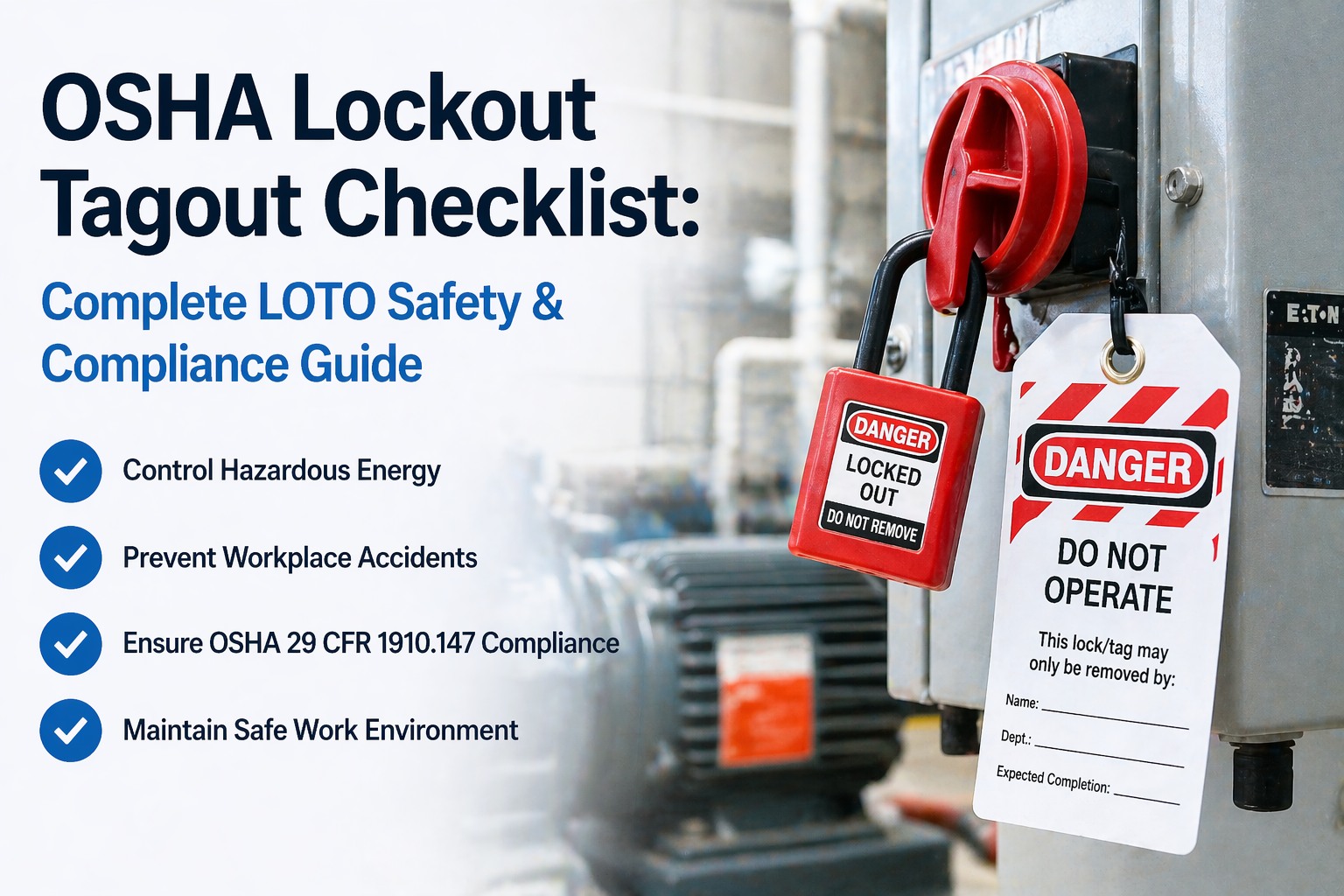
6. What is a LOTO (Lockout/Tagout) program?
A Control of Hazardous Energy (LOTO) program establishes procedures for de-energizing, isolating, locking out, and tagging electrical equipment before maintenance work. OSHA requires written LOTO programs, authorized worker training, and periodic audits to prevent accidental energization that could cause serious injury or death.
7. Why must electrical equipment be assumed energized?
Treating all electrical equipment as energized until proven otherwise prevents accidents from unexpected voltage. Workers must use proper testing equipment to verify de-energization and cannot rely on circuit breaker position, control switches, or other indicators alone. This fundamental safety practice is required by NFPA 70E.
8. What is the 36-inch clearance requirement for electrical equipment?
The National Electrical Code and OSHA require at least 36 inches of clear working space in front of electrical equipment operating at 50-600 volts. This clearance ensures safe access for operation, inspection, and maintenance while protecting workers from electrical hazards. Storage or obstructions in this space create safety violations.
9. How does the HVI App help manage electrical safety compliance?
The HVI App automates inspection scheduling, tracks qualified worker training and authorizations, manages LOTO procedures and equipment-specific safety requirements, documents arc flash boundaries and PPE requirements, generates compliance reports for OSHA audits, and alerts teams to identified hazards requiring immediate corrective action.
Take Action: Implement Comprehensive Electrical Safety
Download our FREE Electrical Safety Inspection Checklist and start implementing systematic workplace electrical safety practices. Integrating digital safety management with your inspection schedule ensures worker protection, regulatory compliance, and hazard prevention. Experience the power of automated safety tracking to enhance your electrical safety program and protect your workforce from electrical injuries.
Protect Your Workers from Electrical Hazards
Follow proven electrical safety practices: equipment inspections, NFPA 70E compliance, arc flash protection, LOTO procedures, and qualified worker requirements—all tracked automatically with digital safety management.