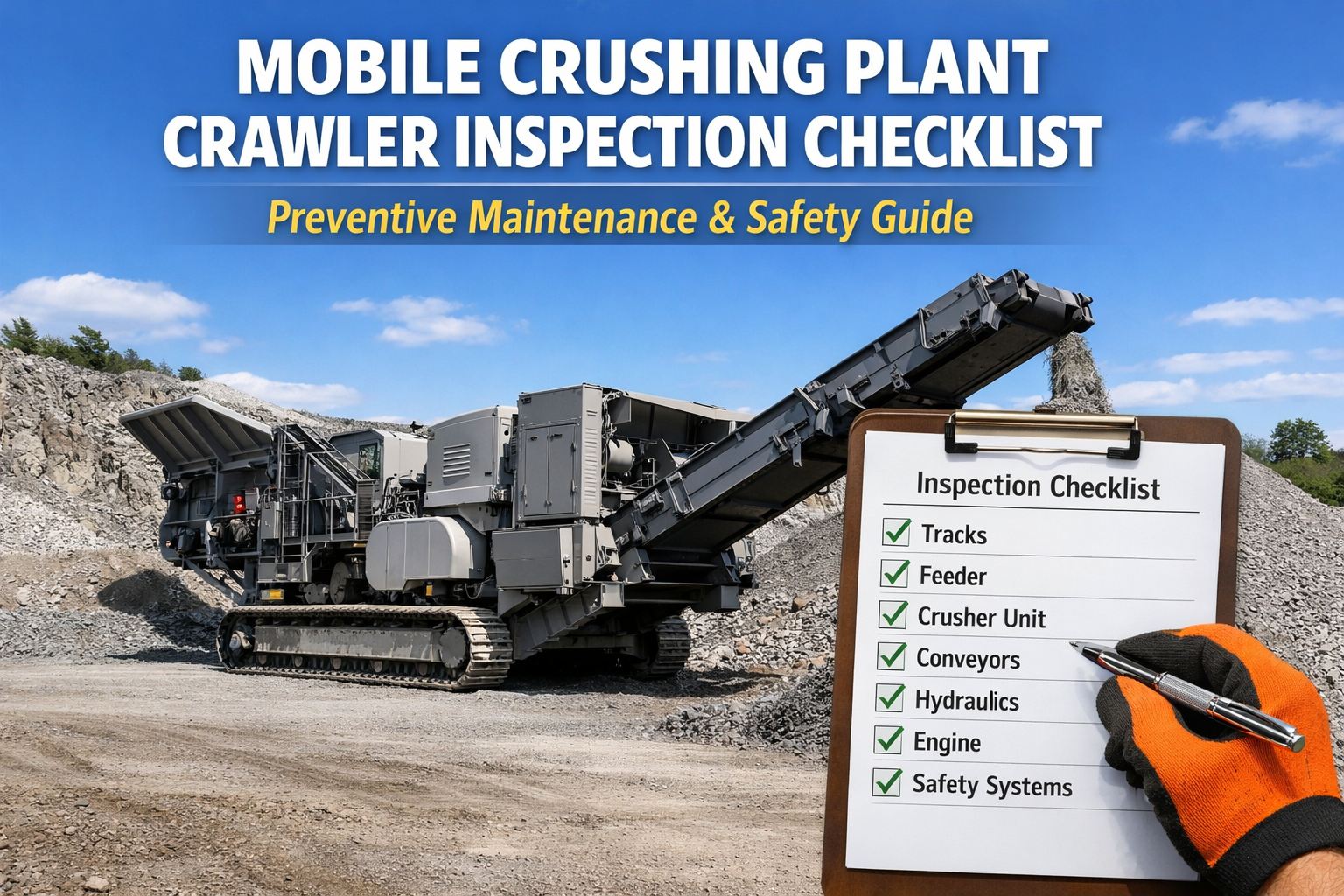
Importance of Bitumen/Apollo Paver Inspections
Paving Quality
- Comprehensive paver inspection ensures screeds maintain proper settings, material handling systems distribute asphalt uniformly, hydraulic controls operate precisely, and all systems function correctly, delivering smooth, consistent mat quality that meets specifications and prevents costly rework during critical paving operations.
Equipment Reliability
- Systematic inspection prevents unexpected breakdowns during paving operations, identifies developing issues before failures halt production, ensures material handling equipment operates properly, and maintains hydraulic system integrity throughout demanding paving schedules.
Operational Readiness
- Regular inspection verifies engine performance, hydraulic system condition, electrical component functionality, conveyor and auger operation, and overall equipment readiness, ensuring pavers can begin operations immediately when needed for time-sensitive paving projects.
Cost Prevention
- Proactive inspection catches wear before component failure, prevents expensive emergency repairs during paving season, reduces material waste from equipment malfunctions, and extends paver service life through early problem detection and proper maintenance.
1. OPERATING SYSTEMS
Comprehensive material handling and paving system verification. Schedule a 30-minute demo to see how digital platforms streamline paver inspections with component-specific checklists, wear pattern tracking, maintenance alerts, and automated service scheduling based on operating hours and paving season demands.
2. AIR INTAKE SYSTEM
Engine air supply and turbocharger system verification:
3. BODY FRAME
Structural component inspection:
4. CLASSIFICATION OF EQUIPMENT
Equipment condition assessment and deployment status:
5. COOLING SYSTEM
Engine cooling system comprehensive verification:
6. ELECTRICAL SYSTEM
Electrical power and control system inspection:
7. ENGINE
Engine performance and condition verification:
8. FUEL INJECTION SYSTEM
Fuel system components inspection:
9. HYDRAULIC SYSTEM
Hydraulic power and control system verification:
10. LUB. OIL SYSTEM
Engine lubrication system inspection:
11. LUBRICANT CONDITION
Fluid quality verification across all systems:
12. TYRE CONDITION
Tire inspection and wear verification:
Why Use Digital Fleet Management for Paver Inspections?
HVI App Benefits for Road Construction Equipment:
- ✓ Comprehensive system-specific checklists covering all paver components
- ✓ Mobile inspection capabilities accessible from job sites and equipment yards
- ✓ Photo documentation of component wear, hydraulic leaks, and system condition
- ✓ Hour-based maintenance scheduling for engine, hydraulic, and operating systems
- ✓ Equipment classification tracking for deployment readiness and repair status
- ✓ Complete inspection history for preventive maintenance planning and warranty compliance
Frequently Asked Questions About Bitumen/Apollo Paver Inspections
1. How often should bitumen and Apollo pavers be inspected?
Pavers require daily pre-shift inspections before paving operations covering fluid levels, hydraulic systems, conveyor and auger operation, and screed condition. Comprehensive periodic inspections following manufacturer intervals (typically every 100-250 operating hours) verify engine performance, electrical systems, structural components, and all subsystems. Additional inspections are required before mobilizing to new projects and after extended storage periods.
2. What are the most critical systems to inspect on pavers?
Critical inspection items include screed plate condition and heating systems affecting mat quality, auger and conveyor operation ensuring proper material distribution, hydraulic system integrity for precise control, engine cooling system preventing overheating during extended paving operations, electrical components and sensors, and tire condition affecting mobility. These systems directly impact paving quality and equipment reliability.
3. What is the equipment classification system for deployment readiness?
Equipment classification determines deployment status: "Good mechanical condition" equipment is ready for immediate deployment or site transfer; "Needs minor repairs" equipment requires light maintenance before deployment but can be mobilized quickly; "Needs major repairs/overhaul" equipment must go to base workshop for extensive repairs and is not available for projects. This classification helps fleet managers allocate equipment efficiently.
4. Why is hydraulic system inspection critical for pavers?
Hydraulic systems control screed height, width extensions, material flow gates, and steering on pavers. Hydraulic failures during paving cause immediate work stoppages, create safety hazards from sudden movements, damage mat quality from improper screed control, and can cause expensive component damage. Regular inspection of pumps, motors, cylinders, hoses, and control valves prevents failures during critical paving operations.
5. How does digital inspection tracking improve paver fleet management?
Digital platforms maintain comprehensive system-specific checklists ensuring consistent verification, track operating hours for maintenance scheduling across all systems, classify equipment deployment readiness for project planning, document component condition with photos for maintenance teams, generate automatic service alerts preventing overdue maintenance, and maintain complete inspection history for each paver showing reliability trends and recurring issues. Sign up for a free trial and get instant access to customizable paver inspection checklists, hour-based maintenance tracking, and equipment classification management - no credit card required for your 14-day trial period.
6. What causes most paver breakdowns during operations?
Common breakdown causes include hydraulic system failures from leaks or contaminated fluid, conveyor or auger motor failures, screed heating system malfunctions, engine overheating from clogged radiators, electrical issues affecting sensors and controls, and worn conveyor chains or auger flights. Most breakdowns are preventable through systematic inspection identifying developing problems before failures halt paving operations during time-sensitive projects.
Take Action: Implement Systematic Paver Inspection Programs
Download our FREE Bitumen/Apollo Paver Inspection Checklist and establish comprehensive inspection programs that maintain equipment reliability and paving quality. Digital fleet management ensures consistent system verification, tracks deployment readiness, schedules preventive maintenance, and prevents costly mid-operation failures. Protect your paving equipment investment and ensure project success.
Maintain Paving Performance with Comprehensive Equipment Inspections
Complete coverage: operating systems, hydraulics, engine, electrical, cooling, fuel injection, lubrication, tire condition—all verified systematically with digital inspection tracking for reliable paving operations.