Importance of Proper Signs, Signals & Barricades
Worker Protection
- Proper signs, signals, and barricades protect construction workers by warning of hazards, controlling access to dangerous areas, managing traffic through work zones, and communicating critical safety information. Effective traffic control prevents struck-by accidents, protects workers from vehicle incursions, and ensures safe operations in highway work zones.
Public Safety
- Proper signage and barricading protects the public from construction hazards by providing advance warning, channelizing traffic safely around work zones, preventing unauthorized access to dangerous areas, and communicating detour information clearly.
Regulatory Compliance
- OSHA regulations and MUTCD standards require proper signs, signals, and barricades in construction zones. Documented compliance programs demonstrate due diligence, prevent citations, and provide defensible records during inspections and incident investigations.
Accident Prevention
- Systematic verification of sign visibility, barricade placement, flagging operations, and traffic control devices prevents struck-by accidents, protects workers from vehicle incursions into work zones, and ensures proper hazard communication throughout construction projects.
Signs, Signals & Barricades Toolbox Talk
Comprehensive traffic control and hazard warning verification covering sign types and placement, barricade installation, flagging operations, and regulatory compliance - proper implementation prevents construction zone accidents and protects workers and the public. Systematic verification ensures all traffic control measures meet OSHA and MUTCD standards. Schedule a 30-minute demo to see how digital platforms streamline traffic control compliance with mobile checklists, GPS-tagged photo documentation of sign placement, automated compliance verification, and real-time alerts for missing or damaged traffic control devices.
Why Use Digital Fleet Management for Traffic Control Compliance?
HVI App Benefits for Construction Traffic Control Programs:
- ✓ Mobile checklists verifying sign placement, visibility, and condition from job sites
- ✓ GPS-tagged photo documentation showing traffic control device locations
- ✓ Automated daily verification ensuring signs and barricades remain properly placed
- ✓ Real-time alerts for missing, damaged, or non-compliant traffic control devices
- ✓ Flagging operation compliance tracking with training verification
- ✓ Complete audit trail for OSHA and DOT inspections
Frequently Asked Questions About Construction Signs, Signals & Barricades
1. What are OSHA requirements for construction signs and barricades?
OSHA requires construction sites to post warning signs at hazard locations, use danger signs (red, black, white) for immediate hazards, use caution signs (yellow, black) for potential hazards, maintain sign visibility during work operations, remove signs when hazards no longer exist, and use barricades to deter passage where necessary. Exit signs must have red letters at least 6" high on white backgrounds.
2. What are the requirements for flagging operations in construction zones?
Flagmen must conform to MUTCD (Manual on Uniform Traffic Control Devices) standards, use red flags at least 18" square for hand signaling, wear red or orange warning garments while flagging, wear reflectorized garments for night operations, and use red lights in darkness. Flagmen are required when signs, signals, and barricades don't provide sufficient protection on or adjacent to highways and streets.
3. What's the difference between danger signs and caution signs?
Danger signs (red, black, and white) indicate immediate hazards requiring immediate attention to prevent serious injury or death. Caution signs (yellow and black) warn against potential hazards or unsafe practices that could result in minor to moderate injuries if proper precautions aren't taken. Using the correct sign type ensures workers understand hazard severity and respond appropriately.
4. When should temporary warning tags be used versus permanent signs?
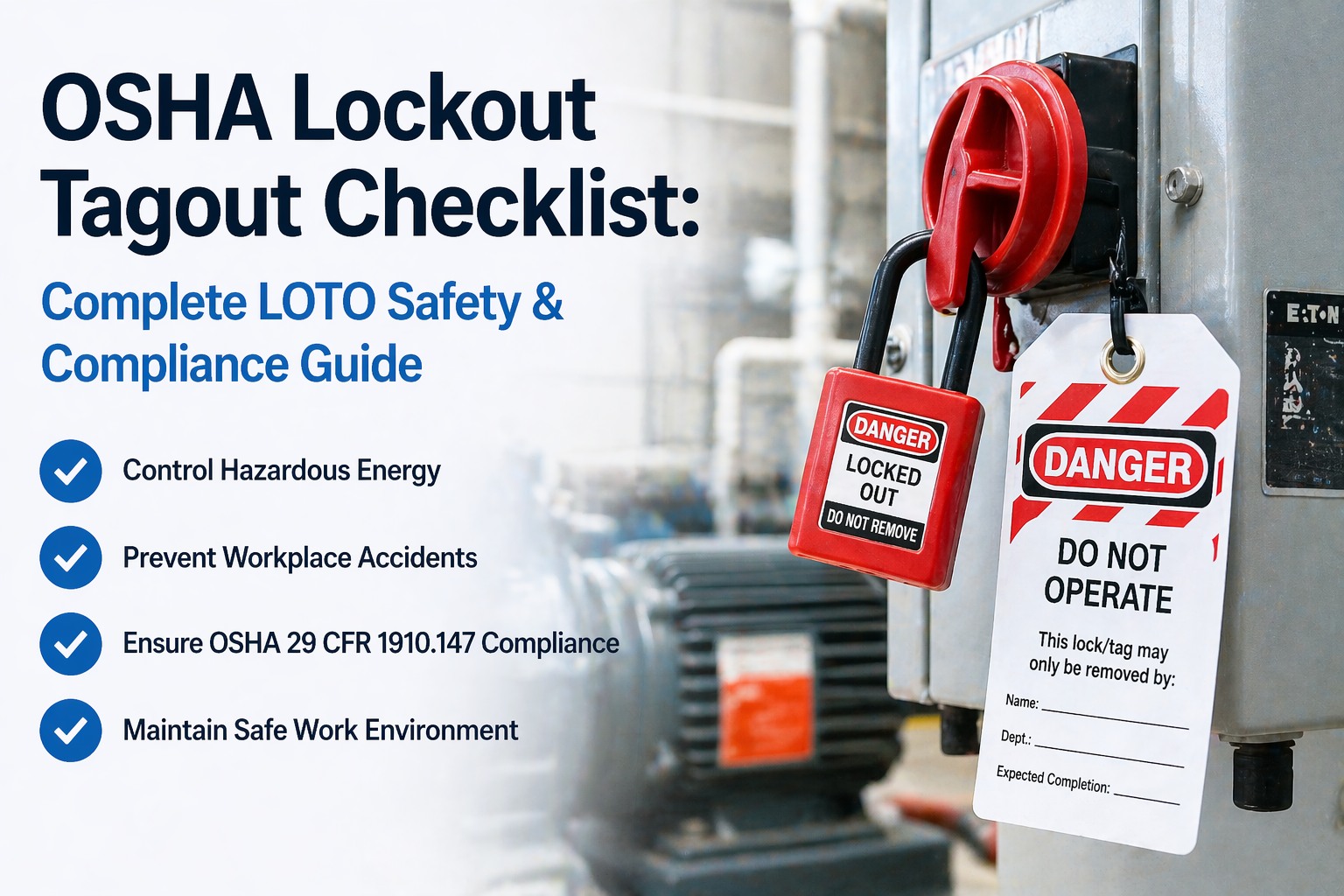
Tags are temporary signs typically attached to equipment or structures to warn of existing or immediate hazards during specific operations or conditions. They're used when hazards are temporary, equipment is being repaired, lockout/tagout is required, or conditions are changing. Permanent signs are used for ongoing hazards that will persist throughout project duration or facility operations.
5. How does digital compliance tracking improve traffic control safety programs?
Digital platforms ensure daily verification of sign placement and visibility, provide GPS-tagged photo documentation proving proper installation, create automatic alerts when signs or barricades are missing or damaged, track flagging personnel training and qualifications, maintain complete compliance records for regulatory inspections, and generate reports showing traffic control effectiveness. Sign up for a free trial and get instant access to customizable traffic control checklists, mobile documentation capabilities, and automated compliance tracking - no credit card required for your 14-day trial period.
6. What are common violations related to construction signs and barricades?
Common violations include faded or illegible signs that aren't visible, signs left in place after hazards are removed, incorrect sign types for hazard severity (using caution instead of danger signs), missing barricades allowing unauthorized access, non-compliant flagging equipment or procedures, flaggers without proper high-visibility clothing, and inadequate traffic control in highway work zones. Regular inspection and maintenance prevent these violations.
Take Action: Implement Comprehensive Traffic Control Compliance
Download our FREE Signs, Signals & Barricades Toolbox Talk and establish systematic traffic control programs that protect construction workers and the public. Digital safety management ensures proper sign placement, verifies barricade effectiveness, tracks flagging operations, maintains MUTCD compliance, and creates defensible documentation. Protect your workforce and demonstrate safety commitment.
Protect Construction Workers with Proper Traffic Control
Complete coverage: danger and caution signs, barricades, flagging operations, exit signs, warning tags, MUTCD compliance—all verified and documented with digital safety tracking.