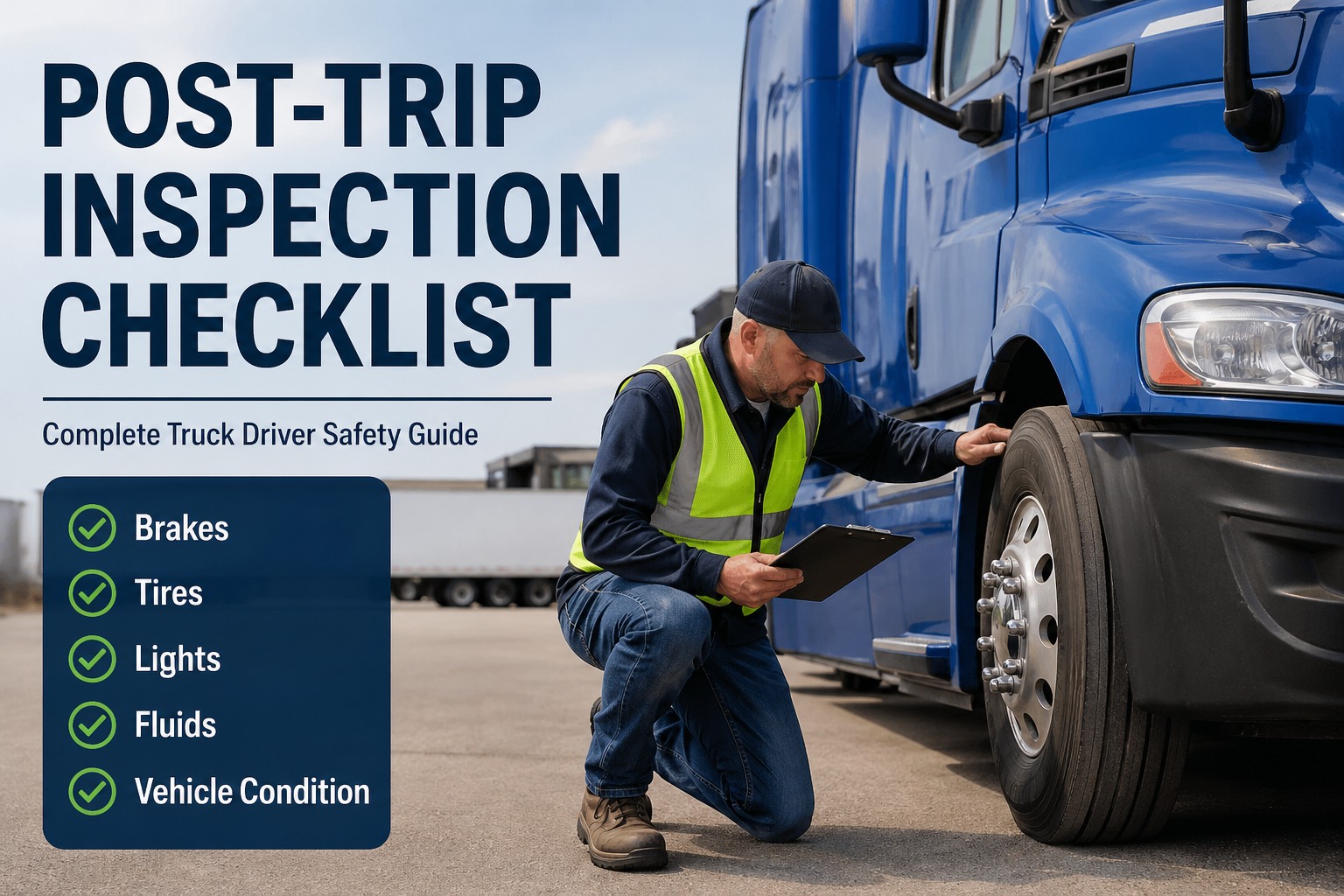
Importance of Annual Truck Inspections
DOT Compliance
- Annual inspections are federally required under 49 CFR 396.17 for commercial motor vehicles. Documented annual inspections satisfy FMCSA regulations, prevent out-of-service orders, and maintain your operating authority during DOT audits and roadside inspections. Start your free 14-day trial to maintain digital inspection reports with automated compliance tracking, timestamped records, and audit-ready documentation that satisfies all federal requirements.
Safety Protection
- Comprehensive annual inspections identify safety-critical defects in brake systems, steering components, suspension, and structural elements before they cause accidents, protecting drivers and preventing catastrophic equipment failures.
Cost Control
- Systematic yearly inspections catch developing mechanical issues early, preventing expensive emergency repairs, reducing unplanned downtime, and extending truck service life through proactive maintenance intervention.
Fleet Reliability
- Annual inspection programs ensure trucks remain operationally ready, reduce unexpected breakdowns during critical hauls, maintain fleet availability, and support consistent on-time delivery performance throughout the year.
1. BRAKE SYSTEM
Critical brake system components and safety mechanisms - brake system failures are the most dangerous defects in commercial vehicles. Annual verification ensures all braking components meet DOT standards and function properly under all operating conditions. Schedule a 30-minute demo to see how automated inspection scheduling ensures your trucks receive timely annual inspections with complete brake system documentation, defect tracking, and compliance reporting.
2. COUPLING DEVICES
Essential coupling mechanisms for safe trailer connection:
3. EXHAUST SYSTEM
Exhaust system safety and emissions compliance:
4. FRAME
Structural frame integrity and clearances:
5. FUEL SYSTEM
Fuel system safety and leak prevention:
6. LIGHTING DEVICES
Required lighting and reflector functionality:
7. SAFE LOADING
Load security and cargo protection requirements:
8. STEERING MECHANISM
Complete steering system components and controls:
9. SUSPENSION
Suspension components and axle positioning systems:
10. TIRES
Tire condition and tread requirements:
11. WHEELS AND RIMS
Wheel assembly and fastener integrity:
12. WINDSHIELD GLAZING
Windshield condition and visibility requirements:
13. WINDSHIELD WIPERS
Wiper functionality and effectiveness:
Why Use Digital Fleet Management for Annual Truck Inspections?
HVI App Benefits for DOT Compliance:
- ✓ Automated annual inspection reminders based on due dates
- ✓ Complete DOT-compliant inspection forms with all required items
- ✓ Digital signatures and timestamps for regulatory compliance
- ✓ Photo documentation of defects and component condition
- ✓ Automatic work order generation for identified deficiencies
- ✓ Permanent inspection records for FMCSA audits and reviews
Frequently Asked Questions About Annual Truck Inspections
1. What is an annual truck inspection report?
An annual truck inspection report is a comprehensive DOT-required inspection documenting the condition of all safety-critical systems on commercial motor vehicles. Required under 49 CFR 396.17, the inspection must be completed by qualified inspectors and cover brakes, steering, suspension, lighting, frame, coupling devices, tires, wheels, and other safety components.
2. Who can perform annual truck inspections?
Annual inspections must be performed by qualified inspectors who understand commercial vehicle systems and DOT requirements. This includes certified mechanics at authorized inspection facilities, qualified motor carrier maintenance personnel, or inspectors from state or federal agencies. The inspector must sign and certify the inspection report.
3. How long are annual truck inspection reports valid?
Annual inspection reports are valid for 12 months from the inspection date. Carriers must ensure each commercial motor vehicle receives an annual inspection within this timeframe. The inspection report must be kept on file for 14 months and a copy must be available in or on the vehicle during operation.
4. What happens if a truck fails annual inspection?
Trucks that fail annual inspection must be immediately removed from service until all identified defects are repaired. Deficiencies must be corrected by qualified maintenance personnel, and the vehicle must be re-inspected and certified as meeting all safety standards before returning to commercial operation. Operating a vehicle with failed inspection status violates federal regulations.
5. How does digital software simplify annual inspection compliance?
Digital inspection software automates the entire annual inspection process by scheduling inspections based on due dates, providing complete DOT-compliant inspection forms, capturing digital signatures and timestamps, storing inspection records permanently, tracking defect repairs, and generating compliance reports for FMCSA audits. Sign up for a free trial and get instant access to DOT-compliant annual truck inspection checklists, automated scheduling, and compliance tracking - no credit card required for your 14-day trial period.
6. What documentation must be retained for annual inspections?
Motor carriers must retain the original annual inspection report for 14 months from the inspection date. A copy of the current inspection report must be available in or on the vehicle. If defects were found, documentation of all repairs must also be maintained, including mechanic certifications that deficiencies were corrected.
Take Action: Maintain DOT-Compliant Annual Truck Inspections
Download our FREE Annual Truck Inspection Report Checklist and establish systematic DOT compliance across your fleet. Digital fleet management ensures you never miss required annual inspections, maintains complete regulatory documentation, streamlines the inspection process with qualified inspectors, and protects your operating authority from violations. Keep your trucks safe, compliant, and road-ready year after year.
Maintain DOT Compliance with Systematic Annual Truck Inspections
Complete DOT-required coverage: brake systems, steering, suspension, lighting, frame, coupling devices, tires, and all safety-critical components—tracked automatically with digital fleet management.